Tag: Birthright citizenship

  • Ketanji Brown Jackson’s Viral Birthright Citizenship Arguments

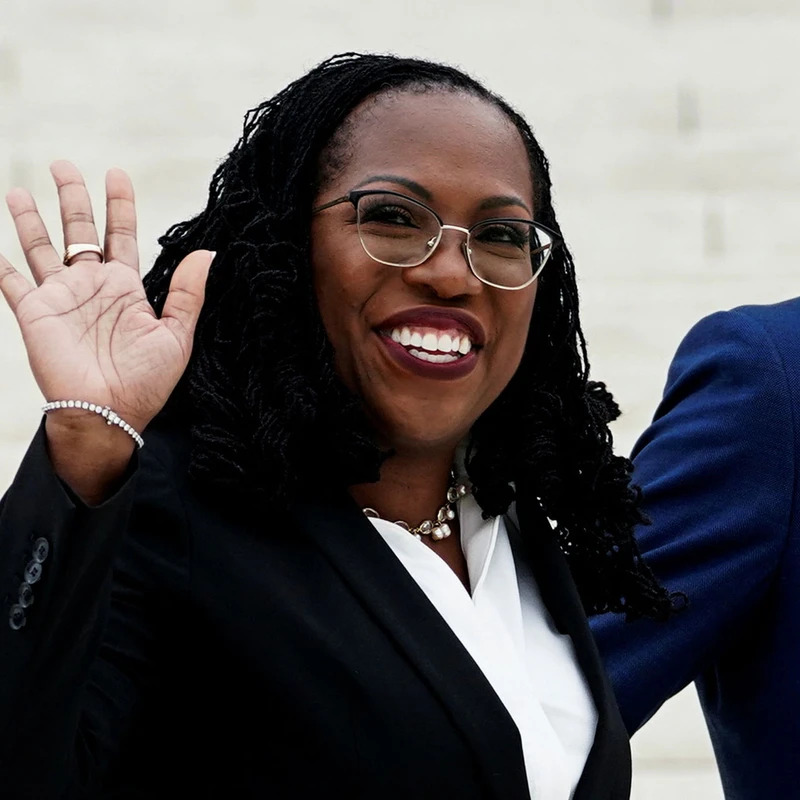
    Supreme Court Justice Ketanji Brown Jackson is making headlines and going viral for her incisive questioning during arguments concerning birthright citizenship. As the nation grapples with the potential end of this long-standing policy, Jackson’s sharp legal mind is on full display, challenging the core arguments presented.

    Challenging the ‘Subject to Jurisdiction’ Clause

    The case centers on arguments presented by Solicitor General D. John Sauer, who contended that the 14th Amendment’s phrase “subject to the jurisdiction” should only apply to children whose parents have a clear “allegiance” to the U.S., often determined by being “domiciled” here. This interpretation could significantly alter the landscape of birthright citizenship.

    Justice Jackson pushed back forcefully, questioning the practical implications of such a rule. “How does this work? Are you suggesting when a baby is born people have to present documents? Is this happening in the delivery room?” she asked, highlighting the logistical and ethical challenges of verifying parental status at the moment of birth.

    The Practicalities of Enforcement

    When Sauer referenced Social Security Administration documents as a potential basis for determining status, Jackson re-engaged, pointing out that the core of the argument seemed to hinge on a person’s “intention to stay in the United States.” She pressed further, asking, “Are we bringing pregnant women into depositions? What are we doing to figure this out?” This line of questioning underscored the potential for invasive and impractical enforcement measures.

    Her follow-up questions probed whether there would be any opportunity for individuals to prove their intent to remain in the U.S. after birth, suggesting that the proposed rule might be applied “after the fact,” creating further complications.

    Reactions and Criticisms

    Justice Jackson’s arguments have been widely praised on social media, with many commending her sharp intellect and defense of established legal principles. However, as often happens with high-profile legal discussions, her comments also drew criticism from some conservative circles. Florida Governor Ron DeSantis, for instance, took to X (formerly Twitter) to criticize her analogy comparing the issue to stealing a wallet in Japan, calling it a defense of “the suicide pact of birthright citizenship for illegals.”

    Despite the criticism, Justice Jackson’s engagement in this pivotal case is a significant moment, highlighting the ongoing debate over citizenship and its interpretation in the United States.

    What are your thoughts on Justice Ketanji Brown Jackson’s arguments regarding birthright citizenship? Share your views in the comments below!
  • Trump Calls U.S. ‘Stupid’ Over Birthright Citizenship

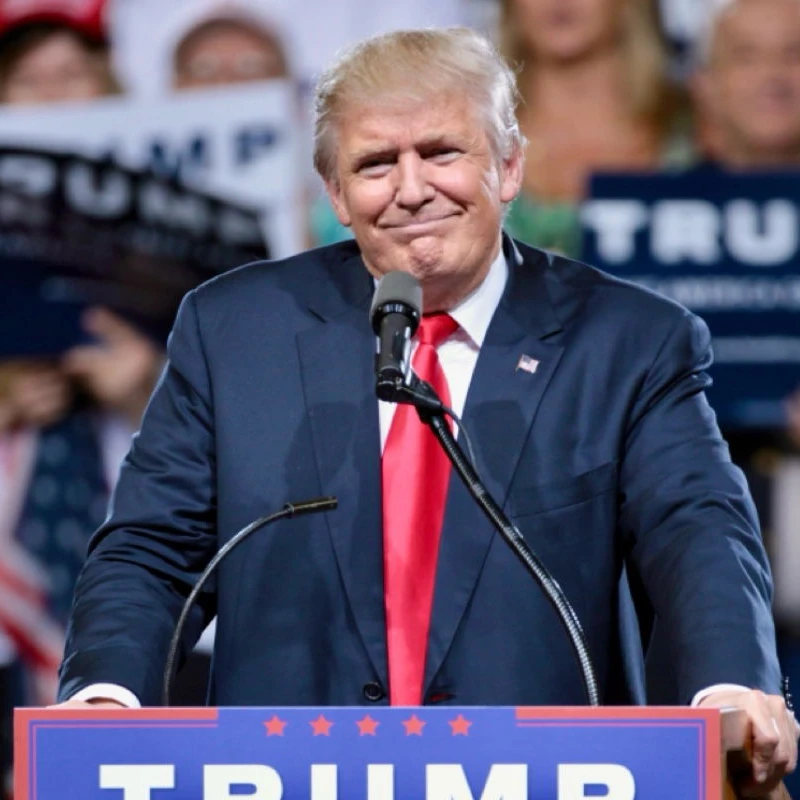
    Former President Donald Trump has publicly criticized the United States’ policy on birthright citizenship, calling the nation “stupid” for its approach. His remarks came after he attended oral arguments at the Supreme Court concerning his executive order aimed at ending the practice.

    Trump’s ‘Stupid’ Accusation

    On his Truth Social platform, Trump wrote, “We are the only Country in the World STUPID enough to allow ‘Birthright’ Citizenship!” However, data from the Pew Research Center indicates that his claim is inaccurate, with at least 32 other countries, primarily in the Western Hemisphere, having similar laws that grant citizenship to those born within their borders.

    Trump’s presence at the Supreme Court marked a historic moment, as he is the first sitting president to attend such hearings. He sat in the front row of the public gallery alongside White House Counsel David Warrington, Attorney General Pam Bondi, and Commerce Secretary Howard Lutnick, observing Solicitor General John Sauer present the government’s case.

    Debate Over the 14th Amendment

    The Trump administration’s argument centers on a reinterpretation of the 14th Amendment, asserting that parents must prove their legal status for their children to be granted citizenship. This challenges the long-standing understanding that virtually anyone born on U.S. soil is automatically a citizen. However, Chief Justice John Roberts appeared skeptical of the government’s arguments, describing the examples provided as “very quirky.”

    Outside the courtroom, Trump expressed frustration, particularly with Republican justices he appointed. In a video posted on X, he criticized them for seeking to demonstrate independence by ruling against him, labeling them “stupid people.”

    Awaiting the Final Decision

    The Supreme Court is expected to deliver its final decision on the birthright citizenship case by the summer. The outcome could have significant implications for immigration policy and the definition of citizenship in the United States.

    What are your thoughts on birthright citizenship and Donald Trump’s comments? Do you agree with his stance or the current interpretation of the 14th Amendment? Share your views in the comments below!

  • Supreme Court To Hear Trump’s Birthright Citizenship Case

    Get ready for a major legal showdown! The U.S. Supreme Court has announced it will hear arguments on President Donald Trump’s controversial bid to restrict birthright citizenship. This case, expected to be argued in April with a decision by June 2026, could dramatically reshape American immigration law as we know it.

    The Executive Order and Its Roadblocks

    The issue stems from an executive order Trump signed on his first day in office, aiming to deny automatic citizenship to children born in the U.S. to undocumented immigrants or those on temporary visas. The administration’s stated goal was to curb illegal immigration and “birth tourism.” However, this policy faced immediate opposition and was quickly blocked by lower courts.

    Federal judges ruled that the order directly conflicted with the Constitution’s 14th Amendment and long-standing legal precedent, including the landmark 1898 Supreme Court case, “United States v. Wong Kim Ark.” This case affirmed that nearly all individuals born on U.S. soil are entitled to citizenship.

    The Government’s Argument vs. Critics’ Concerns

    The government’s core argument is that the Citizenship Clause of the 14th Amendment, ratified after the Civil War, was specifically intended to grant citizenship to freed slaves and their descendants. They contend it was never meant to apply to children born to undocumented immigrants or temporary visitors. This interpretation challenges over a century of established practice.

    On the other side, critics, including immigrant rights groups and legal scholars, argue that no president possesses the authority to redefine citizenship. They warn that such a policy could create widespread legal chaos, as birth certificates are issued without parents’ immigration status being recorded. Furthermore, they believe it could undermine the principle of equal treatment under the law.

    The Path to the Supreme Court

    After facing initial legal hurdles, the Trump administration first sought the Supreme Court’s intervention regarding nationwide injunctions that blocked the policy. While the Court limited judges’ ability to issue such broad orders in June, it didn’t rule on the central issue of birthright citizenship. Undeterred, the administration returned to the high court in September, directly asking the justices to decide on the constitutionality of the executive order itself.

    This case, stemming from a class-action lawsuit, has seen lower courts consistently rule in favor of the plaintiffs, halting the policy nationwide. The Supreme Court’s final decision will be pivotal, potentially settling this complex legal question and significantly impacting the lives of thousands of children born in the United States.

    What are your thoughts on the Supreme Court weighing in on birthright citizenship? Share your views in the comments below!