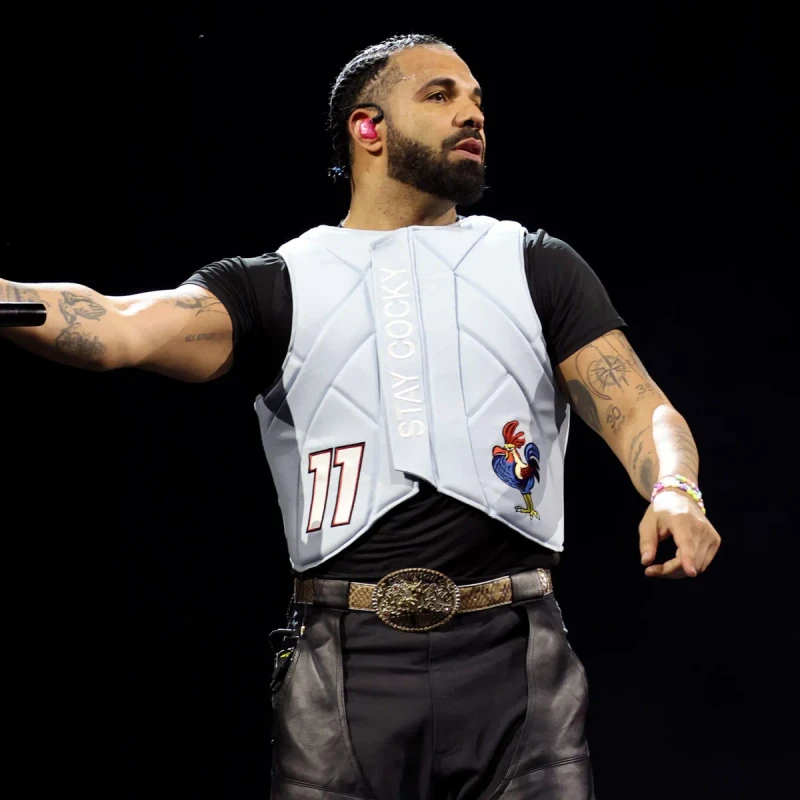
The recent rap beef between Drake and Kendrick Lamar has sparked intense debate about the state of hip-hop, particularly its presence on the charts. While some, like The Game, suggest Drake’s absence has crippled the genre, the reality is far more complex. The issue isn’t just about one artist’s performance; it’s about a systemic problem within the music industry itself.
Drake’s Chart Power vs. Hip-Hop’s Health
Drake has a history of overcoming lyrical battles and public scrutiny with massive commercial success. Whether it was ghostwriter accusations leading to a Grammy-nominated diss track or parental status revelations resulting in the behemoth album ‘Scorpion,’ Drake’s machine seemed unstoppable. However, the feud with Kendrick Lamar, particularly Kendrick’s hit “Not Like Us,” marked a shift, with even Drake’s hometown chanting for more.
While Drake continues to achieve commercial feats—like his last rap song hitting the top 10 and breaking Spotify records—the narrative that his return will single-handedly restore hip-hop’s chart dominance feels like propaganda. The problem isn’t that Drake lost a battle; it’s that the industry machine that once guaranteed his success is no longer functioning the same way.
The Real Issues: Algorithm, Labels, and Artist Development
The pressure on Drake to make a comeback that restores hip-hop’s chart presence is immense, yet the underlying issues remain unaddressed. Artists like Drake, Taylor Swift, and The Weeknd once operated with limitless budgets and guaranteed returns. But those guarantees have faded. Hip-hop hasn’t felt like a priority since the early 2000s, and ironically, the Drake-Kendrick feud was one of the few moments the genre felt central again.
The problem isn’t solely with artists; labels and platforms dictate visibility. A major grievance is the lack of artist development, partly because Black-led imprints have been absorbed by major corporations, leading to layoffs and reduced focus on music curation. Everything is filtered through an algorithm that’s easily manipulated and transparent, leading to fleeting trends rather than lasting art.
Drake as the Algorithm, and Its Costs
Drake’s longevity was built on reinvention, identifying trends, and commercializing them at scale. He became the embodiment of the algorithm, optimizing streaming culture through volume, playlist dominance, and meme-ability. This chameleon-like approach made emerging sounds palatable to a wider audience, cementing his status as the world’s biggest rapper.
However, this relentless pursuit of omnipresence came at a cost. The music became bloated, moments felt manufactured, and excitement plateaued. Albums like ‘For All The Dogs’ exemplified this, lacking focus and charisma, with songs feeling like padding for streams rather than cohesive statements. The TikTok-era pivot with “Toosie Slide” worked temporarily, but his strategy became predictable.
The Feud’s Exposure and the Path Forward
The Kendrick Lamar feud exposed the perceived invincibility around Drake. Subsequent releases felt reactive, with bars and melodies lacking conviction. Now, Drake is in a position where any direction feels forced or safe. When the audience stops believing in the algorithm, it ceases to function.
The pressure on Drake’s next project, potentially titled ‘Iceman,’ to be more than just a good album—to restore hip-hop’s chart presence—is unrealistic. Charts don’t equate to impact, and viral moments are ephemeral. While Drake can still succeed, he cannot single-handedly fix a failing system. Hip-hop’s true strength lies in its roots—the streets, the underground, the people. When the music is shaped by label agendas rather than genuine artistry, it loses its compelling edge. Traditional approaches still resonate because they feel authentic. Drake’s comeback hinges on acknowledging he’s no longer the sole center of the universe. While he’ll remain successful, the system needs decentralization to correct itself.
Do you agree that Drake can’t fix hip-hop’s chart problems alone? What do you think needs to happen for the genre to regain its mainstream dominance? Share your thoughts in the comments below!