Tag: Ben Crump

  • Racist Backlash Over Black Woman’s Death After Tim Hortons Fight

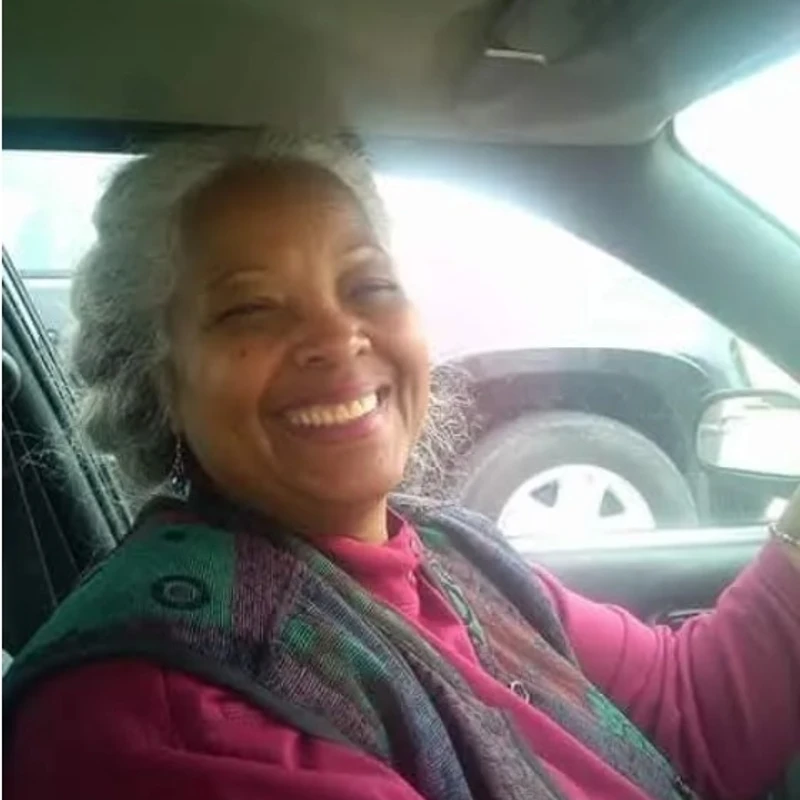
    A deeply disturbing incident has unfolded in Fort Wayne, Indiana, where a 75-year-old Black woman, Anita Grayson, died following a physical altercation at a Tim Hortons. Tragically, her death has been met with vile racist comments online, with bigots celebrating her demise and labeling her with offensive terms. This response highlights a disturbing trend of dehumanization and racial bias.

    The Altercation and Its Aftermath

    The incident occurred on May 13 when Grayson reportedly entered the Tim Hortons to complain about her drive-thru order. According to the Fort Wayne Police Department, an argument ensued with a 17-year-old employee. Video footage shows Grayson arguing with the teen, who then appeared to shove her. Grayson shoved back, leading to the teen striking her. Grayson then hit the teen, who retaliated with a beating until she fell to the ground, where the assault reportedly continued. Other employees were involved, though their exact actions are unclear from the video.

    While the exact cause of death is still under review by the Allen County Prosecutor, and the final autopsy report is expected in 6-8 weeks, the online reaction from some has been appalling. Instead of showing empathy or concern, racists have spewed hateful comments like ‘Chimp,’ ‘Black fatigue,’ and ‘Ghetto,’ seemingly justifying the violence against an elderly Black woman.

    Highlighting Racial Bias in Public Reaction

    The author points out the stark contrast in public reaction compared to how such incidents involving white individuals are often perceived. The article questions why, in cases like this, there isn’t the same chorus of ‘What happened before the cameras started rolling?’ or excuses for the victim’s behavior. Instead, the focus immediately shifts to racist accusations like ‘chimping out’ when the victim is Black.

    The Fort Wayne Police Department released the video, stating it was in the public interest due to misinformation circulating online. They aimed to counter a ‘dangerously false narrative’ and provide a clear account of the events. However, the release of the video has seemingly amplified the racist commentary from some segments of the public.

    Family Seeks Answers and Justice

    Famed civil attorney Ben Crump has been retained by Anita Grayson’s family. In a statement, Crump emphasized the family’s grief and their urgent need for clear, complete, and timely answers regarding how a simple coffee shop visit led to such a tragic loss. His firm will stand with the family to ensure a thorough and fair investigation.

    The family seeks to ensure their voice is heard throughout this process and that the truth is established. The community awaits the final autopsy report, hoping for clarity and accountability in this deeply troubling case.

    What are your thoughts on the racist reactions to Anita Grayson’s death? How can we combat such hateful rhetoric in the face of tragedy? Share your perspective in the comments below.
  • Ben Crump Alleges Gov’t Used Black Infants in Vaccine Trials

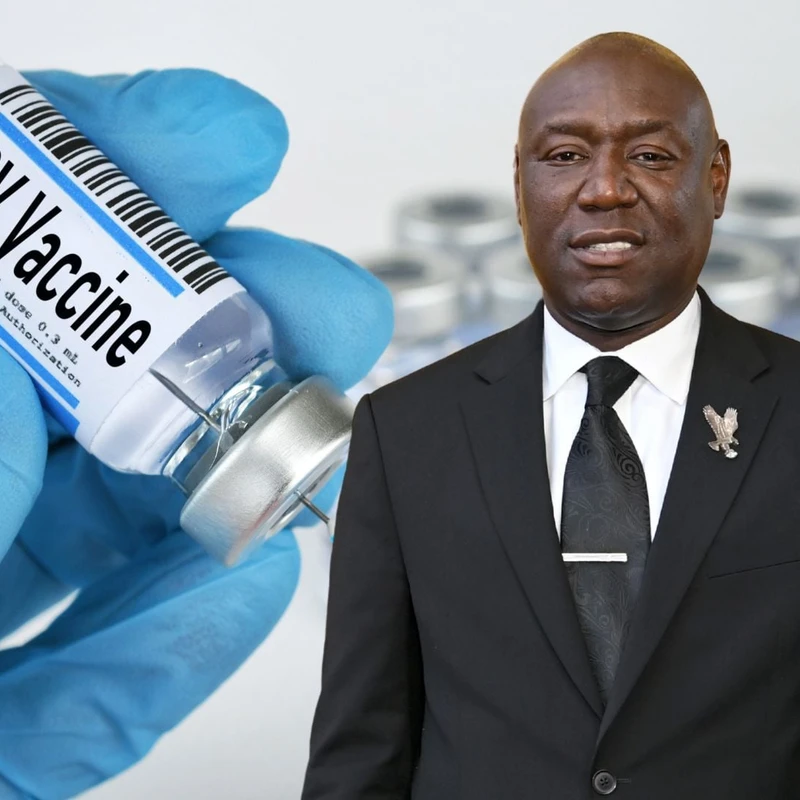
    A significant federal lawsuit has been filed, accusing the U.S. government of a deeply disturbing practice: the alleged secret testing of experimental RSV vaccines on Black infants back in the 1960s. Civil rights attorney Ben Crump, representing the families of two infants, Ross Otto Hambrick and Victor Marcellus King, claims these trials were conducted without the families’ knowledge or consent.

    Allegations of Unethical Vaccine Trials

    The lawsuit, filed under the Federal Tort Claims Act, details how the infants were allegedly enrolled in a National Institutes of Health (NIH)-sponsored study between 1965 and 1966. Tragically, both infants passed away in January 1967. Attorneys describe the experimental trial, known as “Lot 100,” as dangerous and highly concentrated.

    A key, and deeply concerning, allegation is that tissue samples taken during the infants’ autopsies were later used in the development of RSV vaccines that received FDA approval as recently as 2023. This raises profound questions about consent, exploitation, and the long-term impact of historical medical practices.

    Seeking Justice and Accountability

    According to the press release from Ben Crump Law, neither the Hambrick nor the King families were informed about these alleged experiments for decades. They have reportedly never received compensation or any form of acknowledgment from the federal government regarding the use of their infants’ samples.

    The legal team, which includes attorneys William H. Murphy Jr., Carol Lexing Powell, Malcolm P. Ruff, and Nabeha Shaer, is demanding full accountability from the United States government. They aim to secure justice for the Hambrick and King families, highlighting the vulnerability of the infants and the alleged intentional selection of Black infants from low-income backgrounds.

    Details of the Lawsuit

    • Federal lawsuit filed under the Federal Tort Claims Act.
    • Alleges government secretly used Black infants in experimental RSV vaccine trials in the 1960s.
    • Infants allegedly selected from low-income families without parental consent.
    • Tissue samples from autopsies allegedly contributed to FDA-approved RSV vaccines (2023).
    • Families seeking compensation, acknowledgment, and accountability.

    The attorneys were scheduled to discuss the intricate details of the lawsuit at a news conference in Washington, D.C. This case brings to light critical issues surrounding medical ethics, historical injustices, and the ongoing fight for accountability for vulnerable communities.

    What are your thoughts on these serious allegations regarding past government vaccine testing? Share your views in the comments below.

  • LL Cool J & Ben Crump Tackle Wealth Gap

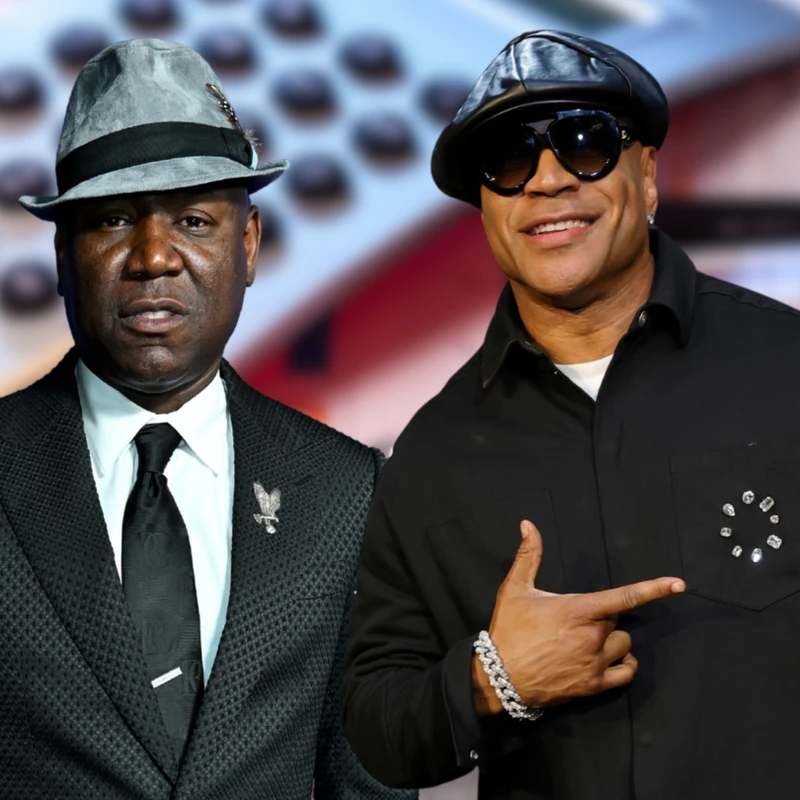
    Two influential figures, one a titan of hip-hop and the other a champion of civil rights, are now uniting to tackle a critical issue: the wealth gap. Rap legend LL Cool J and renowned civil rights attorney Ben Crump have partnered to launch DreamFi, a fintech platform designed to provide essential financial tools to unbanked and underbanked Americans. Their core message? You don’t need to be rich to start building wealth.

    Bridging the Financial Divide

    DreamFi aims to empower everyday individuals, not just the elite. “It is not for the elites, it’s not for those who have all the money in the world. It is for that everyday person with $10, $20, $30, $40, all of that matters,” LL Cool J told TheGrio. This initiative directly addresses the persistent wealth gap that disproportionately affects communities of color, where limited access to traditional banking services leaves millions struggling.

    According to recent FDIC data, millions of U.S. households remain unbanked or underbanked. For many in communities of color, this means relying on check-cashing services that charge exorbitant fees, sometimes up to 25% of their hard-earned money. Crump highlighted this reality, stating, “In most communities of color, we have the unbanked and the underbanked members of our community that are still out there in those check-cashing lines… because they don’t have bank accounts.”

    Lessons from Family and Personal Experience

    Both LL Cool J and Ben Crump draw inspiration from their family histories. LL Cool J recalls his grandfather, a hardworking man who pursued an engineering degree while juggling multiple jobs and fixing his own car. “I learned that dreams don’t have deadlines,” LL shared, reflecting on how his grandparents’ wisdom shaped his mindset. He imagines how different life might have been if they had access to modern financial services.

    Crump echoed these sentiments, thinking about what his mother could have achieved with financial literacy. “God blessed me to be very successful… and what we have to do now is make room for other people at the table,” he stated. LL Cool J also admitted to making financial mistakes early in his career, buying lavish items instead of investing, which makes his partnership with DreamFi feel particularly natural and important.

    DreamFi: Tools for Financial Freedom

    DreamFi aims to bridge the educational gap, as studies show many Americans rarely learn basic financial concepts like budgeting in school. The platform offers a user-friendly app providing a debit card with direct deposit, credit monitoring, life insurance, affordable phone plans, roadside assistance, and crucial financial literacy tools. “You can have your money hit at 12 midnight, where you’re not having to wait in the check-cashing line,” Crump explained.

    LL Cool J uses a swimming analogy to describe the progression DreamFi offers: “First, learn how to swim. One day, you may have the boat… Learn how to swim, then move to the life jacket, then move to the surfboard… there’s a progression that can take place here so that you can get your life together.”

    A New Frontier in the Civil Rights Movement

    For Ben Crump, DreamFi is more than a business; it’s an extension of the civil rights fight. He views economic access to capital and financial freedom as fundamental civil rights. “When you have financial freedom, it helps make all the other freedoms that much more obtainable,” he asserted. In a political climate where legislative solutions seem distant, Crump believes self-sustainability is key.

    Both Crump and LL Cool J measure success not by revenue, but by the tangible impact on people’s lives—affording funerals, securing reliable transportation, and giving children a head start. LL emphasizes the importance of mindset over material wealth: “passing on a mentality” and “passing on financial literacy” to create generational wealth. “Dreams don’t have deadlines. Each one teach one,” LL concluded, embodying the spirit of community empowerment that DreamFi represents.

    What are your thoughts on DreamFi’s mission? How can financial literacy be better promoted in underserved communities? Share your insights in the comments below!

  • Teen Sues Cop for Alleged Violent Arrest

    Imagine being a teenager, minding your own business, and then being violently slammed to the ground by a police officer. That’s the harrowing experience 18-year-old Erin Marie Cowser alleges she endured, leading her to file a lawsuit against a San Bernardino police officer and the city. The situation is made even more disturbing by claims that video evidence contradicts the officer’s account of what happened.

    The Incident and the Lawsuit

    The lawsuit, filed earlier this month, names San Bernardino Police Department Officer Jackson Tubbs, Officer Cynthia Guillen, and the city itself. Cowser claims that on May 21, 2025, Officer Tubbs slammed her onto the ground, resulting in a concussion, traumatic brain injury, and facial lacerations. Her attorneys assert that she did nothing to provoke such a forceful response.

    According to the complaint, officers were initially called to a report of a fight at a Food 4 Less grocery store. Cowser’s legal team states that Tubbs approached her, grabbed her backpack, pulled her towards a patrol car, and then threw her to the ground. Cellphone footage and body camera video from Officer Guillen reportedly captured the arrest.

    Conflicting Accounts and Video Evidence

    Cowser’s attorney, Toni Jaramillo, described the action as a “hip toss that flipped Erin in the air, her legs flying over her head, and she landed face-first, head-first on the concrete.” Adding to the distress, Cowser was reportedly cuffed behind her back, leaving her unable to brace for the impact. She was just 17 at the time of the incident.

    San Bernardino police initially claimed Tubbs used a “takedown maneuver” because Cowser was resisting arrest and pulling away after only one wrist was cuffed. However, this account appears to be challenged by the video footage, which allegedly shows Tubbs grabbing the then-teenager by her SpongeBob SquarePants backpack without explanation before the arrest.

    The Fight Allegations

    Cowser and her attorneys maintain that the fight police responded to was already over by the time officers arrived. According to their account, Cowser was attacked by another group of teenagers inside the store. A security guard intervened by pepper-spraying the individuals, causing them to disperse before any officers reached the scene. Cowser was reportedly standing outside talking with friends when Tubbs approached her.

    The lawsuit also accuses officers of lying about the cause of Cowser’s injuries, attributing them to the fight rather than the alleged violent actions of the officer. Video evidence, however, reportedly contradicts this claim as well. Cowser was charged with trespassing and attempting to fight other juveniles, but these charges were later dismissed.

    A Disturbing Pattern?

    Cowser, now 18, recounted waking up in the back of a police car on the freeway, seeing blood on her body, and being told by the officer, “You fell.” This statement, coupled with the alleged forceful takedown, raises serious questions about accountability. It’s worth noting that Officer Tubbs was involved in a 2023 incident where he shot and killed a man, a case that resulted in a $4.9 million settlement after accusations of planting evidence.

    This case serves as a stark reminder of the ongoing discussions surrounding police conduct and the importance of transparency and accountability. The legal battle ahead will likely hinge on the interpretation of the video evidence and the conflicting testimonies.

    What are your thoughts on this alleged police misconduct case? Do you believe video evidence is crucial in ensuring justice? Share your opinions in the comments below!

  • Florida Textbook Edits Spark Outrage

    In Florida, a new version of a required sociology textbook for introductory courses at Florida State University has sparked significant backlash. The revised edition, part of Governor Ron DeSantis’s initiative to eliminate “woke ideology,” has drastically cut content, removing entire chapters on race, ethnicity, and social justice movements, and reducing historical figures to mere footnotes.

    Drastic Cuts and Content Removal

    The original textbook, an open-source resource with 669 pages, has been slashed to just 267 pages. This massive reduction includes the elimination of four entire chapters, notably one on race and ethnicity and another detailing the historical genocide of Native Americans. The term “racism,” which appeared 115 times in the original text, is now mentioned only six times.

    Instructors have also pointed out numerous typos and what appear to be rushed compilations, raising serious questions about the thoroughness and accuracy of the new version. This comes after a 2023 state law prohibiting college courses from “distorting significant historical events or teaching identity politics.”

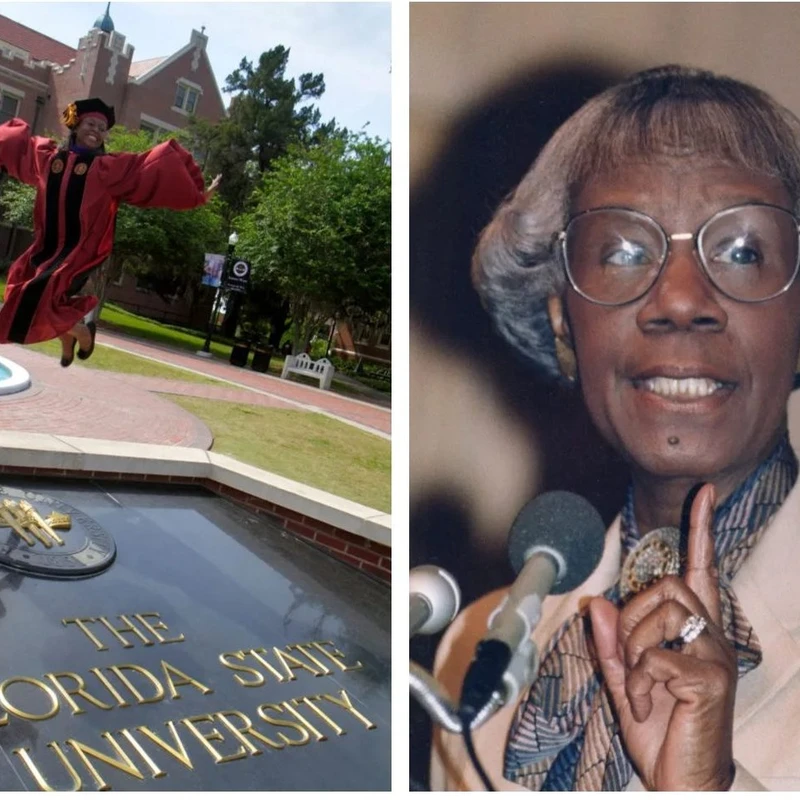
    Silencing History: Trayvon Martin, BLM, and Shirley Chisholm

    Key historical events and movements that were previously discussed have been erased. References to the killing of Trayvon Martin and the Black Lives Matter movement are gone. Perhaps most notably, Shirley Chisholm, the first Black woman elected to Congress, has been relegated to a single footnote in the revised text.

    Civil rights attorney Ben Crump voiced his outrage on Instagram, calling the reduction of Chisholm, a trailblazer for Black women, to a mere footnote a significant disservice. The edits have led to widespread criticism from educators, civil rights advocates, and parents concerned about the historical accuracy and completeness of education in Florida.

    Concerns Over Ideological Control

    Professors argue that this textbook revision serves the ideological agenda of the Florida state government over the intellectual contributions of sociologists. Evan Lauteria, an assistant instructional professor at UF, stated that this approach “effectively erases our field’s capacity to address social problems and sets a dangerous precedent for the state to impose its own definition of science.”

    The removal of these topics and figures raises concerns about how students will gain a comprehensive understanding of American history, race, and social justice. Many are questioning the implications of such censorship on higher education and the future of academic freedom in the state.

    What are your thoughts on these textbook revisions in Florida? Do you believe this approach to education is appropriate? Share your views in the comments below!

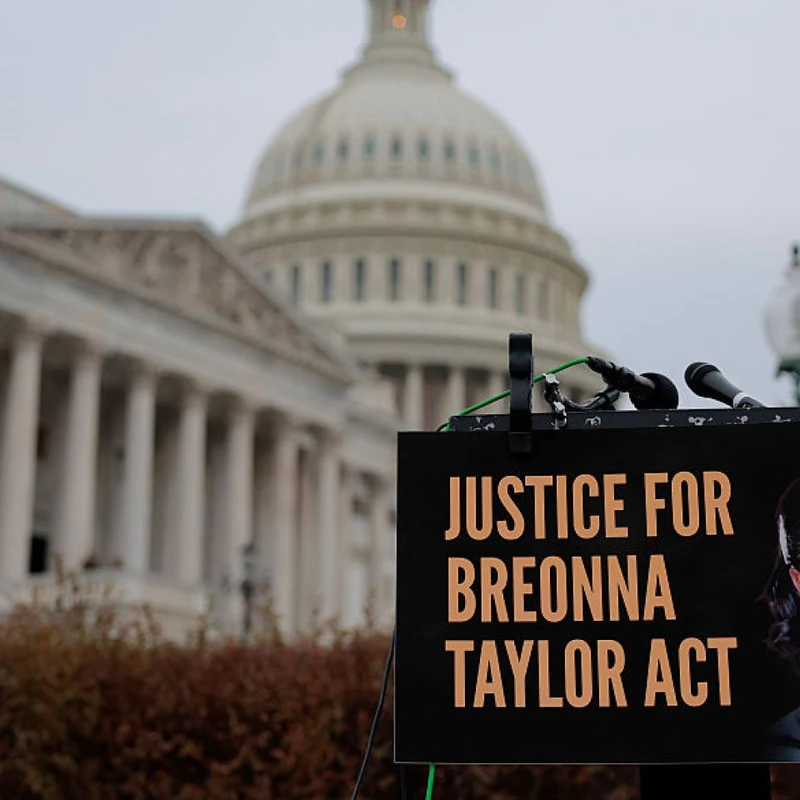
  • DOJ Seeks to Drop Charges in Breonna Taylor Warrant Case

    In a significant development concerning the Breonna Taylor case, federal prosecutors have officially requested to drop charges against two former Louisville police officers. The officers, ex-Detective Joshua Jaynes and former Sgt. Kyle Meany, were accused of falsifying the warrant that led to the 2020 raid on Taylor’s apartment. This move, filed on Friday, March 21, 2026, states that dismissing the case is “in the interest of justice.”

    Charges Weakened by Prior Rulings

    This latest filing follows a series of court decisions that had already weakened the case against Jaynes and Meany. Judges had previously reduced the felony charges against both officers to misdemeanors on two separate occasions. The reasoning cited was a lack of direct evidence linking the alleged false information in the warrant to Breonna Taylor’s tragic death.

    Following the second reduction of charges, prosecutors had indicated their intention to drop the case entirely. Attorneys for both Jaynes and Meany expressed relief and gratitude for the government’s filing, with Jaynes’s attorney calling it an “elated” development and Meany’s attorney stating he looks forward to moving past the matter.

    The Raid and Its Aftermath

    Breonna Taylor, a 26-year-old EMT, was killed on March 13, 2020, when police executed a no-knock warrant at her apartment. Officers were searching for a former boyfriend who was not present. Taylor’s current boyfriend fired at the officers, believing it was a home invasion, and police returned fire, tragically killing Taylor. Authorities later reported finding no drugs or cash in the apartment.

    The city of Louisville eventually reached a $12 million wrongful death settlement with Taylor’s family. Importantly, no officers were directly charged with causing Taylor’s death, as prosecutors determined those who fired their weapons were justified in returning fire. The only officer to face prison time, Brett Hankison, received a sentence for firing shots into Taylor’s apartment windows, though none hit anyone. The Justice Department is also seeking to release Hankison pending his appeal.

    Pushback and Continued Outrage

    The decision to drop charges has been met with strong criticism. Breonna Taylor’s mother, Tamika Palmer, expressed her deep disappointment on Facebook, calling the notification call “utterly disrespectful” and stating that the authorities had not served her or Breonna well. Democratic Rep. Morgan McGarvey also condemned the move, stating, “This is not justice.”

    Civil rights attorneys Ben Crump and Lonita Baker highlighted the broader implications, noting that Taylor “always deserved more than the scraps of justice she got.” Taylor’s killing became a pivotal moment in the 2020 protests against police brutality, and her case continues to symbolize the fight for accountability, particularly concerning Black women and police violence. The potential dismissal of these charges ensures the conversation around systemic injustice is far from over.

    What are your thoughts on the DOJ’s request to drop charges in the Breonna Taylor warrant case? Share your perspective in the comments below.
  • Officers Face $15 Fine After Man Paralyzed in Van

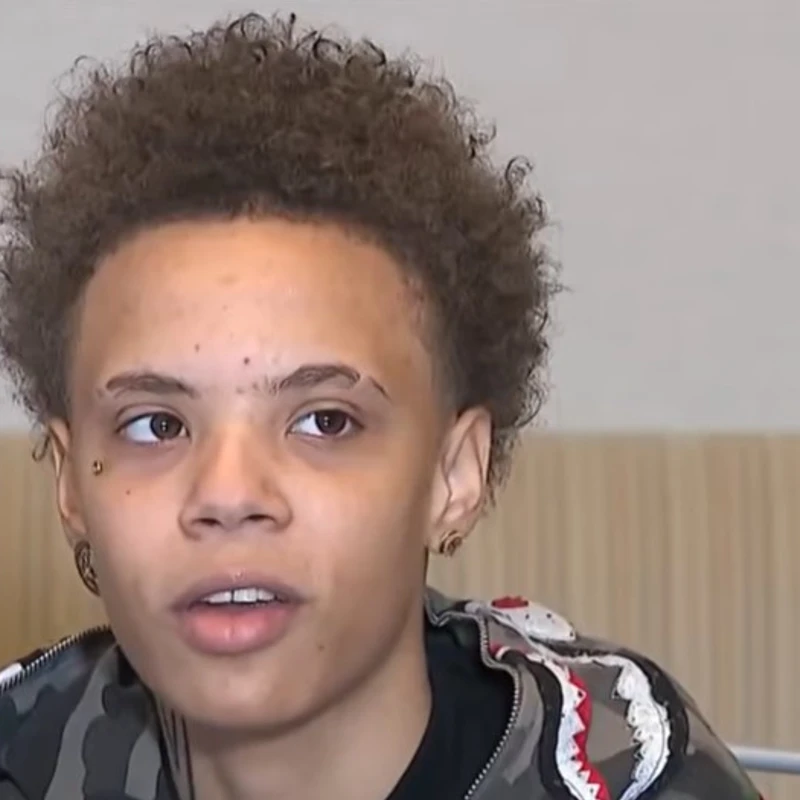
    A case that ignited national outrage for its disturbing parallels to the police “rough ride” that led to Freddie Gray’s death has concluded with a controversial outcome. Two New Haven officers involved in the arrest that left 36-year-old Randy Cox permanently paralyzed from the neck down have avoided jail time, receiving suspended sentences and minimal court costs.

    The Incident That Changed Randy Cox’s Life

    The incident occurred in 2022 when officers handcuffed Cox, placed him unrestrained in the back of a police transport van, and then stopped suddenly. The abrupt motion threw Cox headfirst into a metal divider, resulting in his paralysis. Despite repeatedly pleading for help and stating he couldn’t move, officers dismissed his pleas, accusing him of being drunk. Instead of calling an ambulance, the van driver, Officer Oscar Diaz, drove past two hospitals before meeting paramedics at the station. Investigators later found Diaz was speeding at the time of the incident.

    A Landmark Civil Settlement, Minimal Criminal Penalties

    While the case resulted in a staggering $45 million civil settlement for Cox – the largest police misconduct payout in U.S. history – the criminal penalties for the officers involved have drawn significant criticism. Officers Ronald Pressley and Betsy Segui accepted plea deals resulting in suspended six-month sentences and a mere $15 in court costs. Three other officers, including Diaz, rejected their plea offers and are awaiting trial on misdemeanor charges.

    Questions of Accountability and ‘Deliberate Indifference’

    Attorneys for Randy Cox, including Ben Crump, have strongly criticized the lenient charges, calling them a “slap in the face.” Crump drew parallels to the Freddie Gray case, questioning the officers’ “deliberate indifference” towards Black individuals. “You cannot just have deliberate indifference when it comes to Black people because you think they’re irrelevant… thank God the video caught how you really felt about Randy Cox,” Crump stated.

    The case of Officer Oscar Diaz adds another layer of controversy. Although initially fired, he was reinstated with back pay by a state arbitration board, which determined he wasn’t responsible for Cox’s paralysis. This decision, coupled with his substantial salary, has further fueled public anger. Cox, now 39, remains paralyzed, while the legal process for the remaining officers continues.

    What are your thoughts on the outcome of the criminal case against the officers involved in Randy Cox’s paralysis? Share your views in the comments below.

  • Family Demands Answers in Shanquella Robinson Case

    Three years after Shanquella Robinson’s life was tragically cut short in Cabo San Lucas, Mexico, her family and legal team are intensifying their calls for answers. On the anniversary of her death, attorneys Ben Crump and Sue-Ann Robinson are urging the FBI to release more details about their investigation into this complex, transnational case.

    A Lingering Wait for Justice

    Shanquella, a 25-year-old woman from North Carolina, was on vacation with six companions in October 2022 when she was found unresponsive in their shared rental villa. Her travel companions initially told a doctor that she had consumed too much alcohol. Tragically, she later went into cardiac arrest and was pronounced dead.

    The situation became even more disturbing when video footage leaked online, showing Robinson being physically assaulted by a woman believed to be one of her travel mates. The assault was reportedly recorded by another male companion, who can be heard asking Robinson to fight back. An autopsy later determined that Shanquella died from a severe neck and spinal cord injury.

    Legal Battles and Calls for Intervention

    Mexican prosecutors classified Robinson’s death as femicide, a gender-based homicide, and sought to extradite the woman involved to face charges in Mexico. However, the U.S. government’s cooperation with this extradition process has been a point of contention. Despite pressure from the family and civil rights advocates, federal prosecutors declined to bring charges in April 2023, citing insufficient evidence for a federal prosecution.

    In October 2024, the family filed a wrongful death lawsuit seeking damages for battery, negligence, conspiracy, and emotional distress. A previous $100 million lawsuit against the U.S. Department of State and the FBI was filed by the family’s attorneys but was later dismissed. “We continue to call on the United States to do what is right, for the FBI to release information on this case so that Shanquella’s family might have some sense of closure,” stated Crump and Robinson. They emphasize that “Shanquella’s life mattered, and her legacy will continue to drive the fight for truth, transparency, and justice.”

    What are your thoughts on the ongoing investigation into Shanquella Robinson’s death? Share your perspective in the comments below.
  • Ben Crump Blasts JSO for Excessive Force in Viral Arrest

    Renowned civil rights attorney Ben Crump is speaking out against the Jacksonville Sheriff’s Office (JSO), labeling the recent arrest of Erika McGriff outside her daughter’s school as another instance of “excessive force” and “selective prosecution.” The incident, captured on cell phone video, has sparked outrage and calls for accountability.

    Allegations of Excessive Force and ‘Selective Prosecution’

    Speaking at The Sanctuary at Mt. Calvary Church in Jacksonville, Crump, alongside McGriff, detailed the events of October 7th. “Nobody went toward this officer,” Crump stated, refuting the police narrative. He questioned the application of the law, calling it “arbitrary and capricious” and suggesting it’s used to “criminalize” individuals who expose police misconduct. “If you expose the police brutality, then they will want to criminalize you. That’s what this law is about.”

    McGriff recounted her experience, explaining she was simply inquiring about the proper procedure for picking up her daughter during rainy weather. Her godmother added that the incident has caused significant post-traumatic stress disorder (PTSD) for McGriff and her family, emphasizing that such trauma should not be inflicted by law enforcement.

    Body Cam Footage and Conflicting Accounts

    Body camera footage of the arrest was released on Friday, October 13th. The video shows an officer attempting to escort McGriff to his vehicle, leading to a physical altercation. McGriff can be heard repeatedly stating she “couldn’t breathe” as the officer tried to handcuff her. JSO’s police report claims McGriff assaulted and bit the officer during the struggle.

    McGriff faces charges including battering a law enforcement officer, resisting arrest with violence, and driving with a suspended license. However, Crump and fellow attorney Harry Daniels argue that the officer failed to de-escalate the situation and used excessive force. They contend that the level of force employed—including chokeholds, hair grabbing, punches, and a knee on her neck—is inappropriate for a mother picking up her child.

    Crump stated that such force should be reserved for “armed and dangerous criminals who are a threat to the public and our safety, but not for mothers who are double parked to go pick up their daughter from school so she won’t get rained on.”

    What are your thoughts on the arrest of Erika McGriff and Ben Crump’s statements? Do you believe the police used excessive force? Share your views in the comments below!

  • Lawyers Urge DOJ to Investigate William McNeil Jr. Arrest

    Following the state attorney’s decision not to pursue further action against the Jacksonville Sheriff’s Office deputy involved in the violent arrest of William McNeil Jr., prominent civil rights attorneys Harry Daniels and Ben Crump are taking the case to the federal level. They have formally requested the U.S. Department of Justice (DOJ) to launch an investigation into the incident.

    Calls for Federal Intervention

    The incident, which occurred on February 19, involved Officer Donald Bowers repeatedly punching the 22-year-old Black college student after breaking his car window and dragging him out of his vehicle. The violent encounter was captured on viral video, sparking national outrage. Despite this, the state attorney’s office concluded its review without taking further action against the deputy.

    Attorneys Crump and Daniels have submitted a request to the Assistant Attorney General of the Civil Rights Division, urging the DOJ to investigate whether McNeil’s civil rights were violated under 18 U.S. Code § 242. This federal statute prohibits the deprivation of rights under color of law.

    Critique of the State Attorney’s Report

    In a press release, Crump’s office detailed the extent of McNeil’s injuries, including lacerations, a fractured tooth, and a diagnosed traumatic brain injury, allegedly sustained from multiple blows to the face and body, and forceful slamming of his head on the pavement. The attorneys criticized the State Attorney’s report for attempting to rationalize Officer Bowers’ actions and for overlooking key details.

    Specifically, the lawyers pointed out that Officer Bowers failed to report his initial strike to McNeil’s face and claimed McNeil was attempting to flee, a narrative contradicted by the video evidence. Furthermore, they highlighted the State Attorney’s Office’s decision not to interview McNeil, which they argue is a fundamental prosecutorial oversight.

    Contradictions and Questionable Justifications

    The initial justification for the stop—driving without a seatbelt and headlights—also faces scrutiny. Video footage shows it was daytime, and there were no apparent signs of inclement weather. Regarding the seatbelt claim, Crump and Daniels noted that the video shows McNeil was wearing his seatbelt. The report also mentions McNeil reaching towards his floorboard before officers broke his window, where an unsheathed knife was later found, though no video footage supports this claim.

    It’s not just how violent and brutal these officers were. It’s that they were absolutely unapologetic because they knew no one was going to hold them accountable. — Harry Daniels

    Daniels stated, “It’s clear that the State Attorney’s Office refuses to do anything about it. So we’re calling on the Department of Justice.” Crump echoed this sentiment, calling the State Attorney’s Office’s failure to hold officers accountable “as appalling as the beating itself.”

    Skepticism Regarding DOJ Response

    However, the article expresses skepticism about the likelihood of a thorough DOJ investigation under the current administration, suggesting that civil rights cases must align with the political agenda. The piece references the DOJ’s recent decisions to end police-accountability agreements with Minneapolis and Louisville, which stemmed from investigations following the deaths of Breonna Taylor and George Floyd.

    What are your thoughts on the request for a DOJ investigation into William McNeil Jr.’s arrest? Share your opinions in the comments below.