Tag: BEGLobal

  • UK Police Strip-Search Black Youth 8x More Than White Peers

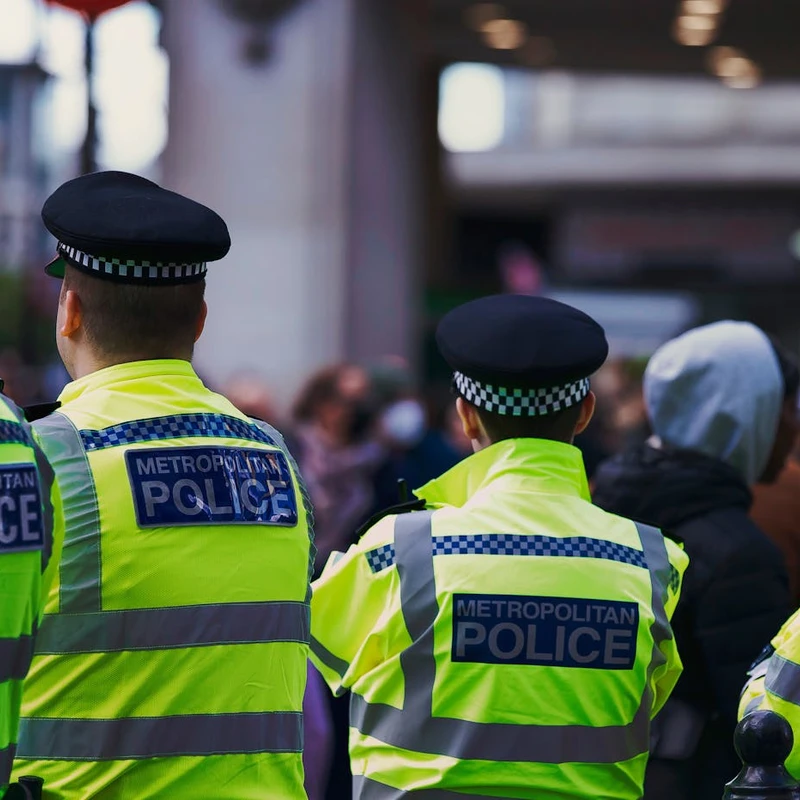
    A deeply concerning report from the Children’s Commissioner in the UK has brought to light a stark racial disparity in how police conduct strip searches on young people. The findings indicate that Black children are eight times more likely to be subjected to these invasive procedures compared to their white peers.

    This new data is prompting urgent calls for policy reform from state leadership, aiming to address what appears to be systemic bias within law enforcement practices. While the overall number of strip searches on children has decreased, the disproportionate targeting of Black youth remains a critical issue.

    Staggering Statistics on Disproportionate Searches

    The report, spearheaded by Dame Rachel de Souza, revealed that despite Black children making up only 6% of the UK’s 10-17 year old population (based on the 2021 census), they accounted for a staggering 35% of all children subjected to strip searches. This means over a third of these searches involved Black children.

    Furthermore, the report highlighted that Black children were also five times more likely to experience the use of force during these encounters. In some disturbing instances, children as young as 11 were subjected to these searches, often conducted in public settings without an adult present, a practice condemned by the Commissioner.

    Perceptions and Use of Force

    Dame Rachel de Souza pointed out a troubling difference in the justifications provided for using force. While white children were more likely to be described as having a mental health need, the reason cited for using force on Black children was often simply their size or build. “We cannot accept that black children are subjected to the use of force because of the way they are perceived,” she stated emphatically.

    This suggests that racial bias may be influencing officers’ perceptions and actions during stop-and-search encounters, leading to more aggressive treatment of Black youth. The findings underscore a deep-seated issue that requires immediate attention and systemic change.

    Police Response and Ongoing Concerns

    In response to the report and ongoing public pressure, the National Police Chiefs’ Council (NPCC) has announced updates to its stop-and-search procedures, promising a more “child-centered approach.” These changes follow a previous report on child strip searches from 2022.

    Deputy Chief Constable Andy Mariner assured that new policies are being implemented to combat the disproportionate use of stop and search, acknowledging that such practices can erode trust between the police and communities. However, high-profile incidents, like the forceful search of a Black teenage girl in 2022, continue to fuel public outcry and demands for greater police accountability.

    What are your thoughts on these findings? How can the UK effectively address racial disparities in policing? Share your views in the comments below.

  • Madrid Tours Uncover Hidden Black History

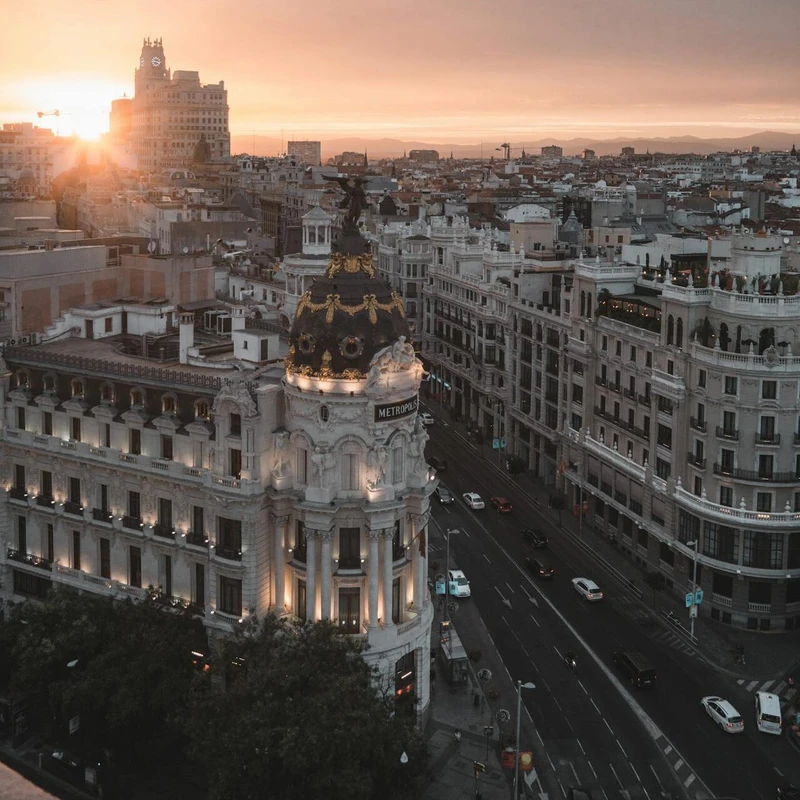
    Think you know European history? Think again! Madrid is now offering walking tours that delve into the often-overlooked Black history within Spain. These tours are shining a much-needed spotlight on the country’s complex past, moving beyond the typical narratives of European achievement.

    Unearthing a Silenced History

    These tours bypass the usual tourist attractions like popular architecture and art to focus on a darker, yet crucial, aspect of history: Spain’s significant role in the Transatlantic slave trade. Guides are dedicated to ensuring the legacy of those impacted by this brutal period remains alive, a history that is rarely taught in Spanish classrooms.

    This historical erasure has left many Black Spaniards feeling disconnected from their country’s narrative. However, a growing movement is working to change that, with guides like Kwame Ondo leading the charge. Originally from Equatorial Guinea, Ondo now operates Afroiberica Tours, aiming to unearth this diverse underbelly of Spain.

    Connecting the Diaspora

    Ondo specifically hopes that Black Americans visiting Spain will discover this vital connection to the African Diaspora that mainstream education often overlooks. It’s about finding representation and understanding a shared heritage that stretches across continents.

    Beyond educational tours like Ondo’s, activist collectives like “Black Madrid” are also hosting tours with a more provocative approach. They aim to hold Spain accountable for its historical use of slave labor in its development and highlight the undeniable impact Black people have had on societal advancement. As co-coordinator Nieves Cisneros explains, “We can’t understand the industrial development in Catalonia or the Basque Country without knowing that it comes from the slave trade.”

    A Movement for Recognition

    While Ondo’s tours focus on education and the activist tours push for accountability, both are part of a larger, growing movement. This movement is dedicated to bringing African European histories out of the shadows and into the light, ensuring a more complete and truthful understanding of the past for everyone.

    Have you ever explored the history of the African Diaspora in Europe? Share your experiences or thoughts on these Madrid tours in the comments below!

  • Mali TikToker Allegedly Kidnapped and Killed

    A disturbing incident has emerged from Mali, where a popular TikTok content creator was allegedly kidnapped and killed by armed men in a public square. The brutal act has sent shockwaves and sparked international concern over the ongoing instability and violence in the West African nation.

    A Young Life Tragically Cut Short

    Reports indicate that Mariame Cissé, known for her engaging content on TikTok, was abducted by unidentified men. Cissé, who appeared to be in her 20s, had occasionally posted videos of herself in army fatigues, which some speculate may have been a reason for her targeting. Her growing online presence might have also drawn unwanted attention.

    The Associated Press confirmed her death with the mayor of Timbuktu, a significant city in Mali. The mayor described the event as a ‘public horror,’ explaining that the armed men allegedly snatched Cissé from a market and returned her to Independence Square in Tonka the following day, where she was fatally shot in front of a crowd.

    Alleged Motives and Wider Context

    While the militia group Jama’at Nusrat ul-Islam wa al-Muslimin (JNIM), an al-Qaida affiliate reportedly active in the region, has not claimed responsibility, Cissé’s alleged support for Mali’s military has been cited as a potential motive. This alleged allegiance, combined with the public nature of the execution, has drawn significant international attention.

    Mali has been grappling with internal militia conflicts and political instability for over a decade, marked by several military coups. This volatile environment poses serious threats to the safety and security of civilians, and Cissé’s tragic death brings renewed focus to these critical conditions.

    International Concern Grows

    The public execution of a civilian, particularly a young content creator, highlights the severe human rights concerns in Mali. As the international community watches, Cissé’s death serves as a stark reminder of the dangers faced by individuals in regions experiencing prolonged conflict and political upheaval.

    What are your thoughts on the situation in Mali and the violence against civilians? Share your concerns in the comments below.

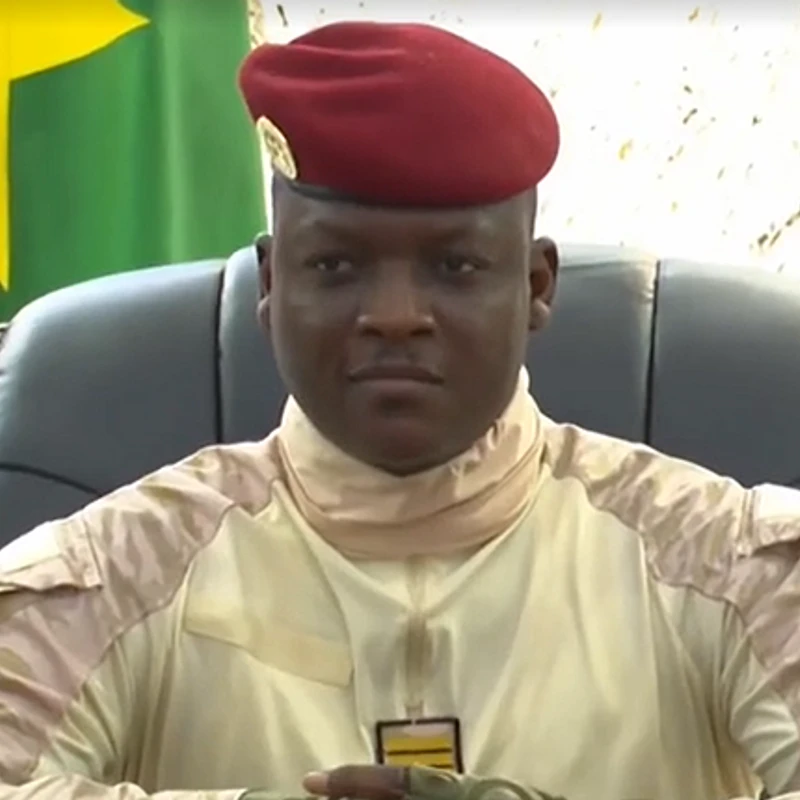
  • African Nations Ink $4B Military Deals with Russia

    A significant geopolitical shift appears to be underway in Africa, with several nations forging substantial military partnerships with Russia. These multi-billion dollar deals are not only bolstering the military capabilities of these countries but also potentially diminishing the long-standing influence of Western powers on the continent.

    Russia’s Growing Footprint in the Sahel

    Russia’s presence is particularly noticeable in Africa’s Sahel region, where countries like Burkina Faso, Mali, and Niger are reportedly welcoming closer ties. The latest development involves military-industrial contracts, with Russian state-owned arms exporter Rosoboronexport confirming that 46 African countries have signed such agreements.

    Aleksandr Mikheev, CEO of Rosoboronexport, highlighted the broad reach of these partnerships, stating, ‘We work with Rwanda, Uganda, Congo, the DRC, Nigeria, and Angola, which ensures us a significant geographical presence.’ This expansion signifies Russia’s increasing strategic importance in various African nations.

    Shifting Away from Colonial Ties

    This growing relationship with Russia appears to be part of a broader trend among African nations to distance themselves from former colonial powers. Countries are actively dismantling Western influence, including reinstating indigenous languages as national ones, adopting traditional dress in official settings like courtrooms, and removing French military bases.

    The import of Russian arms is driven by a desire for advanced military equipment, coupled with access to maintenance services and technologies. Russia’s engagement also extends to training programs for civilians, further integrating the nation into African societies.

    International Implications

    Russia’s prominent participation in events like the Africa Aerospace and Defence (AAD) exhibition, where they showcased a range of military hardware, underscores their commitment to the African market. While the specific intentions behind these military advancements remain unknown, the increased military prowess of these nations could spark international discussion and concern.

    This development occurs as Western powers, including the United States, adopt stricter foreign policies. The US’s perceived isolation under the Trump administration, coupled with threats of military action in regions like Nigeria, appears to create an opening for Russia to capitalize on these shifting geopolitical dynamics.

    What are your thoughts on Russia’s growing military influence in Africa? Share your perspective in the comments below!