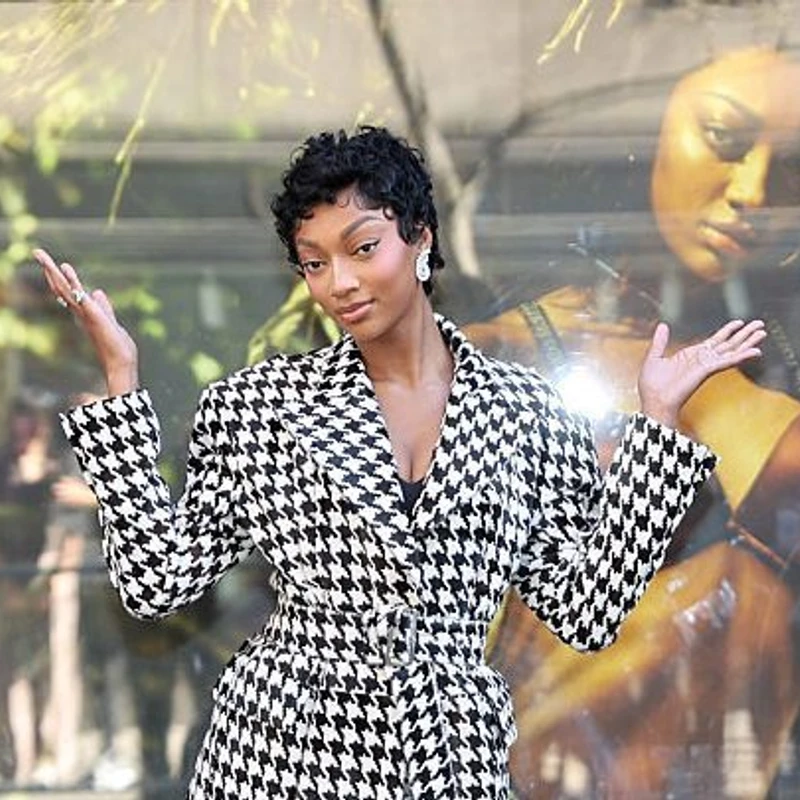
Angel Reese’s departure from the Chicago Sky to join the Atlanta Dream is more than just a player transaction; it’s a moment that’s amplifying a critical conversation about the WNBA’s challenges with inclusivity and the racial dynamics at play. While Reese’s move is a win for her career and the Dream, it also shines a spotlight on the uncomfortable truths facing the league.
A Star Player’s Unhappiness and a New Beginning
Reese, affectionately known as the “Bayou Barbie,” is a transcendent talent, a cultural force, and one of the most magnetic players in the WNBA. Her on-court achievements, like her record-setting double-double streak, are matched by her off-court success, including sold-out shoe lines and a popular podcast. However, her unhappiness with the Chicago Sky was palpable. Reports indicate the team fired a coach Reese trusted and failed to build a competitive roster around her, even suspending her for publicly advocating for better support.
Her move to the Atlanta Dream, a team with a strong playoff seed and a growing fanbase, is seen as a mutually beneficial step. The Dream’s expansion into a larger arena signals their ambition, and Reese’s star power is expected to elevate the team further. This fresh start offers Reese the opportunity to thrive in an environment that appears more supportive of her growth.
The Shadow of Racial Tensions
However, Reese’s exit also brings to the forefront the racial tensions that have surfaced in the WNBA, particularly surrounding the Indiana Fever and their star player, Caitlin Clark. The influx of new fans drawn to Clark has, for some, created an environment that alienates long-time Black fans and players. Reports of racial animus at Fever games and from some players have surfaced, painting a troubling picture.
Incidents like the “tres leches” shirt worn by Fever players, which carries racial undertones within white supremacist subcultures, and dismissive interactions with Black staff highlight a pattern of racial insensitivity. While intent may be debated, the impact is isolating and exclusionary, creating a difficult environment for Black women in the league. WNBA Commissioner Cathy Engelbert’s initial downplaying of rivalries as “Bird/Magic moments” drew criticism, forcing an apology for not clearly condemning hateful speech.
A Call for Allyship and Healthy Rivalries
The narrative that Caitlin Clark alone is responsible for the WNBA’s increased popularity is challenged by the success of leagues like Unrivaled, founded by WNBA stars Breanna Stewart and Napheesa Collier. Unrivaled achieved significant funding and sold-out arenas independently, demonstrating the league’s existing strength and the players’ collective leverage. This success played a role in the WNBA’s new collective bargaining agreement, leading to higher player salaries.
In contrast to the controversies surrounding the Fever, players like Paige Bueckers have been lauded for their allyship. Bueckers, who is only slightly older than Clark, publicly acknowledged the media coverage disparities and committed to supporting Black women in basketball, setting a precedent for how white athletes can navigate a predominantly Black sport with respect and solidarity.
The WNBA thrives on rivalries, but these should be healthy competitions between opposing teams, not fueled by racism or exclusion. The league’s leadership must actively condemn hateful speech and ensure that all players, especially Black women who have historically faced discrimination and the risk of being labeled “difficult” for speaking out, feel safe and valued. Angel Reese’s move, while a personal triumph, serves as a potent reminder of the work still needed to ensure the WNBA is a truly inclusive and equitable space for everyone.
What are your thoughts on the racial dynamics within the WNBA? How can the league better foster inclusivity and support all its players? Share your views in the comments below!