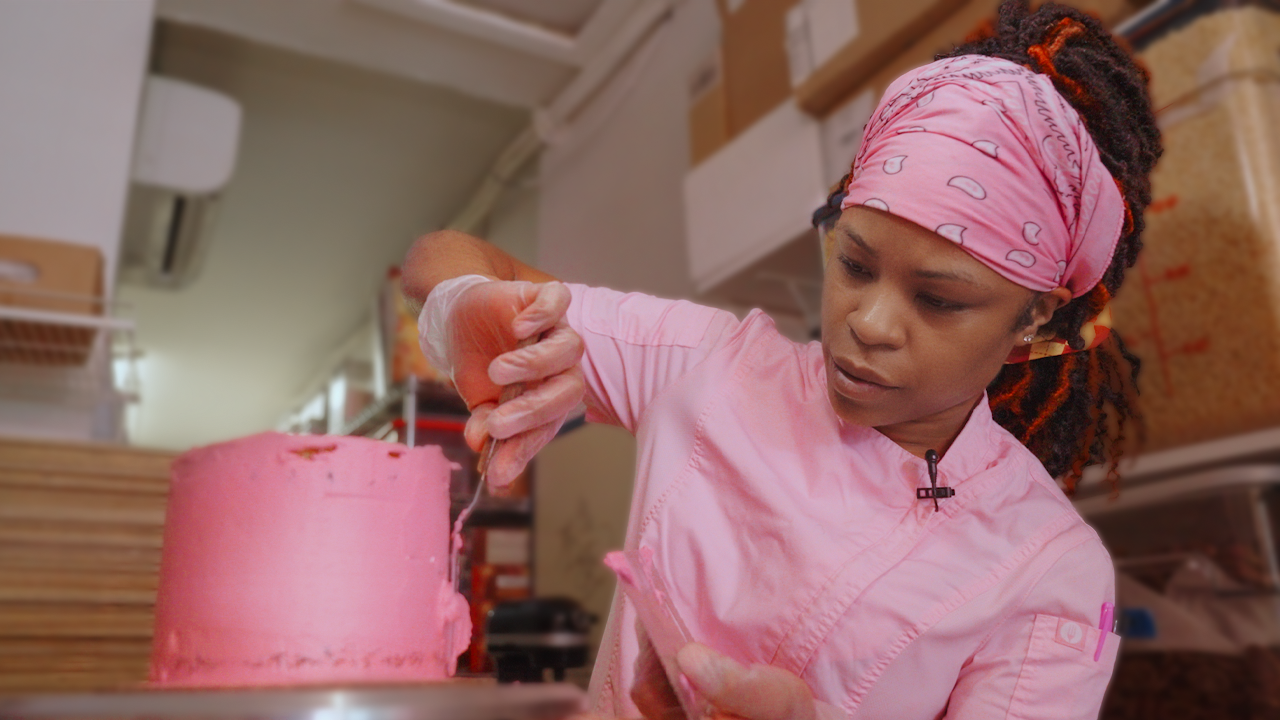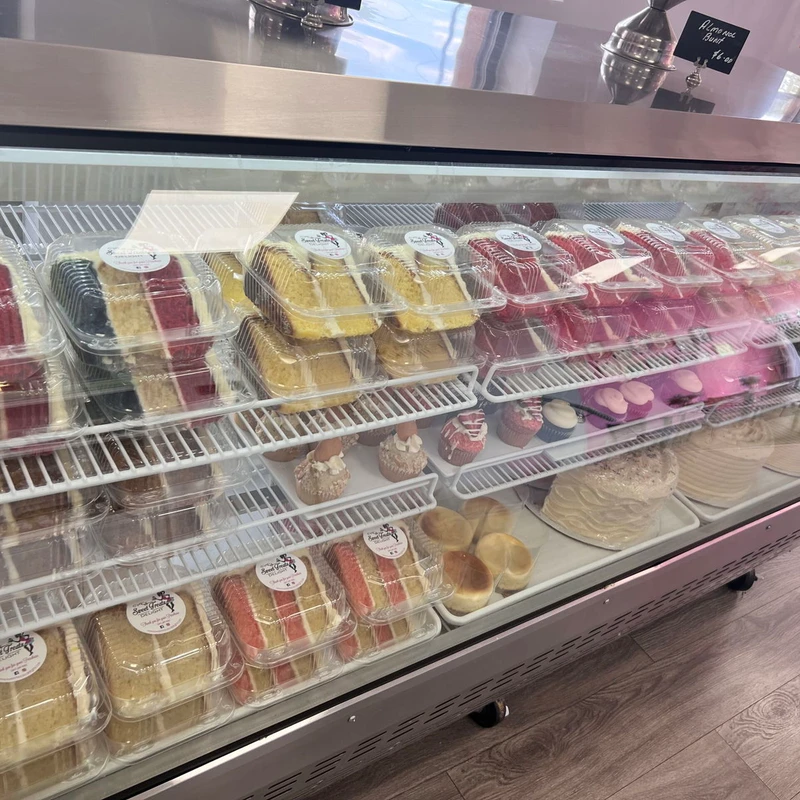
Going viral can be a dream come true for a small business owner, but for Jatee Kearsley, the owner of Brooklyn’s Je T’aime Patisserie, it was a double-edged sword. While the viral moment saved her business, it came at a significant cost to her mental health, leading her to admit she never wants to experience that level of online attention again.
From Financial Struggle to Viral Sensation
Kearsley, whose bakery offers a ‘Black girl twist’ on French pastries in Brooklyn’s Bed-Stuy neighborhood, was facing dire financial straits in April 2024, with only $2,000 left in her bank account. Her fortunes changed dramatically after being featured on the social media platform Righteous Eats. The post garnered over 600,000 views and likes, instantly transforming her business’s trajectory.
‘Going viral was a blessing. I will never pretend it wasn’t,’ Kearsley shared. ‘It changed the trajectory of my business.’ However, she quickly added, ‘I don’t think people talk enough about what going viral does to your mental health.’
The Mental Toll of Online Fame
Kearsley described the intense pressure and scrutiny that came with sudden fame. The increased demand meant her small team of four had to ramp up production significantly, going from making about 200 croissants a week to roughly 200 every other day. Beyond the workload, she also faced demanding customer service expectations and what she described as ‘judgmental tones’ from some patrons.
She highlighted the dark side of social media, where users can hide behind screens to ‘troll’ or harass others, leading to cyberbullying with serious mental health consequences like depression and anxiety. ‘For me, mentally, I don’t want to go viral again. That might sound ungrateful, but it’s honest,’ she admitted.
Community Support and Business Values
Despite the challenges, Kearsley remains committed to her community and her values. She intentionally opened her bakery in Bed-Stuy, rejecting suggestions to move to Manhattan, because she wanted to serve a neighborhood where people might not have easy access to fresh croissants or quiches. Her bakery notably accepts EBT, and during the 2025 government shutdown, she offered free breakfast to EBT cardholders, understanding the struggles of working families.
Financially, EBT transactions represent a small portion of her revenue, but Kearsley emphasizes that the support and gratitude from those customers mean more to her than the monetary value. ‘I opened in Bed-Stuy on purpose… I wanted someone who has never tried a fresh croissant or a quiche to walk into my shop and feel like they deserve it,’ she stated, reinforcing that her business is ‘never about the money.’
What are your thoughts on the mental health impact of going viral for small businesses? Have you experienced similar pressures? Share your insights in the comments below!