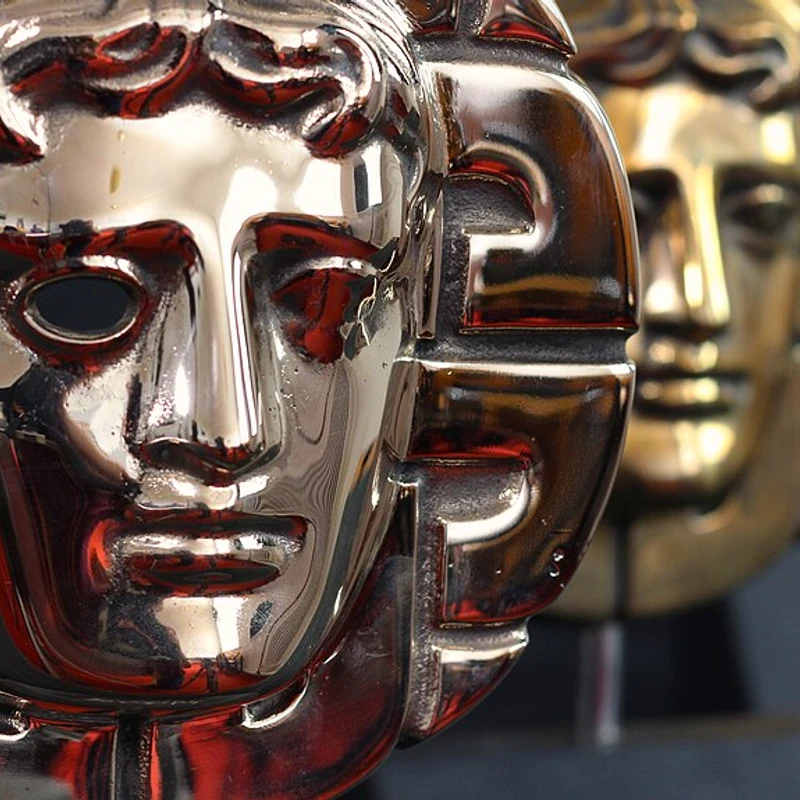
Tag: BAFTA

  • BAFTA Admits Failures in N-Word Scandal

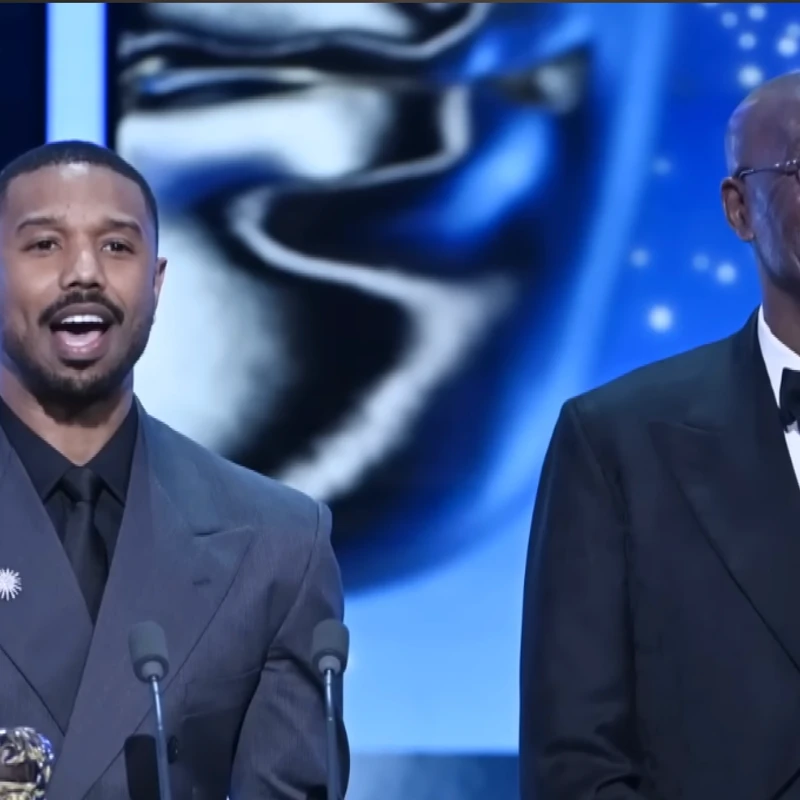
    The British Academy of Film and Television Arts (BAFTA) has officially acknowledged that it ‘fell short’ in its handling of a deeply upsetting incident at the 2026 BAFTA Awards. The controversy involved an involuntary racial slur being shouted during a live segment featuring actors Michael B. Jordan and Delroy Lindo.

    An Independent Review’s Findings

    Following a formal review commissioned by the BAFTA board and conducted by RISE Associates, it was concluded that BAFTA failed in its duty of care to guests, members, and viewers. The incident, which occurred in February, involved John Davidson, an executive producer, involuntarily shouting the N-word while Jordan and Lindo were on stage. While the review found no evidence of malicious intent, it highlighted that BAFTA did not ‘adequately anticipate or fully prepare for the impact of such an incident in a live event environment.’

    The organization stated that its duty of care ‘fell short’ and extended personal apologies to all parties affected. The report identified ‘a number of structural weaknesses’ in the planning and crisis management surrounding the awards show. BAFTA has accepted these conclusions in full.

    Apologies and Promises of Reform

    In a statement, BAFTA issued an unreserved apology to the Black community for the pain and trauma associated with the racist language used. They also apologized to the disability community, particularly those with Tourette Syndrome, who faced unfair judgment and stigma as a result of the incident. The organization expressed regret to all attendees and viewers who were affected.

    To prevent future occurrences, BAFTA is implementing changes, including stronger escalation protocols, improved communication, and enhanced planning for access, inclusion, and support. The BBC, which broadcast the event, has also pledged reforms to its event planning, live production, and content takedown processes.

    Lingering Impact and Support

    The controversy had a lasting impact. John Davidson expressed being ‘deeply mortified’ by any suggestion his tics were intentional. Delroy Lindo noted that neither he nor Michael B. Jordan had been contacted by BAFTA following the incident. The issue also gained attention at the NAACP Image Awards, where many voiced their support for the actors.

    BAFTA’s acknowledgment of its shortcomings is a step towards accountability. What are your thoughts on how organizations should handle such sensitive incidents in live events? Share your views in the comments below!
  • BAFTA N-Word Incident: Structural Weakness, Not Racism

    Remember that shocking moment at the BAFTA Awards back in February 2026 when the N-word was shouted during a presentation? It definitely turned a celebratory night into something much more somber. Well, BAFTA has now released the findings from an independent investigation into the incident, and it turns out the issue wasn’t what many initially suspected.

    Instead of finding evidence of institutional racism, the review pointed to significant “structural weaknesses” in how the event was planned and managed. This has led BAFTA to issue apologies to those directly impacted, acknowledging the real pain and distress caused by the incident.

    What Exactly Happened?

    The incident occurred on February 22, 2026, while actors Michael B. Jordan and Delroy Lindo were on stage. A shout from the audience, specifically the N-word, interrupted their presentation. It was later identified that the shout came from John Davidson, a Tourette activist attending the event for a film inspired by his experiences.

    It was explained that Davidson’s Tourette’s syndrome caused him to involuntarily shout out slurs, including the N-word, along with other curse words throughout the evening. This explanation, however, didn’t stop criticism from flowing towards BAFTA and the BBC for allowing such an incident to occur and be broadcast.

    The Independent Review’s Findings

    The independent review, conducted by RISE Associates, meticulously examined the events. They found no “evidence of malicious intent” from anyone involved in organizing or executing the event. However, the report highlighted critical flaws in BAFTA’s operational setup.

    Specifically, the review cited weaknesses in BAFTA’s planning, its procedures for handling escalating situations, and its crisis coordination. The organization apparently underestimated the risks associated with a live broadcast and failed to act on early warning signs.

    Why It’s Not Institutional Racism

    The review team was careful to distinguish between the incident’s cause and institutional racism. They explained that institutional racism involves deeply embedded racial bias within systems, policies, and culture, leading to discriminatory outcomes regardless of individual intent.

    The evidence, according to the review, didn’t support this conclusion for the BAFTA incident. Instead, it suggested that BAFTA’s planning and risk management systems simply hadn’t evolved to keep pace with its stated diversity goals. It was a failure in process, not prejudice baked into the system.

    BAFTA’s Response and Apologies

    Following the review’s conclusions, BAFTA sent an email to its members on April 10, 2026, offering apologies. They specifically addressed the Black community, recognizing the “real pain, brutality, and trauma” associated with the racist language used.

    The organization also apologized to the disability community, particularly those with Tourette Syndrome, who faced unfair judgment and stigma due to the incident. BAFTA stated that what should have been a moment of celebration was overshadowed and that they had reached out to everyone directly affected.

    What are your thoughts on the findings of the BAFTA investigation? Do you think ‘structural weaknesses’ is an adequate explanation? Share your perspective in the comments below!

  • BAFTA Finds No Bias in N-Word Incident

    A controversial moment at the 2026 BAFTA Film Awards, where the N-word was inadvertently uttered on stage, has been investigated. An independent report has concluded that the incident stemmed from organizational shortcomings rather than any malicious intent or institutional bias.

    Report Highlights ‘Structural Weaknesses’

    Released over a month after the ceremony, the findings point to significant issues within BAFTA’s planning, crisis coordination, and escalation procedures. The report emphasizes that there was no evidence of “malicious intent” or “institutional racism” behind the on-stage disruption.

    The incident occurred on February 22nd during the broadcast when Tourette syndrome advocate John Davidson involuntarily exclaimed the racial slur while actors Michael B. Jordan and Delroy Lindo were presenting. This moment quickly overshadowed the awards, drawing criticism from many viewers and attendees.

    BAFTA’s Response and Apology

    BAFTA’s board acknowledged that the organization did not meet its responsibilities during the event. They stated, “The review is clear that while this was not a failure of intent, BAFTA’s planning and processes have not kept pace with its diversity and inclusion goals.” The organization admitted it failed to adequately prepare for such an incident in a live broadcast environment, leading to a lapse in its “duty of care.”

    A sincere apology was issued to Black audiences for the pain and trauma caused by the racist language, as well as to individuals with Tourette syndrome who may have faced unfair judgment. BAFTA recognized that the celebratory nature of the event was diminished.

    Moving Forward with Reforms

    In response to the review, BAFTA is implementing several improvements. These include enhancing communication protocols, refining escalation systems, and adopting a more robust approach to accessibility and inclusion. The goal is to better anticipate risks and ensure the experiences of all participants are considered during live events.

    The independent review, conducted by RISE Associates, described the situation as a complex intersection of disability, live broadcast risks, and the historical context of language. While not finding deliberate wrongdoing, the report stressed that early warning signs were missed and leadership lacked clarity in responding effectively.

    The BBC also conducted its own review, acknowledging a breach of editorial standards but stating the error was unintentional due to confusion among editors. Ultimately, BAFTA’s report concluded that outdated systems, not systemic bias, were the root cause, suggesting that labeling the event as institutional racism would be inaccurate.

    What are your thoughts on BAFTA’s findings and their planned reforms? Share your views in the comments below.