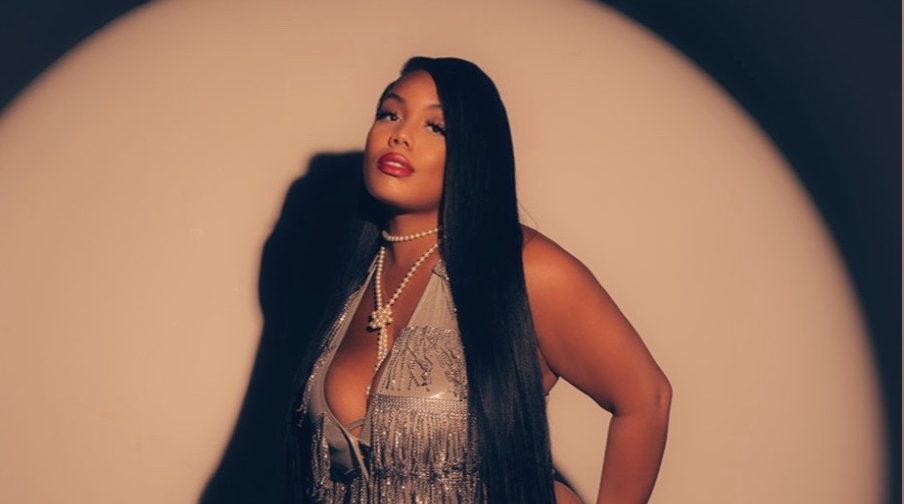
DeWanda Wise, celebrated for her captivating screen presence and ability to imbue characters with genuine authenticity, is taking on a deeply relatable role in the new film ‘Love, Brooklyn.’ Premiering at the Sundance Film Festival, the movie features Wise as Nicole, a woman navigating the complex landscape of romance, friendship, and creative aspirations in a city constantly in flux. Directed by Rachael Abigail Holder and featuring a stellar cast including André Holland, Nicole Beharie, and Roy Wood Jr., the film promises a nuanced portrayal of modern connection.
A Grounded Portrayal of Modern Love
Unlike typical romantic narratives, ‘Love, Brooklyn’ eschews glossy idealizations for emotional honesty and the realities of contemporary relationships. Wise’s portrayal of Nicole marks an evolution in her career, moving beyond glamorous or larger-than-life personas to embody a character who is unfiltered, emotionally open, and deeply connected to her environment. This grounded approach is resonating with audiences seeking relatable depictions of relationships.
At its core, the film explores modern dating within the context of a shifting cultural landscape. It delves into the balance between vulnerability and strength, illustrating how relationships adapt in an era marked by rapid change, social divisions, and pervasive digital culture. Rather than relying on contrived conflicts, ‘Love, Brooklyn’ emphasizes the power of direct and honest communication, mirroring contemporary discussions about transparency in relationships, especially within communities facing societal pressures.
Brooklyn: More Than Just a Setting
The film masterfully transforms Brooklyn itself into a character, using the borough’s dualities—its cultural richness and its ongoing transformation due to gentrification—as a backdrop for the love story. Wise, who has personal experience living in Brooklyn’s Bedford-Stuyvesant neighborhood, draws on this authenticity to inform her portrayal of Nicole. The film subtly touches upon the frustrations of residents who feel their cultural contributions are celebrated while they are increasingly priced out of their own communities.
Holder’s decision to set the story in Brooklyn highlights how love stories are intrinsically shaped by their environment. The evolving streets, changing demographics, and resilience of the community become inseparable from the characters’ struggles and triumphs, suggesting that personal narratives unfold within a larger social and cultural context.
Athletes and Artists as Cultural Architects
Wise’s performance resonates with a broader trend of Black entertainers expanding their cultural influence beyond their initial platforms. Much like athletes such as Serena and Venus Williams who have built legacies beyond the tennis court, performers like Wise are redefining how stories of love and community are presented on screen. Her roles often explore the complexities of modern womanhood and Black identity, and ‘Love, Brooklyn’ continues this tradition by blending dramatic range with grounded realism.
The film’s debut at Sundance underscores the role of festivals in nurturing projects that challenge traditional Hollywood molds. By premiering ‘Love, Brooklyn’ in such a venue, the filmmakers positioned it within a global conversation about the future of storytelling, representation, and cultural authenticity.
Authenticity and Modern Storytelling
A key strength of ‘Love, Brooklyn’ is its unwavering commitment to authenticity. Nicole is portrayed not as a flawless heroine or a stereotype, but as a real woman navigating her inner life and external challenges with honesty and vulnerability. This approach aligns with a growing audience preference for raw, relatable depictions over polished facades, reflecting a broader movement in contemporary cinema.
The film’s focus on characters who communicate openly, rather than relying on manufactured misunderstandings, adds to its modern sensibility. It suggests that genuine intimacy in today’s relationships is built on transparency, even when those conversations are difficult. This commitment to realism, combined with Wise’s powerful performance, makes ‘Love, Brooklyn’ a significant contribution to contemporary storytelling.
What do you think about the film’s focus on authenticity in relationships? Have you seen DeWanda Wise’s performance in ‘Love, Brooklyn’? Share your thoughts in the comments below!