Tag: Anti-DEI

  • IBM Settles $17M Anti-DEI Case With Trump Admin

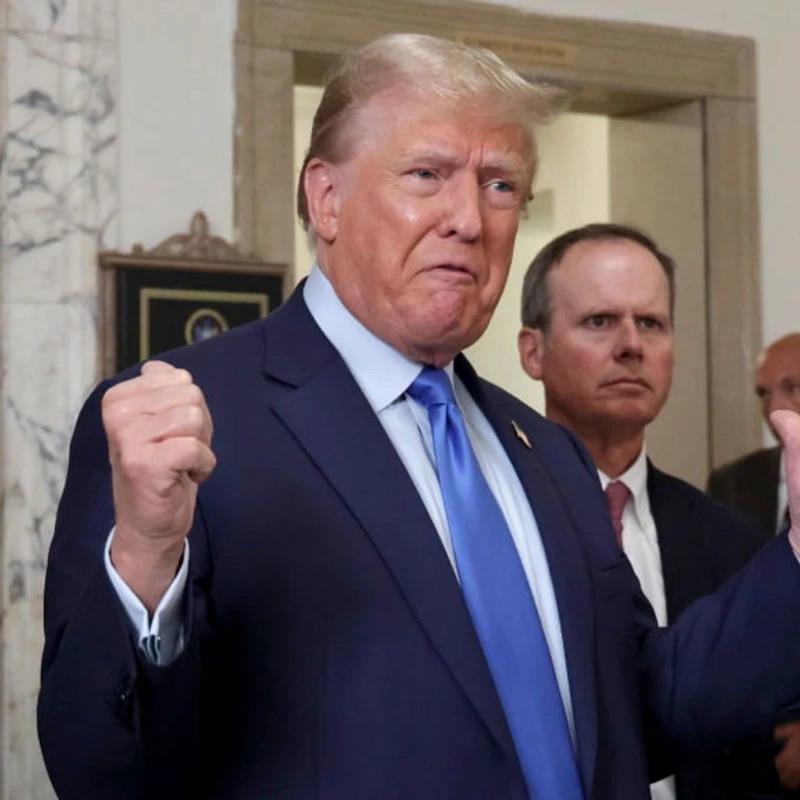
    Tech giant IBM has reached a $17 million settlement with the Trump administration’s Department of Justice (DOJ) following allegations of illegal diversity, equity, and inclusion (DEI) practices. The case centered on claims that IBM made “false claims” regarding its hiring and employment policies, particularly concerning federal contracts.

    Allegations of Discriminatory Hiring

    The core of the DOJ’s accusation was that IBM allegedly identified specific “diverse” candidates for hiring or promotions while simultaneously developing race and sex demographic goals. While IBM has denied engaging in discriminatory or illegal DEI practices, the company opted to settle the case.

    An IBM spokesperson stated, “IBM is pleased to have resolved this matter. Our workforce strategy is driven by a single principle: having the right people with the right skills that our clients depend on.” This indicates the company maintains its practices are merit-based, despite the settlement.

    The DOJ’s Civil Rights Fraud Initiative

    This settlement marks the first resolution stemming from the DOJ’s Civil Rights Fraud Initiative. This unit was established to combat DEI policies, viewing them under a civil anti-fraud law. Under the Trump administration, there has been a notable focus on challenging DEI initiatives, often framing them as anti-merit and discriminatory against groups like white people and men.

    The DOJ leveraged the False Claims Act, a law dating back to the Civil War that allows the government to recover funds up to three times the damages obtained, plus penalties. This act also permits private citizens to file lawsuits on behalf of the government if they believe it has been defrauded.

    Statements from DOJ Officials

    Acting Attorney General Todd Blanche celebrated the settlement, stating, “Racial discrimination is illegal, and government contractors cannot evade the law by repackaging it as DEI.” He emphasized the initiative’s goal to “root out this misconduct, hold offenders accountable, and end this practice for good.”

    Associate Attorney General Stanley Woodward added, “Merit drives promotion and opportunity, not someone’s sex or race.” Woodward further commented that the settlement demonstrates the Department’s commitment to ensuring companies do not use taxpayer-funded work to promote “woke unconstitutional practices in American workplaces.”

    What are your thoughts on this $17 million settlement and the ongoing debate around DEI initiatives in the workplace? Share your perspective in the comments below!
  • Alabama U. Suspends DEI-Focused Magazines

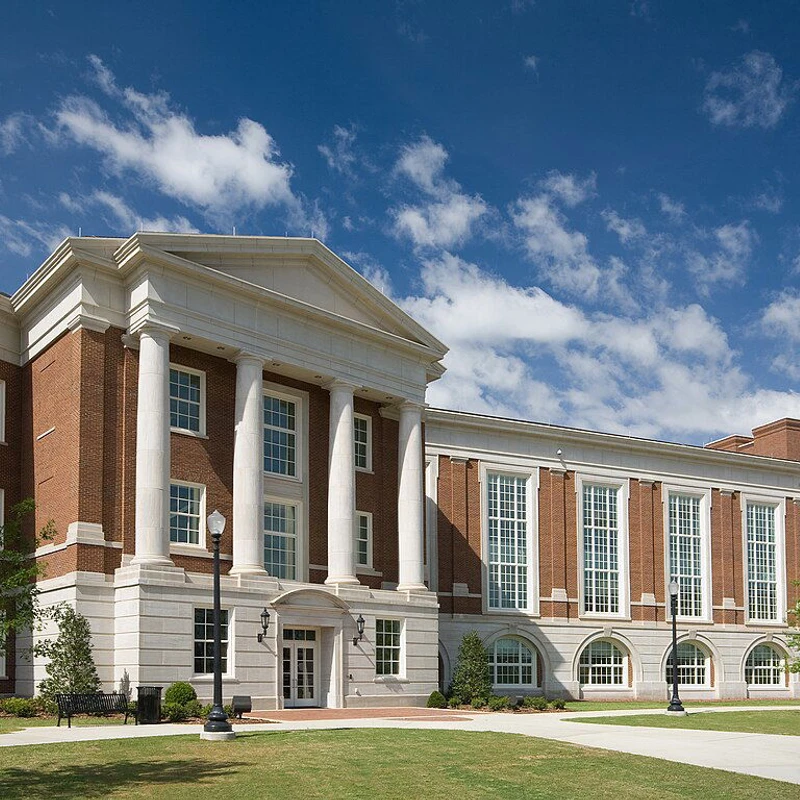
    This is a tough one. The University of Alabama has made the decision to suspend two of its student-run magazines, Alice and Nineteen Fifty-Six. One focused on women’s issues, and the other highlighted Black culture and student life. The reason? Shifting federal guidelines around Diversity, Equity, and Inclusion (DEI) initiatives.

    Why the Suspension? Anti-DEI Standards Cited

    University leaders informed the staff of both magazines on December 1st that the school can no longer support publications based on specific demographics. This move reportedly stems from a July memo by Attorney General Pam Bondi, which advised federally-funded institutions to avoid practices the Trump administration deemed unlawful DEI measures. Specifically, officials pointed to concerns about “unlawful proxies” – criteria that might indirectly discriminate based on race or sex.

    Steven Hood, the university’s vice president of student life, explained at a meeting that magazines based on demographics like these might not align with federal guidance for a public institution. Even when magazine staff pointed out that their publications welcomed students of all backgrounds, Hood stated it wasn’t enough to meet the federal requirements.

    Student Reactions and University Response

    The editors of the suspended magazines expressed their disappointment and shock. Kendal Wright, editor-in-chief of Nineteen Fifty-Six, called the decision “devastating but, regrettably, not surprising” given the current national climate. Gabrielle Gunter, editor-in-chief of Alice, felt blindsided, stating she believed their First Amendment rights to freedom of the press would protect them from such anti-DEI rulings.

    A university spokeswoman, Alex House, clarified that the suspensions were in compliance with the law, aiming to ensure all students feel welcome in programs funded by the Office of Student Media. She also emphasized that the university “will never restrict our students’ freedom of expression.” Hood mentioned plans to launch a new campus lifestyle magazine for all students and invited the former editors to contribute.

    What are your thoughts on the University of Alabama’s decision to suspend these magazines? Share your perspective in the comments below!

  • Parent Groups Demand DEI Audits in Schools

    A coalition of parental rights advocacy groups is pushing for education audits across all 50 states and Washington D.C. These groups are raising concerns about Diversity, Equity, and Inclusion (DEI) initiatives, alleged poor hiring practices, and gender discrimination within K-12 school policies. They are urging state leaders to eliminate or modify any provisions that permit race or sex-based preferences in hiring and programming.

    Accusations of Violating Civil Rights

    The groups, including Defending Education and over 20 other organizations, argue that these DEI-focused policies may violate Titles VI and VII of the Civil Rights Act, Title IX, and the Equal Protection Clause. They also express concerns that flawed hiring practices, potentially influenced by DEI considerations, could compromise student safety.

    Erika Sanzi, senior director of communications for Defending Education, claims that “diversity” has become a scapegoat for states to allegedly violate federal laws, calling it a “common practice.” She stated, “State laws, regulations and practices that promote (and even require) race and sex-based discrimination must be exposed and eliminated. It’s time that every state cleans up the mess they’ve made in the name of DEI.”

    A Pattern of Controversy and Legal Challenges

    The call for audits comes in the wake of several controversies. Notably, the resignation of Des Moines Superintendent Ian Roberts in September 2025, who was arrested by ICE due to an “order of removal and no work authorization.” The Des Moines school district is now suing the consulting company that assisted in Roberts’ selection, alleging issues with the hiring process.

    The letter also highlighted data suggesting a pattern of teachers accused of sexually abusing children moving between districts without adequate vetting. The group cited statistics indicating that such educators can abuse numerous children before facing consequences.

    The Influence of Anti-DEI Efforts

    These efforts to curb DEI practices have intensified since the Supreme Court’s 2023 decision overturning affirmative action and President Donald Trump’s January 2025 executive order against DEI in federal sectors. Defending Education, a strong supporter of these anti-DEI initiatives, claims to have played a role in exposing alleged administrative misconduct.

    Sanzi noted in a Washington Examiner article, “I do think that we are in a better place than we were in 2021. I also think that a lot of people are waking up to the reality of what the law is… What they’ve learned is, no, you cannot discriminate on the basis of race, period, in a public school setting.”

    Focus on ‘Exposed’ Educators

    The groups point to cases like an Evanston, Illinois Superintendent who allegedly used race and sexual orientation to determine student return-to-school policies post-pandemic as examples of the problems they aim to address. The push for audits signifies a broader movement seeking to re-evaluate and potentially dismantle DEI-focused policies in educational institutions nationwide.

    What are your thoughts on these parental groups demanding education audits to eliminate DEI policies? Do you believe DEI initiatives in schools are discriminatory or beneficial? Share your perspective in the comments below!

  • Roland Martin: DEI Attacks Threaten Black Media

    Pioneering journalist Roland Martin is sounding the alarm: the ongoing attacks against Diversity, Equity, and Inclusion (DEI) initiatives pose a significant threat to the existence of Black-owned media. On the seventh anniversary of his digital streaming show, “Roland Martin Unfiltered,” the veteran journalist sat down with theGrio to discuss how these anti-DEI efforts are impacting Black journalists, newsrooms, and the communities they serve.

    The Power of Owning Your Narrative

    Martin, who also owns the Black Star Network, emphasizes the critical importance of controlling one’s own platform. Having spent years navigating mainstream television, he recalls frequent attempts by non-Black executives to censor his work or dictate which Black-focused stories were deemed newsworthy. This experience fueled his drive to build his own independent media infrastructure, complete with extensive content archives.

    “The greatest mistake of journalists — they don’t learn the business of the business. We get fixated on how it looks,” Martin told theGrio. He believes that true power lies off-camera, in the hands of those who own and operate the platforms, a lesson underscored by the departures of numerous high-profile personalities from traditional TV networks.

    Anti-DEI Efforts and Their Devastating Impact

    The current political climate, particularly the second Trump administration, has intensified challenges for journalists across the board, leading to layoffs and censorship. However, Martin argues that the silencing of Black-led newsrooms, which cover crucial issues beyond entertainment, represents the most significant threat to Black community empowerment. “Our people really don’t understand that we are this close to literally not having Black-owned media covering news and information,” he stated.

    Martin points out that the attacks on DEI have disproportionately affected Black media outlets, which already struggle for advertising dollars. Corporate entities, facing pressure from entities like the FCC under Trump’s directives, are increasingly hesitant to sponsor Black events or media, fearing regulatory repercussions. “Corporate America; they have weaponized it to the point where if you’re a telecommunications company, you gotta deal with Brendan Carter, FCC chair, following Trump saying, ‘I’m not gonna approve any acquisitions because you support DEI, because you sponsor Black events,’” Martin explained.

    A Call for Investment and Support

    Martin describes the current situation as a “massive effort to defund Black America,” targeting its civil rights infrastructure, economic base, academia, and health sectors. He believes this is a deliberate strategy of the MAGA movement that Black America must confront for at least the next three and a half years.

    Despite these daunting challenges, Martin remains encouraged by the loyalty and financial support from his viewers through initiatives like his “Bring The Funk” fan club. He stresses that for Black media outlets to continue providing quality, deeply reported information – the kind often missing from gossip blogs – investment is crucial. “Our people have got to understand that we are swinging and fighting… So our people have got to support,” he urged, emphasizing the dire consequences if Black-owned media ceases to exist.

    What are your thoughts on Roland Martin’s warning about the future of Black-owned media? How can we best support these vital news outlets? Share your ideas in the comments below!

  • Mizzou Cancels ‘Black 2 Class’ Party Over ‘Discrimination’

    The University of Missouri (Mizzou) has canceled a planned student block party, ‘Black 2 Class,’ organized by the Legion of Black Collegians (LBC). University administrators deemed the event’s name to be “unlawful discrimination” and “race exclusive,” despite assurances that all students would be welcome.

    Federal Regulations and Event Restrictions

    This decision comes in the wake of new federal regulations that Mizzou has reportedly complied with, stemming from the Trump administration’s stance against Diversity, Equity, and Inclusion (DEI) initiatives. The university spokesperson stated that organizations and events must not suggest exclusion based on race. This policy led to the cancellation of the LBC’s block party, which was intended as an alternative after a previous event, ‘The Welcome Black BBQ,’ was also removed due to similar concerns.

    Administrators found the name ‘Black 2 Class’ to be too provocative because it explicitly mentions Blackness, even though the event was open to all students. The LBC shared the cancellation on their Instagram, calling it an “act of erasure” and detailing how they feel consistently shut down. “Things as simple as putting ‘Black’ in a name, result in consequences… Recreational spaces for students of all identities are crucial.”

    The LBC highlighted increased racial tensions on campus, noting that Black students constitute only 1,700 of the university’s 23,000 students. They mentioned that a student hunger strike led to the resignation of two university leaders due to rising racist encounters. The organization feels that Mizzou’s actions, while perhaps intended to be “more inclusive,” are paradoxically “directly exclusive” and push Black students away from community-building activities.

    Demands for Inclusion and Condemnation of Racial Harassment

    In response to these restrictions, the LBC has presented Mizzou with a list of demands. These include a public condemnation of racial harassment by university administrators, a town hall meeting, and campus-wide messaging to denounce discriminatory actions. The organization stressed the importance of unity, resilience, and maintaining their voice amidst these challenges.

    A university spokesperson, Christopher Ave, defended Mizzou’s stance, clarifying that the Legion itself is not in jeopardy but that event circumstances are evaluated individually. He reiterated that the decision was based on the event’s name suggesting race exclusivity, which contradicts federal civil rights law. Each event, he stated, is assessed in context, and this decision does not set a precedent for all future events.

    What are your thoughts on Mizzou’s decision to cancel the ‘Black 2 Class’ party? Do you agree with the university’s interpretation of discrimination? Share your views in the comments below!