Tag: Angela Rye

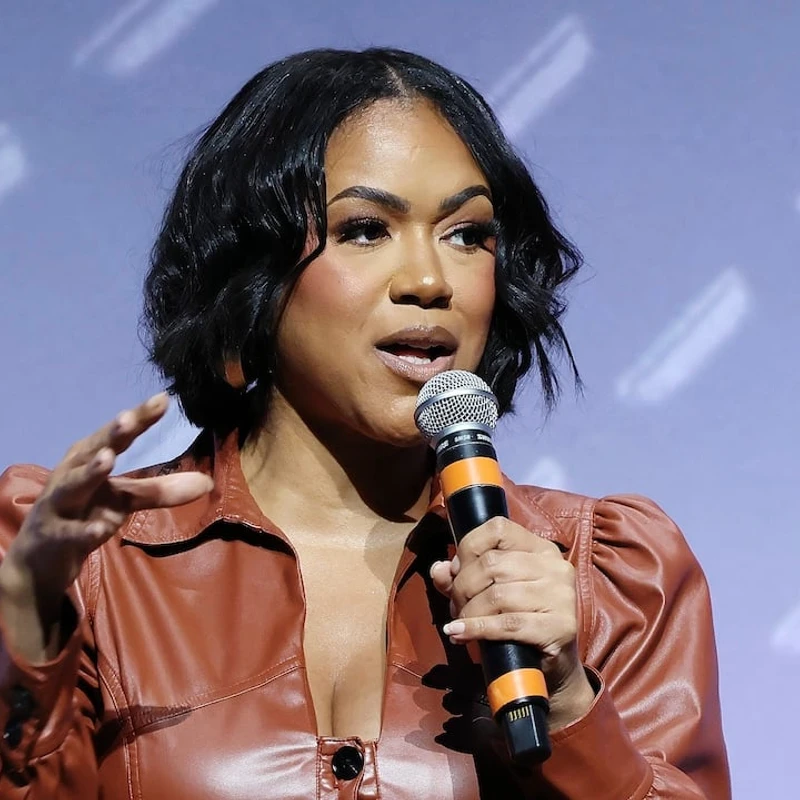
  • Tiffany Cross’s New Book: A Message for Black Women

    Have you ever felt like you’re pouring your heart and soul into everything – love, your career, even your country – only to feel that love draining away? Tiffany D. Cross, former host of MSNBC’s “The Cross Connection,” is sharing her journey through those tough times in her powerful new book, “Love, Me: A Letter to Black Women in a Toxic Country, Career, and Relationship.” It’s a message of healing and resilience for Black women everywhere.

    From Cable News Star to Personal Revelation

    The past decade has been a whirlwind for Tiffany D. Cross. She rose as a prominent voice in cable news, only to have a dream job taken away. Add to that the political landscape and a painful personal breakup, and you have a recipe for immense emotional strain. Cross felt that love was “emptying” from her and knew she had to find a way to refill her own cup.

    Her new book chronicles these highs and lows, offering a raw and honest look at her experiences. She shared in a recent chat with her former “Native Land” podcast colleagues – Angela Rye, Andrew Gillum, and Bakari Sellers – that her journey is about finding a way to “plug those holes and get that faucet turned back on for myself.”

    A Voice for the Voiceless

    Cross hopes “Love, Me” provides not only solace for Black women but also insight for Black men. She believes the book offers a unique perspective on the challenges Black women face today, from career underemployment to feeling targeted by political administrations. She’s not afraid to “say the quiet parts out loud,” sharing those dark thoughts that might otherwise remain unspoken.

    She emphasizes that Black women are often viewed as a political commodity, asked to “save America” without acknowledging their own humanity and emotional needs. “Before you ask me to go out here and save America, I need you to realize I’m a whole human being right here with a beating and broken heart,” Cross stated. Her message is clear: healing must come first.

    Healing Through Love and Loss

    The book delves into the pain of losing her show, the sting of lost love, and the feeling that Black women have collectively lost ground in the country. Cross makes her hurt public, acknowledging that she doesn’t have all the answers but remains hopeful for change. She’s asking for a moment of respite, a chance for Black women to breathe and regroup.

    This pause isn’t about inactivity; it’s about strategic healing and self-preservation. Cross wants to give herself and other Black women “something to believe in” during challenging times. It’s a powerful call for self-love and collective support in navigating a world that often feels overwhelming.

    Have you read Tiffany D. Cross’s new book, “Love, Me”? What are your thoughts on her message to Black women? Share your experiences and insights in the comments below!
  • Black Leaders Honored at BE Women of Power Summit

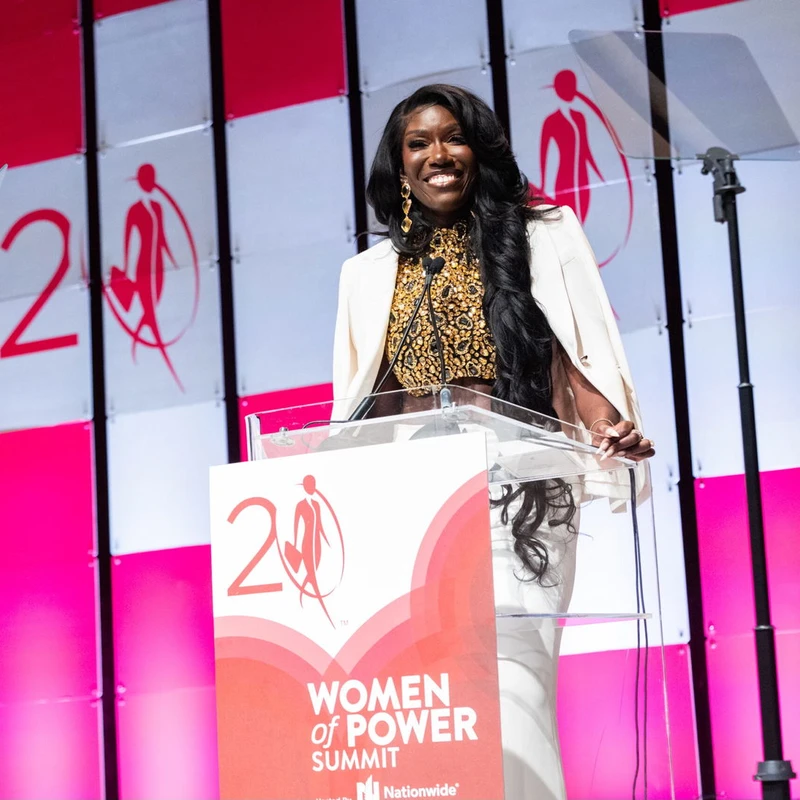
    Hundreds of Black women gathered in Las Vegas for the 20th annual BLACK ENTERPRISE Women of Power Summit, the premier professional development conference for women of color. The four-day event provided attendees with essential tools, networking opportunities, and information to advance their careers. A highlight of the summit was the Luminary Awards Luncheon, where five distinguished leaders were honored for paving the way for future generations of women executives and business titans.

    Honorees Share Inspirational Messages

    Each honoree delivered an inspirational message while accepting their award, sharing insights from their journeys and encouraging others. The summit featured a comprehensive agenda, including panel discussions, one-on-one career and financial coaching, and networking opportunities designed to foster growth and connection among attendees.

    The honorees recognized for their extraordinary contributions include Bozoma Saint John, Angela Rye, Jotaka Eaddy, Sandra Douglass Morgan, and Shelly Cayette-Weston. Their achievements span various fields, from marketing and policy advocacy to sports business and corporate leadership, reflecting the diverse impact Black women are making across industries.

    Profiles of the Honorees

    **Bozoma Saint John:** An acclaimed marketer, author, and founder of Eve by Boz, Saint John is a cultural force who has led marketing efforts for major brands like PepsiCo, Apple Music, Uber, and Netflix. Her memoir, “The Urgent Life,” was published in 2023, and she appeared on “The Real Housewives of Beverly Hills” in 2024. Forbes named her the “Most Influential Chief Marketing Officer in the World.”

    **Angela Rye, Esq.:** An award-winning host, attorney, political strategist, and social justice advocate. As CEO of IMPACT Strategies, Rye has mentored over 500 leaders in government, corporations, and nonprofits. She co-created “State of the People” and co-hosts the NAACP Image Award-winning podcast “Native Land Pod.”

    **Jotaka Eaddy:** A recognized advocate, strategist, and connector with over 20 years of experience in policy and movement building. She is the visionary leader behind Win With Black Women, a network that has influenced major national moments, including Kamala Harris’s presidential run and the confirmation of the first Black woman Supreme Court Justice.

    **Sandra Douglass Morgan:** Made history in 2022 as the first Black woman president of an NFL team, the Las Vegas Raiders. She has driven revenue growth, community engagement, and secured major events like the Super Bowl and Pro Bowl. Morgan previously broke barriers as Nevada’s first Black city attorney and the first Black chair of the Nevada Gaming Control Board.

    **Shelly Cayette-Weston:** A powerful figure in professional sports, serving as president of business operations for Hornets Sports & Entertainment. Previously, she was the executive vice president and chief commercial officer of the Cleveland Cavaliers, becoming the first Black woman to hold that title for an NBA franchise. She significantly expanded fan experiences and youth sports access during her 12-year tenure.

    Which of these Women of Power inspires you the most? What lessons can we take from their journeys? Share your thoughts in the comments below!

  • Angela Rye Apologizes to Joe Budden Over Podcast Title

    It seems there’s been a bit of a kerfuffle in the podcasting world, and Angela Rye is stepping up to clear the air. She’s issued a formal apology to Joe Budden and his team after naming an episode of her podcast, “Native Land,” after him. The episode, which delved into the topic of “The Dumbing Down of America,” initially carried a title that took aim at Budden’s show.

    A Title That Caused a Stir

    During the Oct. 27 episode of “Native Land,” Angela Rye, alongside co-hosts Tiffany Cross, Andrew Gillum, and Bakari Sellers, were joined by Charlamagne Tha God. The conversation was centered around Black intellectualism, and the episode’s original title sparked a copyright complaint from Budden’s team. Following this, the title was changed to “Do We Need to Talk About Black Intellectualism?”

    Rye took full responsibility for the title, stating, “We should’ve titled it differently. I think what we did was wrong, and I do want to apologize to Joe Budden’s podcast, to their team, to their production company for that title. I’m an EP on this show, and so I own that wholeheartedly.” She acknowledged that the title might have implied that Budden’s podcast was responsible for the “dumbing down of America.”

    Addressing Elitism Claims

    The apology came after Charlamagne Tha God addressed an earlier debate on Black intellectualism. He suggested that Rye and her co-hosts sounded “elitist” in their reaction to a tense on-air exchange between Marc Lamont Hill and Queenzflip on Budden’s podcast. Rye had initially stated that Budden and most of his co-hosts wouldn’t be invited on her show.

    However, Rye pushed back against claims that she’s unwilling to engage with guests who aren’t perceived as intellectual peers. “Of course, Marc is welcome anytime. I don’t know about the rest of them,” she said, clarifying her stance. “But I will just say, you know, I don’t think that that means that we should be foreclosed to having discussions that are tough or where we don’t think people are our peers or we’re on the same level. I’m not into that.”

    Moving Forward

    While Rye and her co-hosts stand by their views on the Black intellectualism debate, both Rye and Cross conceded that singling out Joe Budden in the episode title was a misstep. The situation highlights the complexities of online discourse and the importance of careful wording, even in passionate discussions.

    What are your thoughts on Angela Rye’s apology to Joe Budden? Do you think the criticism of the podcast title was warranted? Share your perspective in the comments below!

  • Angela Rye Apologizes to Joe Budden Over Podcast Title

    In the latest episode of the “Native Land Podcast,” Angela Rye addressed Joe Budden directly, offering an apology for the controversial title of a previous episode. The title, “Joe Budden and the Dumbing Down of America,” sparked a response from Budden himself, leading to a public back-and-forth between the podcasters.

    The Controversy Over the Title

    Rye, along with her co-hosts Tiffany Cross, Andrew Gillum, and Bakari Sellers, discussed anti-intellectualism among Black Americans. Their original episode title referencing Joe Budden led to his camp filing a copyright infringement claim, causing the video to be taken down. It was later reposted with a revised title: “Do We Need to Talk About Black Intellectualism?”

    Joe Budden, host of the “Joe Budden Podcast,” had publicly called out “NLP” for using his name as a focal point for their discussion. He felt it was unfair to use him as a reference point without directly engaging with his content or perspective.

    Intellectual Debates and ‘Peers’

    The “Native Land Podcast” hosts also commented on an argument between Joe Budden Podcast co-hosts Marc Lamont Hill and QueenzFlip. While Rye welcomed Marc Lamont Hill onto her show anytime, she expressed reservations about the other co-hosts, questioning the idea of limiting discussions to only those considered intellectual peers.

    Sellers and Cross further insinuated an intellectual disparity between Hill and Flip. Sellers noted that while he knows “10 Flips,” he knows “one Marc Lamont Hill” due to his level of intellect, suggesting a difference in intellectual caliber. Cross, however, maintained that her opinions on anti-intellectualism were not swayed by public opinion and that she stood by her commentary, even while acknowledging the existence of a “toxic landscape” fueled by “podcast bros.”

    Rye’s Direct Apology

    Following Budden’s response and the subsequent social media debate, Angela Rye issued a direct apology on the latest episode. “I think what we did was wrong and I do want to apologize to Joe Budden’s podcast, to their team, to their production company for that title,” she stated. “I’m an EP on this show, and so I own that wholeheartedly.”

    Cross clarified that her intention was not to label individuals as intellectual or not, but rather to discuss a broader “anti-intellectual movement ravaging the Black community.” She emphasized that discussions should not be limited and that reaching out to figures like Joe Budden and Flip would be part of that process.

    The situation highlights the complexities of public discourse, intellectual debates, and the use of names and likenesses in media. Rye’s apology signifies a step towards de-escalating the conflict and acknowledging the impact of their podcast’s framing.

    What are your thoughts on the “Native Land Podcast” controversy and Angela Rye’s apology? Let us know in the comments below!

  • Joe Budden Claps Back at Native Land Podcast

    Things are heating up in the podcasting world! Following a viral exchange between Marc Lamont Hill and QueenzFlip on the Joe Budden Podcast (JBP), the hosts of the Native Land Podcast decided to weigh in. Their commentary, however, didn’t sit well with Joe Budden himself, who has now fired back, accusing them of hypocrisy and disrespect.

    Native Land Podcast Weighs In

    The Native Land Podcast, hosted by Angela Rye, Tiffany Cross, Andrew Gillum, and Bakari Sellers, dedicated an episode titled “Joe Budden’s Podcast and the Dumbing Down of America” to dissecting the JBP conversation. While Sellers and Gillum acknowledged the value of exposing Marc Lamont Hill’s perspective to a wider audience, Rye expressed a desire for Hill to engage with peers who are more ‘compassionate and eager to learn.’

    The hosts discussed the rise of anti-intellectualism and how conversations like the one on JBP fit into that narrative. Their critique, particularly the episode’s title and the implication that some participants weren’t intellectual peers, struck a nerve with Budden and his co-hosts.

    Budden’s Defense and Accusations

    On a recent episode of his own podcast, Joe Budden took offense to the sentiment that he or his co-hosts don’t ‘love Marc.’ He argued that in intellectual and political spaces, there’s a tendency to play victim or aggressor, and that the Native Land hosts were dismissing others while claiming to be pro-Black. ‘We/I don’t love Marc,’ Budden stated, taking issue with the framing.

    Co-host Ish echoed this sentiment, likening the Native Land Podcast’s dismissal of QueenzFlip’s opinions to historical ways white individuals have dismissed Black communities’ thoughts. Parks Vallely added that not watching the podcast or citing sources is a major red flag for anyone claiming intellectual status, especially when forming deep opinions based on short clips.

    The Issue of Name-Dropping

    Budden’s primary frustration seemed to stem from the use of his name in the episode title, especially since he claimed not to be familiar with the Native Land Podcast’s regular content. ‘Make your point without Joe Budden’s name in it,’ he demanded. He emphasized that he doesn’t engage with content from people he’s never met or doesn’t know, finding it ‘in bad taste.’

    He also defended his platform’s approach, highlighting that he allows his audience to see his and his co-hosts’ real-time growth, shortcomings, and journey toward redemption. Budden contrasted this with what he perceived as an attempt by the Native Land hosts to present themselves as intellectually perfect, questioning their authority to categorize others.

    A Wave of Debate

    This clapback has ignited another round of discussions online. Some agree with Budden, pointing out perceived hypocrisy in the Native Land Podcast’s commentary. Others feel the hosts of Native Land didn’t overstep their bounds. The debate highlights the ongoing tension between different platforms and personalities within Black media and intellectual discourse.

    What do you think about Joe Budden’s response to the Native Land Podcast? Who do you agree with? Share your thoughts in the comments below!

  • Rep. Crockett Responds to Stephen A. Smith’s Critique

    Texas Democratic Representative Jasmine Crockett is making it known that she heard Stephen A. Smith’s recent commentary criticizing her outspokenness against President Donald Trump. While she hasn’t directly addressed Smith by name, her response strategy speaks volumes: she’s amplifying the voices of other prominent Black women who are defending her and pushing back against the sports analyst’s remarks.

    Rallying Support from Fellow Leaders

    Smith’s comments, made on his Sirius XM show ‘Straight Shooter With Stephen A.,’ questioned Crockett’s effectiveness, asking if her continuous criticism of Trump was helping her district or merely serving as an “impediment.” This sparked pushback from colleagues, fans, and voters who rallied around the Congresswoman. Crockett responded by reposting commentary from figures like social justice activist Tamika Mallory, suggesting a pattern of Smith targeting Black women.

    Mallory’s post, which Crockett shared, stated, “Stephen A. Smith’s actions are intentional. At what point will you lead the charge to TURN HIM OFF?!” This collective response frames Smith’s critique not as a difference of opinion, but as an intentional act against outspoken Black women in the public sphere.

    Critiques of Smith’s Commentary

    The pushback against Smith extended to other prominent voices. On the ‘Native Land Pod,’ hosts Angela Rye, Andrew Gillum, and Tiffany Cross claimed Smith exhibits “little d*** energy” when criticizing Black women and suggested he needs to address his “Black woman issues,” even linking it to self-hate. Guest host Bakari Sellers noted that Smith rarely praises Black women in his commentary.

    Rapper Willie D also weighed in, reposting commentary that called Smith’s shots at Crockett “messy” and “weak.” He argued that Smith, with his significant platform, should be uplifting Black women like Crockett who are “out here putting in real work,” rather than tearing them down. This sentiment was also echoed by Crockett, who reposted Willie D’s comments with a praying hands emoji.

    Broader Context and Pushback

    Smith has faced criticism from various corners, not only for his political commentary but also for perceived “advice” given to athletes. Notably, Serena Williams’ husband, Alexis Ohanian, schooled Smith on staying in his lane regarding advice, drawing parallels to building billion-dollar companies versus giving unsolicited opinions. This context suggests a pattern of Smith engaging in commentary that draws significant backlash.

    Rep. Crockett’s strategy of reposting and amplifying the support she’s receiving highlights her solidarity with other Black women leaders and commentators who feel Smith’s critiques are misplaced and potentially harmful. Her silence on directly addressing Smith, coupled with the reposts, effectively communicates her stance and the broader message that she stands with those defending her approach.

    What are your thoughts on Stephen A. Smith’s critique of Rep. Jasmine Crockett? Do you agree with the pushback from other Black women leaders? Share your perspective in the comments below!