Tag: Angela Basset

  • Vogue’s ‘Cloud Bob’ Sparks Outrage Among Black Women

    Vogue is once again under fire, this time for rebranding the iconic afro as a ‘cloud bob.’ The fashion publication recently featured Tracee Ellis Ross’s signature fro in a list of summer haircuts under this new moniker, sparking immediate outrage and accusations of blatant cultural appropriation.

    Erasure of Black Identity and History

    The decision to rename a hairstyle deeply rooted in Black culture and history has been met with widespread frustration. For Black women, the afro is more than just a hairstyle; it’s a symbol of identity, pride, and resistance. The idea that it needs a new, rebranded name, especially one credited to a celebrity stylist rather than acknowledging its origins, feels like a deliberate erasure.

    Social media platforms like Threads, X, and TikTok exploded with criticism. Many pointed out that styles like cornrows have previously been rebranded as ‘boxer braids,’ further highlighting a pattern of appropriation. The backlash was so intense that Vogue reportedly removed the ‘cloud bob’ from its list shortly after its publication, though the implication and the initial misstep remain.

    The Need for Acknowledgment, Not Rebranding

    The article highlights that styles like french rolls, rope twists, microbraids, and top knots are already established. The afro, with its rich history and cultural significance, doesn’t need to be reinvented. Instead, publications like Vogue should acknowledge its legacy, as exemplified by icons like Diana Ross, Angela Bassett, and Colin Kaepernick, who have proudly worn afros.

    The piece criticizes the ‘colonial energy’ that seems to persist, where contributions from Black culture are ignored or rebranded to fit a more palatable narrative for a mainstream audience. While not every style piece needs a history lesson, a sentence or two acknowledging the roots of a style can make a significant difference in preventing erasure.

    A Pattern of Insensitivity

    This isn’t an isolated incident for Vogue. The publication has faced similar accusations of cultural appropriation in the past, including rebranding afro-inspired images as ‘Gibson Girl’ in 2018 and decentering plus-size bodies in a ‘Hairspray’-inspired video. Critics argue that this insensitivity is not a mistake but is ‘built in.’

    The burden of prestige placed on institutions like Vogue means they have a significant influence on societal perceptions. When they rebrand cultural staples, it can overshadow the original context and voices. In an era where AI is increasingly used for information gathering, the authority Vogue holds makes such missteps particularly dangerous, potentially leading to the marginalization of Black beauty standards.

    The Importance of Representation

    The recent news of Teen Vogue’s downsizing further amplifies the concern. The absence of diverse voices within these publications can lead to insensitive content and the rebranding of Black cultural elements. This is how styles seen on the streets for generations get rebranded as new trends, simplifying erasure for those who don’t seek a broader perspective.

    What are your thoughts on Vogue’s ‘cloud bob’ controversy? How important is it for major publications to accurately represent and credit cultural origins? Share your views in the comments below!
  • Vogue’s ‘Cloud Bob’ Renaming Sparks Outrage

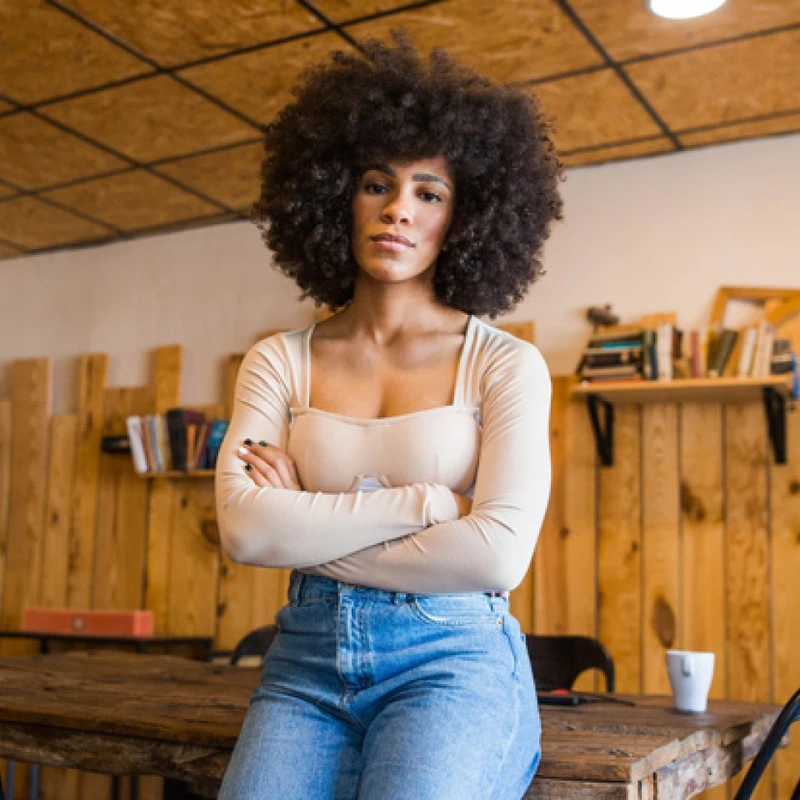
    Vogue is once again under fire for what many are calling cultural appropriation and erasure. The fashion giant recently published a list of summer haircuts, controversially rebranding the iconic afro hairstyle as a ‘cloud bob.’ This move has sparked outrage across social media, with Black women and cultural commentators decrying the attempt to rename and redefine a style deeply rooted in Black history and identity.

    Erasure of Black Culture

    The controversy erupted when Vogue featured an image of actress Tracee Ellis Ross, known for her signature afro, under the new ‘cloud bob’ moniker. The publication failed to mention the afro’s well-documented legacy, its significance in Black culture, or its connection to icons like Diana Ross. Instead, the style was presented as a novel trend defined by celebrity stylist Tom Smith.

    The backlash was immediate and intense, with platforms like Threads, X, and TikTok buzzing with fury. Following the widespread criticism, Vogue quietly removed the ‘cloud bob’ from its list and republished it with fewer styles, suggesting the term wasn’t as essential as initially presented. Tom Smith himself issued a statement distancing himself from the controversy, emphasizing that he did not define the look as a ‘cloud bob.’

    A Pattern of Insensitivity

    This isn’t the first time Vogue has faced accusations of cultural insensitivity. Past incidents include rebranding cornrows as ‘boxer braids,’ featuring fro-inspired images and calling them ‘Gibson Girl’ styles, and producing videos that decentered plus-size bodies. Critics argue that this pattern reveals a deeper issue within the publication, where a lack of diverse perspectives leads to the appropriation and misrepresentation of Black cultural styles.

    The article highlights that while beauty writers face pressure to identify trends, it doesn’t excuse the insensitivity of renaming established cultural staples. The piece emphasizes that language matters and can be used to dismiss and erase. When prestigious institutions like Vogue present rebranded terms as truth, especially in an era of AI-driven content, it risks overshadowing the authentic history and contributions of Black culture.

    The Importance of Representation

    The piece argues that the absence of diverse voices within media institutions like Vogue contributes to these missteps. It suggests that without individuals who understand and respect the cultural significance of styles like the afro, bonnets, or flexirods, such rebranding and appropriation become easier. The author stresses that living history grows from Black people’s scalps just as it is recorded in historical texts, and that who tells the story is crucial.

    The ongoing trend of rebranding Black cultural elements into microtrends for a mainstream audience, without acknowledging their origins, is seen as a step backward. The article concludes by urging accountability for cultural institutions that hold significant influence, emphasizing that progress is not guaranteed and vigilance is necessary to ensure Black history and beauty are accurately represented.

    What are your thoughts on Vogue’s ‘cloud bob’ controversy? Do you believe it’s appropriation or simply trendsetting? Share your views in the comments below!

  • Vogue World: Hollywood Shines with Star Power

    Get ready for a dazzling display where fashion meets Hollywood! Vogue World recently transformed the iconic Paramount Studios lot into a runway celebrating the magic of cinema, and the star power was absolutely off the charts. Imagine your favorite movie costumes brought to life by some of the biggest names in entertainment – that was the scene on October 26th.

    A Runway Inspired by Film’s Greatest Hits

    This year’s Vogue World event, aptly themed “Hollywood,” paid tribute to the artistry of costume design. Think iconic looks from films like “Marie Antoinette,” “West Side Story,” and “Dune.” The show, directed by the visionary Baz Luhrmann, kicked off with Nicole Kidman embodying Rita Hayworth’s “Gilda” persona, setting a glamorous tone for the evening.

    Luhrmann encouraged the audience to bring the energy, emphasizing that this was more than just a fashion show – it was a celebration. The event was thoughtfully divided into seven acts, with major fashion houses like Alexander McQueen, Louis Vuitton, and Valentino each representing a different film genre. It was a true fusion of cinematic storytelling and high fashion.

    Stars Shine on the Catwalk

    The runway was graced by a constellation of stars, each bringing their unique flair. Angela Bassett stunned in a costume from “Black Panther,” followed by fellow “Black Panther” stars Danai Gurira and Teyana Taylor. Regé-Jean Page looked sharp in Ferragamo, while Laura Harrier sported Fendi, and LaKeith Stanfield rocked Dior. Ayo Edebiri wowed in Chanel, Jodie Turner-Smith in Diotima, and Damson Idris sported Dries Van Noten. Even Tyriq Withers made a dapper appearance in Ferragamo.

    More Than Just Fashion: A Cause to Celebrate

    Beyond the glitz and glamour, Vogue World: Hollywood had a meaningful purpose. One hundred percent of the ticket proceeds were donated to the Entertainment Community Fund. This vital organization supports actors, crew members, and creatives in the film industry, with a special focus on costume professionals affected by the recent Los Angeles wildfires. It was a night where fashion truly made a difference.

    The event also featured incredible musical performances, including a show-stopping rendition of “Gorgeous” by Doja Cat. If you missed the live spectacle, you can catch the entire runway show in the video below!

    Vogue World: Hollywood proved to be an unforgettable evening, blending the allure of cinema with the power of fashion and a commitment to supporting the entertainment community. What was your favorite moment or look from the event? Share your thoughts in the comments!

    What was your favorite moment or look from Vogue World: Hollywood? Share your thoughts in the comments!