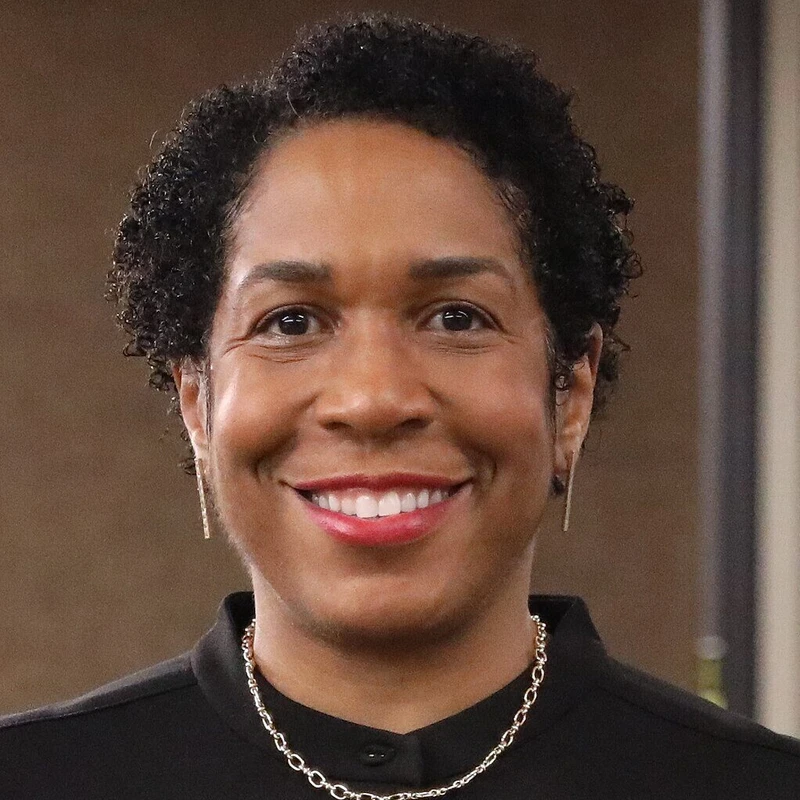
Tag: Angela Alsobrooks

  • Juliana Stratton Eyes Historic Senate ‘Sisterhood’

    Illinois Lieutenant Governor Juliana Stratton is on the cusp of making history. After a decisive primary victory, her campaign is now focused on the general election, with a potential win in November paving the way for a truly groundbreaking moment in American politics. Stratton’s success could usher in a new era of representation in the U.S. Senate.

    A Historic ‘Sisterhood’ in the Senate

    If Stratton secures her seat, she will join Senators Angela Alsobrooks and Lisa Blunt Rochester, marking the first time ever that three Black women simultaneously serve in the U.S. Senate. This potential ‘sisterhood’ represents a significant leap forward in ensuring diverse voices are present at the highest levels of legislative power.

    Stratton herself has spoken passionately about the importance of this milestone. She told reporters, “The idea of three means there’s that much more of an opportunity to make sure that when policy is being made, when legislation is being passed, that the voices of our community is right there at the table.” Her vision is clear: policy should be made “by us and with us.”

    Reflecting on Progress and Paving the Way Forward

    During her victory speech, Stratton paid a heartfelt tribute to the ongoing civil rights movement. She honored her late father, a civil rights activist who marched from Selma to Montgomery and was once denied entry to the very Capitol building his daughter now aims to represent. His journey serves as a powerful reminder of the long fight for equality and representation.

    Stratton’s campaign has embraced progressive platforms, including Medicare for All, a $25 federal minimum wage, and the abolition of ICE. These stances reflect a commitment to addressing systemic issues and advocating for marginalized communities. Her path to the Senate signifies a shift towards centering the lived experiences of Black women in policy-making.

    Facing the General Election

    As the heavy favorite in the reliably Democratic state of Illinois, Stratton faces Republican challenger Don Tracy. Tracy is focusing his campaign on the economic challenges facing Illinois, setting up a contrast in priorities as the election approaches. Stratton’s campaign has demonstrated a strong ability to connect with voters on key progressive issues.

    Stratton’s potential entry into the Senate is more than just a personal achievement; it’s a symbol of progress and a testament to the growing influence of Black women in shaping the nation’s future. If elected, she will undoubtedly bring a vital perspective to the legislative chamber and contribute to a powerful new ‘sisterhood’ of representation.

    What are your thoughts on Juliana Stratton’s historic Senate bid? Share your views in the comments below!
  • Senator Blasts RFK Jr. Over Hepatitis B Vaccine Decision

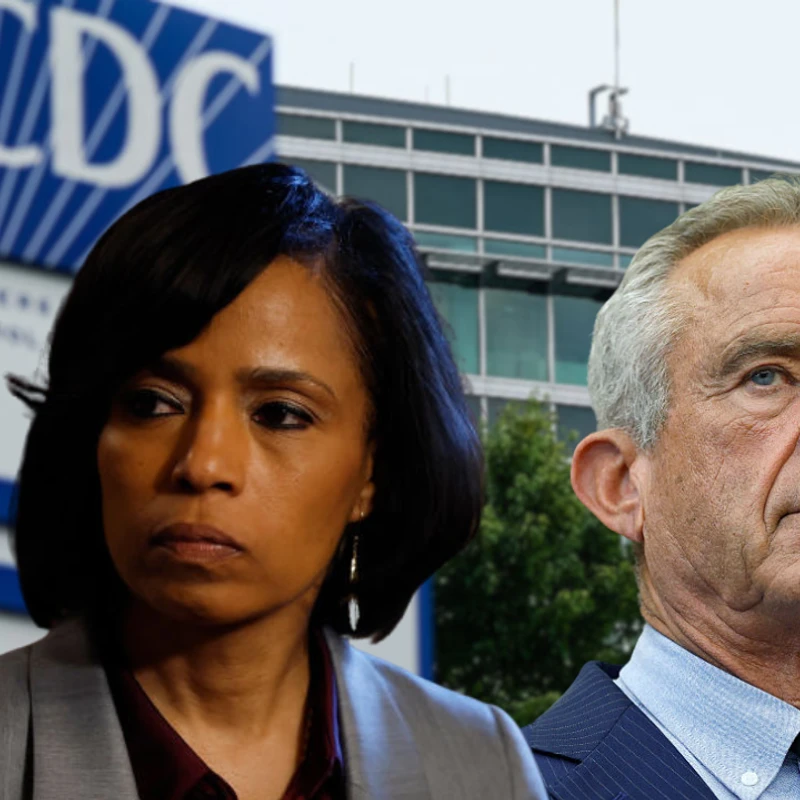
    Tensions are high in the medical community following a controversial vote by a Centers for Disease Control and Prevention (CDC) advisory panel. For the first time since 1991, the panel has voted to end the recommendation for newborns to receive the Hepatitis B vaccine shortly after birth. This decision has drawn sharp criticism, particularly from U.S. Senator Angela Alsobrooks.

    A Vote That Risks Children’s Lives

    The Advisory Committee on Immunization Practices voted 8 to 3 to end the 34-year-old recommendation. This move is seen by critics as a direct result of Health and Human Services Secretary Robert F. Kennedy Jr.’s influence, given his long-standing skepticism about childhood vaccines. Senator Alsobrooks didn’t hold back, accusing Kennedy and his supporters of ‘risking children’s lives’ to push ‘cockamamie conspiracy theories.’

    Alsobrooks, who has previously called for Kennedy’s resignation, stated, ‘The federal government is supposed to improve American lives, not kill Americans.’ Her strong words highlight the deep concern over the potential public health implications of this policy shift.

    Understanding Hepatitis B and the Vaccine

    Hepatitis B is a serious and highly infectious virus that can lead to chronic liver disease, especially in children. For decades, the CDC has recommended that the first dose of the vaccine be given to newborns within 12 hours of birth if the mother is infected, and within 24 hours for all other infants. This early vaccination is a crucial step in preventing long-term health issues.

    The recent panel vote, which still requires approval from the CDC director, suggests that mothers who test negative for the virus should consult their healthcare provider to decide ‘when or if’ their child receives the vaccine at birth. This introduces a level of uncertainty and potential delay in vaccination.

    Concerns Over Leadership and Scientific Integrity

    The decision comes amid broader concerns about Secretary Kennedy’s leadership. It’s noted that he previously fired all 17 members of the vaccine panel in June, replacing them with individuals who reportedly share his skepticism towards vaccines. Senator Alsobrooks, a member of the U.S. House Committee on Health, Education, Labor and Pensions, emphasized this point.

    She urged Americans to rely on their doctors for health decisions, not on ‘handpicked conspiracy theorists’ who she believes have ‘zero interest in science, medicine, or saving American lives.’ Alsobrooks also called on her Republican colleagues to prioritize the American people over loyalty to the current administration.

    What are your thoughts on the CDC panel’s decision regarding the Hepatitis B vaccine for newborns? Do you believe this puts children at risk? Share your views in the comments below!

  • Black Senators Explain ‘No’ Vote on Shutdown Deal

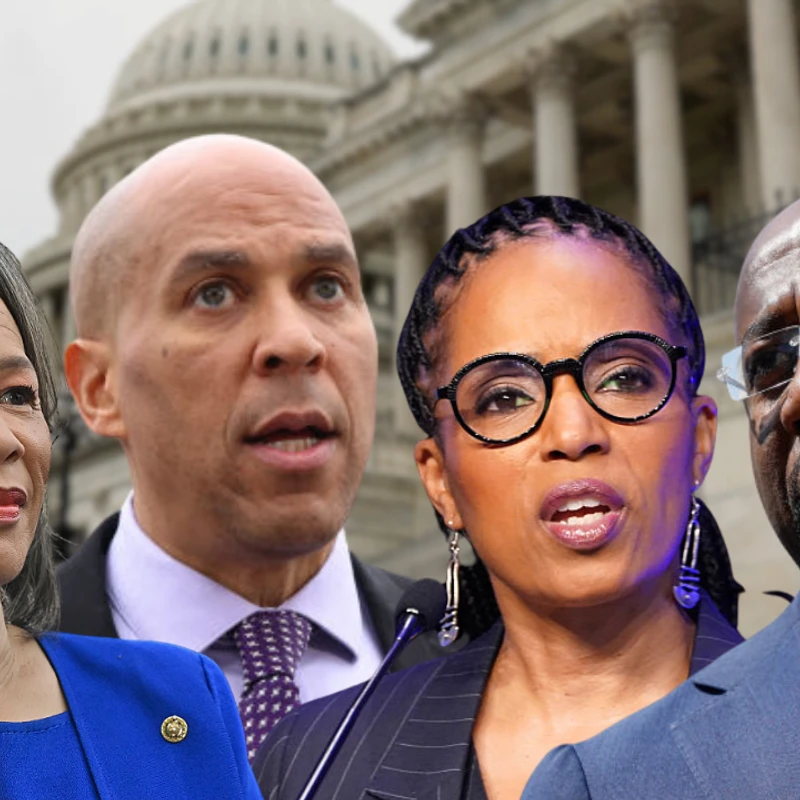
    A significant divide emerged within the Democratic party following a 40-day government shutdown, with eight moderate Democrats ultimately voting with Republicans on a deal to reopen the government. However, all of the U.S. Senate’s Black senators voted against this particular deal, citing serious concerns about healthcare affordability and a lack of trust in their Republican colleagues.

    Concerns Over Healthcare Affordability

    The initial Democratic stance was unified: demand Republicans agree to restore healthcare subsidies under Obamacare, as premiums were slated to skyrocket in 2025. The deal that passed instead postpones a vote on these crucial tax credits until December. This delay left many Democrats, including the Black senators in the chamber, feeling that the agreement fell far short of addressing the immediate needs of their constituents.

    Senator Cory Booker of New Jersey stated, “I will not support a government funding bill that continues to raise our costs, jeopardizes our health care, and hurts the people of my state.” He emphasized his commitment to fighting for Americans facing dire challenges and lowering costs.

    Impact on Constituents and Lack of Trust

    Senator Raphael Warnock of Georgia highlighted that the deal “doesn’t provide relief to the 1.2 million Georgians who are about to see their health care premiums double or more.” He stressed that “People cannot afford that,” referencing KFF data predicting potential increases of up to 114% for Obamacare premiums. Senator Lisa Blunt Rochester of Delaware echoed this sentiment, stating, “Promises don’t make premiums go down. My Republican colleagues in the Senate and House Republican leadership have shown no evidence that they can be trusted, nor do they share our commitment to urgently address this crisis.”

    Senator Angela Alsobrooks of Maryland described the Trump administration’s actions as “a disaster,” noting that Maryland residents are struggling with energy costs and grocery prices. She criticized the continuing resolution (CR) for doing “absolutely nothing to help struggling Marylanders afford health care,” though she did champion language within the CR to reverse Trump-era reduction-in-force (RIFs) during the shutdown.

    Criticism of Trump Administration’s Role

    The Black senators also pointed fingers at the Trump White House for exacerbating the shutdown’s harms. Senator Warnock condemned President Trump and Republicans for “inflicting” pain on constituents, including “needlessly” firing federal workers and “forcing some of our most vulnerable families and children to go hungry by eliminating SNAP benefits.” He argued that the choice between affordable healthcare and stopping the “endless chaos and damage of this President” should never have to be made.

    Blunt Rochester further criticized Trump, holding him “responsible for two of the longest shutdowns in American history” and calling it evidence of his “inability to effectively govern.” She concluded that Republicans “chose to prioritize tax breaks for their billionaire donors over tax credits for the American people’s health care,” adding that history will show they were willing to let Americans go hungry.

    What are your thoughts on the Black senators’ decision to vote ‘no’ on the shutdown deal? Share your opinions in the comments below!

  • Black Leaders React to Pelosi’s Retirement

    A political titan is stepping down. U.S. Representative Nancy Pelosi, a trailblazer who shattered glass ceilings as the first woman to serve as Speaker of the U.S. House of Representatives, has announced her retirement from Congress. Her nearly 40-year career has been marked by significant legislative achievements and fierce political battles, drawing heartfelt reactions from prominent Black leaders across the nation.

    Praise for a Fierce Legislator

    Rev. Al Sharpton, president and founder of the National Action Network, lauded Pelosi’s dedication and impact. He described her as ‘arguably the fiercest check on presidents from Ronald Reagan to Donald Trump’ and praised her for consistently being on the ‘right side of history’ during critical moments, including the pandemic, the murder of George Floyd, and the January 6th attack. Sharpton emphasized that ‘Our nation owes her a debt of gratitude for her self-less service,’ noting NAN’s pride in honoring her for translating Dr. Martin Luther King Jr.’s vision into policy.

    Former President Barack Obama also shared his gratitude, highlighting Pelosi’s unparalleled skill in uniting people and passing legislation. ‘No one was more skilled at bringing people together and getting legislation passed – and I will always be grateful for her support of the Affordable Care Act,’ Obama stated. He added that she ‘made us proud to be Democrats’ and will be remembered as one of the greatest Speakers in House history, wishing her and her husband, Paul, the best in their next chapter.

    A Legacy of Tenacity and Conviction

    Vice President Kamala Harris, a fellow Californian and long-time colleague, recognized Pelosi’s ‘tenacity, conviction, and legacy as a legislator’ as unmatched. ‘Thank you, Madam Speaker. I am grateful for your friendship, and our nation is grateful for your service,’ Harris said, extending well wishes to Pelosi and her husband.

    Senator Angela Alsobrooks, representing Maryland where Pelosi spent her childhood, expressed deep appreciation for the barriers Pelosi broke. ‘I’m forever grateful for those who broke barriers so I can be where I am today. Speaker Pelosi is one of those people,’ Alsobrooks stated. ‘A fierce fighter for San Francisco and our nation–and ever a daughter of Baltimore–Speaker Pelosi showed us that we have power and a responsibility to use it.’

    Inspiring Future Generations

    Newer voices in Congress also paid tribute. U.S. Representative Jasmine Crockett hailed Pelosi’s career as a ‘masterclass on leadership.’ She noted that Pelosi ‘did it better than most who came before her,’ citing her work on the Affordable Care Act and her steadfast opposition to Donald Trump. ‘Madam Speaker, we salute you,’ Crockett concluded.

    What do you believe is Nancy Pelosi’s most significant contribution to American politics? Share your thoughts and reflections on her career in the comments below!