Tag: Album Reviews

  • Drake’s ‘HABIBTI’ & ‘MAID OF HONOUR’ Review

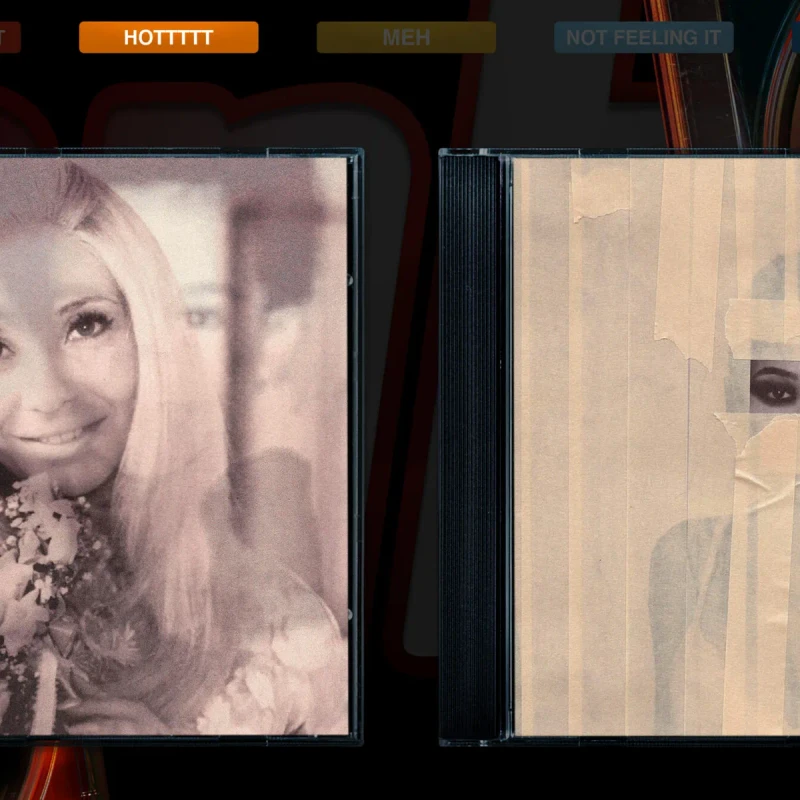
    After a year of being painted as hip-hop’s villain and reluctant savior, Drake has responded in true Drake fashion: by flooding the market. But instead of another sprawling playlist, he delivered ‘ICEMAN,’ his most focused rap album in years, immediately followed by ‘HABIBTI’ and ‘MAID OF HONOUR.’ This trilogy reveals Drake is no longer trying to force a single artistic identity, instead serving different facets of his massive audience.

    ‘ICEMAN’ for the Rap Purists

    ‘ICEMAN’ was clearly crafted for listeners invested in rap battles and legacy discussions. It’s a direct response to the narratives surrounding him, proving he can still deliver a sharp, focused rap project.

    ‘HABIBTI’: Revisiting Emotional Language, With a Twist

    Following ‘ICEMAN,’ ‘HABIBTI’ shifts focus to the audiences that initially propelled Drake to superstardom: women, clubgoers, romantics, and those who never cared about rap beef politics. This project revisits the emotional territory of his ‘Take Care’ era, but with a crucial difference – Drake no longer sounds convinced by intimacy itself.

    While the music consistently meets his high standards, ‘HABIBTI’ offers a candid look at how Drake’s relationships with women have evolved and perhaps deteriorated. Even his attempts at emotional investment are underscored by a sense of temporary romance and disposable attachment. Tracks like “Slap The City” with Qendresa’s ethereal hook showcase this emotional vacancy, while “Marvin’s Room” gets a spiritual successor in the more exhausted “White Bone.”

    The emotional detachment permeates much of the album. “WNBA” and “High Fives” showcase his rap-singing style, but with different outcomes. “WNBA” delves into paranoia and insecurity, while “High Fives” falls back into hollow bravado, reducing romance to status and flexes. This lack of romanticization of emotional chaos, unlike his earlier work, is what truly separates ‘HABIBTI.’ Even a reunion with PartyNextDoor on “Fortworth” feels strangely hollow, like reenacting muscle memory rather than genuine chemistry.

    ‘MAID OF HONOUR’: Abandoning Identity for Atmosphere

    If ‘HABIBTI’ revisits Drake’s emotional instincts, ‘MAID OF HONOUR’ boldly abandons traditional identity in favor of pure atmosphere. This release is arguably the most fascinating of the trilogy, with Drake sounding liberated from genre expectations, turning ‘Honestly, Nevermind’ into a reference point rather than an outlier.

    Psychedelics seem to fuel ‘MAID OF HONOUR,’ presenting it less as a rap project and more as a dissociative DJ mix. It glides through ballroom, global dance, house, amapiano, Jersey club, and Miami bass, prioritizing movement and escapism over strict cohesion. Gordo’s influence is palpable, but unlike ‘Honestly, Nevermind,’ this project doesn’t solely commit to electronic music. Instead, it blends electro-funk and 80s pop on tracks like “Stuck” and “Road Trips,” while “Hoe Phase” morphs from Miami bass to amapiano.

    The album’s sequencing feels more akin to ‘More Life,’ with cohesion driven by momentum. This approach shines on “Outside Tweaking,” where auto-tune transforms Drake into a detached narrator over frantic Chicago footwork-inspired percussion. “True Bestie” featuring Icon Savvy surprisingly merges Jersey club with heavy drill horns. However, not all experiments land perfectly; “Which One” with Central Cee feels repetitive, and “Rusty Intro” sounds like a calculated attempt at country-pop crossover.

    The closer, “Princess,” is a bizarre dive into mid-2000s emocore, feeling disconnected from the rest of the project. These moments, where experimentation borders on pandering, make Drake’s critiques of others chasing validation harder to take seriously. Yet, these contradictions are precisely what define Drake at this career stage: an artist who has absorbed so many influences that they’ve collapsed into his unique identity.

    Maintenance Over Reinvention

    Ultimately, ‘HABIBTI’ and ‘MAID OF HONOUR’ are less about reinvention and more about maintenance – preserving every version of Drake simultaneously. The rap traditionalist, the toxic romantic, the club obsessive, the genre tourist, the pop star – they all coexist. The genius lies in letting these contradictions exist openly, making the albums compelling despite the occasional awkward seam.

    What do you think of Drake’s ‘HABIBTI’ and ‘MAID OF HONOUR’? Which project resonates most with you? Share your thoughts in the comments below!

  • Drake’s ‘ICEMAN’ Album: A Focused, Yet Flawed, Comeback

    After a period of intense public scrutiny and a high-profile rap battle, Drake has resurfaced with a new persona: ICEMAN. This latest project, ‘ICEMAN,’ finds the superstar grappling with his public image, artistic stagnation, and the pressure to evolve. While it showcases renewed lyrical intent and vulnerability, the album is still a complex mix of renewed focus and familiar Drake-isms.

    From Vulnerability to ‘ICEMAN’

    Following his highly publicized conflict with Kendrick Lamar, Drake has adopted the ‘ICEMAN’ alter ego – a cold, brooding, and perhaps bitter persona born from public humiliation. The review suggests Drake’s artistic struggle wasn’t solely about the allegations but a deeper issue of stagnation. For years, his dominance relied on familiarity, requiring little risk to stay at the top. This comfort eventually led to music that felt creatively weightless.

    The battle with Lamar, regardless of the outcome, shattered the illusion of Drake’s invincibility. The aftermath saw weaker singles, reactive music, and a sense that Drake was losing control of his narrative. ‘ICEMAN’ appears to be the first project in this era that feels genuinely focused, acknowledging that he can no longer coast on his established fame.

    Renewed Lyrical Focus and Emotional Depth

    Within the pressure of needing to prove himself, Drake finds new ways to tap into his career’s strongest aspects. Tracks like “Make Them Cry” serve as reflective centerpieces, reminiscent of earlier impactful songs. The writing here feels more emotionally aware, with personal reflections on his relationship with his father and the growing distance from his associate 40. These moments of introspection are crucial, as Drake finally seems willing to look inward rather than solely mythologizing himself.

    This emotional awareness sharpens his rapping. Despite a few cringe-worthy lines, Drake sounds more engaged with the writing process. Punchlines feel more layered, and conceptual setups, like framing Kendrick Lamar as a magician whose streams vanished, show a return to the intricate wordplay that characterized his earlier work. The album’s cold, soul-heavy production complements this renewed focus, making tracks like “Make Them Pay” and “Firm Friends” stand out.

    Atmospheric Production and Sonic Identity

    The production on ‘ICEMAN’ is a significant strength, easily some of the best Drake has rapped over in years. It largely avoids the trap of feeling algorithmically assembled or trend-chasing. Instead, the album cultivates an atmospheric, cold, and distinctly Toronto sound. Even when influences are apparent, Drake bends them into his own sonic identity.

    Songs like “Whisper My Name” exemplify this, with murky basslines and drifting synths creating an immersive soundscape. Drake’s vocal inflections, while sometimes reminiscent of younger artists like Yeat, feel supported by the rich production rather than like mere imitation. Tracks like “Janice STFU” and “2 Hard 4 The Radio” showcase his ability to blend different influences, from R&B textures to West Coast rap DNA, into something uniquely his own.

    The Pitfalls of Self-Victimization

    Despite these strengths, ‘ICEMAN’s’ biggest weakness lies in its frequent descent into self-victimization. Drake spends a considerable amount of time processing every perceived slight through a lens of persecution, which can become exhausting. While grievances with labels like UMG are understandable, the album often drifts into stranger territory, particularly when he frames criticism through race or religion on “Make Them Remember.”

    These arguments are undermined by internal contradictions, such as criticizing Kendrick Lamar for seeking white validation while simultaneously aligning with internet personalities like Adin Ross. The resentment towards figures like Rick Ross, A$AP Rocky, and others starts to sound less like calculated shots and more like unfiltered venting. While there’s potential for a more introspective album within these feelings, the writing too often circles back to grievance.

    When Menace Falls Flat

    When Drake attempts to lean fully into menace, the album loses momentum. His signature whisper-rasp delivery, used since “MELTDOWN,” rarely sounds convincing here. Instead of intimidating, his vocals often feel like placeholders for someone who could deliver a truly menacing performance. Drake sounds his best when he’s wounded, reflective, petty, or paranoid – not when he’s trying to be monstrous.

    This disconnect impacts otherwise strong tracks. “Run To Atlanta,” featuring Molly Santana, highlights this, as Santana’s infectious energy nearly steals the show, while Drake’s attempts at sounding imposing fall flatter by comparison. Furthermore, featuring artists who spearheaded anti-Drake campaigns undermines his own diss tracks.

    A Return to Stakes

    Ultimately, ‘ICEMAN’ succeeds where Drake’s recent albums have often faltered: it feels like there are stakes involved again. The pressure to prove himself has brought out some of his best work in years. While his ego still plays a significant role, Drake sounds more conscious of criticisms he previously dismissed. The vulnerability woven throughout the project is far more compelling than the revenge fantasies.

    For all its flaws, ‘ICEMAN’ demonstrates that Drake finally understands he isn’t untouchable. The project offers a more focused and emotionally resonant listening experience, even if it occasionally stumbles under the weight of its own persona and grievances. User reviews reflect a mixed reception, with some praising it as his best work in years and others finding it underwhelming.

    What do you think of Drake’s ‘ICEMAN’ album? Does the new persona work? Share your thoughts in the comments below!

  • Drake’s ‘Views’: The Shift from Rapper to Artist

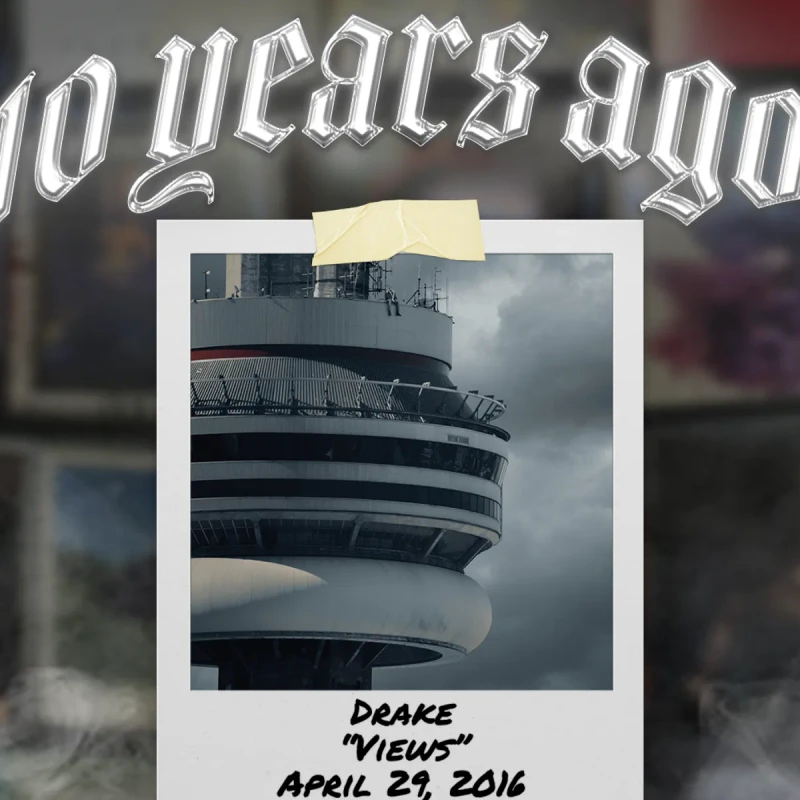
    Drake has a knack for defining eras with his music. From the introspective vibe of ‘Take Care’ in 2011 to the global soundscape of ‘More Life’ in 2017, his albums often become the soundtrack to specific moments in time. But perhaps no album encapsulates this better than ‘Views,’ released in the summer of 2016, which marked a profound shift in his career trajectory.

    The Aftermath of the Meek Mill Beef

    Leading up to ‘Views,’ Drake had already cemented his status as a dominant force in hip-hop. Projects like ‘If You’re Reading This It’s Too Late’ showcased his sharp lyricism and artistic growth. However, the public questioning of his songwriting abilities by Meek Mill during their 2015 beef, despite Drake’s strong response with tracks like ‘Back To Back,’ cast a shadow over his claim to be the ‘greatest rapper alive.’

    While Drake continued to deliver hits and prove his competitive spirit, the ghostwriting accusations lingered. This period created a crucial juncture: continue to battle for lyrical supremacy or pivot towards a broader definition of musical success. ‘Views’ became the undeniable pivot point, signaling Drake’s strategic decision to reorient from being the ‘greatest rapper’ to becoming the ‘biggest artist’ globally.

    Embracing Global Sounds and Scale

    The impact of the Meek Mill situation, though perhaps unintended, pushed Drake to leverage his immense platform differently. ‘Views,’ initially an Apple Music exclusive, leaned heavily into global sounds. Tracks like the Afrobeats-infused ‘One Dance’ featuring WizKid and Kyla, and the dancehall-tinged ‘Controlla,’ became massive international hits, demonstrating Drake’s ability to tap into and amplify emerging global music trends.

    The success of these melodic, globally-influenced tracks underscored a significant shift. While ‘Views’ still contained strong rap verses, it was the songs that embraced pop accessibility and international rhythms that truly defined the album’s cultural impact. This move capitalized on scale and commercial appeal, proving that Drake could achieve unparalleled success without solely relying on traditional rap prowess.

    Redefining Success in Hip-Hop

    Even with its length and occasional criticisms of cohesion, ‘Views’ set a precedent for dominance in the streaming era. Drake’s ability to blend genres, experiment with sounds, and maintain a consistent output transformed him into a cultural chameleon and a global enterprise. The album showcased his evolution from a rapper focused on lyrical battles to an artist who could shape and reflect worldwide musical landscapes.

    While the ghostwriting narrative remained a point of discussion, ‘Views’ ultimately demonstrated that Drake had redefined the metrics of success in hip-hop. He proved that commercial appeal, global reach, and adaptability could be just as powerful, if not more so, than pure lyrical skill, cementing his legacy as one of the most influential artists of his generation.

    What’s your favorite track from Drake’s ‘Views’ album, and how do you think it changed his career? Let us know in the comments!

  • Kanye West’s ‘Bully’: A Review of Redemption?

    So, Kanye West is back with a new album, ‘Bully.’ But does it feel like a triumphant return or something else entirely? This review dives deep into whether ‘Bully’ is a genuine attempt at redemption or just a reminder of past glories, all while navigating the complex persona Ye has cultivated.

    The ‘Friend’ Who Goes Too Far

    The album’s narrative feels akin to that friend who consistently crosses lines, retreats, and then slowly re-emerges, often without truly addressing the fallout. This pattern mirrors Ye’s recent public persona – a stark contrast to the outspoken advocate he once was. His billionaire status and controversial affiliations have shifted his image dramatically.

    After a five-year gap since his last solo album and a string of controversies, ‘Bully’ arrives. It’s less a bold declaration and more a cautious re-entry, a subtle test of the waters to see if the public is ready to welcome him back. The album seems to serve as both a showcase of his undeniable production talent and a tentative step towards reconciliation, without the full accountability many might expect.

    Navigating Familiar Territory

    Tracks like “King” tread familiar ground, with Ye embracing the ‘villain’ narrative and defying cancel culture. However, the confidence feels a bit more brittle now. The lyrical sharpness that once defined his work, fueled by a vibrant creative ecosystem, seems somewhat diminished. This is evident on tracks like “This A Must,” which relies heavily on ad-libs from features to inject youthful energy.

    Despite claiming the ‘King’ title for years, Ye appears increasingly disconnected from current youth culture. His attempts at creating a party atmosphere often feel directionless. The album also features collaborations like “Father” with Travis Scott, which delivers a powerful, bass-heavy sound, but even here, lyrics sometimes veer into brand endorsements rather than genuine artistic expression.

    Production Prowess vs. Lyrical Depth

    Where ‘Bully’ truly shines is in its production. Ye’s instinct for sampling remains unparalleled, offering moments of smooth, soulful flips on tracks like “Whatever Works” and “Punch Drunk.” The haunting interpolation on “Circles” is captivating, showcasing his producer’s ear that has historically reshaped hip-hop’s sonic landscape.

    However, the stellar beats can’t entirely mask the album’s lyrical shortcomings. While Ye might not be at the forefront of current MC trends, his production skills are undeniable. Yet, the album often feels like it’s sidestepping controversy rather than confronting it, leading to a safe sound, especially on pop-leaning tracks like “All The Love.”

    The saving grace is his admission that “no one bigger than the program until they’re bigger than the program”—one of the rare acknowledgments of how his controversies have been entangled in his ego as much as his mental health struggles. — Aron A., HotNewHipHop

    A Missed Opportunity for True Reckoning?

    The initial ‘Bully’ EP hinted at a more promising direction, with production on tracks like “Preacher Man” and “Beauty & The Beast” suggesting a strong reentry. However, scaling back his collaborative approach seems to have weakened the lyrical content. While Andre Troutman’s contributions on “White Lines” and “All The Love” are notable, the album ultimately misses the mark by not fully embracing the raw, messy authenticity that defined Ye’s earlier work.

    Instead of processing controversies through compelling narratives, ‘Bully’ leans on nostalgia, vague boasts, and surface-level defiance. The melancholy that permeates the album might even signal a shrinking dedicated fanbase. It feels less like a comeback and more like a strategic move, perhaps even a prelude to another tour, with Gamma’s backing suggesting a focus on corporate appeal.

    Ultimately, ‘Bully’ leaves you wondering if Ye is capable of delivering the vulnerability and ambition that made his music so impactful. While his genius is still evident in the production, the album feels like a missed opportunity for a genuine reckoning. As HotNewHipHop users rated it 3.69 out of 5 stars, the sentiment seems to be that there’s room for improvement.

    What are your thoughts on Kanye West’s ‘Bully’? Share your review in the comments below!

  • G Herbo’s Evolution: From Fazoland to ‘Lil Herb’

    G Herbo’s journey in hip-hop is a masterclass in artistic maturation. From his early days as ‘Lil Herb’ dropping raw, urgent drill anthems on ‘Welcome To Fazoland,’ to his recent declaration as the ‘Greatest Rapper Alive’ and the introspective release of ‘Lil Herb,’ his career has been a testament to consistent drive and authentic storytelling. He’s navigated the pressures of the industry and personal tragedy, emerging with a perspective that’s both grounded and forward-looking.

    The Urgency of ‘Lil Herb’

    The latest album, ‘Lil Herb,’ marks a significant pivot. It’s not just about capturing the raw hunger that defined his early work; it’s about reflecting on that hunger through the lens of experience, responsibility, and consequence. G Herbo has always possessed a traditionalist’s drive, fueled by a genuine need to survive and cement his legacy. This mission statement has remained constant, even as the drill scene evolved and pressures mounted.

    Unlike many artists who might get stuck in the past, G Herbo has used his experiences—both triumphs and traumas—as a renewable source for his music. Albums like ‘PTSD’ confronted his demons, positioning him not just as a rapper but as a community leader inspiring the next generation. His evolution hasn’t been a straight line; it’s been a complex, Chicago-esque ascent, marked by resilience and a refusal to bend to external pressures.

    Navigating Chaos and Loss

    The past few years have brought significant upheaval, including legal troubles, public scrutiny, and fatherhood, all navigated under the intense spotlight of fame. The tragic loss of Juice WRLD, in particular, served as a stark reminder that survival in hip-hop now means navigating not just one’s environment but the industry itself. Songs like “1 Chance” and “Fallen Soldiers” on ‘Lil Herb’ pay homage to lost friends, but Juice’s passing highlighted the fragility of fame and the crushing weight of success beyond street-level dangers.

    Across his discography, G Herbo has grappled with this expanded definition of survival. ‘PTSD’ marked an admission of vulnerability, ’25’ acknowledged his own fallibility, and ‘Survivor’s Remorse’ spoke to his emotional state. ‘Lil Herb’ feels like a culmination of these chapters, not an attempt to recreate his youth, but to understand the kid he was and the man he has become.

    A New Perspective on Drill

    The production on ‘Lil Herb’ reflects this duality. Tracks like “Every Night” and “Radar” retain the tension of his early sound but are delivered with a more measured, articulate emotional lens. “Emergency,” featuring a Wyclef Jean sample, transforms panic into reflection, viewing trauma not as a spectacle but as an inheritance. And “Thank Me,” with Anderson .Paak, clearly signals G Herbo’s artistic growth beyond his initial archetype.

    What makes ‘Lil Herb’ so resonant is G Herbo’s ability to look back with clarity. He’s not romanticizing the past or the chaos of his early days. Instead, he’s offering a mature perspective on his journey, a crucial aspect of drill maturation that often goes undocumented. It’s rare to see artists at 30 meaningfully assess the cost of both their street experiences and their industry ascent.

    What are your favorite G Herbo tracks that showcase his evolution? How do you feel about the themes on his latest album, ‘Lil Herb’? Share your thoughts in the comments below!
  • Mobb Deep’s ‘Infinite’: A Posthumous Masterpiece

    The line between honoring the past and being confined by it is a delicate one, especially when creating new music without a key collaborator. For Havoc, this became a central challenge when approaching a new Mobb Deep album following Prodigy’s passing. Yet, just a week after Pitchfork ranked “The Infamous” among the greatest rap albums ever, Havoc, alongside longtime Mobb Deep collaborator The Alchemist, has delivered “Infinite” – a final, triumphant offering for fans.

    A Holistic Approach to Honoring Prodigy

    In an era dominated by technology, the creation of an album using posthumous vocals presents unique challenges. However, “Infinite” adopts a holistic approach, channeling the undeniable synergy between Havoc and Prodigy. Havoc’s deep understanding of his partner-in-rhyme, combined with his early guidance to The Alchemist, created a blueprint that captures the essence of Mobb Deep’s enduring appeal in the volatile rap landscape.

    The project’s first two singles, “Against The World” and “Taj Mahal,” immediately resonated, acknowledging both the void left by Prodigy and Havoc’s intuitive ability to carry the torch while honoring his legacy. “Against The World,” with its triumphant yet muted choral sample and trumpet, allows Prodigy’s cool presence to shine through Havoc’s production, capturing the quintessential Mobb Deep chemistry even after seven years apart.

    Reflection, Evolution, and Grown-Man Rap

    The album maintains a militaristic attitude reminiscent of Mobb Deep’s classics like “Survival of the Fittest,” but viewed through a lens of reflection. “Taj Mahal” sees The Alchemist on production, with Prodigy delivering sharp-tongued bravado while Havoc cleverly references “The Infamous.” The project excels in its sensitive and mindful handling of Prodigy’s verses, creating a safe space that doesn’t necessarily push sonic boundaries but avoids regression.

    Nas and Havoc elevate mafioso rap into a mature narrative, with references to lifestyle choices that feel more aligned with classic mob films than early hip-hop tropes. Tracks like “Down for You” and its sequel, featuring Jorja Smith and H.E.R., explore seduction with grown-and-sexy wordplay. While Prodigy’s presence on “Down for You” feels slightly dated compared to the R&B features, Havoc’s production expands his palette without sacrificing grit, keeping the album rooted in hip-hop’s underground purity.

    Cinematic Tension and Collaborative Energy

    “Infinite” also features collaborations that highlight Mobb Deep’s lasting influence. “Look At Me” sees Clipse joining Havoc and Pusha T trading verses with cinematic tension, reminiscent of “The Infamous.” The reunion of Raekwon and Ghostface with Havoc and Prodigy on “Clear Black Nights” showcases four hip-hop giants trading vivid verses, complemented by Havoc’s hypnotic loops. While their energy differs slightly from Havoc and Prodigy’s grounded gratitude, it adds a rich layer to the project.

    The inclusion of Big Noyd on “The M, The O, The B, The B” ties the project back to Mobb Deep’s origins. Throughout “Infinite,” a palpable tension exists between Havoc’s artistic evolution and the timelessness of Prodigy’s voice. Tracks like “Pour The Henny” highlight Prodigy’s prophetic awareness of his legacy, with lyrics like, “I lived a full life, don’t cry for me.” While we can only speculate on what a 2025 Mobb Deep album might have sounded like with Prodigy, “Infinite” serves as a powerful testament to the foundation Havoc and Prodigy built, honoring their inception and ensuring their influence continues.

    What are your thoughts on Mobb Deep’s ‘Infinite’? Does it live up to the legacy? Share your review in the comments below!