Tag: AI music

  • Chris Brown’s AI Promo Sparks Backlash: ‘Soulless Art?’

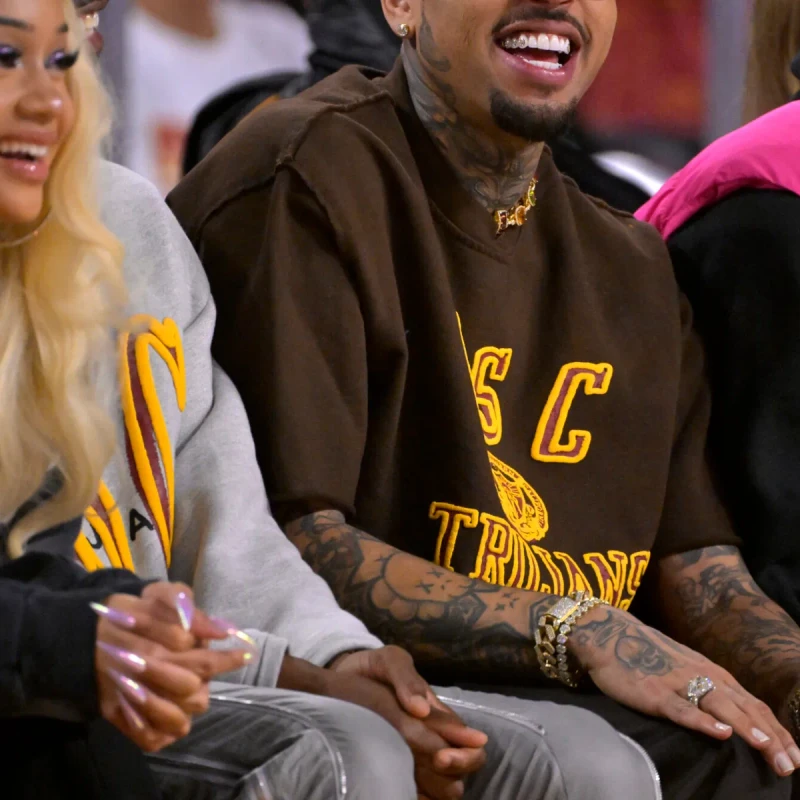
    Chris Brown is on the cusp of releasing his new album, “BROWN,” and gearing up for a massive tour with Usher. However, the rollout has hit a snag, not because of the music itself, but due to his promotional choices. Brown’s decision to use AI for revealing his album’s features list has ignited a fiery debate on social media.

    AI-Generated Features List Causes Stir

    The controversy began when Brown unveiled the star-studded features for “BROWN,” which includes artists like NBA YoungBoy, Bryson Tiller, Sexyy Red, and GloRilla. While the lineup itself is impressive, the method of reveal – a vintage-style poster and a black-and-white video, both clearly AI-generated – has drawn significant criticism.

    This move comes at a time when the use of AI in creative fields is a hot-button issue. Many artists and fans argue that AI lacks the genuine emotion and ‘soul’ that defines true art, and worry about its potential to displace human creatives. The concern is that if AI is used for promotion, it might also creep into the music itself, setting a concerning precedent for the R&B and broader music industry.

    Social Media Reacts to the ‘Soulless’ Promotion

    The irony wasn’t lost on many observers. Huffington Post Culture Reporter Njera Perkins pointed out the contradiction, writing, “The irony of ‘a night of soul’ using soulless AI promo. This is a disgrace.” This sentiment has been echoed across platforms like X, with many expressing frustration over the increasing prevalence of AI in everyday life and art.

    The debate highlights a growing divide among listeners and creators regarding the role of artificial intelligence in music. Whether Chris Brown will reconsider his use of AI for future promotions remains to be seen, but it’s clear that for many, AI in art is a line in the sand.

    What are your thoughts on Chris Brown using AI for his album promotion? Do you think AI has a place in music creation and marketing? Share your opinions in the comments below!
  • AI Music Generation: The Industry’s Shifting Stance

    Remember when AI in music felt like a futuristic, maybe even scary, concept? Well, things are changing fast! Mikey Shulman, the CEO and co-founder of Suno, a leading AI music generation platform, says we’re witnessing a significant “market shift” where skepticism is giving way to broader acceptance within the music industry.

    From Skepticism to Comfort: A New Era

    Shulman notes that compared to just a few months ago, more artists, producers, and songwriters are not only comfortable using AI tools like Suno but are also more open about it. “I don’t meet a lot of producers and songwriters who aren’t using Suno at least a little bit in their workflows,” he told The Hollywood Reporter. This growing comfort signals a major change in how AI is viewed in music creation.

    This shift comes after an initial period of backlash and lawsuits, where platforms were accused of using copyrighted music catalogs for AI training without permission. While some legal battles continue, major players like Universal Music Group and Warner Music Group have begun striking deals to allow the use of authorized content, paving the way for more structured integration of AI.

    AI as a Creative Partner, Not a Replacement

    Suno has been actively working to build trust through initiatives like a Grammy Week songwriting camp. This event brought together artists, executives, and songwriters to demonstrate how AI can enhance, rather than replace, human creativity. Shulman highlighted that the best creatives use these tools to produce even better work.

    The widespread use of AI tools on platforms like TikTok, where users remix and rework songs, further illustrates a fundamental truth: “Everybody is creative.” Shulman believes this trend points towards a future where people will create and interact with music in entirely new ways, including engaging with their favorite artists’ music differently.

    Navigating the Future of Music

    Music industry analyst Tatiana Cirisano expressed pleasant surprise at how the industry is adapting to AI, suggesting music might be better prepared than film and TV for these technological shifts. However, some, like songwriter Autumn Rowe, still voice concerns. While experimenting with AI for demos and remixes, she worries about the potential dilution of songwriting authenticity and the impact on younger writers who might rely too heavily on AI before mastering foundational skills.

    Despite these concerns, the consensus seems to be that AI’s role in music will continue to grow. As Shulman puts it, the future involves “people creating a lot more, and that means interacting with music in new ways.” What are your thoughts on the increasing use of AI in music creation? Do you see it as a tool that enhances creativity or a threat to authenticity?

    What’s your take on AI-generated music? Do you think it’s a positive development for the music industry? Share your opinions in the comments below!

  • Mike Dean Calls Out Timbaland Over AI Music Support

    The debate surrounding artificial intelligence in music is heating up, and legendary producer Mike Dean has just thrown his hat into the ring, directly calling out fellow producer Timbaland. Dean took to social media to question Timbaland’s support for AI music technology, implying financial motivations and warning of impending legal consequences.

    Dean Questions Timbaland’s Financial Ties to AI

    Timbaland has been vocal about his openness to AI in music, acknowledging its potential while also recognizing some challenges. However, Mike Dean publicly challenged Timbaland’s stance, commenting on a post about AI music: ‘I wonder how much money that company gave you to say all this.’ Dean didn’t stop there, adding a stark warning about the future: ‘There are companies out there that have algorithms that will find out what stuff was trained from and Sue whoever doesn’t have ethically trained models pretty simple it’s happening soon -oh.’

    The Complexities of AI, Copyright, and Ethics

    While Dean’s initial comment seems like a direct criticism of Timbaland’s support for AI, his follow-up suggests a deeper concern about regulation, copyright infringement, and the legal fallout from ethically questionable AI models. The conversation highlights the murky waters surrounding AI in music, where artists and producers grapple with its potential benefits and significant risks.

    Dean’s Own Brush with AI Controversy

    Interestingly, Mike Dean himself hasn’t been entirely removed from AI-related controversies. He worked on tracks like Playboi Carti and The Weeknd’s ‘RATHER LIE’ (mixing) and ‘Timeless’ (production), both of which faced accusations from fans regarding AI involvement. Although these claims were never confirmed, it underscores the pervasive and complex nature of AI’s integration into the music industry, regardless of an artist’s public stance.

    As Timbaland continues to navigate the AI landscape and artists like Mike Dean raise critical questions about ethics and legality, the music industry is at a crossroads. The future may hinge on whether regulation can catch up to technological advancement, or if a different path entirely awaits the world of music creation.

    What’s your take on AI in music? Should artists embrace it, or is it a threat to creativity? Share your thoughts in the comments below!

  • WMG & Udio Partner on AI Music Future

    The music industry is stepping into a new era, and artificial intelligence is leading the charge. Warner Music Group (WMG) has just announced a groundbreaking deal with AI music platform Udio, aiming to resolve copyright issues and actively shape the future of AI-generated music.

    A Landmark Partnership for AI Music

    On November 19th, WMG and Udio reached an agreement that resolves their copyright dispute and sets the stage for a new AI music platform scheduled to launch in 2026. This subscription service will be trained on authorized and licensed songs, creating fresh revenue streams for artists while ensuring their work is protected.

    WMG CEO Robert Kyncl emphasized their commitment to artist rights, stating, “We’re unwaveringly committed to the protection of the rights of our artists and songwriters, and Udio has taken meaningful steps to ensure that the music on its service will be authorized and licensed.” He added that this collaboration aligns with WMG’s goal to “responsibly unlock AI’s potential – fueling new creative and commercial possibilities while continuing to deliver innovative experiences for fans.”

    Resolving Disputes and Embracing Innovation

    This partnership follows lawsuits filed by the RIAA against Udio and rival platform Suno for alleged “mass infringement.” Universal Music Group also settled with Udio last month and is preparing to launch its own licensed AI music platform in 2026. These moves signal a clear industry trend towards embracing AI-generated music in a responsible, licensed manner.

    Meanwhile, Suno continues to navigate copyright battles, even as its valuation soars. The company recently raised $250 million, reaching a $2.45 billion valuation and generating $200 million in annual revenue. Udio, on the other hand, is actively resolving disputes through new deals and plans to offer tools for creating remixes, covers, and new songs, ensuring participating artists and songwriters are credited and compensated.

    AI Music Hits the Charts

    The impact of AI in music is already being felt on the charts. During the week of November 17th, three AI-created songs reached top positions on both Spotify and Billboard charts. One notable example is an anti-migrant anthem by JW “Broken Veteran,” which hit No. 1 on Spotify’s global viral chart.

    AI has ‘democratized music creation.’ — JW “Broken Veteran” (Anonymous AI Artist)

    The anonymous creator behind this AI-powered act defended the technology as “just another tool for expression, especially for people like me who have something to say but lack traditional musical training.” This perspective highlights how AI is lowering the barrier to entry for music creation, making it more accessible to a wider range of individuals.

    What are your thoughts on the rise of AI in music? Do you think it’s a positive development for artists and fans? Share your opinions in the comments below!