Tag: afro

  • Vogue’s ‘Cloud Bob’ Sparks Outrage Among Black Women

    Vogue is once again under fire, this time for rebranding the iconic afro as a ‘cloud bob.’ The fashion publication recently featured Tracee Ellis Ross’s signature fro in a list of summer haircuts under this new moniker, sparking immediate outrage and accusations of blatant cultural appropriation.

    Erasure of Black Identity and History

    The decision to rename a hairstyle deeply rooted in Black culture and history has been met with widespread frustration. For Black women, the afro is more than just a hairstyle; it’s a symbol of identity, pride, and resistance. The idea that it needs a new, rebranded name, especially one credited to a celebrity stylist rather than acknowledging its origins, feels like a deliberate erasure.

    Social media platforms like Threads, X, and TikTok exploded with criticism. Many pointed out that styles like cornrows have previously been rebranded as ‘boxer braids,’ further highlighting a pattern of appropriation. The backlash was so intense that Vogue reportedly removed the ‘cloud bob’ from its list shortly after its publication, though the implication and the initial misstep remain.

    The Need for Acknowledgment, Not Rebranding

    The article highlights that styles like french rolls, rope twists, microbraids, and top knots are already established. The afro, with its rich history and cultural significance, doesn’t need to be reinvented. Instead, publications like Vogue should acknowledge its legacy, as exemplified by icons like Diana Ross, Angela Bassett, and Colin Kaepernick, who have proudly worn afros.

    The piece criticizes the ‘colonial energy’ that seems to persist, where contributions from Black culture are ignored or rebranded to fit a more palatable narrative for a mainstream audience. While not every style piece needs a history lesson, a sentence or two acknowledging the roots of a style can make a significant difference in preventing erasure.

    A Pattern of Insensitivity

    This isn’t an isolated incident for Vogue. The publication has faced similar accusations of cultural appropriation in the past, including rebranding afro-inspired images as ‘Gibson Girl’ in 2018 and decentering plus-size bodies in a ‘Hairspray’-inspired video. Critics argue that this insensitivity is not a mistake but is ‘built in.’

    The burden of prestige placed on institutions like Vogue means they have a significant influence on societal perceptions. When they rebrand cultural staples, it can overshadow the original context and voices. In an era where AI is increasingly used for information gathering, the authority Vogue holds makes such missteps particularly dangerous, potentially leading to the marginalization of Black beauty standards.

    The Importance of Representation

    The recent news of Teen Vogue’s downsizing further amplifies the concern. The absence of diverse voices within these publications can lead to insensitive content and the rebranding of Black cultural elements. This is how styles seen on the streets for generations get rebranded as new trends, simplifying erasure for those who don’t seek a broader perspective.

    What are your thoughts on Vogue’s ‘cloud bob’ controversy? How important is it for major publications to accurately represent and credit cultural origins? Share your views in the comments below!

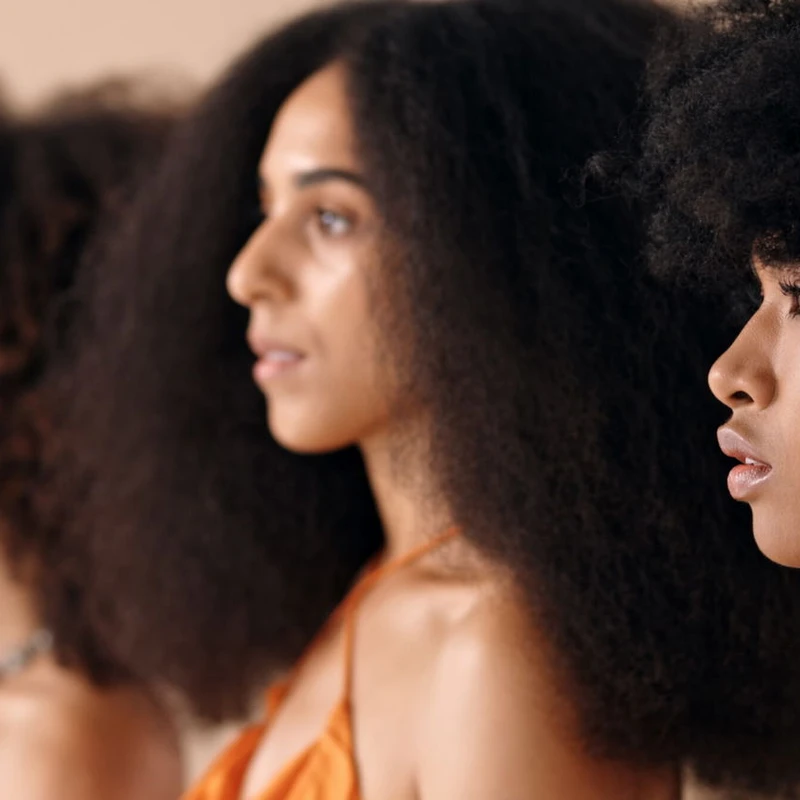
  • Vogue Slammed for Calling Afro a ‘Cloud Bob’

    Vogue is facing significant backlash on social media after attempting to rebrand the iconic Afro hairstyle as a “cloud bob.” The fashion magazine’s article, which highlighted hairstyles for thick hair, has been widely criticized by Black women who see it as an attempt to “gentrify” and strip a culturally significant style of its roots.

    The ‘Cloud Bob’ Controversy

    The article, which has since been removed, described the “cloud bob” as a “rounded haircut with a soft, airy silhouette” that works well with thick, voluminous hair. While the description itself might seem innocuous, the context of renaming a hairstyle deeply rooted in Black culture and history ignited outrage. Many users on platforms like X (formerly Twitter) and Instagram expressed their frustration.

    One user on X wrote, “It’s 2026, and they’re calling an Afro a ‘cloud bob.’” On Instagram, comments slammed Vogue for the audacity of rebranding a style that is not theirs to rename. The sentiment was clear: Black women are not going to let the Afro be “Christopher Columbus-ed” – a term used to describe the appropriation and rebranding of Black cultural elements.

    The Historical Significance of the Afro

    The Afro hairstyle holds profound historical and cultural significance for Black women. Once dismissed as “nappy” or “unruly,” the Afro gained prominence in the 1960s as a powerful symbol of Black pride and resistance against oppression and white supremacist beauty standards. Activists like Angela Davis and Huey P. Newton proudly wore Afros, making it a statement of defiance and self-love.

    As Chad Dion Lassiter, president of the Black Men at Penn School of Social Work, Inc., explained, the Afro was “Black beauty personified without white validation.” It represented a rejection of societal norms and an embrace of natural identity in the face of systemic injustice. Over time, it evolved into a broader symbol of beauty and cultural identity within the Black community.

    Past Attempts at Rebranding

    This isn’t the first time a major publication has been accused of downplaying the Afro’s significance. In 2015, Allure faced similar criticism for a tutorial titled, “You (Yes, You) Can Have an Afro, Even If You Have Straight Hair,” which featured a white actress. These instances highlight a recurring pattern of attempting to co-opt and redefine elements of Black culture without proper acknowledgment or understanding.

    Hairstylist Tom Smith, whose commentary was attributed to the “cloud bob” description, spoke out on Instagram, stating he was not briefed on the article’s context and did not approve the imagery used. He clarified that his original comments were in relation to a different haircut and were used without his awareness or involvement.

    • Vogue’s article attempted to rename the Afro hairstyle as a ‘cloud bob.’
    • The move was met with widespread criticism from Black women on social media.
    • Critics accused Vogue of cultural appropriation and ‘gentrifying’ Black culture.
    • The Afro has deep historical roots as a symbol of Black pride and resistance.
    • Hairstylist Tom Smith denied approving the context or imagery used in the article.

    What are your thoughts on Vogue’s ‘cloud bob’ controversy? Do you believe this is an example of cultural appropriation? Share your perspective in the comments below!

  • NY Woman’s 6-Foot Afro Sets Guinness World Record

    Talk about hair goals! A New York woman is making headlines for her incredible natural hair, officially setting a new Guinness World Record for the largest Afro. Jessica Martinez’s stunning hair measures an astonishing 190 centimeters (about 6 feet 3 inches) in circumference, surpassing the previous record holder.

    A 20-Year Journey to World Record

    The official recognition came on November 19th, when a Guinness adjudicator visited Martinez to measure her hair. It took three people to get the measurement, highlighting the sheer volume of her magnificent Afro! This incredible milestone is the result of a 20-year journey for Martinez, who decided to stop using relaxers at the age of 12. She sees this record not just as a personal achievement, but as a celebration of the natural hair movement.

    Martinez acknowledges that natural hairstyles, especially Afros, aren’t always celebrated or understood. “Some people still view the Afro as unkempt,” she noted. She emphasizes that natural hair is a lifestyle, not a fleeting trend, and shouldn’t be policed. This record-breaking achievement helps bring positive attention to the beauty and significance of natural hairstyles.

    Passing the Crown with Love

    The previous record holder, Aevin Dugas, who held the title for 15 years, gladly passed the crown to Martinez. Dugas highlighted how Martinez’s achievement raises awareness for the natural hair movement and celebrates the self-love that comes with embracing one’s natural texture. “It’s not a competition, it’s literally all love,” Dugas stated, emphasizing the supportive community around natural hair advocacy.

    While laws like the CROWN Act offer some protection for natural hairstyles in workplaces at the state level, Martinez points out that federal protections are still lacking. In a time where diversity, equity, and inclusion efforts are sometimes rolled back, celebrating achievements like this record is more important than ever. It sends a powerful message about acceptance and the inherent beauty of natural hair.

    What do you think about Jessica Martinez’s incredible world record? Share your thoughts on the importance of celebrating natural hairstyles in the comments below!