
Tag: Affordable Care Act

  • ACA Subsidies: Could You Owe More Taxes?

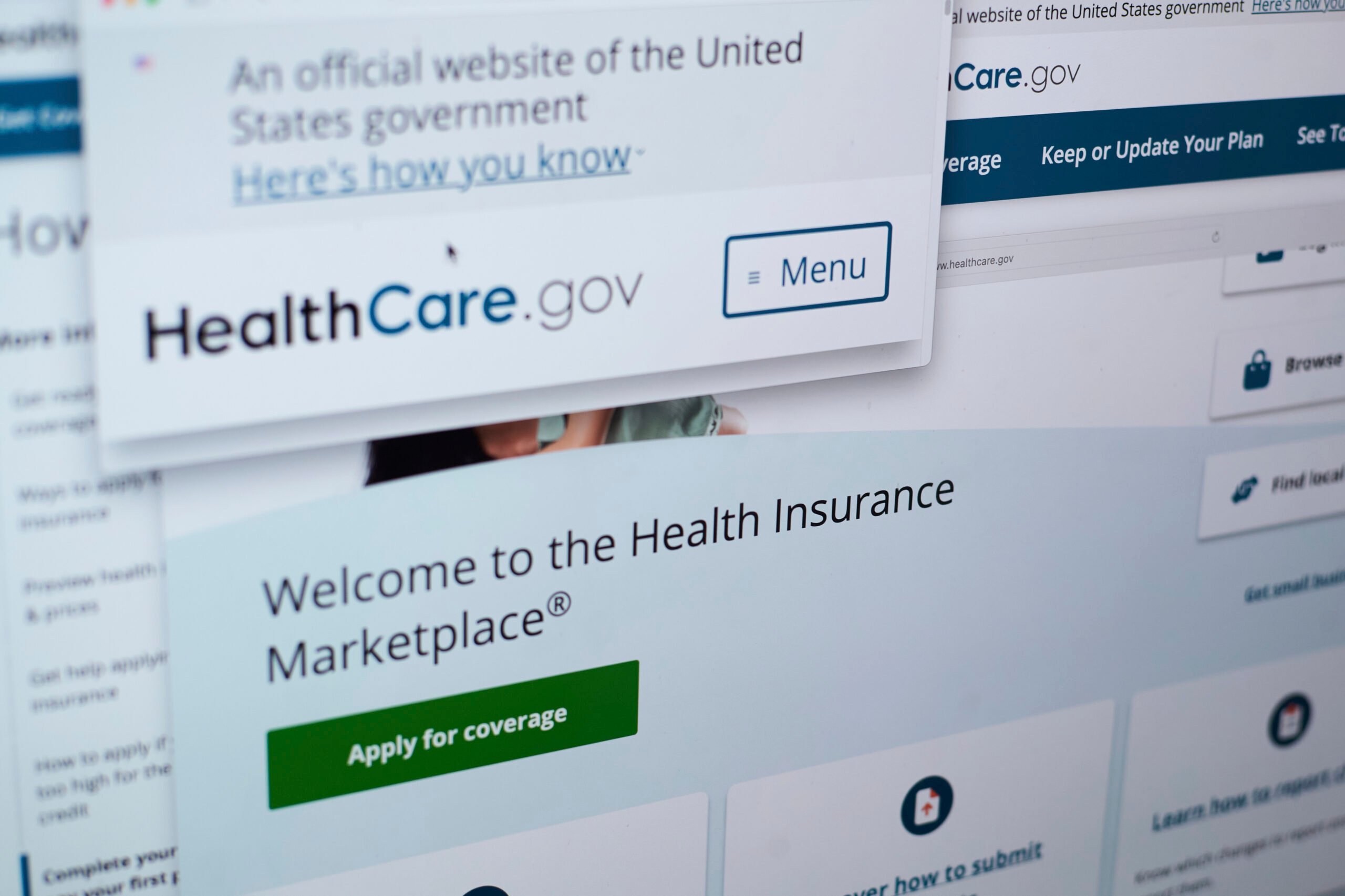
    Did you receive Affordable Care Act (ACA) subsidies in 2025? If so, you might be in for a surprise when you file your taxes in 2026. Stricter rules and potential income fluctuations could mean a larger tax bill than you were expecting. Let’s dive into what you need to know.

    How ACA Subsidies Work (and Why They Can Surprise You)

    Most people who enroll in the ACA receive some form of subsidy assistance to help lower their monthly health insurance premiums. These subsidies are typically paid directly to your insurance provider based on your projected household income. However, come tax time, you’ll need to reconcile the amount you received with your actual earnings for the year.

    This reconciliation happens using Form 8962, where you’ll compare the income data from Form 1095-A (sent by the IRS) with your final tax return. If your actual income turned out to be higher than what you initially projected, you might have to repay a portion of those subsidies.

    Repayment Caps and What They Mean

    For the 2025 tax year, there are repayment caps in place. These caps operate on a sliding scale: a single individual earning under $31,300 (or twice the federal poverty level) might owe up to $375 back. For higher earners, the maximum repayment is $1,625 for individuals and $3,250 for families. However, if your income is more than four times the federal poverty level (over $62,600 for an individual or $106,600 for a family of three in 2025), there’s no cap, meaning you could owe back all the subsidy amounts that exceeded your eligibility.

    The Big Change: No Caps for 2026 Taxes

    Here’s where things get particularly important for your 2026 taxes. The repayment caps that offered some protection for 2025 will disappear. This change, stemming from the “One Big Beautiful Bill Act,” means that if your income exceeds projections in 2026, you could be on the hook for the full amount of subsidies you received, with no sliding-scale limit.

    Consider this: the average monthly premium for ACA health insurance hovers around $619, while the average subsidy received is reportedly much lower, around $74. With Congress not extending subsidies, many people are working more hours to cover healthcare costs. This increased income could easily push them over the eligibility threshold for 2026, potentially requiring them to repay all their subsidies.

    Planning Ahead for Tax Season

    The key takeaway is to be mindful of your income projections throughout the year. If you anticipate your earnings increasing, especially if you’re receiving ACA subsidies, it’s wise to factor in the possibility of owing more on your taxes. Staying informed about your eligibility and potential repayment obligations can help you avoid a nasty surprise come tax season.

    Are you concerned about potential tax implications from your ACA subsidies? Share your thoughts and any tips you have for managing these costs in the comments below!

  • MTG Backs ACA Subsidies, Angering GOP Colleagues

    In the often predictable world of partisan politics, sometimes a surprising move can shake things up. That’s exactly what’s happening with Congresswoman Marjorie Taylor Greene (R-GA), who is making waves by supporting the expansion of Affordable Care Act (ACA) subsidies. This stance has turned heads, especially among her constituents in a deeply conservative district.

    A Shift on Healthcare Policy

    Greene, known for her strong conservative views and loyalty to former President Donald Trump, is now finding herself at odds with some of her Republican colleagues. She’s publicly backed extending ACA subsidies, a move that directly impacts many in her own district. In Greene’s 14th Congressional District, where she secured a significant reelection victory, approximately 74,000 people rely on ACA coverage, with most receiving tax credits to help lower their monthly premiums.

    During a CNN interview, Greene revealed the pressure she’s facing, stating, “I’m getting phone calls from people that are saying if the ACA tax credits expire, they aren’t going to be able to have health insurance. They’re going to have to drop it.” She noted that calls to her office are often from constituents concerned about rising healthcare premiums, with some facing costs that could potentially double or triple if subsidies expire.

    Constituent Support and Party Criticism

    While some Republican voters and colleagues view Greene’s position as a departure from conservative principles, not everyone agrees. David Guldenschuh, vice chair of the Floyd County (GA) Republican Party, suggested Greene is being practical. “She understands what she can do and can’t do, and she understands where you just sometimes need to be practical,” he said. “We do need to supplement the premiums. I think she’s looking out for her constituents.”

    Residents in Rome, Georgia, have expressed mixed feelings. Sara Rogers believes it’s about recognizing who votes for you, stating, “If you’re agreeing with policies that support the people who live in your area, then people are more likely to re-elect you.” Danny Grissom echoed this sentiment, saying, “As long as it’s Americans we’re talking about saving money for… I am on board.”

    Broader Political Commentary

    Greene’s willingness to support ACA subsidies has drawn praise from some Democrats, including Senate Minority Leader Chuck Schumer and House Minority Leader Hakeem Jeffries. However, not all Democrats are convinced of her sincerity. Rep. Jasmine Crockett (D-TX) expressed skepticism, questioning Greene’s understanding of legislation and suggesting her support might be opportunistic.

    Beyond healthcare, Greene has also been vocal about other political matters, calling some of her male Republican counterparts “weak” and defending strong Republican women on Capitol Hill. Her evolving political stances continue to spark debate and capture attention.

    • Marjorie Taylor Greene is supporting the extension of Affordable Care Act (ACA) subsidies.
    • This stance has surprised constituents and drawn criticism from some fellow Republicans.
    • Greene cited calls from constituents worried about losing health insurance if subsidies expire.
    • Local constituents and party officials have offered mixed reactions to her position.
    • Her support for ACA subsidies has drawn praise from some Democrats.

    What do you think about Marjorie Taylor Greene’s support for ACA subsidies? Is it a practical move for her constituents, or a departure from conservative values? Share your thoughts in the comments below!

  • Health Insurance Costs Likely to Rise in 2026

    Get ready for some potentially unwelcome news: health insurance prices are expected to climb in many areas of the market in 2026, and some plans might even offer less coverage. Brokers and healthcare experts are pointing to a confluence of rising costs that could mean higher out-of-pocket expenses for patients.

    Why Are Costs Going Up?

    Insurers are facing a perfect storm of increasing expenses. More people are seeking medical care, including more frequent visits to costly emergency rooms and a rise in mental health treatment claims. Additionally, some insurers report that healthier individuals are opting out of coverage in the individual market, leaving a higher concentration of sicker, more expensive patients.

    The Affordable Care Act (ACA) marketplaces have seen increased enrollment, but changes like stricter fraud crackdowns and tighter eligibility verifications (loosened during the COVID-19 pandemic) could make it harder for some to maintain coverage. As one analyst noted, people who use less healthcare are “disappearing” from the rolls.

    The Impact of Prescription Drugs and New Therapies

    Prescription drug costs, particularly for popular and expensive GLP-1 medications like Ozempic and Wegovy used for diabetes and obesity, are a significant headache for insurers. Beyond these, the advent of high-cost gene therapies, some exceeding $2 million for a single treatment, is also driving up overall costs. These specialized treatments for rare diseases and advanced cancer therapies are leading to a surge in multi-million dollar claims for employers who self-insure.

    These rising costs are directly contributing to premium increases. As one industry expert put it, these new treatments are “adding to medical (cost growth) in a way that we haven’t seen in the past.”

    Marketplace Premiums and Potential Subsidies

    Consumers purchasing insurance through the ACA marketplaces may see the most significant price hikes. Insurers are reportedly proposing premium increases of around 20% for 2026, according to analyses of state filings. However, the actual cost for individuals could skyrocket by 75% or more if enhanced tax credits, which help lower monthly premiums, expire at the end of the year without congressional renewal.

    Small business owners who rely on marketplace plans for their employees are particularly concerned. Without robust employer-sponsored benefits, rising individual costs could force employees to make difficult choices, potentially seeking employment at larger companies with more comprehensive benefits.

    Employer-Sponsored Coverage and Cost Shifting

    While employees might not feel the immediate pinch of rising costs in employer-sponsored plans as acutely (since employers typically cover the majority of premiums), they may notice changes in coverage. Many large employers are considering shifting more costs to employees, potentially through higher deductibles or increased co-pays before out-of-pocket maximums are met.

    Changes to prescription drug coverage are also on the horizon. Insurers might implement caps on expensive obesity treatments, limit who can access them, or introduce separate deductibles for pharmacy and medical benefits. While employers are hesitant to cut benefits, the escalating pharmacy costs suggest that significant changes to prescription coverage could become more common if costs aren’t managed.

    How do you anticipate these potential health insurance changes will affect you or your family? Share your thoughts and concerns in the comments below!