Tag: Advice

  • Class of 2026: Real Advice for Post-Grad Life

    Hey Class of 2026! You’ve officially crossed the graduation stage – huge congrats! But as the confetti settles, you might be looking around and thinking, ‘Okay, now what?’ The transition from student life to the ‘real world’ can feel like stepping into the unknown, especially in today’s unique economic climate.

    Navigating the Post-Grad Landscape in 2026

    Graduating in 2026 means facing a landscape with rising rents, student loan debt, industry layoffs, and a super competitive job market. It’s easy to feel overwhelmed, especially when social media paints a picture of everyone else having it all figured out. But here’s a secret: most people are still figuring it out as they go.

    Experts acknowledge that this period is marked by economic instability. Companies are being more cautious with hiring, which can add pressure. However, this challenging environment is also a prime opportunity to build incredible resilience, boost your confidence, and develop a valuable long-term perspective.

    Embrace the Non-Linear Path

    The truth is, life after graduation rarely follows a straight line. Some of you will land dream jobs instantly, while others might spend months applying, interviewing, or even exploring entirely new directions. Remember, you’re not ‘behind’ if your path looks different. Meaningful growth often happens in those moments of uncertainty.

    One of the biggest hurdles for graduates today is comparison. Seeing peers announce promotions, new businesses, or lavish trips online can spark unnecessary anxiety. But remember, everyone’s journey is unique. Focus on building a life that truly aligns with your personal values, mental well-being, and long-term aspirations, rather than chasing external appearances.

    Redefining Success on Your Own Terms

    This generation is actively redefining what success means. Many graduates are prioritizing work-life balance, flexibility, creativity, wellness, and purpose just as much as a high salary. It’s completely valid to seek financial stability while also fiercely protecting your peace. Finding this balance is a crucial skill for the future.

    Essential Advice for Your Next Chapter

    As you step into this exciting new chapter, here’s some real-world advice to carry with you:

    • **Stop Comparing Your Timeline:** Life isn’t a race. Your journey is valid, whether it’s faster or slower than others.
    • **Build Relationships:** Network genuinely. Strong connections can lead to mentorship, support, and unexpected opportunities.
    • **Apply Widely:** Don’t let one rejection stop you. Keep applying, learning, and showing up.
    • **Your First Job Isn’t Forever:** Many successful careers involve pivots and changes in industry or passion.
    • **Prioritize Mental Health:** Rest, therapy, and boundaries are essential, not optional luxuries. Avoid burnout.
    • **Master Financial Discipline:** Budgeting, saving, and understanding credit are key to long-term stability. Consider staying home longer if possible to save money.
    • **Stay Open to the Unexpected:** Sometimes the best opportunities are the ones you never planned for.
    • **Confidence Grows with Experience:** You don’t need to know everything at once. Confidence builds through practice and consistency.
    • **Be Kind:** How you treat people on your way up matters. Integrity leaves a lasting impression.
    • **Define Success for Yourself:** Don’t let social media or external pressures dictate your happiness.

    Remember, this is *your* life. Embrace the journey, learn from every experience, and build a future that feels authentic and fulfilling to you. You’ve got this!

    What’s the best piece of advice you’ve received since graduating, or what are you most looking forward to? Share your thoughts in the comments below!
  • JAY-Z’s Songwriting Advice: Authenticity is Key

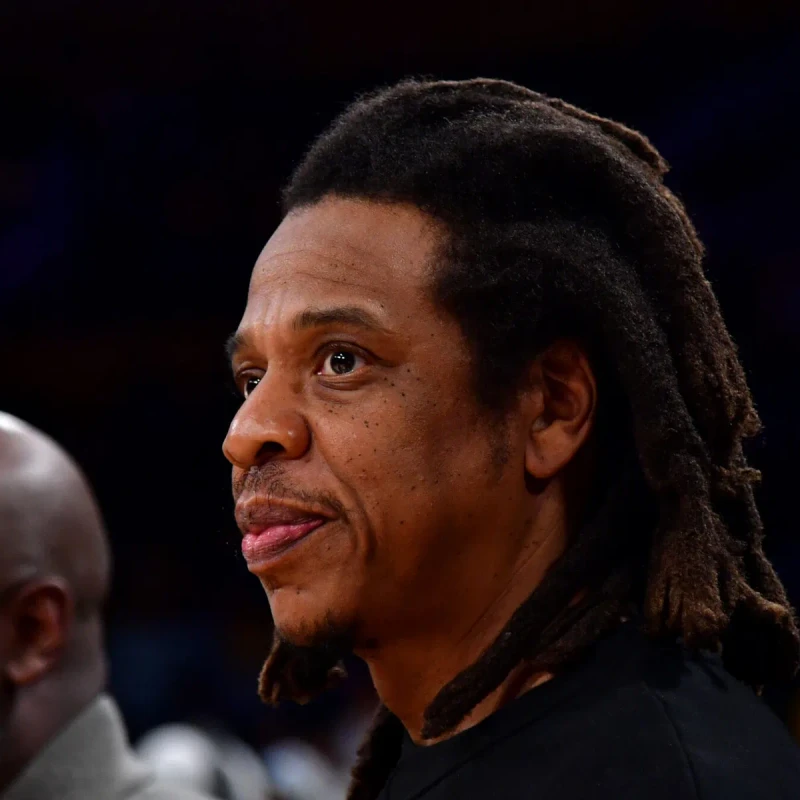
    JAY-Z, recently honored by The New York Times as one of the 30 greatest living American songwriters, is sharing his invaluable wisdom with aspiring artists. In a recent interview surrounding the prestigious list, Hov dropped some serious gems about what it takes to craft truly impactful music.

    The Power of Authenticity

    At the core of JAY-Z’s advice is the unwavering importance of authenticity. He stresses that trying to mimic trends or create music that doesn’t align with your own experiences will always fall flat. “If you’re trying to make young music and you’re not young, it’s gonna be inauthentic, and people can feel that,” he explained.

    His recommendation? “The best thing anyone can do going through music is to tell their story and keep creating from that space.” This focus on personal narrative is what makes music resonate deeply and stand the test of time.

    A Real-World Example

    To illustrate his point, JAY-Z highlighted the work of Clipse, specifically their song “The Birds Don’t Sing.” He praised how the track authentically reflects their personal experiences, including the recent passing of their parents, and features John Legend on the chorus. “It’s an authentic display, a piece of classic material that could’ve come out in ’96 or 2026. It still feels the same because it’s real and authentic to who they are.”

    This sentiment echoes the praise from The New York Times, which noted JAY-Z’s own ability to evolve his style while maintaining authenticity. His album ‘4:44,’ for instance, delved into deeply personal struggles within his marriage and his own life, described by the publication as “far blunter and more bruised than anything he had ever recorded.”

    More Than Just Hov

    JAY-Z wasn’t the only hip-hop titan recognized on the list. Other notable artists like Young Thug, Kendrick Lamar, Missy Elliott, OutKast, Babyface, Bad Bunny, and The-Dream also received nods, underscoring the genre’s rich contribution to American songwriting.

    What’s your favorite song that tells a deeply personal and authentic story? Share it in the comments below and let us know why it resonates with you!

  • Monique Rodriguez: Build Your Business Like It’s for Sale

    What’s the secret to building a massively successful company, even if selling it isn’t your ultimate goal? Monique Rodriguez, the powerhouse founder behind Mielle Organics, has a clear answer: build your business as if it’s destined for acquisition from day one.

    From Kitchen Startup to Global Brand

    Rodriguez, a former registered nurse, started Mielle Organics in 2014 from her own kitchen. Without a formal business plan, she and her husband, Melvin, bootstrapped the textured haircare brand using their paychecks and savings. “We had to make this work because we didn’t have a plan B to fall back on,” she shared, highlighting the immense pressure and risk involved.

    The journey wasn’t easy, filled with the stress of funding inventory and navigating internal challenges. Yet, Rodriguez’s vision and hard work paid off. Mielle Organics grew into a multi-million dollar business, securing placement in major retailers like Sally Beauty, Ulta Beauty, CVS, and Walmart. In 2021, the company made history by raising over $100 million in funding, becoming the first haircare brand to achieve such a feat.

    The Acquisition Strategy: Building a ‘Well-Oiled Engine’

    The culmination of this dedication came in 2023 when Procter & Gamble (P&G) acquired Mielle Organics. Rodriguez emphasizes that this wasn’t a stroke of luck but the result of intentional, long-term strategic decisions. “When you are building a company, always build it like someone is going to buy you,” she advises. “You have to operate like a Fortune 500.”

    Key to this strategy was building a robust C-suite with leaders in marketing, finance, and operations. This created the necessary infrastructure for scaling and sustained growth. Additionally, securing multiple manufacturers provided pricing leverage and strong profit margins, making Mielle Organics an attractive and efficient prospect for potential buyers like P&G.

    Continued Innovation Post-Acquisition

    Even after the acquisition, Rodriguez remains CEO, with her husband serving as COO. This continuity was a significant factor in her decision to move forward with P&G. The deal also included a substantial commitment to Mielle Cares, a nonprofit focused on education and economic empowerment for Black and Brown communities. Since the acquisition, Mielle Organics continues to innovate, recently launching the Lavender & Lychee Scalp Collection, specifically designed for textured hair needs.

    What’s your biggest takeaway from Monique Rodriguez’s advice? Share your thoughts on building a business for growth in the comments below!

  • Daymond John: Invest in Trades Amid Job Uncertainty

    In today’s rapidly evolving economic landscape, “Shark Tank” star Daymond John is sounding the alarm: many jobs are likely to disappear. But he’s not just predicting doom and gloom; John is offering practical advice for families looking to navigate these uncertain times and secure their financial future.

    The Value of Higher Education vs. Trades

    John, who built his FUBU empire without a college degree but acknowledges that most of his employees come from higher education, sees the merit in traditional schooling. He notes how college internships can provide invaluable experience and lead to hiring opportunities. However, he strongly emphasizes the growing importance of vocational trades in the current economy.

    “The trade business is going to rise,” John stated during a recent interview. “Invest in that education if you can.” With many companies, including Verizon, Meta, and Amazon, announcing significant job cuts—some driven by advancements in AI—the job market is becoming increasingly unpredictable. This shift makes pursuing education in skilled trades a potentially more stable and in-demand path.

    Navigating Economic Uncertainty as a Family

    John advises families to adopt a holistic approach when considering their financial future. He raises a critical question about the mounting student loan debt many young people are accumulating for degrees that may not lead to viable job opportunities. “How are children today in high school and college, how are they taking [$400,000] to $600,000 worth of student debt for a job that’s not going to actually exist in another year or so?” he pondered.

    He encourages families to look at their finances comprehensively, considering where their money is going and exploring long-term assets. This includes looking into bonds, cryptocurrency, and blue-chip stocks, suggesting that “cash is trash” in the current climate. The key is to be proactive and informed about investment opportunities.

    Standing Out in Any Career

    Beyond career choices and investments, John stresses the importance of gaining attention, regardless of your profession. “Even if you’re a plumber, you need to make sure that everybody knows about your plumbing services,” he advised. In a competitive market, visibility and effective self-promotion are crucial for success, whether you’re in a trade or a traditional corporate role.

    What are your thoughts on Daymond John’s advice regarding trades and navigating the economy? Do you agree that more emphasis should be placed on vocational education? Share your opinions in the comments below!

  • Debra Lee: Adaptability Amid AI Changes

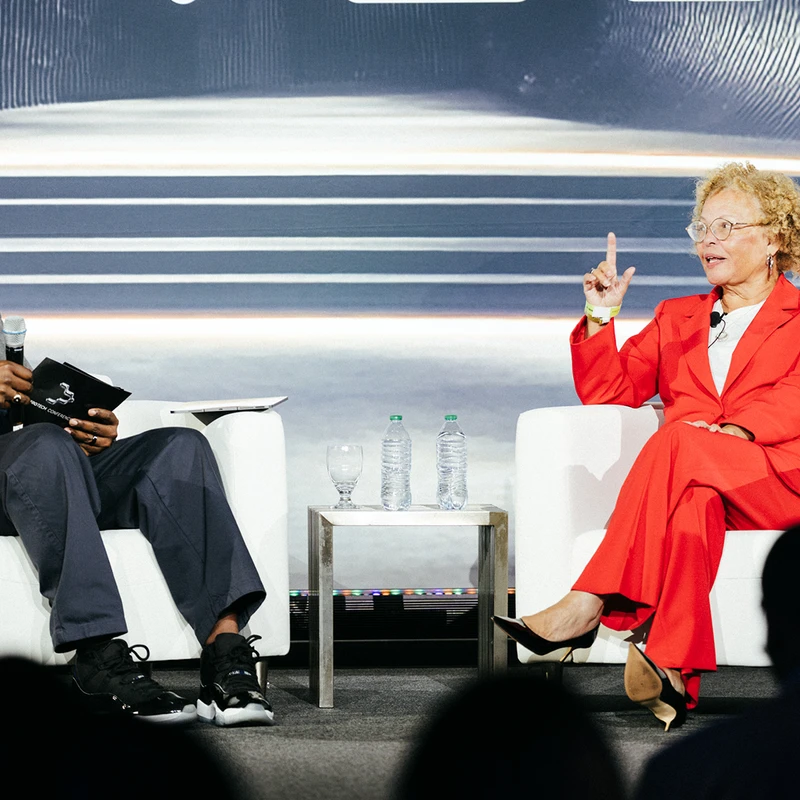
    After an incredible 32-year journey at Black Entertainment Television (BET), former CEO Debra Lee is a living testament to navigating the ever-shifting landscape of media and business. Speaking at the AFROTECH™ Conference 2025, Lee shared her wisdom, emphasizing the critical need for leaders to remain adaptable, especially as artificial intelligence continues to reshape industries.

    A Legacy of Authentic Black Programming

    Lee’s tenure as CEO from 2005 to 2018 was marked by a commitment to authentic, high-quality Black programming. She recalled her unexpected rise from BET’s first in-house counsel to CEO, a role that came with the challenge of defining her vision. Her answer was clear: to prove that Black entertainment could thrive with excellence.

    Under her leadership, shows like “The Game” achieved unprecedented success, drawing millions of viewers. But Lee’s vision extended beyond ratings; she was dedicated to fostering diversity within the company. “My legacy is a little different. I want the high-quality programming to be part of that. But, I also wanted the fact that I hired primarily people of color, a good number of women… I wanted BET to be known for excellence,” she shared. She takes immense pride in having provided opportunities for young people of color and women in the media industry.

    Embracing AI, Not Fearing It

    Lee’s forward-thinking approach was evident even before her departure from BET in 2018. She spearheaded the launch of BET.com, recognizing the growing influence of digital media and the need for a strong online presence. This early adoption of new platforms mirrors her current perspective on artificial intelligence.

    Addressing the current anxieties surrounding AI, Lee urged leaders to move past fear. “I think we’re still struggling with getting over the fear that AI is just going to eliminate jobs. It’s going to eliminate some jobs, but it should also be helpful in terms of how we conduct business and how people can work better together,” she explained. She believes that, like any new technology, the key is to understand how AI can be beneficial and helpful in business operations and collaboration.

    The Importance of Adaptability and Values

    Drawing from her extensive experience, Lee advised attendees at AFROTECH™ to embrace adaptability. “Always realize that we’re all expendable,” she stated, encouraging a proactive approach to career development. Her core message was to “trust your gut” and stay true to your values, whether as an employee or a founder.

    She emphasized the importance of understanding personal and company values, noting that mistakes often happen when individuals ignore their intuition or compromise their principles. Lee’s enduring legacy at BET, coupled with her forward-looking advice on AI and adaptability, continues to inspire leaders in the tech and business world.

    How do you think AI will change your industry? What steps are you taking to stay adaptable? Share your thoughts and strategies in the comments below!

  • Generosity: Juan Bonilla’s Strategy for Brand Growth

    What if the secret to unlocking massive brand growth and securing multi-billion dollar partnerships wasn’t just about data and algorithms, but about something far more human: generosity? At the AFROTECH™ Conference 2025, Juan Bonilla, president of the marketing agency Walton Isaacson, and Ayiko Broyard, executive vice president and head of account management, revealed how strategic generosity is the key to building reputation, earning trust, and truly connecting with clients, even Fortune 100 CEOs.

    The Power of Immersion and Empathy

    Broyard shared how this philosophy shaped Walton Isaacson’s enduring partnership with Lexus. It started with a deep dive into the luxury car buyer’s experience. By visiting dealerships, sitting in the cars, and immersing themselves in the customer journey, the team gained invaluable insights that competitors lacked. This firsthand understanding became the foundation for their experiential strategy: every event must allow people to physically interact with the product.

    This principle extends beyond cars. Whether working with McDonald’s, The Home Depot, or PNC Bank, the core idea remains the same: immerse yourself in the product and lead with generosity. Broyard emphasized that no amount of data can replace the impact of real-world experience. It’s about understanding the client’s ultimate goal – selling cars, fries, tools, or financial services – and leading them there with empathy and insight.

    Beyond Data: Building Trust Through Insight

    Bonilla added that true partnership involves living and breathing the brand, identifying blind spots, and surfacing opportunities before the client even sees them. This proactive approach, he explained, “will get you in the door faster.” Broyard agreed, stating, “At the end of the day, it’s about building a reputation and earning trust.”

    While data is crucial in today’s world, Broyard highlighted the need to connect those numbers with emotional impact. “Data doesn’t just change perceptions. You need the emotional connection part to additionally change connections,” she noted. It’s this blend of analytical insight and emotional resonance that truly shifts perceptions and builds lasting client relationships.

    The Courage to Collide and Start Small

    Walton Isaacson operates under a philosophy called “The Courage to Collide,” believing that innovation thrives when diverse backgrounds and perspectives meet, even if it creates tension. This willingness to challenge the status quo, while risky, drives creative breakthroughs. “We’re going to make sure that we remain authentic and we don’t always agree with our clients. We tell them how we feel, we tell them what they should do,” Broyard explained.

    A key strength for the agency is its ability to start small, taking modest opportunities to build trust and demonstrate value. This long-game approach, fueled by ambition for the client’s success, has transformed initial projects into significant, multi-billion dollar partnerships. It’s about nurturing relationships rather than just closing deals.

    Generosity: The Essential Ingredient

    Broyard concluded by circling back to the core theme: generosity isn’t optional; it’s essential for growth. She encouraged reframing the mindset from simply chasing revenue to actively uncovering and solving problems clients haven’t yet identified. This client-centric approach, rooted in authenticity and partnership, is how lasting relationships are built and how brands stay top-of-mind.

    “At the end of the day, generosity, authenticity… it’s not, at the end of the day, about just winning the business,” Broyard stated. “It’s really about building trust, building a relationship. And at WI, our partners aren’t transactional. They’re our partners. We treat your money like it’s our money, and we’re not wasteful. We are about delivering impact.”

    How do you practice strategic generosity in your professional life? Share your insights and experiences in the comments below!

  • Stacey Abrams on AI, Democracy & Freeway Thinking

    Stacey Abrams, a powerhouse known for her work as a voting rights advocate, novelist, and entrepreneur, recently took the stage at the AFROTECH™ Conference 2025 in Houston. Alongside Dr. Rachel Gillum of Salesforce, Abrams delved into a crucial topic: “Democracy in the World of AI.” She highlighted the rapid integration of AI across all sectors and its profound connection to the future of democracy.

    Driven by Experience: Fighting Poverty and Championing Democracy

    Abrams’ deep commitment to democracy is rooted in her personal experiences with poverty, which she described as both immoral and economically inefficient. She views democracy as the essential framework for ensuring more voices are heard and involved in finding solutions. Her entrepreneurial ventures are fueled by a desire to prevent others from experiencing the hardships she knew growing up.

    “I create companies because I was poor, and I don’t like it, and don’t ever want to do it again,” Abrams stated. She believes that creating economic opportunities and fostering prosperity are key to building a robust democracy. This drive pushes her to tackle challenges from various angles, whether it’s protecting democracy, exploring technological vulnerabilities, or addressing social issues through literature.

    The ‘Freeway’ Approach to Problem-Solving

    When faced with complex issues, Abrams famously advises against sticking to a single path. Instead, she embraces a ‘freeway’ mentality, choosing the approach that will yield the greatest impact. This philosophy guides her diverse endeavors, from her latest novel, “Coded Justice,” to her advocacy work.

    Her novel, released in July 2025, intricately weaves together themes of AI, ethics, healthcare, veterans’ issues, and romance. Abrams uses it as a vehicle to explore AI’s challenges while underscoring the importance of diversity, equity, and inclusion (DEI). She argues that attacks on DEI are fundamentally attacks on the nation’s identity as a multiracial, multi-ethnic society.

    Navigating AI: Opportunities and Responsibilities

    Abrams acknowledged the immense potential of AI to expand knowledge and access, but she also cautioned about its risks, particularly when poorly designed or misunderstood. She stressed that just as with social media, engaging with AI requires careful research, regulation, and understanding. “If we use tools that we don’t understand… then what begins with good intention almost invariably goes wrong,” she warned.

    In a democracy, she emphasized, it’s crucial to consider the needs and vulnerabilities of minorities, not just the majority. To equip communities for this AI-driven future, Abrams highlighted initiatives like Bean Path in Mississippi, which trains individuals to use AI effectively. This proactive approach is vital to ensure communities don’t lose control over technology that could potentially impact their livelihoods.

    Resilience and the Power of Collective Action

    Drawing inspiration from her resilient family history, Abrams urged attendees to be equally aggressive and engaged in protecting democracy. She believes that challenges posed by AI extend beyond jobs to our resilience, fortitude, and imagination. “We cannot be shy about our responsibility to be just as loud, just as aggressive, just as engaged,” she declared.

    Ultimately, Abrams sees democracy not as an abstract concept but as a source of power. She challenged the audience to identify individuals or problems where unseen obstacles exist and to use their skills to make a difference. By increasing the power and access of others, she believes we can not only save the nation but also demand the future we deserve.

    What are your thoughts on Stacey Abrams’ ‘freeway’ approach to tackling complex issues like AI and democracy? Share your insights in the comments below!

  • Hoda Kotb’s Wellness Venture: Emma Grede’s Hiring Advice

    Remember Hoda Kotb from the ‘Today’ show? After a long and successful career in television, she’s embarked on a new journey, diving headfirst into the world of entrepreneurship with her own wellness company, Joy 101. But building a business from the ground up is no small feat, and Hoda recently shared some invaluable advice she received from a true industry powerhouse: Emma Grede, the brilliant mind behind SKIMS and Good American.

    Hoda, a Virginia Tech graduate, spent years as a beloved host on the ‘Today’ show, eventually becoming its co-anchor. However, after reaching what she described as a ‘peak’ in her television career and celebrating her 60th birthday, she made the surprising decision to step away. Her reason? To dedicate more time to her family and explore new passions.

    Introducing Joy 101: A New Chapter in Wellness

    This isn’t just a side project for Hoda; it’s a full-fledged entrepreneurial venture. Joy 101 is a wellness company focused on offering intimate retreats and engaging ‘happiness hours.’ These virtual sessions feature live Zoom conversations with Hoda herself, alongside special guests and experts. The company has also launched a dedicated app, providing users with a daily joy plan. This plan is backed by research and guided by experts, offering courses on crucial topics like self-love, mental health, reclaiming joy, and managing anxiety.

    Hoda shared her feelings about this transition at the Forbes Power Women’s Summit, explaining, ‘Sometimes you leave something you love, and then you find something you love.’ It’s clear that Joy 101 is a true labor of love for her.

    Learning from the Best: Emma Grede’s Wisdom

    While passion fuels Joy 101, Hoda has been candid about the challenges of entrepreneurship, admitting she’s ‘learning how to be a boss.’ Fortunately, she has a seasoned mentor in her corner. Emma Grede, a co-founder of the massively successful SKIMS (valued at $4 billion) and Good American (valued at $3.2 billion), sits on Joy 101’s board.

    During the Women’s Summit, Hoda revealed the single most impactful piece of advice Grede offered: ‘Hire thoughtfully.’ This isn’t just about filling positions; it’s about strategic team-building.

    The Power of Thoughtful Hiring

    Grede’s suggestion? Dedicate a significant portion of your day – around 25% – specifically to hiring. Why? Because when you bring the right people onto your team, you can trust them to do their jobs effectively. This reduces the need for constant oversight and micromanagement, freeing you up to focus on other critical aspects of the business.

    Hoda elaborated on her hiring philosophy, which now prioritizes ‘unbridled enthusiasm’ above all else. She stated, ‘I don’t care where your degree’s from. If you come in saying, ‘I’ll do it.’ If I said, ‘Who can do it?’ ‘I’ll do it.’ If you’re the one with your hand up, you’re the one I’m choosing.’

    This approach highlights a belief in potential and drive, alongside a commitment to hiring individuals who are genuinely passionate about the company’s mission. It’s a powerful strategy for building a dedicated and motivated team.

    Hiring Based on Enthusiasm and Love

    Hoda’s hiring criteria now center on two key elements: enthusiasm and love. This means looking for candidates who are eager to contribute and who genuinely connect with the company’s values and goals. It’s a refreshing perspective that emphasizes the human element in building a successful business.

    This blend of expert guidance from Emma Grede and Hoda Kotb’s own passion and evolving leadership style is setting a strong foundation for Joy 101. It’s inspiring to see how established figures are leveraging their experience to build new ventures that aim to make a positive impact.

    What do you think about Hoda Kotb’s new venture and Emma Grede’s hiring advice? Share your thoughts in the comments below!
  • Bryson Tiller Recalls Timbaland’s Career Advice

    Bryson Tiller, the R&B star known for his hit album ‘TRAPSOUL,’ recently opened up about a challenging experience early in his career that involved legendary producer Timbaland. During an appearance on the “Rory & Mal” podcast, Tiller recalled how Timbaland’s advice to quit his job nearly led him to financial hardship.

    A Risky Career Move

    Tiller’s story began when his breakout single, “Don’t,” started gaining significant online traction. Timbaland reached out, inviting Tiller to collaborate. However, Tiller was hesitant because he had a job at the time. When he expressed this concern, Timbaland reportedly told him, “This is work,” and when Tiller clarified if he should quit his job, Timbaland responded with a simple, “Yeah.”

    Taking Timbaland’s advice, Tiller immediately quit his job and traveled to Miami. There, he recorded several songs that would later feature on his debut album, ‘TRAPSOUL.’ Despite this creative output, Timbaland wasn’t entirely satisfied with the results, and Tiller returned home with limited funds and uncertainty about his professional status.

    Financial Strain and Determination

    Adding to the pressure, Tiller’s girlfriend at the time was already concerned about him quitting his job, as it was their primary source of income for their children. When Tiller called Timbaland to inquire about payment and his signing status, he was told, “Timbaland said he never told you to quit your job.” This revelation left Tiller feeling “sick.”

    Despite these setbacks and the financial strain, Tiller remained determined. “At that point, that was when I realized I was like, ‘All right, I just gotta keep going,’” he recalled. This persistence ultimately paid off, leading to the creation of ‘TRAPSOUL,’ which became a massive success.

    Timbaland’s Response

    In response to Tiller’s account, Timbaland stated, “At that time, I just saw a talented kid. I didn’t know if he wanted to be a full-fledged artist.” ‘TRAPSOUL,’ released in 2015, peaked at No. 8 on the Billboard 200 and achieved triple platinum certification, solidifying Tiller’s place in the R&B landscape.

    What do you think about Bryson Tiller’s story? Have you ever faced a similar situation where career advice led to unexpected challenges? Share your experiences in the comments below!