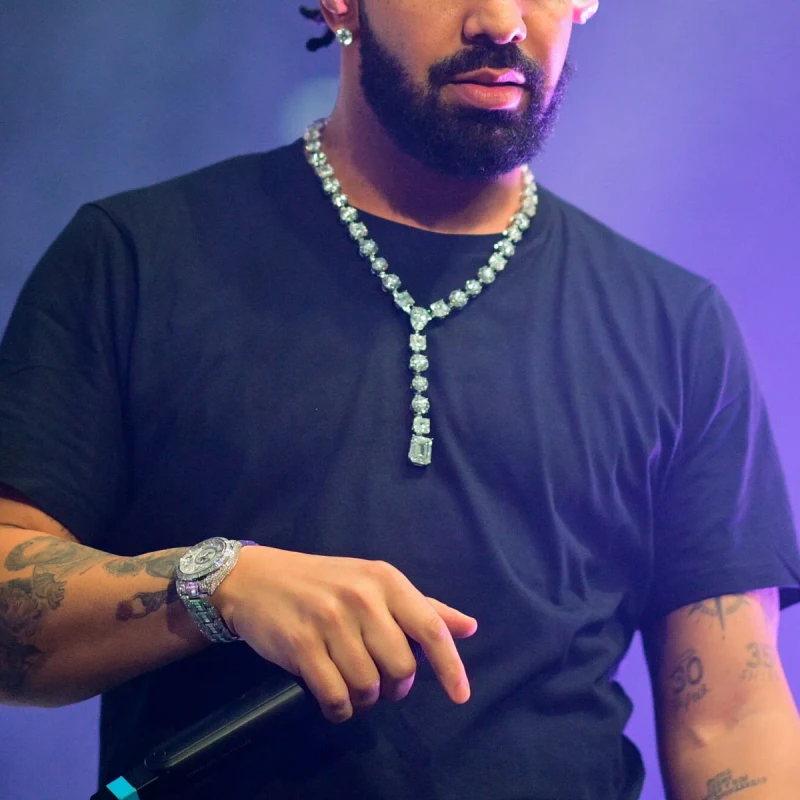
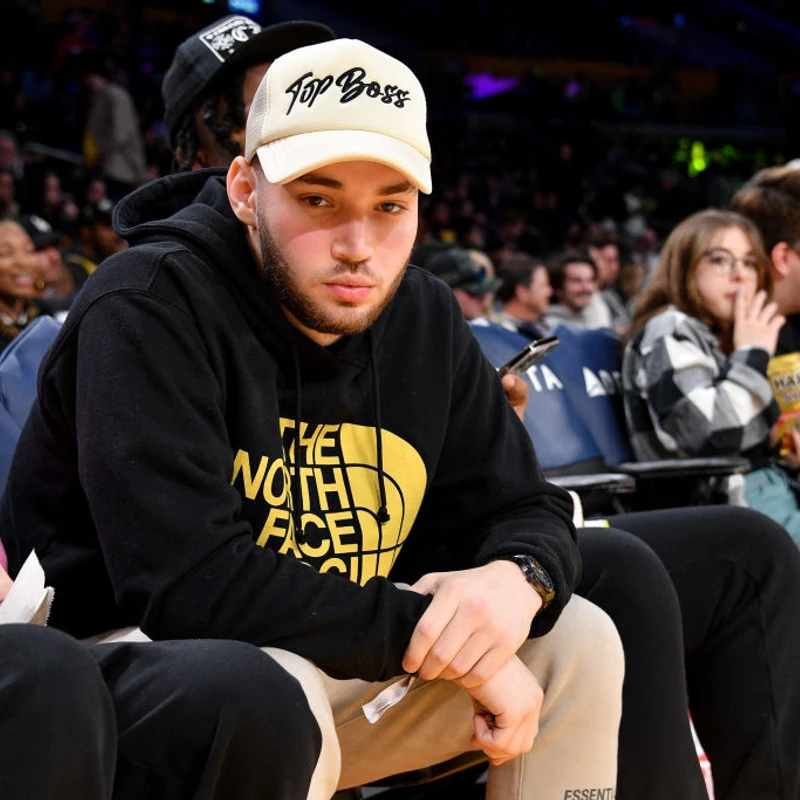
The intersection of entertainment, gambling, and complex financial schemes has landed rapper Drake, livestreamer Adin Ross, and the online gambling platform Stake in hot water. A new civil lawsuit filed in Virginia alleges illegal gambling, deceptive marketing, and, most notably, violations of the Racketeer Influenced and Corrupt Organizations (RICO) Act – a law typically associated with organized crime. While headlines quickly sensationalized it as ‘Drake being hit with a RICO,’ the situation is more nuanced, involving serious civil claims rather than criminal charges.
The Core Allegations: An Illegal Casino in Disguise?
At the heart of the lawsuit is the claim that Stake.us, the U.S. branch of the global Stake.com casino, operates as an illegal online gambling operation. Plaintiffs allege that Stake.us deliberately misrepresents itself as a ‘social casino’ to circumvent American gambling laws. This alleged deception allowed the platform to operate nationwide, even in states where online gambling is prohibited. Users, according to the complaint, were misled into wagering real money under the guise of risk-free entertainment.
The lawsuit details how Stake.us allegedly operates: users purchase virtual ‘Gold Coins,’ which are bundled with ‘Stake Cash.’ This Stake Cash, the plaintiffs claim, can be redeemed one-to-one for cryptocurrency or digital gift cards. Users then wager this Stake Cash on games like slots and roulette, mimicking traditional casino mechanics while operating outside regulatory oversight. The platform profits from user losses, all while allegedly disguising the real-money gambling aspect.
Drake’s Role: Promoter, Partner, or More?
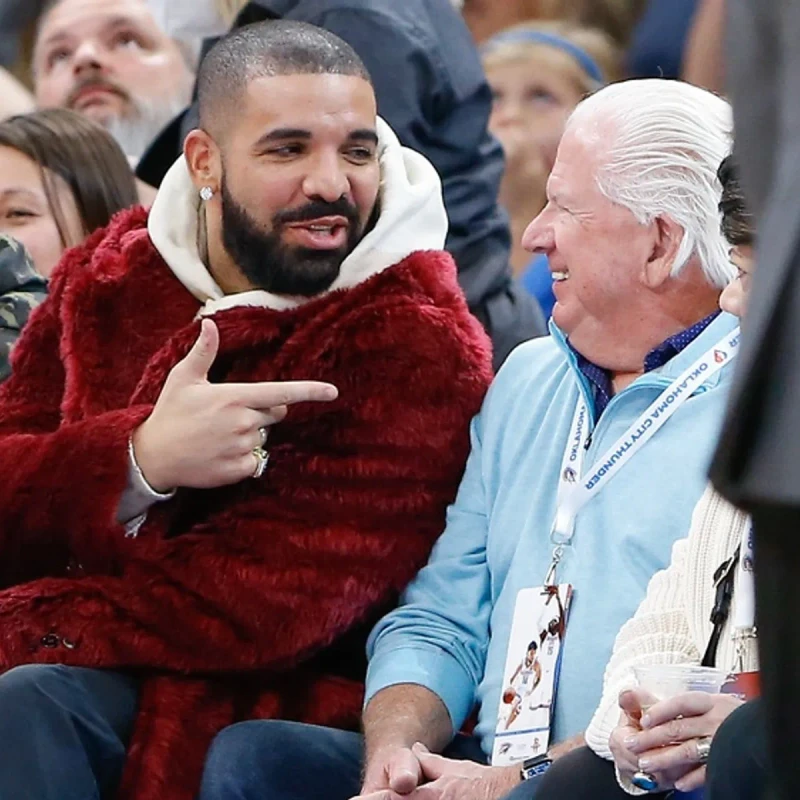
The lawsuit doesn’t accuse Drake of founding or operating Stake.us. Instead, it portrays him as a highly compensated promoter whose public image lent legitimacy to the platform for millions of fans. Court documents suggest Drake earns an estimated $100 million annually from Stake promotions. However, the complaint goes further, alleging that Drake received gambling funds through Stake’s internal systems and facilitated large transfers. These transfers, plaintiffs claim, were used to fund artificial streaming campaigns for his music.
This suggests Drake had both financial and strategic incentives to use Stake not only as a promotional vehicle but also as a means to manipulate his music’s performance metrics. The lawsuit paints a picture of Drake being deeply integrated into the platform’s financial operations beyond simple endorsements.
Adin Ross and the Power of Streaming Culture
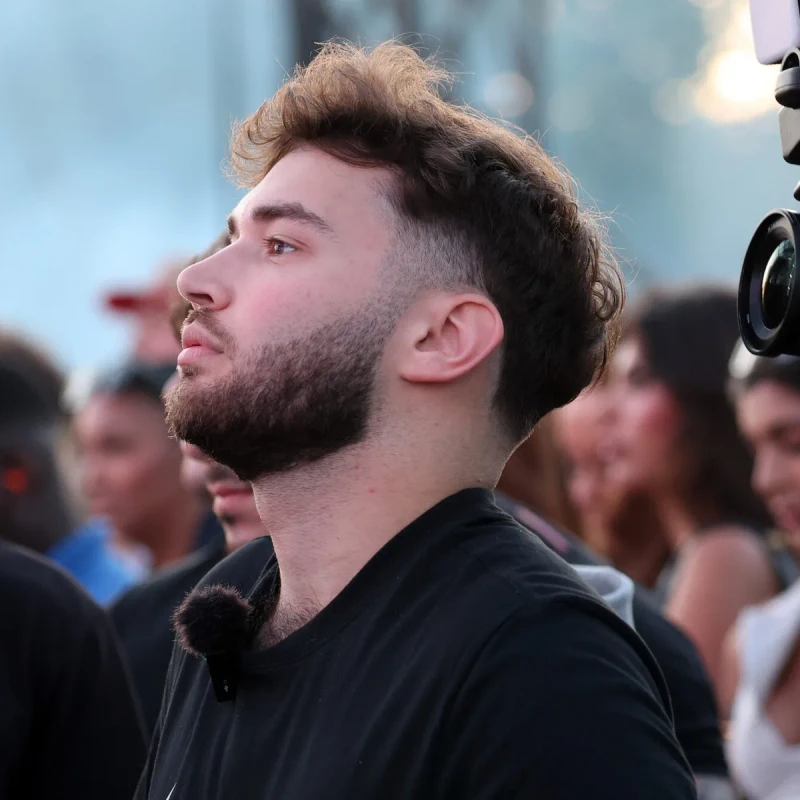
Livestreamer Adin Ross is accused of acting in concert with Drake. The lawsuit claims Ross hosted high-profile Stake.us gambling streams that served as promotional content, further legitimizing the platform. During these streams, Ross and Drake allegedly exchanged substantial sums via Stake’s internal tipping system, including six-figure transfers. The purpose of these transfers, according to the plaintiffs, was to mask the flow of funds used to artificially boost Drake’s streaming metrics.
Ross is depicted as an amplifier who helped normalize Stake.us gambling among younger audiences while participating in the alleged financial mechanisms. These public displays allegedly served to entertain viewers, promote Stake, and conceal the manipulation of Drake’s streaming numbers.
The Controversial Tipping System and Funding Artificial Streams
A critical element of the lawsuit is Stake.us’s user-to-user tipping feature. Plaintiffs argue this system allowed for large value transfers without the transparency expected from traditional financial institutions. This, they claim, enabled Stake.us to function as both a gambling platform and a discreet channel for influencer payments. The lawsuit alleges that this tipping system facilitated the transfer of gambling proceeds from Drake and Ross to intermediaries, such as George Nguyen, who allegedly coordinated with bot operators and streaming farms to artificially inflate Drake’s music play counts on platforms like Spotify.
Why RICO? The Enterprise of Deception
The inclusion of RICO claims stems from the plaintiffs’ assertion of a continuous, coordinated enterprise. They allege that Stake.us, Drake, Ross, and associated intermediaries operated as a unified system, engaging in illegal gambling, deceptive marketing, and the covert manipulation of financial and digital ecosystems. The lawsuit claims this enterprise has been operating since at least 2022, using Stake.us not just for gambling but as a financial infrastructure for routing and concealing funds.
In civil RICO cases, plaintiffs can seek triple damages if a pattern of racketeering activity is proven. The inclusion of these claims significantly raises the stakes, highlighting the alleged seriousness and scope of the defendants’ actions and the potential financial and reputational consequences.
Consumer Harm and the Lawsuit’s Goals
The lead plaintiffs, Tiffany Hines and LaShawnna Ridley, claim they were misled by Drake’s promotions into gambling on Stake.us, resulting in financial losses and exposure to addictive behaviors. The class action seeks to hold the platform and its promoters accountable for allegedly deceiving users about the platform’s legality and risks. The suit requests class certification, at least $5 million in damages (potentially trebled under RICO), restitution, and injunctive relief to stop Stake.us’s current operations in the U.S.
In response to the lawsuit, Stake co-founder Bijan Tehrani reportedly expressed confidence, stating, ‘We’ll do it in 4,’ seemingly unfazed by the legal challenge. However, the allegations represent a significant legal battle with potentially far-reaching implications for all parties involved.
What are your thoughts on these serious allegations against Drake, Adin Ross, and Stake? Share your perspective in the comments below!