Tag: Activism

  • Dr. Marta Moreno Vega: Champion of Afro-Latino Cultural Equity

    In the ongoing pursuit of cultural equity, some individuals stand out as true architects, shaping movements and creating lasting change. Dr. Marta Moreno Vega is undoubtedly one of those visionaries. For over five decades, this esteemed scholar, author, and institution builder has been at the forefront of ensuring that the rich contributions of African and African descendants are recognized and integrated into the fabric of society, particularly within the Afro-Latino landscape.

    A Legacy of Institution Building

    Dr. Moreno Vega’s journey began in El Barrio, where her deep understanding of cultural dynamics took root. Her career is marked by a relentless drive to combat systemic inequality. Her philosophy, “It is in honoring our unique contributions that we establish common grounds of understanding,” perfectly encapsulates her lifelong mission.

    Her institutional legacy started in 1971 when she became the second director of El Museo del Barrio. However, her most defining achievement came in 1976 with the founding of the Caribbean Cultural Center African Diaspora Institute (CCCADI). This international organization was born from a crucial need: to promote and unite Africans and their diasporic communities globally. Under her leadership, CCCADI successfully renovated its landmark home in Harlem, solidifying its presence as a vital cultural hub.

    Expanding Opportunities and Voices

    Dr. Moreno Vega’s commitment extends beyond CCCADI. She has been instrumental in establishing numerous other organizations, including the Association of Hispanic Arts and the Network of Centers of Color. Her foundational role in organizations like the National Association of Latino Arts and Culture (NALAC) and the Global Afro-Latino and Caribbean Initiative (GALCI) further demonstrates her dedication to creating platforms for underrepresented communities.

    In 2017, she founded the Creative Justice Initiative (CJI) to address the chronic underfunding and marginalization faced by arts and culture organizations representing Black/African Descendants, Latinx, Native, Arab, Asian, South Asian, Pacific Islander, Appalachian, LGBTQIA+/Two Spirit, and People with Disabilities. The CJI’s “Achieving Cultural Equity” approach has guided her work, including a national survey to map these disparities.

    Addressing Modern Challenges: Race, Media, and Colorism

    Dr. Moreno Vega remains a vital voice in contemporary discussions, applying her profound understanding of colonialism and diaspora to current issues. Her insights were crucial in the 2021 conversation surrounding colorism in the film ‘In the Heights.’ Speaking on PIX11 Morning News, she eloquently explained how colorism, deeply rooted in Latinx communities and colonialism, continues to impact representation, even in major Hollywood productions.

    Her scholarly and artistic endeavors are equally impressive. She is the chief editor of ‘Women Warriors of the Afro-Latina Diaspora’ and the author of the best-selling memoir, ‘The Altar of My Soul.’ Her personal memoir, ‘When the Spirits Dance Mambo: Growing Up Nuyorican in El Barrio,’ was even co-produced as a documentary. Before her extensive work with foundations, she was an esteemed academic at institutions like New York University.

    Ancestral Wisdom for the Future

    Following the devastating Hurricanes Irma and María in 2017, Dr. Moreno Vega relocated to her ancestral homeland. In 2018, she co-founded Corredor Afro, an international project focused on preserving and highlighting the cultural heritage and ancestral intelligence of Afro-descendants in the Caribbean. More recently, she founded Afro-Global Network, further extending her global perspective.

    Her colleagues laud her unwavering vision for collective liberation, noting its perfect alignment with the global Black Lives Matter movement. Her work consistently creates empowering spaces for communities while actively challenging oppression. In September 2025, this beloved Puerto Rican activist was honored with a Lifetime Achievement Award from Soy Monumental Puerto Rico, a testament to her profound and lasting impact.

    What aspects of Dr. Marta Moreno Vega’s work inspire you the most? Share your thoughts in the comments below!

  • Ayo Edebiri Corrects Interviewer on BLM Question

    During a press junket for her upcoming film ‘After the Hunt,’ actress Ayo Edebiri found herself in a moment that quickly went viral. When an interviewer posed a question about the impact of the #MeToo and Black Lives Matter movements, Edebiri, the only Black woman on the panel, was conspicuously excluded from the direct address. Her graceful yet firm response highlighted the importance of inclusion and the ongoing relevance of these critical social justice movements.

    A Question of Inclusion

    The interviewer directed the question about the future of social justice movements in Hollywood to Edebiri’s co-stars, Andrew Garfield and Julia Roberts, leaving Edebiri visibly confused. The question, which touched upon the perceived ‘end’ of political correctness, seemed to deliberately overlook Edebiri’s unique perspective as a Black woman.

    Despite the awkwardness, Edebiri didn’t shy away. She interjected, “Well, sorry. I know that that’s not for me. And I don’t know if it’s purposeful, if it’s about me — but I just am curious. I don’t think it’s done.” Her statement not only corrected the interviewer but also opened the door for a more inclusive and meaningful discussion.

    The Movements Continue

    Garfield and Roberts echoed Edebiri’s sentiment, affirming that these movements are far from over. Edebiri eloquently elaborated, explaining that while mainstream media coverage might have lessened, the work of activists and individuals continues. She emphasized that the world remains ‘charged,’ and the fight for justice is very much ‘active’ and unfinished.

    The moment quickly gained traction online, with many users calling out the interviewer’s tone-deafness and the strangeness of excluding Edebiri from a question directly related to Black experiences. The incident sparked conversations about how Black actors are sometimes marginalized, even when discussing issues that profoundly affect them.

    Reactions and Reflections

    Social media users praised Edebiri for her eloquent response and for standing up against the apparent microaggression. Many also commended Garfield and Roberts for their support in allowing Edebiri to take the lead on the question. The incident served as a stark reminder of the subtle, and sometimes not-so-subtle, ways Black individuals can be excluded from conversations central to their identities.

    Edebiri’s handling of the situation not only corrected an oversight but also highlighted the ongoing importance of these social justice movements and the need for inclusive dialogue in all spaces, especially within the entertainment industry. Her ability to articulate the continued relevance of BLM and #MeToo, even when faced with exclusion, was truly powerful.

    What are your thoughts on Ayo Edebiri’s response? Have you ever experienced or witnessed a similar situation? Share your experiences in the comments below!

  • Hammonds House Museum Hosts Atlanta Arts Legacy Discussion

    Hammonds House Museum, a vital institution dedicated to celebrating cultural diversity and the legacy of artists of African descent, is set to host an insightful panel discussion on September 20th at 1 PM. This free public event, which requires advance registration, will bring together leading figures in Black art scholarship and curation to explore the intricate networks of mentorship, scholarship, and activism that have nurtured generations of artists, while highlighting Atlanta’s significant role as a hub for Black visual arts and culture.

    Expert Perspectives on Atlanta’s Art Scene

    The panel will feature two distinguished experts with extensive experience in art history, curation, and education. One panelist is a recognized professor and visual artist known for thought leadership in African American art, offering a unique blend of creative practice and scholarly analysis. The other panelist brings a wealth of curatorial experience from both academic settings and major museum institutions, providing diverse perspectives on presenting and preserving Black artistic heritage. The discussion will be moderated by Hammonds House’s artistic director, who will guide the conversation toward understanding how collaborative efforts and community partnerships continue to shape Atlanta’s dynamic arts ecosystem.

    The panelists will also reflect on their collaborative work for the “Black Zeitgeist” exhibition, examining how such partnerships foster artistic innovation and contribute to the development of creative communities. This focus on collaboration underscores the museum’s commitment to showcasing not only individual artistic achievements but also the collective efforts that sustain artistic movements.

    A Museum Rooted in Community and Cultural Dialogue

    Located in a historic Victorian home once owned by a prominent Atlanta physician and arts patron, Hammonds House Museum remains dedicated to community engagement. Its 2025 programming includes workshops, public events, and civic activities designed to foster deeper connections between the community and the art on display. The museum’s operational model, supported by county and city cultural departments, national arts organizations, and private foundations, highlights a strong public and private commitment to preserving and promoting Black artistic achievement.

    The panel discussion aims to illuminate Atlanta’s rise as a national center for Black visual arts and culture, exploring the historical factors and ongoing initiatives that contribute to its influence. The conversation is expected to touch upon the challenges and opportunities facing contemporary artists and cultural institutions in the region, with a particular emphasis on mentorship networks that support emerging talent and sustain creative communities.

    Ensuring Accessibility for Public Engagement

    Hammonds House Museum’s commitment to public accessibility is evident in its decision to offer this panel discussion free of charge. While advance registration is required, removing financial barriers ensures broader community participation. The Saturday afternoon timing is also strategic, accommodating working professionals and community members who may not be available during weekday hours. The intimate setting of the historic venue is expected to encourage personal interaction and community building among attendees passionate about Black artistic heritage.

    What aspects of Atlanta’s Black arts legacy are you most interested in learning about? Share your thoughts and questions for the panelists in the comments below!

  • 24 African American Heritage Sites Receive Grants

    The National Trust for Historic Preservation is shining a spotlight on the rich tapestry of African American history by awarding $3 million in grants to 24 significant sites across the country. These grants celebrate places that are not only critical and iconic but also deeply historic, embodying the spirit of Black American joy, resilience, innovation, and activism.

    A Diverse Range of Honored Sites

    The African American Cultural Heritage Action Fund, an arm of the National Trust chartered by Congress in 1949, is disbursing these funds through its National Grant Program Initiative. This year marks the third time the fund has specifically awarded “Conserving Black Modernism” grants, which focus on preserving and showcasing the architectural achievements of African American architects. Five of the 24 recipients are receiving this specialized grant.

    For the first time, the Action Fund is also introducing its Descendant and Family Stewardship Initiative (DFS). This new initiative aims to empower leadership within descendant communities and family-led organizations, supporting them in the preservation and management of Black historical sites. The National Trust emphasized that the chosen sites represent the vibrant spectrum of Black American experiences.

    Featured Recipients and Their Stories

    The variety of this year’s recipients is truly impressive. Brooklyn, Illinois, one of the nation’s oldest towns founded by freed Black individuals, is among the honored locations. The legendary Apollo Theater in Harlem, New York City, also received funding, recognizing its iconic status in Black culture and history.

    Under the DFS initiative, two highlighted sites are the Muddy Waters Mojo Museum in Chicago, Illinois, and the Clemmons Family Farm in Charlotte, Vermont. The Muddy Waters museum honors the pioneering blues musician, while the Clemmons Family Farm, established in the late 1700s, has a rich history as a hub for African art and is now a landmark on the Vermont African American Heritage Trail.

    Sites recognized for “Conserving Black Modernism” include the First Church of Deliverance in Chicago and the University of Oregon’s McKenzie Hall in Eugene, celebrating the architectural contributions of African American designers.

    Which of these historic sites are you most excited to learn more about? Share your thoughts in the comments below!

  • Lynae Vanee: Edutainment for the Digital Age

    There are voices that simply inform, and then there are voices that ignite. Lynae Vanee, an orator, poet, and cultural scholar, commands both reverence and attention. Transitioning from the classroom to a broader stage, she has become a cultural architect, skillfully weaving Black history, politics, and lived experiences into narratives that are both timeless and urgently relevant. Her platforms, ‘The People’s Brief’ on Revolt and the viral ‘Parking Lot Pimpin” series on Instagram, serve as classrooms without walls, delivering truth with elegance and passion.

    From Teacher to Cultural Architect

    Vanee, who famously declares, ‘I’ma keep it Black, but I’ma keep it brief,’ reminds us that brevity doesn’t diminish depth. Her signature style honors Blackness as a legacy rich with power, resilience, and grace. A graduate of Spelman College for undergrad and Boston University for her master’s in African American Studies, Vanee brings a scholarly foundation to her work, distinguishing her from many online commentators. “Unlike a lot of the people on your feed, typing paragraphs and opinions, I know what I’m talking about,” she states.

    Her educational background, combined with her experience as a high school teacher, shaped her unique approach to blending poetry with activism. Vanee recognized that traditional history lessons could sometimes feel dry or inaccessible. She was inspired to ‘break that fourth paywall of academia,’ making Black studies engaging and relatable for a wider audience. Poetry and performance arts became her tools to ‘break the ice and welcome people.’

    The Power of Brevity and Authenticity

    The phrase ‘keep it Black, keep it brief’ emerged spontaneously, reflecting her commitment to delivering impactful information concisely. Vanee found addressing topics like the intersection of Black identity and queerness particularly electrifying. She believes that a truly decolonized understanding of the Black experience must include and celebrate LGBTQ+ individuals and women, recognizing their contributions as integral to the broader narrative. Her research-backed approach, which includes naming influential Black leaders who were also queer, sometimes sparks controversy, but Vanee stands by her commitment to sharing well-researched truths.

    Vanee also emphasizes the importance of healing and self-care, particularly for Black women who often carry the burden of keeping communities afloat. She advocates for prioritizing rest and self-care, not just as indulgences but as essential acts of resilience and self-preservation. “If Black women take care of themselves, a lot of other things will fall into place, because people will be required to do the work,” she notes.

    A Call to Action and Artistic Evolution

    Reflecting on her collaboration with former Vice President Kamala Harris, Vanee described her as outstanding and insightful, despite the political challenges Harris faced. Vanee urges Americans, especially Black Americans, to remain politically engaged, check voter registrations, attend town halls, support mutual aid, and divest from corporations, emphasizing the power of collective action and playing the ‘long game.’

    Looking ahead, Vanee is returning to her roots as an artist, working on a spoken-word album that will have a professional rollout. She aims to be recognized not only as an activist but also as a multifaceted artist, writer, and storyteller, demonstrating that there are many ways to create impact and take up space.

    What impact has Lynae Vanee’s work had on your understanding of Black history and culture? What topics are you excited for her to explore next? Share your thoughts in the comments below!

  • Kendrick Sampson on Masculinity and Activism

    Actor Kendrick Sampson, known for his roles in ‘Insecure’ and his passionate advocacy, recently sat down with Kiara Walker on the xoMAN podcast for a candid discussion about masculinity, purpose, identity, pleasure, and polyamory. Sampson shared how his spiritual and political awakening has profoundly reshaped his understanding of manhood, relationships, and power.

    Redefining Masculinity Beyond Harmful Norms

    Growing up in Texas, Sampson initially absorbed harmful messages about masculinity, associating it with power, abuse, or violence. However, his personal journey has led him to challenge these traditional views. “It doesn’t have to be,” he stated, emphasizing that masculinity can be defined through connection and purpose. He now sees it as “being in the right relationship with your environment, really. Fulfilling your function. It’s understanding your place in the grand scheme of things.”

    Sampson advocates for exploring masculine and feminine energies as divine and spiritual concepts, rather than rigid definitions. “I think masculine and feminine are divine. I think it’s a spiritual thing. I think that it’s not defined how we think it is. I think it’s something that should be explored for the rest of our lives,” he shared, encouraging a lifelong journey of self-discovery.

    Intentionality in Action and Storytelling

    Through his work in storytelling and activism, Sampson urges listeners to be intentional about how they present themselves to the world. He believes individuals have the power to influence their environment, stating, “You can make your environment less healthy, or you can make it more healthy… I think this is literally being a man. What is your place, and what’s your function right now?”

    Sampson also reflected on the power of mystery, faith, and freedom, suggesting that some profound aspects of life, like God, love, and peace, cannot be fully understood or proven through science alone. His insights encourage a deeper contemplation of life’s complexities beyond empirical evidence.

    What are your thoughts on Kendrick Sampson’s perspective on masculinity and challenging traditional norms? How do you define masculinity in your own life? Share your insights in the comments below!

  • Pittsburgh NAACP Gets New President Focused on Revitalization

    The Pittsburgh chapter of the NAACP has a new leader at its helm, and she’s making it her personal mission to breathe new life into the organization. Jacqueline Hill, a 75-year-old Homewood native with a lifelong dedication to community service, was elected president in July and officially installed on August 2.

    A Commitment to Revitalization and Advocacy

    Hill, who returned to her hometown in 2012, felt a strong sense of ‘obligation’ to run for president and revive the NAACP chapter she admired growing up. Her activism began in her youth, inspired by the riots following Martin Luther King Jr.’s assassination, which taught her the critical importance of equality and fighting for one’s rights.

    Her daughter, Megan, recalls a childhood filled with political engagement, with Hill actively involved in community projects that served the ‘greater good.’ This deep-seated commitment to activism is something Hill has carried throughout her life, including her time in Philadelphia where she directed the African-American Chamber of Commerce and the Pennsylvania Minority Business Development Center, helping secure millions in funding for minority-owned businesses.

    Addressing Key Issues: Membership and Voting Rights

    Hill’s priorities for the Pittsburgh NAACP include growing membership and vigorously protecting voting rights, especially in Pennsylvania, a crucial swing state. She has voiced concerns that requests for voter data by the U.S. Department of Justice could lead to the purging of Black voters.

    She also aims to broaden the NAACP’s support base beyond the Black community, emphasizing that the organization champions the cause of all low-income and disenfranchised individuals. “We all have something in common,” Hill stated. “Poverty is not pretty in Black or white.”

    Community Support and Renewed Enthusiasm

    The election of Hill has already generated enthusiasm. Marcella Lee-Wilson, a 35-year member, expressed excitement, stating, “I’m so excited that Jackie is at the helm.” Brenda Tate, elected second vice president, noted a surge in people reaching out to rejoin the chapter since Hill’s election, recognizing her significant, though often unnoticed, work in the city.

    With Hill’s leadership, the Pittsburgh NAACP is poised for a period of renewed focus and activity, aiming to address critical issues like employment disparities and ensure equitable access to the ballot box for all residents.

    What are your thoughts on Jacqueline Hill’s vision for the Pittsburgh NAACP? How important are local chapters in advocating for civil rights today? Share your opinions in the comments below!

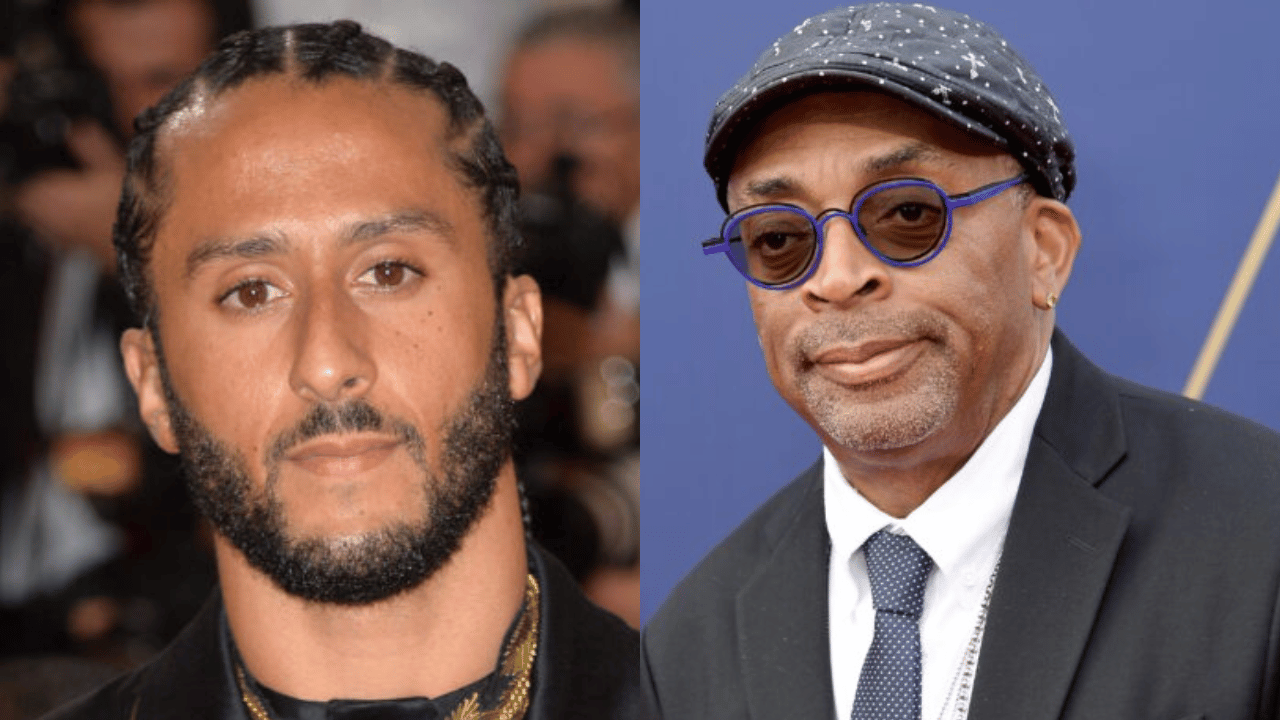
  • Spike Lee, ESPN Shelve Kaepernick Doc

    Fans eagerly awaiting a deep dive into Colin Kaepernick’s journey will be disappointed to learn that the highly anticipated documentary series from director Spike Lee and ESPN Films has been officially shelved. Both parties have confirmed that the project will not be released due to creative disagreements.

    Creative Differences Lead to Project Halt

    ESPN released a statement confirming the decision: “ESPN, Colin Kaepernick, and Spike Lee have collectively decided to no longer proceed with this project as a result of certain creative differences.” The network added, “Despite not reaching finality, we appreciate all the hard work and collaboration that went into this film.”

    Spike Lee, the Oscar-winning director, also commented on the situation, albeit briefly. When asked about the project at the Harold and Carole Pump Foundation dinner, Lee told Reuters, “It’s not coming out. That’s all I can say.” He declined to provide further details, citing a signed non-disclosure agreement.

    Kaepernick’s Impact and the Doc’s Background

    Colin Kaepernick, who played quarterback for the San Francisco 49ers from 2011 to 2016, became a prominent figure in national discourse when he began kneeling during the national anthem to protest systemic racism and police brutality. His activism, while making him a household name, is widely believed to have contributed to the end of his NFL career, as he has not played professionally since the 2016 season. He later filed a collusion grievance against NFL owners, which was settled in 2019.

    Production for the documentary series reportedly began in 2022, with ESPN initially promoting it as a comprehensive, first-person narrative of Kaepernick’s journey. However, reports of creative tensions between Kaepernick and Lee emerged, ultimately leading to the decision to halt the project. A representative for Kaepernick stated that the former quarterback had no comment on the matter.

    What are your thoughts on the cancellation of the Colin Kaepernick documentary? Do you think creative differences are a common hurdle for such projects? Let us know in the comments below!