Tag: Abortion Ban

  • Georgia Woman Charged with Attempted Murder Under Abortion Law

    In a move that has sparked significant debate and concern, a Black woman in Georgia is facing attempted murder charges. This unprecedented situation arises from the state’s strict abortion ban, highlighting the complex and often contentious landscape of reproductive rights following the overturning of Roe v. Wade.

    The Case of Alexia Moore

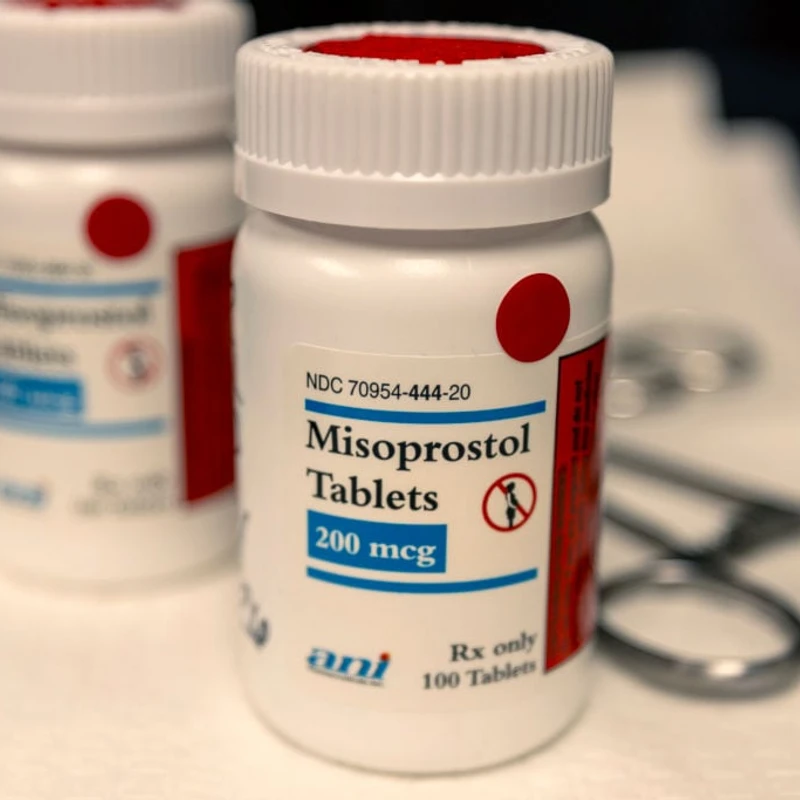
    Alexia Moore, a 31-year-old Army veteran, was arrested on March 4th. Her arrest followed a visit to the Southeast Georgia Health System’s emergency room on December 30th, where she sought treatment for abdominal pain. Hospital staff discovered she was pregnant and had taken an abortion pill, Misoprostol, after the state’s six-week limit for abortions had passed.

    According to reports, Moore had also taken an unprescribed Oxycodone pill obtained from a relative. At the hospital, she delivered a premature fetus that survived for about an hour. The arrest warrant stated that the fetus was considered a ‘human being who was born alive’ under Georgia law, making Moore’s actions subject to severe legal scrutiny.

    Georgia’s Restrictive Abortion Laws

    Since the Supreme Court overturned Roe v. Wade in 2022, states like Georgia have enacted some of the most restrictive abortion policies in the nation. Georgia’s law bans abortions after approximately six weeks of pregnancy, often before many individuals even know they are pregnant. Furthermore, the state prohibits the use of public or private insurance for abortion coverage.

    This legal environment creates a challenging situation for individuals seeking reproductive healthcare. The case of Alexia Moore raises critical questions about how these laws are being interpreted and applied, particularly when individuals seek medical attention for pregnancy-related issues.

    Support and Circumstances

    Friends and family have spoken out in support of Moore, highlighting her struggles with Post-Traumatic Stress Disorder (PTSD), diagnosed after her military service. They describe her as a good person caught in difficult circumstances, noting she already has two children and was grappling with the idea of another pregnancy.

    She’s a decent person who is caught up in her circumstances. — Edith Moore (Mother)

    Her mother, Edith Moore, shared that Alexia endured significant hardship throughout her life, compounded by her military service. This context adds another layer to the understanding of her situation and the legal proceedings she now faces.

    Alexia Moore is currently being held in Camden County jail and was scheduled for a hearing on March 23rd. This case is being closely watched as it could set a precedent for how abortion laws are enforced and the potential legal ramifications for individuals seeking reproductive healthcare in restrictive states.

    What are your thoughts on the attempted murder charges filed against Alexia Moore under Georgia’s abortion law? Share your views in the comments below.


  • Georgia Woman Charged with Murder Over Abortion Pills

    In a case that has sent shockwaves through the nation, a Georgia woman has been arrested and charged with murder after allegedly using abortion pills to end her pregnancy. This unprecedented charge comes in the wake of Georgia’s strict 2019 law banning most abortions, raising critical questions about reproductive rights and the criminalization of healthcare decisions.

    The Arrest and Charges

    Alexia Moore, 31, has been in custody in Camden County since March 4th, facing charges of murder and illegal drug possession. According to reports, Moore admitted to taking misoprostol, a medication commonly used for abortions, along with the opioid oxycodone. Authorities state she was more than six weeks pregnant at the time, which violates Georgia’s law that prohibits most abortions after embryonic cardiac activity is detected – often around six weeks of gestation, before many women even know they are pregnant.

    The situation escalated after Moore sought medical attention at Southeast Georgia Health System Hospital on December 30, 2025, complaining of abdominal pain. Medical staff were informed of her use of abortion pills. Tragically, Moore later delivered a premature baby girl who experienced severe health complications and passed away approximately an hour after birth. Investigators noted that Moore allegedly attempted to leave the hospital and stated to nurses, “I know my infant is suffering because I caused the abortion. I want her to die.”

    Legal and Ethical Implications

    If state prosecutors decide to pursue the murder charge against Moore, it could represent a landmark case in Georgia, potentially being the first prosecution for ending one’s own pregnancy since the state’s restrictive abortion law was enacted. Advocacy groups are already voicing strong opposition.

    No one should be criminalized for having an abortion. — Dana Sussman, Senior Vice-President of Pregnancy Justice

    Dana Sussman of Pregnancy Justice called the case “an unprecedented murder charge for an alleged abortion,” emphasizing the concern that women are being prosecuted for their healthcare decisions.

    The Path Forward

    Moore’s attorney has filed motions requesting bond and a speedy trial, with a hearing scheduled for March 23rd. The ultimate decision on whether to proceed with the murder charge rests with Brunswick Judicial Circuit District Attorney Keith Higgins, who would need to secure a grand jury indictment. This case highlights the complex and contentious landscape of abortion laws and their potential legal ramifications for individuals.

    What are your thoughts on this deeply concerning case? How do you think laws like Georgia’s impact women’s reproductive freedom? Share your views in the comments below.

  • Georgia Woman Charged with Murder Over Abortion Pill

    A 31-year-old mother in Georgia, Alexia Moore, is facing a murder charge after allegedly using an abortion pill to end her pregnancy. This case is drawing significant attention as it could be one of the first of its kind in the state since Georgia enacted its strict abortion law in 2019.

    The Allegations and Legal Charges

    Authorities in Kingsland allege that Moore was over six weeks pregnant when she took misoprostol, a medication commonly used for abortions. According to an arrest warrant obtained by AP News, medical staff noted the fetus had a heartbeat and was struggling to breathe. Moore reportedly told hospital staff she had also taken oxycodone.

    Court documents indicate that the fetus was delivered at the hospital and survived for approximately one hour. Records obtained by 11Alive suggest Moore was estimated to be 22-24 weeks pregnant at the time. An investigator noted that Moore allegedly told hospital staff, “I know my infant is suffering, because I am the one who did the abortion. I want her to die.”

    Advocates Condemn the Charge

    The charge against Moore has been met with strong criticism from reproductive rights advocates. Dana Sussman, senior vice president of Pregnancy Justice, described the situation as “an unprecedented murder charge for an alleged abortion” and stated, “No one should be criminalized for having an abortion.”

    The legal tension stems from Georgia’s Living Infants Fairness and Equality (LIFE) Act. This law bans most abortions once cardiac activity is detected, typically around six weeks of pregnancy—often before many women are even aware they are pregnant. Moore has been held in Camden County jail since March 4 on charges of murder and illegal drug possession.

    Family Defense and Broader Implications

    Moore’s family members describe her as an “excellent mother” and a “good person” caught in difficult circumstances. Her mother, Edith Moore, a local pastor, is advocating for compassion, emphasizing her daughter’s character and her dedication to her children. Moore is a 31-year-old U.S. Army veteran and mother of two.

    Cases like Moore’s are increasingly under scrutiny nationwide. A 2024 report from Pregnancy Justice found a significant rise in women facing criminal charges related to their pregnancies after the Supreme Court overturned Roe v. Wade in 2022. Many of these cases involve allegations of substance use during pregnancy, underscoring the complex legal and ethical landscape surrounding reproductive healthcare.

    What are your thoughts on the murder charge filed against Alexia Moore? Share your perspective in the comments below.

  • Adriana Smith’s Family Seeks Support for Baby Chance

    The family of Adriana Smith, the Georgia woman who was kept on life support for weeks while pregnant after being declared brain-dead, is nearing their fundraising goal to cover the extensive medical costs for her infant son, Chance. This heartbreaking situation highlights the complex challenges faced by families navigating difficult medical circumstances and restrictive state laws.

    A Mother’s Sacrifice, A Baby’s Struggle

    In February 2025, Adriana Smith, then 8 weeks pregnant, suffered a medical emergency that left her brain-dead. Due to Georgia’s abortion laws at the time, her family was reportedly denied the right to discontinue life support. Consequently, the fetus was carried for several weeks before being delivered via C-section on June 13.

    Now, six months later, baby Chance remains in the Neonatal Intensive Care Unit (NICU). His family has set up a GoFundMe with a goal of $600,000 to help manage the mounting medical fees and other related expenses. While many details about Chance’s condition remain private, social media users have indicated that his health is precarious.

    Financial Burden and State Responsibility

    The financial strain on the Smith family is immense. Users on platforms like X (formerly Twitter) have raised concerns about the state of Georgia’s lack of contribution to Chance’s medical care, despite the circumstances that led to his prolonged gestation. One user pointed out, “The state of Georgia is not helping pay for the medical expenses for that baby, even though forced a dead woman to carry it…”

    Further updates suggest the situation is complex. One user shared that baby Chance now weighs 11 pounds and requires a transfer to a different hospital due to his complex medical needs. The family is reportedly bearing 100% of the cost, a significant burden given the circumstances.

    A Plea for Support

    Adriana’s mother, April Newkirk, has largely remained private about Chance’s condition since the C-section, though she confirmed the infant weighed 13 ounces at birth. The family is now just about $50,000 away from reaching their $600,000 GoFundMe goal.

    This situation underscores the profound impact of medical emergencies and legal frameworks on families. The Smith/Newkirk family’s plea for support is a call for community assistance during an incredibly challenging time.

    Can you help Adriana Smith’s family reach their GoFundMe goal for baby Chance? Visit their page to contribute and share their story. What are your thoughts on this deeply sensitive situation?

  • SC Abortion Bill Could Impact Birth Control Access

    Hey everyone, let’s talk about something happening in South Carolina that’s got a lot of people talking – and worrying. Lawmakers there have introduced a new bill, Senate Bill 323, which aims to enact a total ban on abortions. But here’s the kicker: the language in this bill is so broad that reproductive rights advocates are sounding the alarm about its potential to restrict access to birth control and even vital reproductive health information.

    What Does SB 323 Actually Say?

    On the surface, SB 323 is all about outlawing abortion. However, the bill goes further by criminalizing anyone who “aids and abets” someone in seeking an abortion. This could include providing information, even over the phone or online. This sweeping definition is what’s causing a stir, as it raises serious questions about how it might impact healthcare providers, clinics, and educators who offer or discuss contraception.

    The worry is that the wording could blur the lines between abortion care and contraception. Think about it: could methods like IUDs, emergency contraception, or even hormonal birth control pills inadvertently get caught in this legal gray area? If so, providers might become hesitant to offer these essential services out of fear of legal repercussions.

    Nationwide Attention and Next Steps

    This isn’t just a local South Carolina issue; it’s already grabbing national attention. The bill is scheduled for its first hearing on October 1st. The broad language and potential implications for reproductive healthcare access are significant, and many are watching closely to see how this unfolds.

    It’s a complex situation with deeply held beliefs on all sides. Understanding the potential consequences of such legislation is key for everyone involved in reproductive health discussions.

    What are your thoughts on how this South Carolina bill could impact birth control access? Share your perspective in the comments below!