Blog

  • ESPN App Gets TikTok-Style Video Feed

    Get ready to scroll! ESPN is diving headfirst into the world of short-form video with a major update to its app. This week, the sports giant is rolling out a brand-new feed designed to feel just like TikTok, complete with vertical videos that you can endlessly scroll through.

    A New Way to Consume Sports Content

    The new feature will showcase a dynamic mix of highlights, fan reactions, and user-generated content. Alongside this, ESPN is also launching a beta version of a vertical ‘SportsCenter’ designed specifically for this immersive, scrollable experience. The beta is set to debut on Thursday.

    Kaitee Daley, ESPN’s SVP of digital, social and streaming content, explained the vision behind the update: “We want this to be a fresh feed that you can get lost in whenever you open the app. Vertical, scrollable video is how so many fans get their information today.”

    Leveraging Technology for Personalization

    This move is part of ESPN’s ongoing evolution in digital sports storytelling, a journey that has seen them experiment with various platforms over the years. What sets this initiative apart is the enhanced technological backing. ESPN’s digital team, supported by AI, produces over 400 social posts daily.

    Furthermore, a new recommendation system, developed with insights from Disney Entertainment and Chief Product and Technology Officer Adam Smith, promises to deliver personalized video content tailored to each individual fan’s preferences. Daley highlighted this as a significant advantage, calling the recommendation algorithms the “secret sauce.”

    The Future of the ESPN App

    This launch is just the beginning. ESPN plans to continue refining the experience, with potential future additions including fan-uploaded highlights and even more sophisticated AI-driven personalization. It’s clear that ESPN is committed to meeting fans where they are, adapting to the ever-changing digital landscape.

    By embracing the popular scrollable video format, ESPN aims to make its app a more engaging and addictive destination for sports enthusiasts, ensuring they don’t miss a moment of the action or the conversation.

    Are you excited about ESPN’s new TikTok-style feed? What kind of sports content do you hope to see? Let us know in the comments below!

  • 5-Year-Old Hero Saves Blind Grandma from Fire

    Sometimes, the biggest heroes come in the smallest packages! A remarkable five-year-old girl from Louisiana is making headlines after she bravely rescued her blind grandmother from a terrifying house fire last Wednesday. Her quick actions, inspired by recent fire safety lessons, are a powerful reminder of how important early education can be.

    A Young Hero’s Courageous Actions

    When the fire alarm blared through her home, this little girl, Chloe Woods, didn’t freeze. Instead, she sprang into action, remembering crucial lessons she’d learned just weeks prior during a visit to the Kenner Fire Department. It’s truly inspiring to see such young children retain and apply vital safety information under extreme pressure.

    Chloe’s mother, Shone Arceneaux, shared with THV11 that Chloe immediately instructed her grandmother to hold onto her shoulder. Together, they navigated their way out of the smoke-filled house, with their family dog also managing to escape alongside them, according to WREG. This young girl’s presence of mind is nothing short of astonishing.

    Fire Department Commends Young Hero

    The local fire department has rightfully applauded Chloe’s incredible bravery and quick thinking. Fire Chief John Hellmers stated that the five-year-old hero not only saved her grandmother’s life but her own as well. He emphasized how her recent fire safety education played a significant role in her ability to react so effectively during the emergency.

    This incident highlights the profound importance of teaching children about fire safety from an early age. Chloe’s story is a testament to how preparedness and education can make a life-saving difference. It’s a powerful message for parents and educators everywhere!

    What do you think about Chloe’s incredible bravery? Share your thoughts in the comments below!

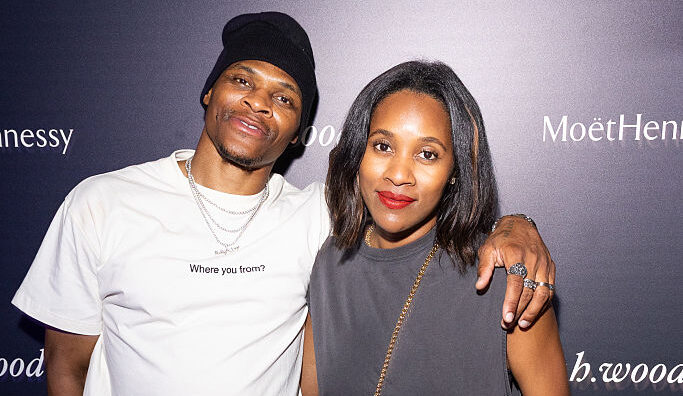
  • Russell Westbrook: Parents’ Partnership is Marriage Blueprint

    It’s often said that we learn the most about life from our parents, and for NBA superstar Russell Westbrook, that couldn’t be more true when it comes to relationships. On his wife Nina Westbrook’s podcast, “Do Tell Relationship,” Russell opened up about how his parents’ strong partnership provided him with a valuable blueprint for marriage and family.

    A Model of Partnership

    Russell highlighted the seamless cooperation he witnessed between his parents, Russell Westbrook Sr. and Shannon Horton. He recalled how they juggled work schedules, made sure to attend his and his brother’s sporting events together, and prioritized family meals. “I think that’s one of the biggest things that I was able to see growing up, and mom working, dad working, kind of working through our schedule,” he shared.

    What stood out most to Russell was how rarely he saw his parents disagree. While he acknowledges they likely had disagreements, he doesn’t remember them. This lack of visible conflict provided him with a powerful example of respect and partnership from a male perspective. “It kind of helped me see, at least from a male’s perspective, like, okay, what my dad is, how he treats my mom, or how [the] relationship [worked], like, the things he [did] and, you know, for a family and different things like that.”

    Building His Own Foundation

    This upbringing gave Russell a solid foundation for his own relationship expectations. He explained that seeing his parents’ dynamic allowed him to aspire to a similar level of partnership and build his own marriage based on those positive experiences. He noted that this kind of clear model was particularly valuable, as many of his friends didn’t have the same upbringing.

    Now married to Nina since August 2015 and approaching their ten-year anniversary, Russell’s parents’ influence continues to guide him. The lessons of cooperation, respect, and commitment are clearly integral to how he navigates his marriage and raises his own family.

    How have your parents influenced your views on relationships? Share your thoughts in the comments below!

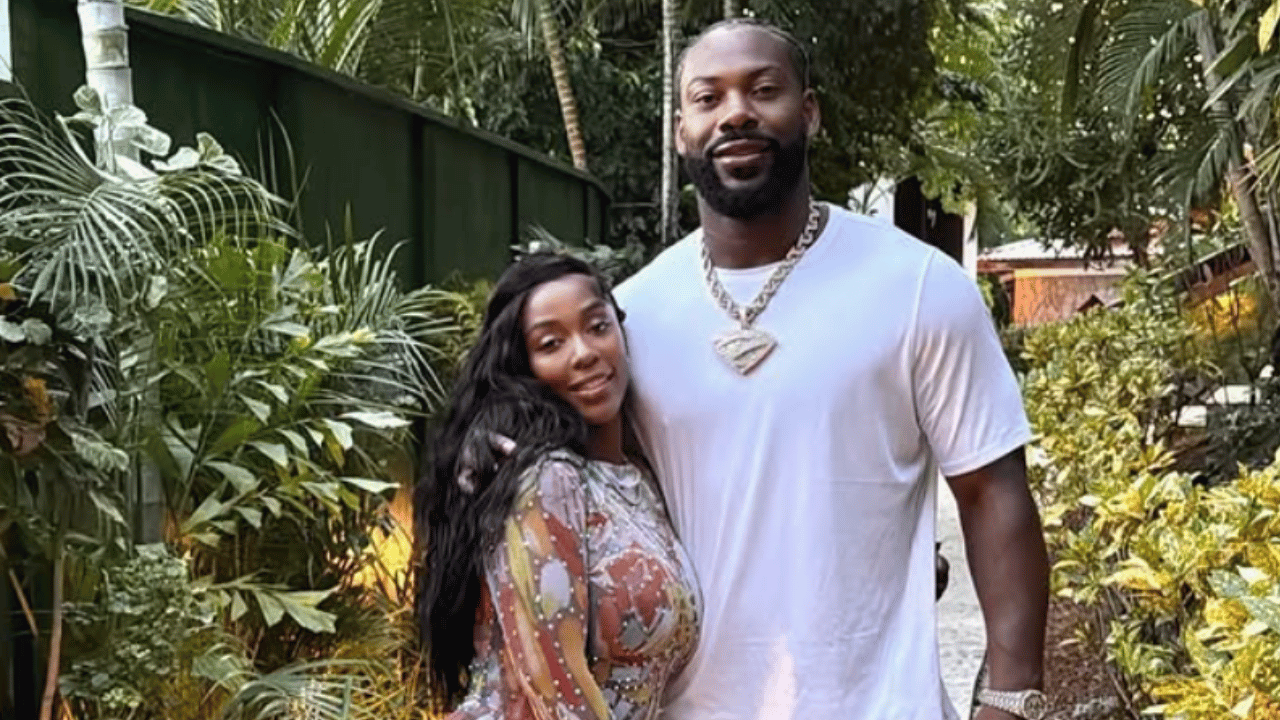
  • Kash Doll & Za’Darius Smith Back Together: St. Lucia Getaway

    Well, it looks like the breakup buzz was just a blip on the radar! Kash Doll and NFL star Za’Darius Smith are officially back on, and they’re proving it with some seriously stunning vacation photos from the beautiful island of St. Lucia. Forget the drama, these two are all about that sunshine and romance!

    Quashing Breakup Rumors in Paradise

    Just days after Kash Doll tweeted a cryptic “I’m single” (which she quickly deleted!), fans were left scratching their heads. Then, she posted a loving “I love my man,” adding to the confusion. But their recent social media posts from their tropical getaway have put all those rumors to bed. It’s clear these two are very much together and enjoying each other’s company.

    Kash Doll herself shared a post from St. Lucia, captioning it with a confident, “St. Lucia don’t owe me a damn thang and a damn thang don’t owe me.” Meanwhile, Za’Darius Smith also shared glimpses of their romantic escape, filled with affection and beautiful scenery. It’s the perfect way to reconnect and shut down any speculation!

    Navigating Relationship Noise

    While the exact reason for their brief separation remains unclear, it’s no secret there’s been some public chatter. Kash Doll’s ex, Tracy T, has been vocal online about their relationship. Za’Darius Smith even fired back recently, defending their relationship and calling out Tracy T for alleged issues with child support payments.

    It takes a strong couple to navigate public scrutiny and personal matters. Their St. Lucia getaway seems like the perfect opportunity to focus on their bond away from the noise. It’s great to see them prioritizing their relationship and enjoying this time together.

    What do you think about Kash Doll and Za’Darius Smith’s reunion? Share your thoughts in the comments below!

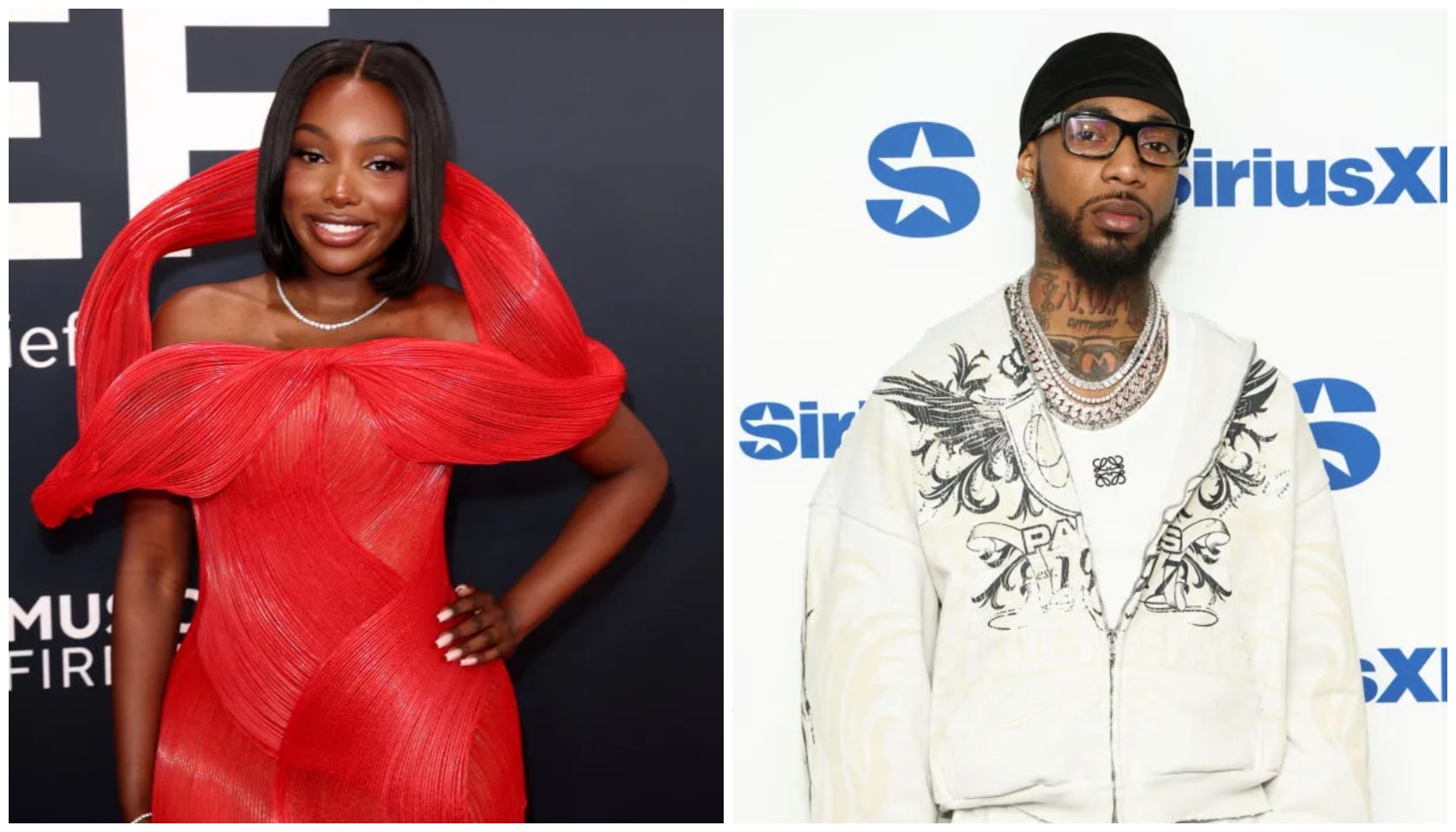
  • ‘Love Island USA’ Star JaNa Craig Spotted With Key Glock

    It seems like ‘Love Island USA’ star JaNa Craig might be moving on after her recent split from Kenny Rodriguez. Craig was recently spotted in New York City holding hands with Memphis rapper Key Glock, sparking immediate dating rumors. The unexpected pairing occurred when TMZ caught up with Glock, and Craig walked up, holding his hand and asking if he was ready to go.

    A New Connection Amidst Breakup Fallout

    Despite the public display of affection and some nervous giggles, Craig insisted to TMZ that she and Glock were just friends working together, not heading to a date. This sighting comes less than a month after Craig ended her nearly year-long relationship with Kenny Rodriguez, whom she met on Season 6 of ‘Love Island USA.’ The breakup happened in July, just before their one-year anniversary.

    Craig alluded to the breakup being far worse than the public could imagine, sharing on Instagram that discovering her partner wasn’t who she thought he was has been “truly devastating.” While she never confirmed the exact reasons, rumors circulated about alleged racist texts found on Rodriguez’s phone. The final months of their relationship are currently being shown on Peacock’s ‘Love Island: Beyond the Villa,’ where Craig even described Rodriguez as giving her “serial killer vibes” on their anniversary date.

    Moving Forward After a Disastrous Split

    The public nature of her past relationship’s end, including the alleged “serial killer vibes” and the underlying issues of racism and dishonesty, has made Craig’s recent sighting with Key Glock all the more noteworthy. Whether it’s a budding romance or a collaborative project, it’s clear that Craig is moving forward after a particularly challenging breakup.

    Fans are certainly curious about this new connection, especially given the dramatic circumstances of her previous relationship. For now, it seems JaNa Craig is embracing new experiences and enjoying her time out and about.

    What do you think about JaNa Craig and Key Glock being spotted together? Is it a new romance or just a collaboration? Let us know your thoughts in the comments below!

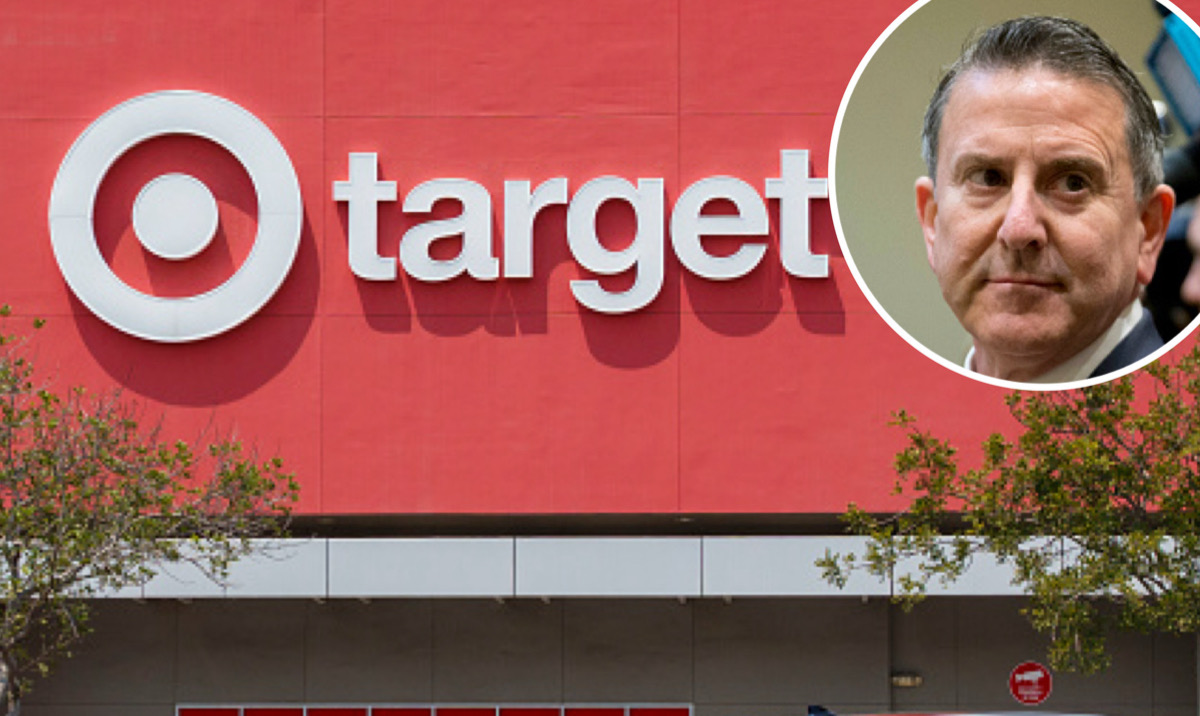
  • Target CEO Brian Cornell Steps Down Amid Sales Slump

    In a significant leadership shift, Target CEO Brian Cornell has announced he will be stepping down from his role after more than 11 years. Cornell will transition to the position of executive chair of the Board of Directors starting February 1, 2026. This announcement comes at a challenging time for the retail giant, which has been grappling with slumping sales and public backlash concerning its Diversity, Equity, and Inclusion (DEI) initiatives.

    New Leadership Amidst Retail Challenges

    Taking the helm as Cornell’s successor will be current COO Michael Fiddelke, a 20-year veteran of Target. The company’s Board of Directors has unanimously selected Fiddelke, expressing confidence in his ability to steer the company back towards growth and strategic focus. Christine Leahy, lead independent director of Target’s Board, stated in a press release, “It is clear that Michael is the right leader to return Target to growth, refocus and accelerate the company’s strategy, and reestablish Target’s position as a leader in the highly dynamic and fast-moving retail environment.”

    Leahy further highlighted Fiddelke’s extensive experience and trust within the company, noting his ability to combine enterprise insight with a “fresh eyes” mindset to challenge the status quo and drive long-term value.

    Sales Decline and DEI Backlash

    The leadership change occurs as Target reported a sales fall for the third consecutive quarter, with shares dropping significantly in premarket trading. Target’s stock performance has been among the weakest in the S&P 500 this year. Many observers link this downward trend to the company’s decision to scale back its DEI programs, particularly after President Trump’s executive orders aimed at dismantling such initiatives.

    The backlash from consumers who felt the company abandoned its commitment to DEI has been substantial, leading to boycotts and a decline in customer loyalty. This has put immense pressure on the company to rebuild consumer trust and re-establish its reputation in a competitive retail landscape.

    With Brian Cornell stepping down and Michael Fiddelke stepping in, Target stands at a critical juncture. The success of this leadership transition will hinge on Fiddelke’s ability to navigate the current retail environment, address consumer concerns, and prove that Target can indeed thrive once more.

    What are your thoughts on Target’s recent challenges and the upcoming leadership change? Can Michael Fiddelke turn things around? Share your opinions in the comments below!

  • 10 Undisputable Facts About U.S. Slavery

    Slavery in the United States is often presented as a simple historical chapter, but the reality is far more complex and its impact continues to resonate today. In an era where historical narratives are sometimes softened or altered, understanding the stark truths about chattel slavery is crucial. Here are ten undeniable facts that shed light on this foundational aspect of American history.

    The Immense Scale of the Transatlantic Slave Trade

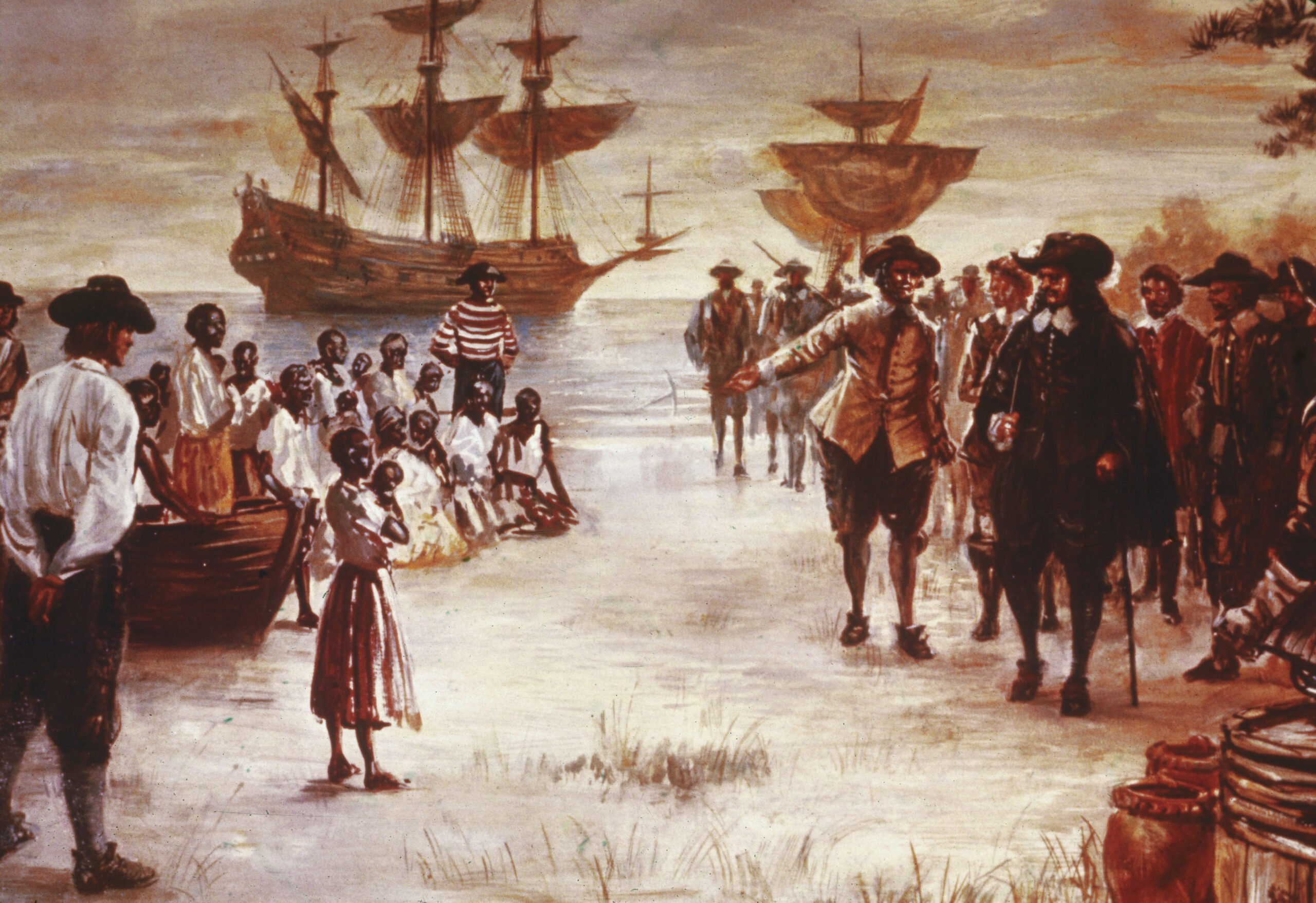
    Between the early 1500s and late 1800s, an estimated 12.5 million Africans were forcibly transported across the Atlantic. Tragically, only about 10.7 million survived the horrific Middle Passage. Shockingly, only about 5% of these enslaved Africans ended up in what is now the United States, with the majority sent to Brazil and the Caribbean. Unlike other forms of slavery, U.S. slavery was uniquely race-based and legally codified, treating enslaved people as property.

    The Late and Uneven Legal End of Slavery

    While the Emancipation Proclamation was issued in 1863, it only applied to Confederate states and couldn’t be enforced in areas still under Confederate control. Slavery legally persisted in Union border states like Kentucky and Delaware until the 13th Amendment was ratified in December 1865. This is why Juneteenth, celebrated on June 19th, marks the day enslaved people in Galveston, Texas, finally learned of their freedom, over two years after the Proclamation. This staggered end highlights the resistance to freedom and the subsequent implementation of Jim Crow laws and segregation.

    Institutions Still Profiting from Slavery

    Many contemporary companies and universities have direct links to the profits generated by slavery. Institutions like Lloyd’s of London insured slave ships, while companies such as Brooks Brothers sold “slave livery.” Major American banks and insurance giants like JPMorgan Chase, Bank of America, Aetna, and New York Life profited from slave-based collateral and policies. Elite universities, including Harvard and Yale, acknowledge their foundations were built on wealth derived from slavery.

    The Unimaginable Brutality of the Middle Passage

    The Middle Passage was a period of unimaginable horror. Captives were chained in suffocating, unsanitary conditions, facing rampant disease, abuse, and starvation. Mortality rates were as high as 15-25%, meaning millions died before reaching the Americas. Survivors carried deep physical and psychological trauma, impacting generations.

    Enslaved People Built America’s Foundations

    Beyond agricultural labor, enslaved individuals were instrumental in constructing iconic American landmarks, including the U.S. Capitol and the White House. They also fueled economies through the production of sugar, coffee, cotton, and tobacco, commodities that enriched global markets and financed American financial institutions. By the mid-19th century, cotton produced by enslaved labor constituted over half of U.S. exports.

    Slavery Was a National Enterprise, Not Just Southern

    While the South is often synonymous with slavery, Northern states were deeply involved. New York, Rhode Island, and Massachusetts had significant enslaved populations, and Rhode Island dominated the North American slave trade. Northern merchants financed voyages, insured ships, and processed slave-produced goods, demonstrating that slavery was a national economic engine, even after formal abolition in the North.

    Skilled Innovators Despite Oppression

    Enslaved Africans were not merely laborers; they were skilled artisans, innovators, and knowledge-bearers. Many were blacksmiths, carpenters, weavers, and woodworkers whose craftsmanship was vital to early America. They also brought crucial agricultural knowledge, particularly in rice cultivation, which significantly boosted plantation economies. These contributions highlight their ingenuity and the cultural imprints they left on American identity.

    The ‘Happy Slave’ Narrative Was Deliberate Propaganda

    The notion of “happy slaves” was a manufactured myth used to justify the brutality and dehumanization inherent in the system. Enslaved people faced routine rape, family separation through sale, and horrific medical exploitation. Despite this, they engaged in constant resistance, through escape, sabotage, and the preservation of African culture, acts that challenged the dehumanizing narrative.

    Enslaved People Were the Nation’s Largest Financial Asset

    On the eve of the Civil War, the estimated value of enslaved people in the U.S. was around $3 billion in 1860 dollars, making them the single largest financial asset in the country. This economic reality explains the fierce defense of slavery by wealthy elites. Even after emancipation, this wealth imbalance persisted, with governments sometimes compensating enslavers rather than the formerly enslaved.

    The Enduring Legacy of Slavery

    Emancipation did not end the impact of slavery; it evolved into systems like convict leasing, Jim Crow laws, redlining, and mass incarceration. The racial wealth gap, disproportionate incarceration rates for Black Americans, and ongoing systemic inequities are direct consequences of slavery’s institutional framework. Slavery is not merely a past event but the foundation upon which present-day challenges are built, a legacy from which Black people have continually survived and thrived.

    Which of these facts about U.S. slavery surprised you the most? How do you think understanding these truths impacts our present? Share your thoughts in the comments below!


  • Trump Targets Smithsonian Over ‘Woke’ History

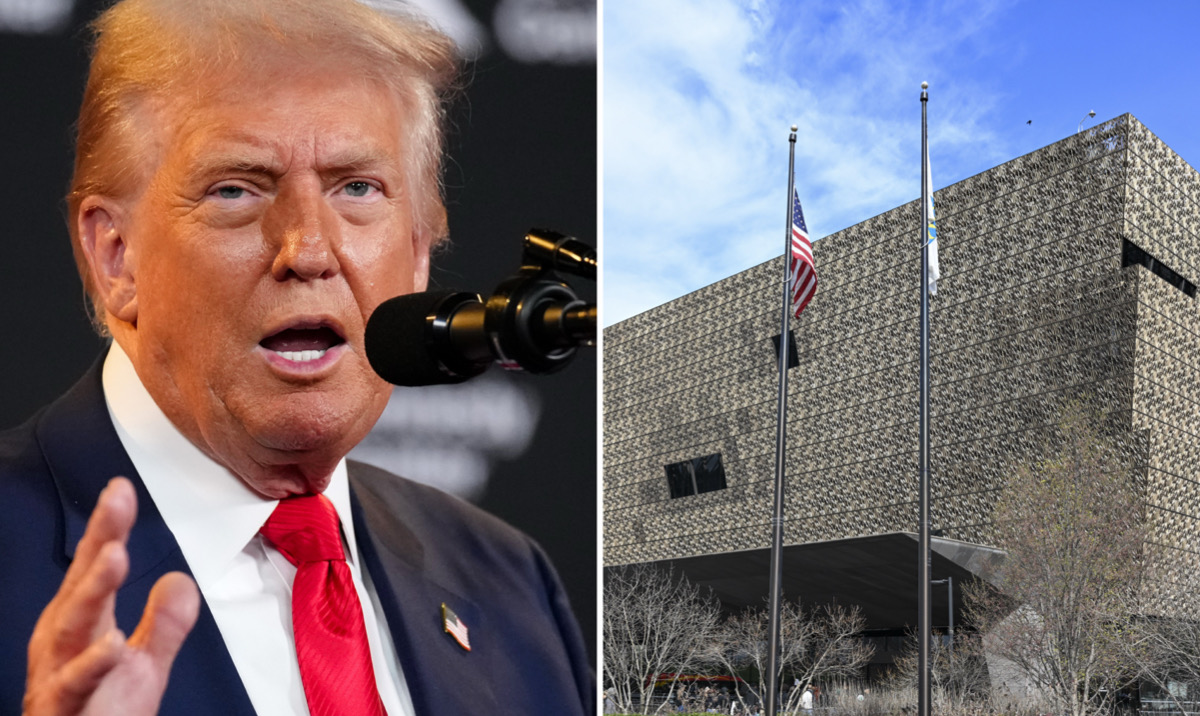
    Donald Trump has once again waded into the cultural wars, this time setting his sights on the Smithsonian museums. In a recent Truth Social post, the former president declared the museums “out of control” and criticized their perceived overemphasis on slavery and other negative elements of American history, stating they are a “segment of ‘WOKE.’” He has reportedly ordered his attorneys to conduct a thorough review.

    Critique of Historical Narratives

    Trump’s statement expressed frustration that the museums, in his view, focus excessively on “how horrible our Country is, how bad Slavery was, and how unaccomplished the downtrodden have been.” He contrasted this with a desire for more content celebrating the nation’s successes and future potential. “This Country cannot be WOKE, because WOKE IS BROKE,” Trump wrote, asserting that the focus should be on America being the “‘HOTTEST’ Country in the World.”

    This criticism aligns with Trump’s broader pattern of targeting institutions he labels as “woke.” His administration has previously focused on schools and universities, advocating for a curriculum that emphasizes national pride and downplays historical injustices. The call for a review of the Smithsonian’s exhibits suggests a desire to reshape how American history is presented.

    The Importance of Comprehensive History

    The Smithsonian Institution, comprising 21 museums, galleries, and the National Zoo, holds over 155 million artifacts that document the entirety of the American experience. Institutions like the National Museum of African American History and Culture play a crucial role in understanding how slavery, segregation, and systemic racism have shaped the nation. These exhibits not only highlight historical pain but also celebrate resilience, culture, and achievement.

    Critics argue that attempting to remove or downplay narratives about slavery and racial injustice from these historical accounts is not about balancing the narrative but about revisionism. Such actions risk presenting a sanitized version of history, potentially leaving future generations with an incomplete understanding of the country’s past and the progress made.

    By attacking the way museums tell history, Trump risks erasing critical historical context in favor of a more palatable, feel-good narrative. This approach could lead to a future where history is shaped by political agendas rather than factual accuracy, potentially making the nation appear fearful of its own truth.

    What are your thoughts on Donald Trump’s comments about the Smithsonian museums? Do you believe museums should focus more on national successes, or is it essential to confront difficult historical truths? Share your opinions in the comments below!

  • Trump Budget: Section 8 Faces 2-Year Limit

    President Trump’s proposed 2026 budget is making waves with a significant overhaul of housing assistance programs, most notably introducing a two-year time limit on Section 8 rental vouchers for many non-elderly, able-bodied adults. This proposal could drastically reshape how millions of Americans access housing support.

    Major Changes to Section 8 Vouchers

    Under the new plan, while seniors and individuals with disabilities would still be eligible for longer-term assistance, working families and single parents would be required to transition off the program within 24 months. This move is a departure from the current system, where many families rely on vouchers as a crucial long-term support while navigating low-wage jobs, raising children, or recovering from financial difficulties.

    Beyond the time limit, the budget also proposes a substantial cut of over 40 percent to HUD (Department of Housing and Urban Development) funding. Furthermore, it suggests converting federal housing programs into block grants managed by individual states. This shift could lead to reduced budgets and less federal oversight for programs like Section 8 and public housing.

    Potential Impact on Families and Landlords

    For the approximately 2.3 million households currently utilizing Section 8 vouchers, the proposed two-year cap could have devastating consequences. Critics argue that many recipients will struggle to find market-rate housing within this timeframe, potentially leading to increased eviction rates, heightened housing insecurity, and a rise in homelessness. Advocates point out that the plan doesn’t adequately account for the current realities of rising rents, stagnant wages, and the national shortage of affordable housing.

    The changes could also significantly impact landlords who accept Section 8 tenants. The reliance on consistent government payments for rent means that a large-scale exit of voucher holders could lead to unpaid rents, increased vacancies, and a reluctance among property owners to continue participating in the program. This, in turn, would make finding affordable housing even more challenging for families, particularly in high-demand urban areas.

    It’s important to note that this budget proposal still requires approval from Congress, which has a history of rejecting similar cuts. However, if passed, these changes could fundamentally alter the landscape of Section 8 housing assistance as we know it.

    What are your thoughts on these proposed changes to Section 8? How do you think they will impact housing affordability? Share your views in the comments below!

  • Adams Slams Mamdani on Prostitution Decrim

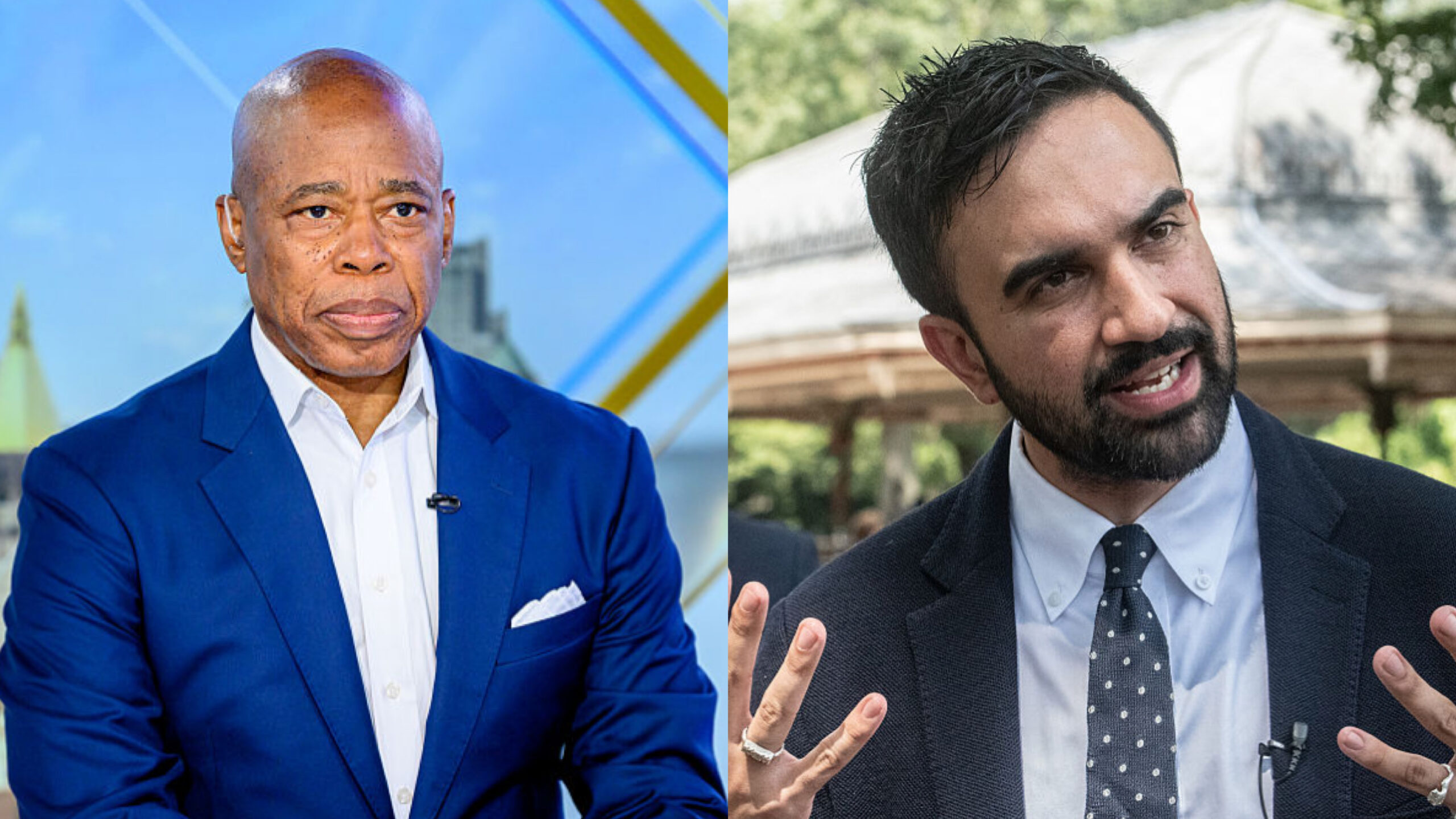
    The debate over decriminalizing prostitution in New York City has sparked a sharp exchange between Mayor Eric Adams and mayoral candidate Zohran Mamdani. Adams, a self-proclaimed man of faith, directly challenged Mamdani’s stance, questioning how his religious beliefs align with supporting the legalization of sex work.

    Adams Questions Mamdani’s Faith and Stance

    During a press conference on Sunday, Mayor Adams expressed his bewilderment at Mamdani’s position. “I don’t know what Quran he is reading,” Adams stated, drawing a parallel to his own religious convictions. “It’s not in my Bible. As a man who said he is of faith, I don’t quite understand what religion supports prostitution.”

    Adams, who is a devout Muslim, emphasized his belief that religious texts do not condone women selling their bodies. He voiced concern that Mamdani, a Democratic Socialist and former Queens Assemblyman, might be overlooking the serious issue of sex trafficking that he believes is intrinsically linked to prostitution.

    Concerns Over Public Safety and Sex Trafficking

    The Mayor argued that advocating for the legalization of sex work runs counter to efforts to reduce crime and protect vulnerable individuals. “We are trying to bring down crime and he is talking about legalizing sex work,” Adams pointed out. He firmly believes that no one should be forced into selling their bodies on the streets, regardless of the circumstances.

    Adams suggested that Mamdani’s past support for legislation to legalize sex work, even if he’s been quieter on the campaign trail, could indicate future policy directions if elected. He stressed that such a move would not benefit women who are coerced into sex work.

    Mamdani’s Campaign Responds

    In response to Mayor Adams’ criticisms, a spokesperson for Zohran Mamdani’s campaign fired back, shifting the focus to the Mayor’s own actions. The spokesperson stated, “Mayor Adams’ reckless budget cut over $3 million in funding from Safe Horizon… Zohran will prioritize genuine public safety for all.”

    This exchange highlights a significant policy difference between the two political figures as the mayoral race heats up. The debate touches on complex issues of public safety, religious values, and the best approach to addressing sex work in New York City.

    What are your thoughts on decriminalizing prostitution? Do you agree with Mayor Adams or Zohran Mamdani? Let us know in the comments!