Get ready, because the Supreme Court is diving headfirst into one of the most significant legal battles of Donald Trump’s second term! They’ve officially agreed to hear the case challenging his controversial executive order that aimed to end birthright citizenship for babies born on U.S. soil to non-citizen parents. This is a huge deal that could redefine what it means to be an American.
What’s the Big Deal About Birthright Citizenship?
So, what exactly is birthright citizenship? It’s the principle that anyone born within the United States is automatically granted citizenship. This concept has been a cornerstone of American law for over a century, firmly established by a Supreme Court ruling back in 1898. Trump’s executive order, signed on his first day back in office, directly challenged this long-standing tradition.
His administration’s goal was to stop automatic citizenship for babies born to undocumented immigrants or those in the U.S. on temporary visas. This move was a direct confrontation with established constitutional law and the very foundation of who is considered an American.
Lower Courts Said ‘No Way!’
Before reaching the highest court, Trump’s executive order faced immediate pushback. Lower courts swiftly shut it down, declaring it unconstitutional. Judges pointed out that presidents don’t have the power to simply erase birthright citizenship through an executive action, especially when it conflicts with the 14th Amendment.
The consensus in these lower courts was clear: the president cannot unilaterally alter a fundamental right established by the Constitution. This is why the policy never actually went into effect, leaving birthright citizenship as it has been for generations.
The Supreme Court’s Moment of Truth
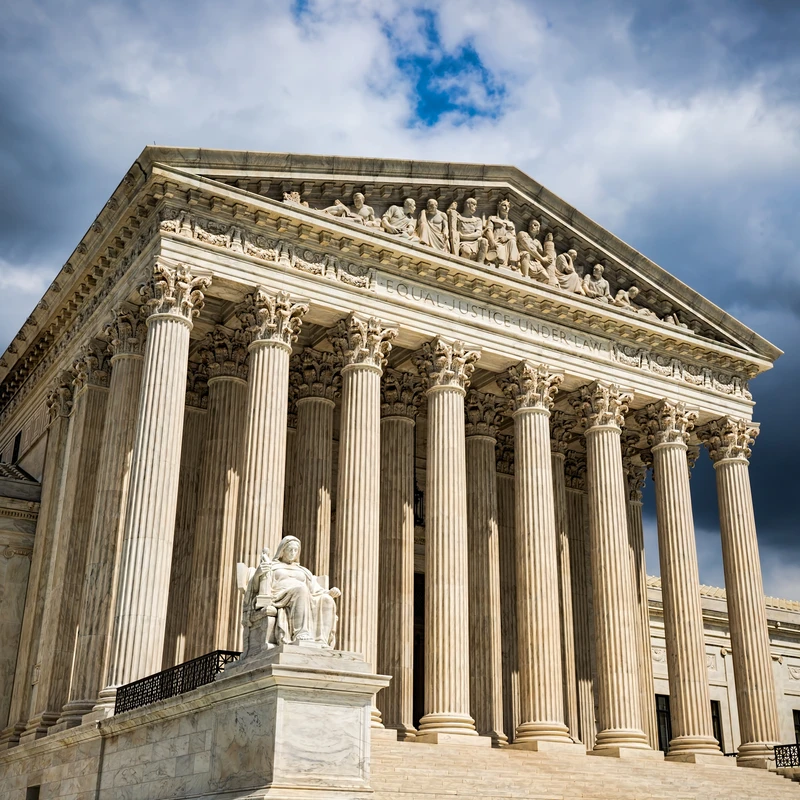
Now, all eyes are on the Supreme Court. They will be the ultimate arbiters of whether Trump’s order can stand or if it truly violates the 14th Amendment, which has shaped modern American citizenship. Arguments are anticipated in the spring of 2026, with a decision expected by early summer.
Until the Court makes its ruling, birthright citizenship remains unchanged. However, the implications of this case are massive. Civil rights organizations are concerned that this could jeopardize the status of hundreds of thousands of U.S.-born children and undermine decades of legal precedent.
Why This Matters to You
The Court’s decision won’t just be a legal footnote; it has the potential to fundamentally alter how America defines who belongs. It could reshape the very definition of citizenship for generations to come. Think about it: this case could change who is considered an American from the moment they are born.
What are your thoughts on birthright citizenship? Should it remain as is, or do you believe restrictions are necessary? Share your perspective in the comments below – let’s discuss this crucial issue!