Category: Trump Politics

  • Trump’s Easter Autopen Comment Sparks Debate

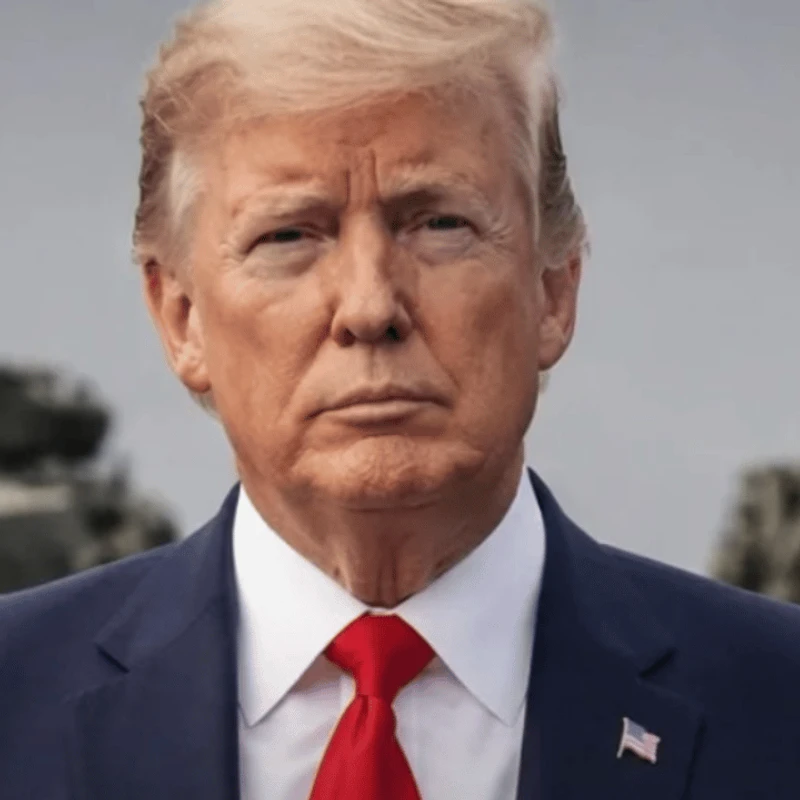
    Imagine a cheerful Easter egg hunt, filled with kids, candy, and holiday spirit. Now, picture a former president stepping up to the microphone and bringing up a political talking point. That’s exactly what happened recently when Donald Trump, during an appearance at an Easter event, decided to mention Joe Biden’s use of an autopen to the children present. It’s a moment that quickly shifted the mood from festive to debated.

    The Autopen Comment to Young Audiences

    While interacting with kids at the Easter egg hunt, Trump reportedly brought up the autopen, a device used by presidents to replicate signatures on official documents. The autopen has been a standard administrative tool for decades, used by various administrations, not just the current one. However, the context of Trump mentioning it to a group of children at a holiday event certainly made the comment stand out.

    The implication seemed to be that Biden relies on this device rather than signing documents personally. This observation, while touching on a real administrative practice, landed differently given the young audience and the celebratory nature of the event. It’s a classic example of how political figures can steer conversations, even in seemingly neutral settings.

    Reactions and the Politics of Timing

    As expected, the moment quickly circulated online, sparking a mix of reactions. Many pointed out the contrast between a children’s holiday celebration and the introduction of partisan political commentary. While political figures often stick to their messaging regardless of the venue, there’s an unspoken expectation that events geared towards kids remain light and apolitical.

    This isn’t the first time Trump has blended casual settings with political remarks. His communication style is known for its off-the-cuff nature, which resonates with his base but can also lead to debate when the audience includes children. The controversy here isn’t about the autopen itself, which is a legitimate presidential tool, but rather the timing and the audience chosen for the discussion.

    Navigating Political Moments at Family Events

    The incident highlights the ongoing tension between political messaging and family-friendly events. While some view it as Trump staying true to his brand, others question the appropriateness of introducing political talking points at a children’s holiday gathering. Regardless of perspective, the moment has undeniably pulled a festive occasion into the political conversation.

    What do you think about political figures bringing up partisan topics at events for children? Let us know your thoughts in the comments below!
  • Trump Claims God Backs Iran War, Threatens ‘Demolition’

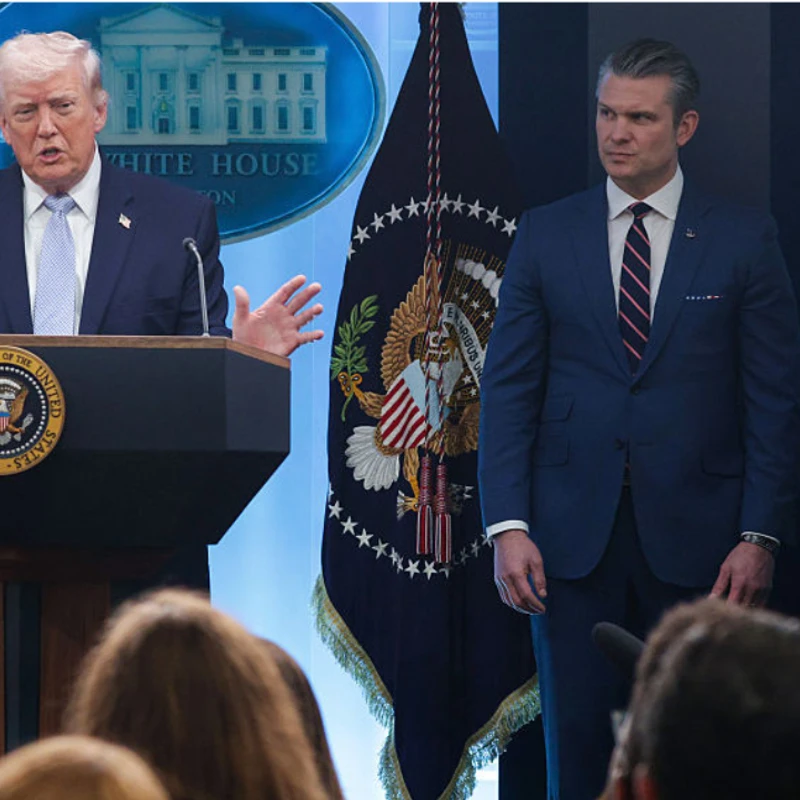
    In a striking turn of events, President Donald Trump has asserted that divine approval backs the United States’ military actions in Iran. This declaration comes as he intensifies his rhetoric, threatening the complete ‘demolition’ of the country if demands regarding the Strait of Hormuz are not met. The situation is escalating, with significant implications for regional stability and global economies.

    Escalating Tensions Over the Strait of Hormuz

    The core of the current crisis revolves around Iran’s blockade of the Strait of Hormuz, a vital shipping route. This blockade is significantly impacting oil prices both domestically and internationally. President Trump has issued a firm deadline, stating that Iran must open the strait by Tuesday at 8 p.m. ET.

    Failure to comply, Trump warned, would result in severe consequences. He described potential actions as leaving Iran with ‘no bridges, they are going to have no power plants,’ and reducing the nation to the ‘stone ages.’ This aggressive stance follows a blunt social media post where Trump urged Iran to ‘Open the f–king strait, you crazy bastards, or you’ll be living in hell.’

    Concerns Over Civilian Infrastructure and War Crimes

    Asha Castleberry-Hernandez, a U.S. Army veteran and founder of the Diversity in National Security Network, views Trump’s threats as a ‘pressure point’ to force Iran’s compliance. However, she also raised serious concerns about the potential ‘legal ramifications’ of targeting civilian infrastructure like bridges and power plants. Such actions could be considered war crimes under international law.

    Targeting these essential services could have catastrophic effects, leading to widespread instability in Iran. Castleberry-Hernandez warned that attacking infrastructure would directly impact civilians’ basic needs and could provoke retaliatory strikes from the Iranian Revolutionary Guard against similar U.S. critical infrastructure.

    Divine Approval and Economic Repercussions

    When questioned about whether he believed God would approve of the U.S. war in Iran, President Trump responded affirmatively. He stated, ‘I do,’ adding that ‘God doesn’t like what’s happening.’ He also expressed that he doesn’t ‘enjoy’ the conflict, despite his aggressive posture.

    I mean complete demolition. — President Donald Trump

    The ongoing conflict and the threat of further escalation carry significant economic weight. A prolonged war could lead to higher prices and supply chain disruptions reaching American shores. Reports suggest that a six-month conflict could plunge the global economy into recession, impacting everything from oil availability to the production of semiconductors and the fertilizer supply for American farmers.

    A Heavy Price for Americans

    Black farmers, already facing financial hardships, could be disproportionately affected by these economic pressures. John Boyd, president of the National Black Farmers Association, attributed some of the current economic challenges to the President’s policies, including tariffs and the ongoing war. As the situation unfolds, the potential for widespread economic pain for Americans remains a significant concern.

    What are your thoughts on President Trump’s statements regarding the war in Iran and the potential consequences? Share your views in the comments below.

  • Trump’s Approval Rating Hits Record Low

    It looks like the political landscape is shifting, and Donald Trump’s support might be starting to waver. Recent polling data suggests that the very voters who have been his strongest allies are beginning to show signs of pulling back, leading to a record low approval rating for his term.

    The Numbers Don’t Lie: A Steep Decline

    According to a recent YouGov/The Economist survey conducted between March 27-30, 2026, Trump’s net approval rating has fallen to a concerning -23. This means a substantial 58 percent of respondents disapprove of his performance, while only 35 percent approve.

    This isn’t just a blip on the radar; it’s a clear downward trend. Just weeks prior, his net approval hovered around -18, -19, and -15. To put this into perspective, Joe Biden held a net approval of -6 at a similar point in his presidency. Even Trump’s own first-term benchmark was a less severe -11.

    Where Is the Support Slipping?

    What’s particularly noteworthy is the source of this decline. While support among 2024 Trump voters remains positive, it’s showing cracks. The poll indicates 76 percent approval and 19 percent disapproval among this key group, a dip from just three weeks ago when those numbers were 84 percent approval and 12 percent disapproval.

    Older voters, specifically those aged 65 and over, are also showing a significant pullback, with their net approval dropping to -17. Younger voters under 30 are even more critical, with their net approval plummeting to a stark -40.

    Factors Influencing Public Opinion

    This shift in public sentiment comes at a critical time. The poll, which surveyed 1,679 respondents, was released as Trump is navigating several significant challenges. These include ongoing military actions in Iran, a partial government shutdown, and a declining stock market, all of which can heavily influence how the public perceives leadership.

    What do you think is causing this drop in approval? Share your thoughts in the comments below!
  • Trump: Iran War Ending, Gas Prices to Drop

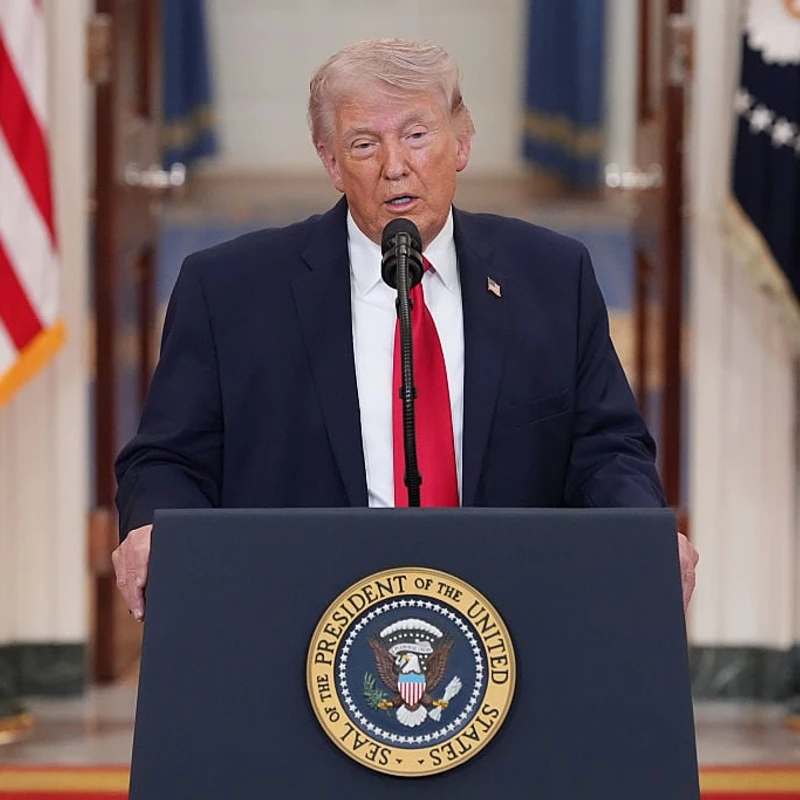
    Amidst the sting of gas prices averaging over $4 a gallon, President Donald Trump delivered a primetime address on April 1, 2026, aiming to ease public anxiety. He declared that the war in Iran was nearing its conclusion and promised that the U.S. military operation in the Middle East would wrap up quickly, leading to a much-needed drop in fuel costs.

    Operation Epic Fury: A Swift End?

    Trump asserted that the U.S. was “getting very close” to finishing the job, just one month after initiating “Operation Epic Fury.” He justified the joint military action with Israel as necessary to thwart Iran’s alleged nuclear ambitions, claiming the nation was on the brink of developing missiles capable of reaching the U.S. homeland and Europe.

    However, these assertions have been met with skepticism. Director of National Intelligence Tulsi Gabbard had previously testified to Congress that there was no evidence of Iran attempting to rebuild its nuclear enrichment program, particularly after a prior military operation ordered by Trump was reported to have “obliterated” it.

    Connecting Conflict to Consumer Costs

    Addressing the public’s concern about escalating gas prices, Trump labeled the current situation a “short-term increase.” He projected that once the conflict ends and the Strait of Hormuz—currently a point of contention that’s driving up oil prices—reopens, oil flow would naturally resume. “They are going to want to be able to sell oil… It will resume the flowing and the gas prices will rapidly come back down,” he stated, adding that Iran would be reduced to “the stone ages” within two to three weeks.

    Despite these confident predictions, the exact timeline for U.S. troop withdrawal and the resolution of the economic fallout remains unclear. While diplomatic discussions are reportedly ongoing, the path forward is far from certain.

    Voices of Doubt: Experts and Veterans Weigh In

    The President’s message hasn’t convinced everyone. Victor LaGroon, a U.S. Army veteran and former intelligence analyst who served in the Biden administration, felt the speech offered little clarity on the exit strategy from the Middle East. He described the address as rambling and more focused on Trump’s legacy than a concrete plan for a war he deemed unnecessary and financially burdensome for Americans.

    Senate Minority Leader Chuck Schumer echoed these criticisms, labeling Trump’s Iran policy a “greatest policy blunder.” Schumer argued that the administration failed to define objectives, alienated allies, and neglected pressing domestic issues like the rising cost of living.

    Donald Trump’s actions in Iran will be considered one of the greatest policy blunders in the history of our country, failing to articulate objectives, alienating allies, and ignoring the kitchen table problems Americans are facing. — Chuck Schumer, U.S. Senate Minority Leader

    National security expert Asha Castleberry-Hernandez cautioned that even if the U.S. withdraws, Iran’s continued control over the Strait of Hormuz—a vital artery for global oil—could still significantly impact U.S. commercial activities and gas prices. She also highlighted that key allies were not consulted prior to the strikes, potentially limiting their future involvement.

    Escalation Risks and Diplomatic Hurdles

    Castleberry-Hernandez further noted that Trump’s aggressive rhetoric about striking Iran could be perceived as escalatory, potentially prolonging the conflict. She suggested that diplomatic failures and further troop deployments might complicate negotiations, allowing Iran to extend the war and maximize economic pressure. She also contrasted Trump’s current military approach with the Obama administration’s 2015 Iran nuclear deal, which relied on diplomacy and international verification, arguing that negotiating a new, effective deal would be considerably harder now due to new leadership and past actions.

    What are your thoughts on President Trump’s strategy in Iran and its potential impact on gas prices? Share your views in the comments below!

  • Memphis Black Residents Fear Trump’s ‘Safe Task Force’

    A recent investigation into President Donald Trump’s “Memphis Safe Task Force” has brought to light serious concerns among the city’s Black residents. Many report feeling unsafe and subjected to harassment and racial profiling since the task force was deployed to combat violent crime.

    Concerns Over Harassment and Profiling

    The “Restoring Law and Order in Memphis” executive order, signed by Trump in September, established the task force, bringing together federal agents from the FBI, DEA, and ATF, alongside National Guard units and local law enforcement. While intended to address high crime rates, residents like Reggie Williams claim the task force is disproportionately targeting Black individuals.

    Williams recounted an incident where he was allegedly harassed by police and men claiming to be with Immigration and Customs Enforcement while walking to a store. He advises Black residents to carry identification at all times, stating, “If you are anything but white, you are an illegal. These people have lost their f*****g minds.”

    Pattern of Federal Intervention

    The investigation by ProPublica and MLK50 has documented other troubling incidents, including a ride-share driver stopped for a seatbelt violation despite wearing one, a pastor pulled over for “looking lost,” and an elderly man apprehended in his robe and underwear due to mistaken identity. These accounts are denied by the U.S. Marshals Service, which leads the task force, stating that claims of racial profiling are “not founded in reality.”

    This situation in Memphis is not isolated. The Trump administration has a history of deploying federal law enforcement and military units to cities, often those with Democratic leadership and significant Black populations. Examples include interventions in Washington D.C., Los Angeles, Chicago, and Portland, Oregon.

    Criticism from Civil Rights Leaders

    Civil rights organizations have strongly condemned these actions. Derrick Johnson, president and CEO of the NAACP, called Trump’s actions a “disgusting abuse of power” and a “calculated attempt to intimidate Black and brown Americans.” He emphasized that “weaponizing the military and ICE against our communities is not about safety; it’s about control.”

    The NAACP has vowed to oppose what they view as treating communities like “enemy combatants in our own country.” The ongoing deployment of federal forces raises critical questions about civil liberties and the potential for overreach in law enforcement efforts.

    What are your thoughts on the federal task force’s presence in Memphis and the concerns raised by residents? Share your perspective in the comments below!