Category: Trump and Politics

  • Caitlyn Jenner’s Passport Gender Marker Issue

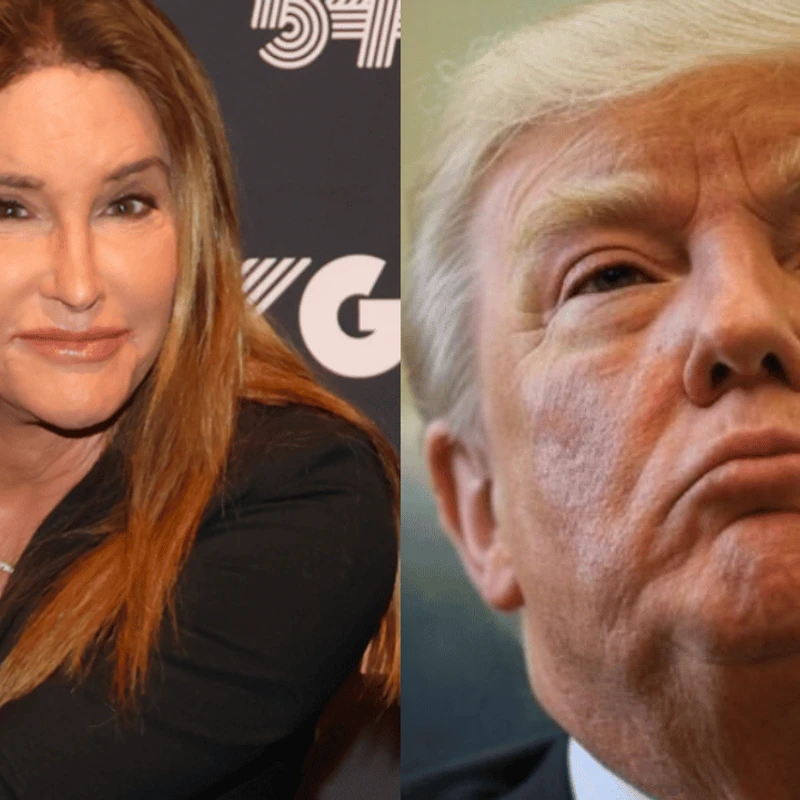
    Caitlyn Jenner is making headlines again, this time due to a passport issue that she says has significantly impacted her life. In a recent interview with conservative host Tomi Lahren, Jenner revealed that her passport was returned with her gender marker changed from female to male, preventing her from traveling internationally.

    Passport Gender Marker Change Causes Travel Woes

    Jenner, who publicly came out as transgender in 2015 and had updated all her identification documents to reflect her female gender, was surprised when her renewed passport showed a male marker. This change, which she attributes to policies backed by the Trump administration, has created a major hurdle for her.

    “So now, I’m in a position, Tomi, that… What do I do? This is a safety factor. I can’t travel internationally anymore. I can’t use my passport,” Jenner explained during the interview. She attempted to challenge the change through official channels but was reportedly denied.

    Reaching Out to Donald Trump

    Facing this unexpected obstacle, Jenner took a direct approach. She mentioned writing a letter to former President Donald Trump while visiting Mar-a-Lago about two months prior to the interview. She explained how the policy was affecting her and others, but as of the interview, she hadn’t heard back from him, noting he was “kind of busy right now.”

    Interestingly, Jenner stated that her gender marker isn’t a major issue for her and that she doesn’t blame Trump, expressing her continued support for him. However, she questioned the broader implications and consideration of such policies, admitting, “It’s not gonna work.”

    Broader Implications and Online Debate

    Jenner also reflected on her role in raising transgender visibility, noting that while she intended to help a marginalized community, politics later seemed to reshape the conversation. Her remarks have sparked considerable debate online, particularly given her vocal support for Trump while simultaneously experiencing the direct impact of a policy associated with his administration.

    This situation highlights the complex intersection of personal identity, policy, and political support. It raises questions about how governmental policies can affect individuals, even those who may align politically with the administration enacting them.

    What are your thoughts on Caitlyn Jenner’s passport issue and her comments? Do you think policies like this unfairly impact individuals? Share your perspective in the comments below!

  • Congress Extends TPS for Haitians, Bucking Trump

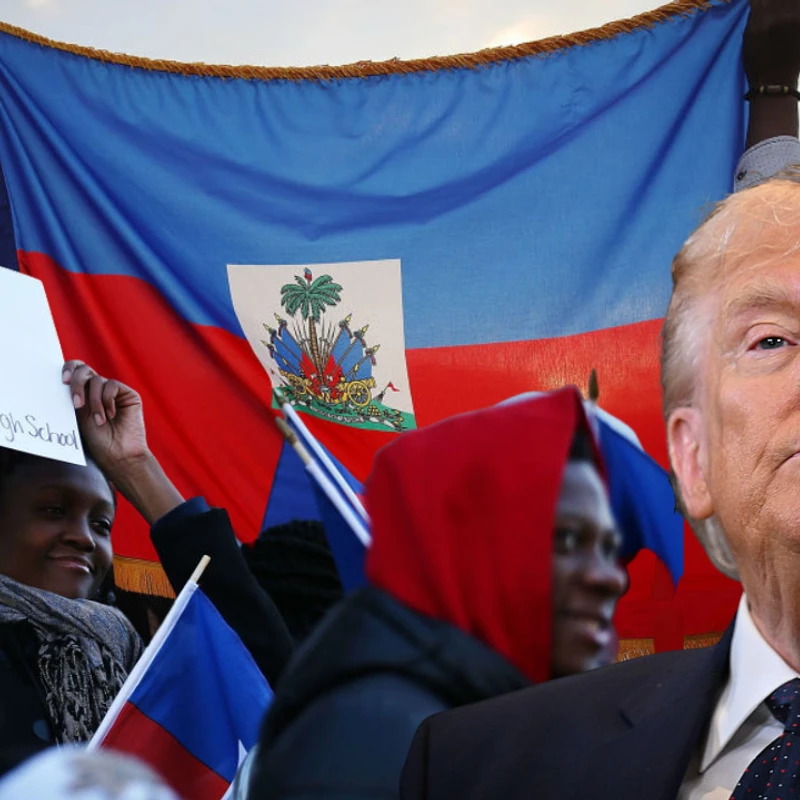
    In a major victory for immigrant rights advocates and Haitian communities across the U.S., the House of Representatives has voted to extend Temporary Protection Status (TPS) for Haitian migrants. This bipartisan decision directly challenges President Donald Trump’s administration’s move to terminate the program, offering a potential lifeline to over 350,000 individuals.

    A Bipartisan Push for Protection

    The vote, a bipartisan 224-204 with 10 Republicans joining Democrats, signifies a strong message to the Trump administration. U.S. Rep. Ayanna Pressley (D-Mass.), who spearheaded the discharge petition effort alongside Rep. Laura Gillen (D-N.Y.), called it a “monumental victory.” She emphasized the collaborative effort, stating, “Democrats and Republicans alike came together to pass our legislation and support the safety, dignity, and humanity of Haitian TPS holders.”

    The Department of Homeland Security had previously deemed the termination of TPS for Haitians “inconsistent with U.S. national interests.” Advocates argue that forcing Haitians to return to a nation plagued by deep poverty, violence, and political instability would be inhumane. Guerline Jozef, executive director of the Haitian Bridge Alliance, expressed immense gratitude, calling it a moment where “the impossible [became] possible.”

    The Fight for TPS Holders

    Groups like the Haitian Bridge Alliance, UndocuBlack, and SEIU have been actively lobbying members of Congress. Jozef described the discharge petition process as an “uphill battle,” but credited the “commitment and fierce advocacy” of Rep. Pressley and her staff for swaying Republican members, particularly those whose districts have significant Haitian American populations.

    Jozef, who was present on Capitol Hill during the vote, shared the emotional weight of the moment, especially as it coincided with her birthday. “I felt it was necessary for me to be there, standing in the gap for over 350,000 Haitian TPS holders and their families,” she told theGrio.

    What Happens Next?

    The bill now moves to the U.S. Senate, where its fate remains uncertain. Advocates are urging the public to contact their senators and encourage them to “stand on the right side of history” by voting yes. “We understand that this is a hard fight, but we are clear-eyed,” Jozef stated, underscoring the ongoing commitment to this cause.

    This congressional action clearly pushes back against the Trump administration’s policies, which have often targeted immigrants from majority Black and brown nations. Trump’s use of an isolated, tragic crime to generalize an entire community was widely condemned. Jozef noted, “We understand that the majority, if not all, of the policies coming from the White House are deeply centered in anti-Black racism, especially anti-Haitian prejudice… But this is a clear message to him and his administration… the people have spoken.”

    Legal Challenges and Future Outlook

    Supporters highlight the significant contributions of Haitian immigrants, particularly in healthcare, and their economic impact through taxes. If the bill successfully passes the Senate and reaches President Trump’s desk, his response remains unclear given his previous stance. However, a pending federal case challenging the termination of TPS for Haitians is currently before the U.S. Supreme Court. Both lower courts ruled the termination unlawful, and the Supreme Court’s decision could provide a crucial safeguard if legislative efforts falter.

    For now, Haitian immigrants are celebrating this legislative victory as a vital lifeline, allowing them to continue living and working in the United States, a country many now call home. As Jozef put it, “This work today tells them that their voices have been heard… that their lives really matter, and that we will continue to fight for them.”

    What are your thoughts on Congress extending TPS for Haitians? Do you believe the Senate will pass the bill? Share your opinions in the comments below!

  • Trump Questions ‘Corner Store’ Term

    In a surprising moment during a recent Tax Week roundtable in Las Vegas, former President Donald Trump admitted he wasn’t familiar with the term ‘corner store.’ While promoting his ‘Big Beautiful Bill Act,’ which includes tax breaks for small businesses, Trump stumbled over the common phrase.

    Trump Questions Common Terminology

    As Trump read from talking points about tax cuts benefiting businesses like restaurants, dry cleaners, and ‘corner stores,’ he paused. “What is a corner store?” he asked the crowd. “I’ve never heard that term. I know what a corner store is, but I’ve never heard it described… A corner store. Who the hell wrote that, please?”

    The admission quickly drew reactions, especially considering Trump’s upbringing in Queens, New York, a borough where corner stores are a ubiquitous part of the urban landscape. Many social media users expressed disbelief that someone from New York wouldn’t know such a common term.

    Social Media and Online Reactions

    Online commentary ranged from confusion to skepticism. Users like @transvilla420 wrote, “You cannot be from New York and not know that. That was deliberate.” Others, like @ch0ngkenny, questioned how he could have many Black friends yet not know what a corner store is. Even newscaster Don Lemon shared his surprise on Instagram.

    A Pattern of Unfamiliarity?

    This isn’t the first time Trump has shown unfamiliarity with common American terms related to everyday life. In April 2025, he reportedly described the word ‘groceries’ as old-fashioned, offering his own definition: “It’s such an old-fashioned term but a beautiful term: groceries. It sort of says a bag with different things in it.”

    Given the current economic climate, where many Americans are struggling with rising costs for essentials, Trump’s apparent disconnect from terms like ‘corner store’ and ‘groceries’ is seen by some as out of touch. While some prices have decreased, the cost of items like orange juice and beef has notably increased since spring 2025.

    What are your thoughts on Donald Trump’s comment about not knowing what a ‘corner store’ is? Do you think it reflects a disconnect from everyday Americans? Share your opinions in the comments below!