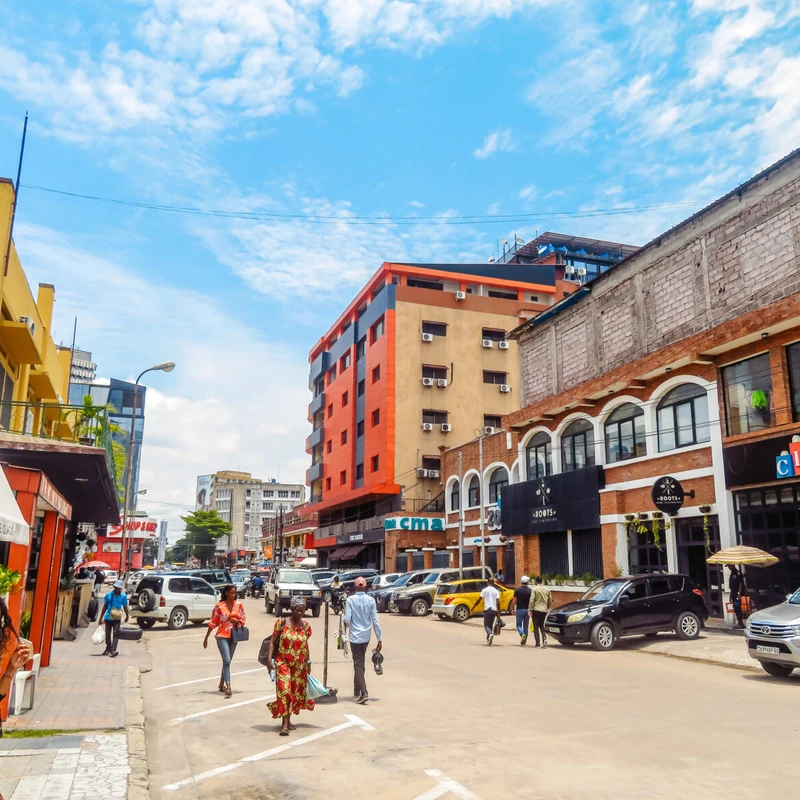
Dreaming of a Middle Eastern adventure off the usual tourist path? Kuwait might be calling your name. Known for its oil wealth, valuable currency, and a unique mix of luxury malls, futuristic skyscrapers, vibrant souks, and traditional Bedouin craftsmanship along the Persian Gulf coast, it offers a distinct experience. However, like any destination, especially one in a region with geopolitical complexities, it’s wise to understand the safety landscape and local laws before you pack your bags.
Understanding Official Travel Advisories
As of March 2026, the U.S. State Department has classified Kuwait as a “Level 3” travel advisory, urging Americans to “reconsider” their travel plans. This advisory highlights concerns regarding crime, potential armed conflict, and the risk of unmarked explosives. Furthermore, the Federal Aviation Administration (FAA) has issued specific notices about risks to civil aviation in the Persian Gulf region, which includes Kuwait. Other governments, like the UK and Canada, have issued even stronger warnings, advising against all but essential travel or “avoid all travel” respectively. The CDC also notes a “Level 1” advisory for a global measles outbreak, advising usual precautions.
These advisories, while serious, don’t necessarily mean travel is impossible, but they underscore the need for heightened awareness and preparation. Experienced travelers to the Middle East might feel more comfortable, but it’s crucial to remember that personal feelings of safety don’t always align with the actual risks. The State Department advises U.S. citizens to review guidelines for “High-Risk Areas.”
Safety on the Ground: Crime, Transport, and Health
While Kuwait generally has low crime rates, standard traveler precautions are essential. The State Department has noted instances of car break-ins, petty theft, and sexual assault or harassment, particularly towards solo female travelers. For transportation, it’s recommended to use licensed taxis or reputable rideshare services, ideally booked or suggested through your accommodation.
Healthcare in Kuwait is available through both government and private facilities, though some services may not meet U.S. standards. Emergency services are generally responsive. It’s highly advisable for tourists to have international medical insurance. If you’re traveling with prescription medications, ensure they are legal in Kuwait, kept in their original packaging, and accompanied by a doctor’s prescription.
Navigating Local Laws and Customs
Understanding and respecting Kuwait’s laws is paramount. Alcohol and illicit drugs, including marijuana, are strictly prohibited and carry severe penalties. Be aware that public consumption of pork, speaking negatively about the government, recording individuals without consent, sex outside of marriage, and homosexuality are also illegal. Couples may be asked for proof of marriage, and public displays of affection should be avoided.
Modesty in dress is also important, especially for women. Covering shoulders and avoiding revealing clothing (like shorts or skirts that don’t reach knee-length) is advised to show respect for local culture and religion, which is predominantly Islamic. Familiarizing yourself with these laws before your trip can prevent misunderstandings and ensure a smoother experience.
Staying Safe and Informed
Before your trip, ensure your routine vaccinations are up-to-date, including those for measles, rabies, typhoid, COVID-19, Hepatitis A and B. Take precautions against contaminated water, close contact with sick individuals, and insect bites. Registering your travel with the State Department’s Smart Traveler Enrollment Program (STEP) is also recommended.
Stay informed about local and regional news, as situations can escalate quickly. Establish a communication plan with contacts back home and keep your travel documents accessible. Always be aware of your surroundings, especially in crowded areas. Comprehensive travel insurance is also a wise investment for any international trip.
- Heed U.S. State Department Level 3 advisory (‘Reconsider Travel’).
- Practice standard safety precautions; crime is generally low but exists.
- Use licensed taxis or recommended rideshare services.
- Ensure you have international medical insurance.
- Be aware of and adhere to strict local laws regarding alcohol, drugs, public displays of affection, and dress code.
- Register your travel with the State Department’s STEP program.
- Stay informed about local news and maintain a communication plan.
When’s the Best Time to Visit?
Kuwait’s summers are notoriously hot. For the most pleasant experience, plan your visit between late October and early April, during the cooler fall, winter, and early spring months.
Considering a trip to Kuwait? Weighing the advisories against your travel plans? Share your thoughts and any questions in the comments below!