Category: Travel Industry News

  • Airline May Change Fares After Booking Due To Fuel Costs

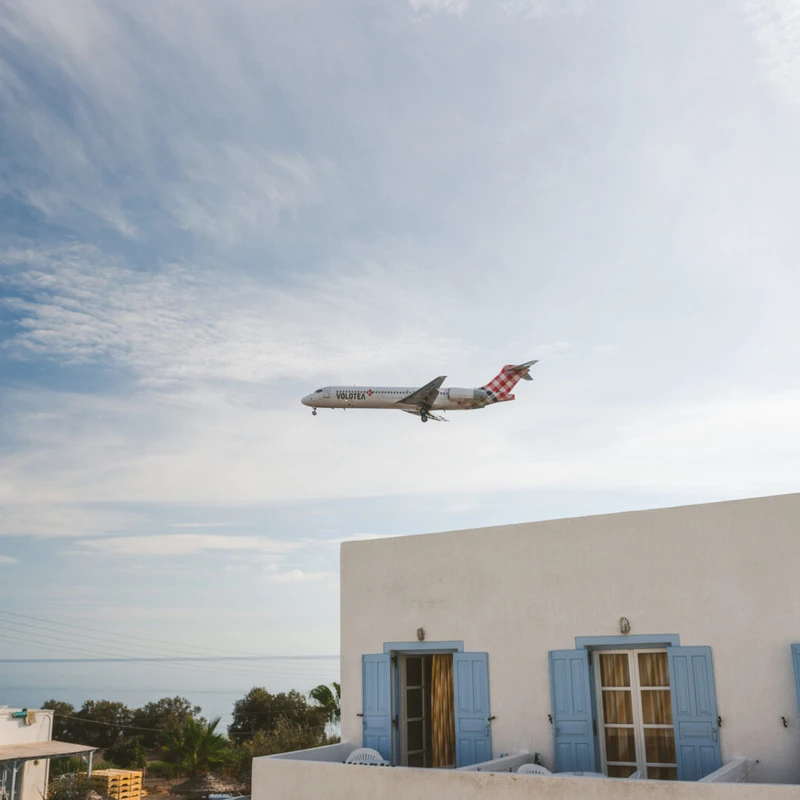
    Planning a trip just got a little more unpredictable. Spanish low-cost airline Volotea has announced a new, adaptable pricing model that could see your flight fares change – even after you’ve booked. This move comes in response to the volatile global oil market, significantly impacted by the ongoing Iran War.

    An Adaptable Pricing Model

    In a press release on April 14, Volotea explained that “extraordinary situations” and high energy price volatility necessitate this change. The new model affects bookings made on or after March 16. Essentially, the price of your ticket could be adjusted up or down based on fuel market prices just one week before your flight’s departure.

    If fuel costs rise, passengers could face a surcharge of up to €14 per person, per flight. Volotea assures customers that they will be notified of any changes through “several pre-flight notifications.” This isn’t about arbitrary fuel surcharges, but rather an “exceptional and temporary measure” designed to maintain operational stability and protect both travelers and the airline amidst global uncertainty.

    The Fair Travel Promise

    Volotea is also emphasizing its “Fair Travel Promise.” Under this initiative, passengers can make free booking modifications or cancellations up to four hours before their scheduled departure. This offers a degree of flexibility for travelers navigating the uncertainty.

    What’s particularly interesting is Volotea’s commitment to refunding customers if fuel prices drop. If the market dictates a lower fare, the company pledges to refund the difference, up to the same maximum amount as the potential surcharge. This aims to create a balanced system, adjusting proportionally for “extraordinary situations” like the current geopolitical climate in the Middle East.

    Broader Industry Impact

    The situation in the Strait of Hormuz, a critical oil transit route, has significantly impacted global oil supply and jet fuel prices. This has led several major U.S. airlines, including Delta, United, American, Southwest, JetBlue, and Alaska (including Hawaiian Airlines), to recently increase baggage fees due to higher operational costs.

    How do you feel about airlines potentially changing fares after booking? Share your thoughts in the comments below!
  • JetBlue Merger Rumors: What Happens to Your Miles?

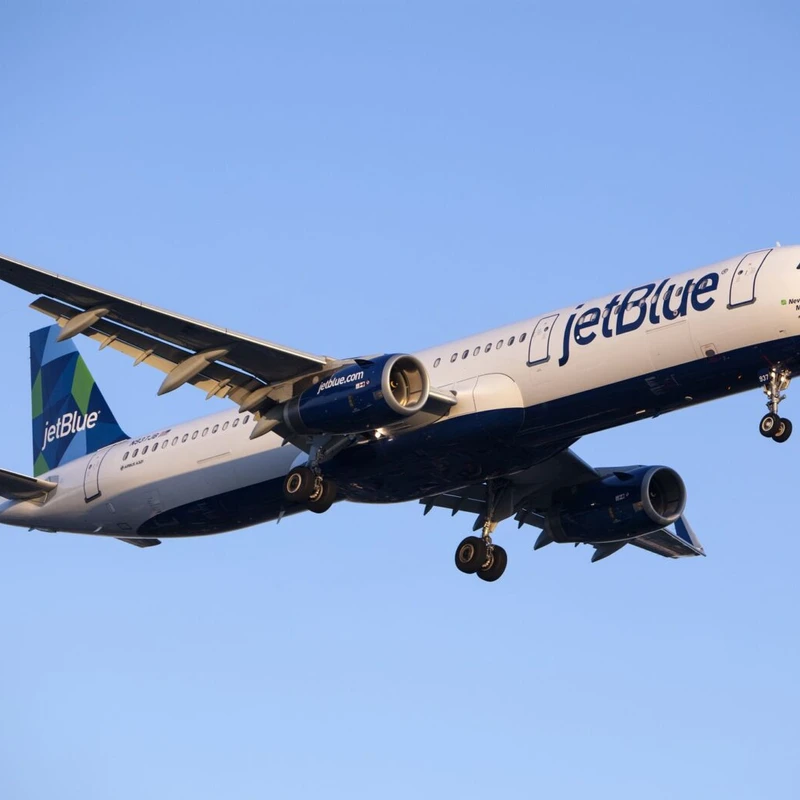
    Big news is buzzing in the airline industry! JetBlue, a major player among the top 10 U.S. carriers, is reportedly considering a significant move: a potential merger or sale. This news raises a crucial question for travelers: what happens to your hard-earned miles and your favorite routes when airlines join forces?

    JetBlue’s Financial Landscape

    Sources suggest that JetBlue has engaged analysts to evaluate its options, including potential mergers with carriers like United Airlines, Southwest Airlines, or Alaska Airlines. This exploration comes as JetBlue has been navigating financial challenges, remaining unprofitable since 2020. CEO Joanna Geraghty has been focused on the “JetForward” strategy, aimed at restoring profitability, with hopes for improved financial performance in 2026.

    The airline is also mindful of regulatory hurdles. A previous attempt to acquire Spirit Airlines was blocked by a federal judge in 2024 due to antitrust concerns. JetBlue’s current focus, according to a spokesman, is on executing its JetForward plan to create shareholder value and opportunities for its employees.

    What History Tells Us About Airline Mergers

    When airlines merge, it often leads to significant changes for travelers. Looking at past consolidations can offer clues about what might happen. For instance, Alaska Airlines’ acquisition of Hawaiian Airlines in 2024 provides a recent example.

    In the Alaska-Hawaiian case, the airlines worked to protect customers’ benefits, including their miles and loyalty statuses. The U.S. Department of Transportation even mandated that they “protect the value of rewards.” While some overlapping or unprofitable routes might be eliminated, travelers could potentially benefit from an expanded overall flight network.

    JetBlue’s Existing Partnerships

    JetBlue already has a collaborative relationship with United Airlines through their “Blue Sky” partnership. This existing alliance could potentially streamline any future acquisition or merger process. JetBlue’s own “JetForward” strategy presentation highlighted that “Blue Sky” is “Accelerating and Expected to Deliver Significant 2026 Value,” with plans for reciprocal benefits like priority boarding and preferred seating rolling out this year.

    Ultimately, the specifics of how travelers might be impacted depend heavily on which airline, if any, JetBlue merges with or sells to. Since official talks haven’t begun, we’ll have to wait and see how this potential industry shakeup unfolds and what it means for your travel plans.

    What are your biggest concerns about potential airline mergers? Share your thoughts on how it might affect your travel in the comments below!

  • Carnival Cruise Line Cancels Fall 2026 Sailings

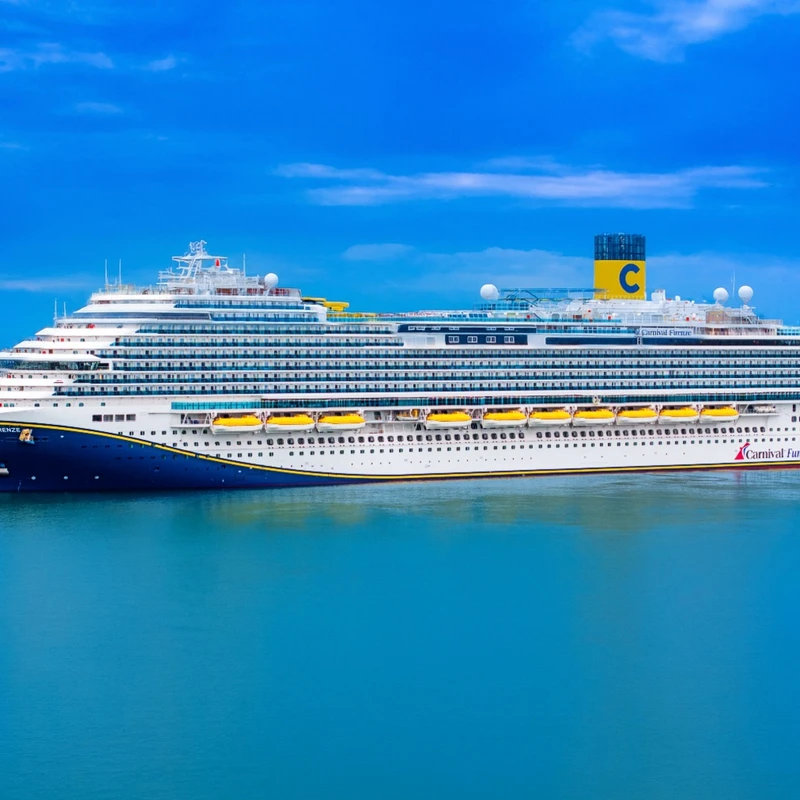
    If you were planning a fall getaway on the Carnival Firenze, you might need to adjust your plans. Carnival Cruise Line has confirmed the cancellation of 11 sailings scheduled for October and November 2026. The cruise line issued a statement mid-March, apologizing for the disruption and outlining options for affected passengers.

    The cancellations specifically impact the Carnival Firenze vessel between October 12, 2026, and November 16, 2026. Travel agents and booked guests have already been notified about these itinerary changes.

    What Are Your Options?

    Carnival is offering affected passengers two main choices. You can opt to rebook another Carnival cruise. To make the transition smoother, they are protecting your original cruise fare and providing an onboard credit for a comparable sailing in similar accommodations. This ensures you can still enjoy a cruise experience with added perks.

    Alternatively, if rescheduling isn’t feasible or desirable, guests will receive a full refund. This refund will cover your cruise fare and any pre-purchased items, and it will be processed back to your original form of payment. Carnival has apologized for the inconvenience caused by these changes.

    Cruise Cancellations Are Not Uncommon

    While disappointing, cruise line cancellations are not an entirely rare occurrence. Both large and small lines occasionally adjust their schedules. For instance, Norwegian Cruise Line canceled numerous sailings across its Prima and Breakaway ships between late 2026 and early 2027. They also made adjustments to home ports for other ships in October 2025.

    More recently, Alaskan Dream Cruises ceased operations entirely in February, canceling all future sailings. Royal Caribbean also reportedly canceled over 20 cruises for its Freedom of the Seas ship scheduled for summer 2027, citing redeployment due to demand and fleet considerations.

    Why Do Sailings Get Canceled?

    Cruise lines often adjust itineraries based on various factors. These can include demand fluctuations, capacity requirements, and broader fleet management strategies. As a Royal Caribbean spokesperson noted, “Deployment planning is dynamic and regularly reviewed.” These decisions, while impacting travelers, are part of the complex logistics of operating a global cruise fleet.

    Were you affected by these Carnival Firenze cancellations? Share your rebooking or refund experience in the comments below!