Category: Travel Disruptions

  • American Airlines Travelers: Expect Delays at ATL, DFW, ORD

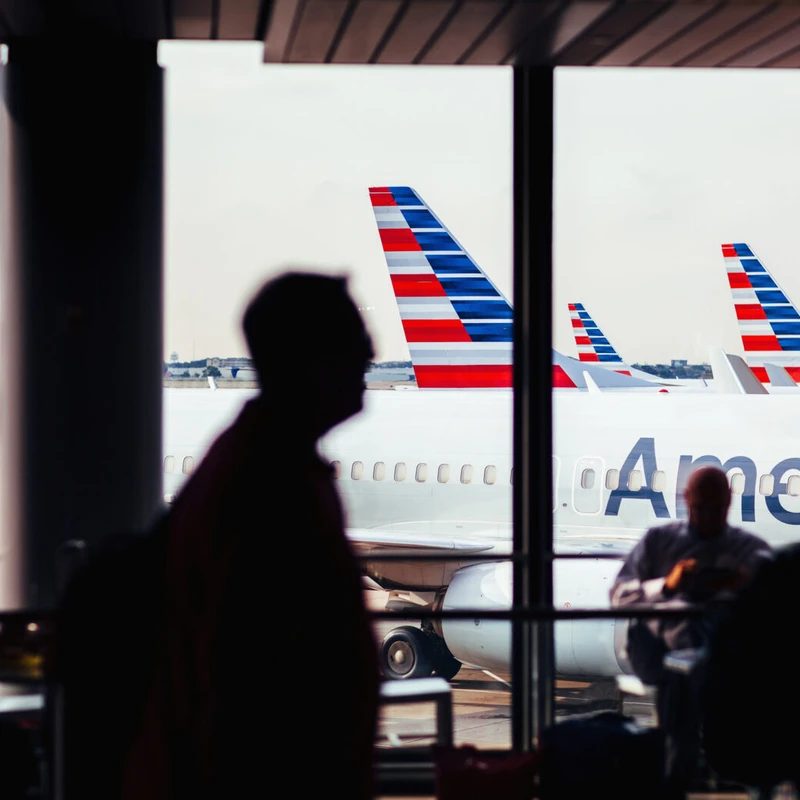
    If you’re flying with American Airlines today, Thursday, April 30, 2026, it’s wise to keep a close eye on your flight status, especially if your journey involves Dallas-Fort Worth International Airport (DFW), Hartsfield-Jackson Atlanta International Airport (ATL), or Chicago O’Hare International Airport (ORD). Early reports indicate significant pressure building at these key hubs, potentially leading to widespread delays.

    Major Airports Facing Disruptions

    As of early Thursday morning, Dallas-Fort Worth International Airport is already experiencing departure delays averaging over 30 minutes and climbing. Meanwhile, Hartsfield-Jackson Atlanta International Airport is seeing airborne arrival delays averaging around 48 minutes and also increasing. These delays are not just isolated incidents; they have the potential to create a domino effect across American Airlines’ network.

    The Federal Aviation Administration (FAA) has warned that thunderstorms are a contributing factor, expected to impact operations in Atlanta and Dallas-Fort Worth. The FAA’s National Airspace System status page even flagged a potential ground stop for Atlanta after 12 PM Eastern time, which could further exacerbate delays.

    Why These Delays Matter for American Airlines

    For American Airlines passengers, a single late flight can quickly escalate into a larger travel headache. DFW is American Airlines’ largest hub, meaning delays there can significantly impact a vast number of domestic and international itineraries. Even a seemingly minor delay of 30-45 minutes can cause travelers to miss tight connections, especially if their onward flights are full or their checked luggage is caught in the system.

    While Atlanta isn’t an American Airlines hub, its status as one of the busiest airports in the country means disruptions there can still affect passengers. FAA traffic management programs can slow down arrivals and departures for all airlines when weather or congestion limits airport capacity. Chicago O’Hare (ORD), another major American Airlines hub, should also be monitored, as flights originating there might be delayed due to inbound aircraft or crews coming from affected cities.

    Connecting Travelers Are Most at Risk

    Travelers with connecting flights, particularly those with short layovers, late-day departures, or checked baggage, are the most vulnerable to these disruptions. The interconnected nature of airline operations means a delay in one hub, like DFW, can create a cascade of missed connections throughout the day.

    • Check the American Airlines app frequently before heading to the airport and throughout your journey.
    • If a delay occurs, explore same-day rebooking options immediately.
    • Consider nonstop flights, later connections, or flights from nearby airports.
    • Be aware that waivers for weather-related disruptions may not be automatic; check your specific reservation.

    If you’re already at the airport and facing issues, head to the customer service line or contact American Airlines by phone or chat. Gate agents might be able to assist with standby lists for missed connections. For those with tight connections, inquire about protection on a later flight before your initial segment departs.

    Understanding Your Rights: Refunds vs. Compensation

    It’s important to know your rights. The U.S. Department of Transportation (DOT) states that you are entitled to a refund if an airline cancels your flight or significantly delays/changes it, and you choose not to travel or accept alternative arrangements. This refund right applies even if the disruption is due to weather or air traffic control issues.

    However, compensation for delays or cancellations on domestic flights is generally not required by U.S. airlines, unless it involves involuntary denied boarding (being bumped from an oversold flight). Given the current risks, travelers should prioritize rebooking, keep meticulous records of receipts and screenshots, and understand when a refund is applicable if a new itinerary doesn’t work out.

    Have you experienced flight delays recently? Share your tips for navigating travel disruptions in the comments below!
  • Hawaii Flooding: What Travelers Need to Know

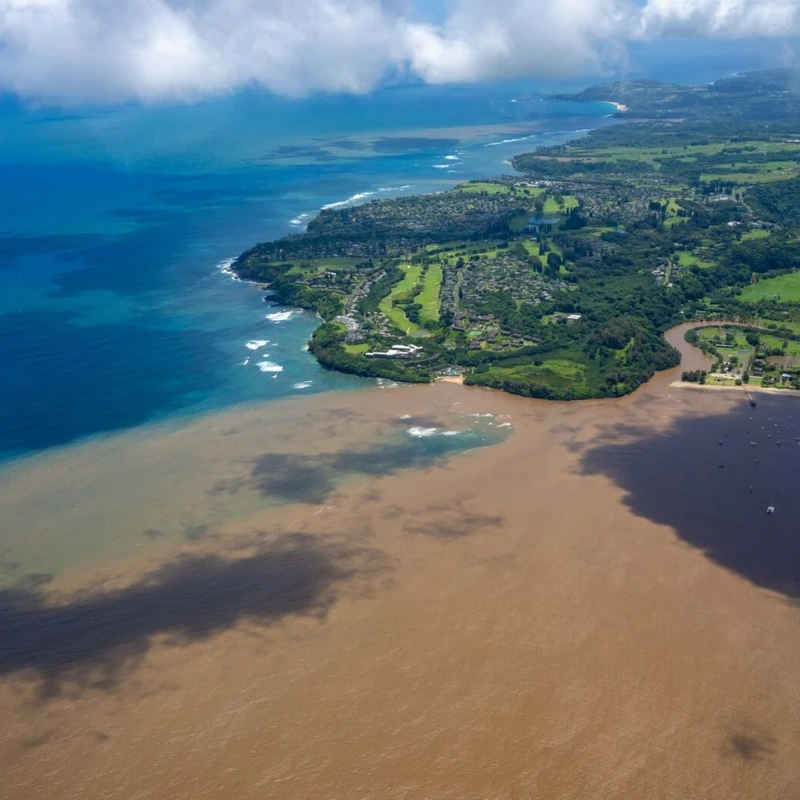
    Aloha travelers! If you’re planning a trip to Hawaii or are currently there, it’s important to be aware of the severe flooding impacting the islands. Following two intense ‘kona low’ storms, Hawaii is facing its most significant flooding in 20 years, affecting Oahu, Maui, and the Big Island.

    Current Conditions and Safety Warnings

    The Department of Land and Natural Resources is urging everyone to stay away from forested and coastal areas. On Oahu, all state parks are closed through March 23rd due to the severe conditions. The island’s third-largest island is particularly affected, with concerns about the century-old Wahiawa Dam being at risk of failure, though its owner, Dole Food Company Hawaii, states the dam is stable and operating as designed.

    Many roads are currently impassable, and floodwaters have surrounded homes. While thousands of North Shore residents on Oahu were evacuated, they have since been able to return home. Authorities are working diligently to address road damage, landslides, and drainage issues across the state.

    Travelers: Should You Postpone Your Trip?

    Despite the challenging weather, the Hawaii Tourism Authority advises that there’s “no reason to cancel or postpone trips.” Airports and harbors remain operational, though travelers should anticipate potential delays or cancellations. Flash flood warnings have expired, but caution is still advised.

    • Exercise caution near streams, drainage ditches, and low-lying roads.
    • Avoid the ocean if the water appears brown or murky.
    • Wait 48-72 hours after significant rainfall stops before swimming in the ocean.
    • Regularly check your flight status with airlines like Hawaiian and Alaska Airlines, who have already canceled some Neighbor Island flights.

    Staying Informed and Prepared

    Official updates are being provided by the Governor’s Office, Tourism Authority, and Departments of Health and Transportation. The Hawaii National Guard has assisted with evacuations, and sheriffs are providing support at storm shelters. Emergency operations and healthcare systems are reported to be stable, with no catastrophic injuries associated with the storms.

    Residents and visitors are strongly encouraged to sign up for emergency alerts from their respective counties. Authorities remind everyone to remain cautious as conditions stabilize and to avoid entering floodwaters or unsafe areas. Staying informed through official channels is key to navigating these conditions safely.

    Are you currently in Hawaii or have you recently traveled there? Share your experiences and any additional tips for fellow travelers in the comments below!

  • Government Shutdown Causes Flight Chaos

    If you’re planning to fly anytime soon, especially with the holidays approaching, you might want to brace yourself. The current government shutdown is wreaking havoc on air travel, leading to a massive wave of flight cancellations and delays that are impacting thousands of passengers nationwide.

    Thousands of Flights Grounded

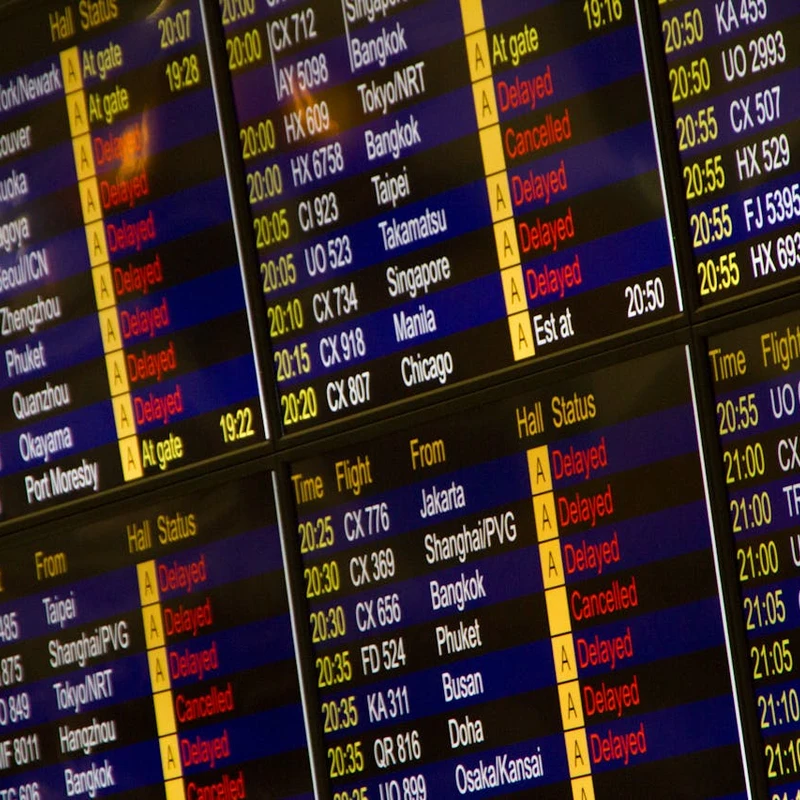
    As of the evening of November 8th, over 1,500 flights have been completely nixed from the schedules of major airlines like Delta, United, and American. This number has already surpassed the previous day’s cancellations, and with over 6,400 additional delays, flying has become a stressful ordeal for many. It’s a far cry from the smooth holiday travel many were hoping for.

    These disruptions are a direct result of the government shutdown, which has triggered significant staffing shortages, particularly within Air Traffic Control (ATC). Reports indicate that over 40 ATC staffing triggers have occurred across the U.S., leading to mandated flight traffic reductions.

    The Impact on Airlines and Travelers

    The government order mandates a 10% reduction in flight traffic, affecting major airline hubs like Atlanta (ATL), Los Angeles (LAX), and New York (JFK). U.S. Transportation Secretary Sean Duffy expressed his hope for a swift resolution, warning that flight reductions could increase if the shutdown persists. “My hope is that this government shutdown will end soon and we can get back in the business of letting Americans travel,” Duffy stated.

    The core issue stems from airport and ATC workers going without full paychecks since the shutdown began on October 1st. This financial strain has led many to call out, unable to afford reporting for duty. Delta has been hit the hardest, canceling 7% of its flights, while American, United, and Southwest have each seen about 3% of their flights canceled. All major airlines are experiencing delays ranging from 25% to 30%.

    International Travel Less Affected

    On a slightly brighter note, international travel appears to be less impacted by these domestic restrictions. Secretary Duffy mentioned that agreements with international hubs have helped prioritize these flights, preventing them from being removed from schedules. So, if you’re flying abroad, your trip might be more secure.

    However, for those traveling within the U.S., the situation remains uncertain. The potential for further reductions looms if the government doesn’t reopen soon, which could spell even more chaos for travelers trying to reach their destinations during this busy season.

    Are your travel plans being affected by the government shutdown? Share your experiences and tips for navigating these flight disruptions in the comments below!