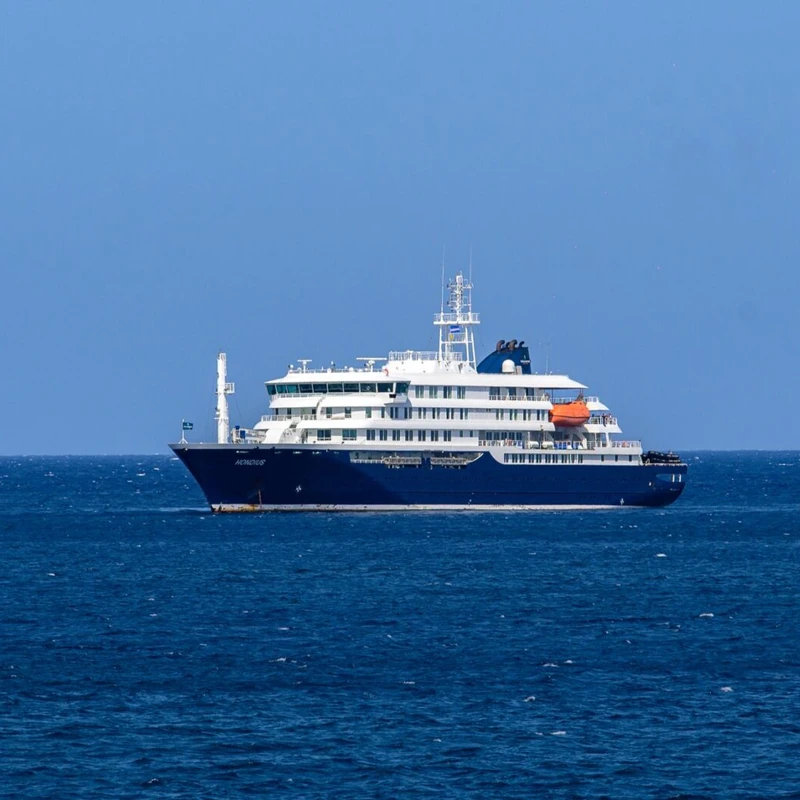
A recent hantavirus outbreak aboard the expedition cruise ship MV Hondius has sparked international attention, with several passengers falling seriously ill and some tragically losing their lives. While the news might sound alarming, health officials are emphasizing that for most travelers, the key is to take standard precautions, not to cancel upcoming trips.
Understanding the MV Hondius Outbreak
The outbreak has been linked to the Andes hantavirus, a strain typically found in South America. What makes this strain particularly noteworthy is that it’s the only known hantavirus capable of spreading from person to person, though this is considered uncommon and usually requires close contact. As of recent updates, at least 11 cases and 3 deaths have been associated with the ship. The MV Hondius arrived in Tenerife, Canary Islands, on May 10th, and passengers and crew were subsequently evacuated.
The World Health Organization (WHO) was first alerted to the situation on May 2nd. Initial reports indicated severe respiratory illness among passengers, with symptoms progressing rapidly to pneumonia, acute respiratory distress syndrome, and shock. The illness onset began between April 6th and April 28th, during the ship’s voyage through the South Atlantic, including Antarctica and various islands. Investigators are still working to determine how the virus initially entered the ship, though early information suggests some passengers had traveled in South America prior to boarding.
What is Hantavirus and How Does It Spread?
Hantaviruses are a group of viruses primarily carried by rodents. The most common way people contract hantavirus is through contact with infected rodents, particularly their urine, droppings, and saliva. This typically happens when contaminated materials are disturbed, releasing virus particles into the air, especially in enclosed spaces. Travelers might be at higher risk in places like cabins, rural accommodations, or storage areas where rodent activity might go unnoticed.
It’s crucial to remember that most hantaviruses do not spread between people. The Andes virus is the exception, but even its human-to-human transmission is considered uncommon and requires close contact, such as prolonged time in shared spaces or direct physical contact. This distinction is key to understanding why the current risk to the general traveling public is considered low.
Guidance for Travelers
Public health authorities, including the Centers for Disease Control and Prevention (CDC) and the European Centre for Disease Prevention and Control (ECDC), are coordinating the response. The focus is on passengers, crew, and anyone who had direct or sustained exposure to confirmed cases. For individuals with no direct connection to the MV Hondius, current guidance strongly suggests that routine travel can continue as normal.
The CDC emphasizes that the overall risk to the American public and travelers remains extremely low. The response is tailored to those directly affected by the ship’s voyage, rather than a broad travel advisory. Travelers are always advised to avoid contact with rodents and their waste in areas where hantavirus may be present. If you traveled on the MV Hondius or had close contact with a symptomatic passenger or crew member, it’s important to follow the instructions of public health authorities and seek medical attention if you develop symptoms like fever, muscle aches, or respiratory distress.
Have you traveled recently or have upcoming trips? What precautions do you take to stay healthy while traveling? Share your tips in the comments below!

