Remember when celebrities felt like distant stars? In today’s hyper-connected world, that distance has all but vanished. Social media and constant online presence have blurred the lines between public figures and their fans, leading to encounters that are sometimes uncomfortable, and increasingly, feel unsafe.
When Fan Encounters Turn Unsettling
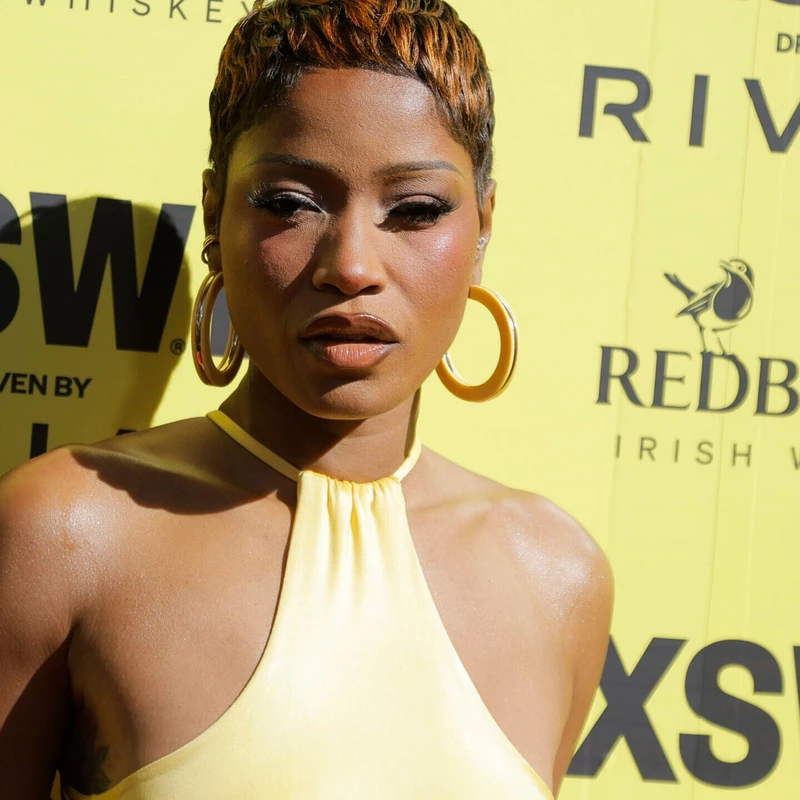
Keke Palmer recently experienced this firsthand at SXSW. What she initially thought was a quirky fan interaction—a man proposing to her on one knee—quickly turned unnerving when she realized the sincerity in his eyes and his plea for help in getting her to say yes. Palmer noted the ring looked expensive, making the situation feel less like a joke and more like a genuine concern for the man’s well-being and her own safety.
This incident isn’t isolated. Stars like Audra McDonald, Rihanna, and Natalia Bryant have faced boundary-crossing fan encounters, ranging from being followed home to having their homes targeted. The ease of access celebrities now offer, through vlogging, sharing personal updates, and engaging on platforms like TikTok, has fostered an environment where parasocial relationships can thrive.
The Rise of the ‘Relatability Era’
We’ve entered an era where celebrities are encouraged to be relatable, sharing intimate details of their lives to build a connection with their audience. This digital presence, while fostering a sense of closeness, also seems to have eroded the understanding of personal boundaries. The expectation is that celebrities should be constantly available and emotionally accessible.
For Black celebrities, particularly Black women, this dynamic is often amplified by cultural expectations of extroverted warmth and accessibility. Having historically built communities with fans who felt a deep sense of shared investment, the pressure to maintain this connection can sometimes morph into a sense of entitlement from fans. When Black women deviate from this expected persona, they risk being labeled negatively more harshly than their peers.
The Emotional Toll of Connection
This intense connection isn’t just about autographs or selfies. Fans can project deep personal meaning onto celebrities’ work, sometimes leading to disclosures like Issa Rae’s experience with fans saying her show “saved their life.” While well-intentioned, such statements can place unexpected emotional pressure on creators, especially in public settings.
In response to this intense scrutiny, some celebrities are opting for more privacy. Zendaya, for instance, has indicated she may not share details of her wedding to Tom Holland, seeking to keep some aspects of her life private. Keke Palmer herself acknowledged the need for public figures to be seen as human, urging for conversations about the realities of being an entertainer in the public eye.
Navigating the Future of Fame
As the lines continue to blur, the need for clear boundaries and mutual respect between celebrities and fans becomes increasingly crucial. The “relatability era” has brought stars closer to us, but it’s vital to remember that behind the screen and the persona, they are individuals deserving of privacy and safety.
What are your thoughts on the evolving culture of fame and fan interactions? How can we foster healthier boundaries? Share your perspective in the comments below!