Category: Social Justice and Advocacy

  • African Nations Demand Reparations for Colonialism

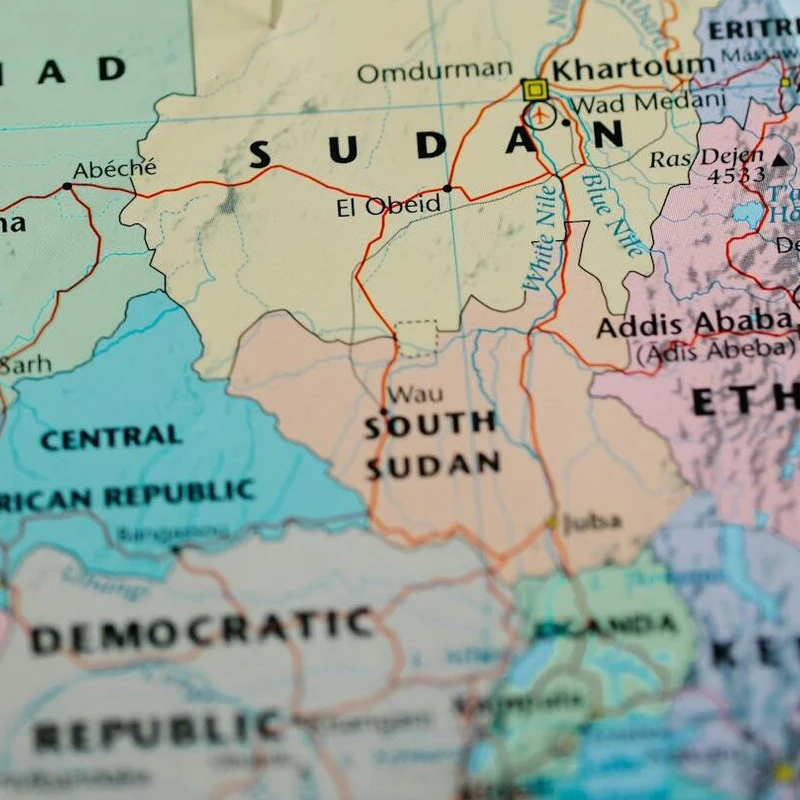
    African nations are stepping up their efforts to seek justice and compensation for the devastating impacts of colonialism. A renewed push is underway to secure reparations for the widespread suffering and exploitation that occurred during the colonial era, with leaders emphasizing that accountability is long overdue.

    A Unified Call for Justice

    On November 30th, African diplomats and leaders convened to advance an African Union resolution aimed at addressing the crimes of colonialism. Algerian Foreign Minister Ahmed Attaf, whose country endured brutal French colonial rule, highlighted the necessity of compensation and the return of stolen property. He asserted that such restitution is “neither a gift nor a favor,” but a rightful entitlement.

    Attaf stated, “Africa is entitled to demand the official and explicit recognition of the crimes committed against its peoples during the colonial period, an indispensable first step toward addressing the consequences of that era, for which African countries and peoples continue to pay a heavy price in terms of exclusion, marginalization, and backwardness.”

    Classifying Colonization as a Crime

    This intensified effort builds upon discussions from the African Union’s February summit, where leaders supported a proposal to establish a unified stance on reparations. A key aspect of this initiative is the formal classification of colonization as a crime against humanity. This aligns with existing international norms that condemn slavery, torture, and apartheid, though the UN Charter does not explicitly address colonialism.

    The economic toll of colonial rule is estimated to be in the trillions, as European powers extracted vast wealth from Africa’s natural resources through exploitation. This has left many African communities impoverished and continues to contribute to their marginalization on the global stage.

    Return of Stolen Artifacts

    Beyond financial compensation, the movement also strongly advocates for the return of cultural artifacts that were taken from Africa during the colonial period and are currently housed in European museums. The push for reparations is seen as a crucial step toward rectifying historical injustices and fostering a more equitable future for the continent.

    The choice to host the recent conference in Algeria was deliberate, given the nation’s own history of harsh French colonial rule and its subsequent fight for independence. Algeria has long championed the cause of addressing colonialism within international law, navigating the complex political sensitivities surrounding this history, particularly in France.

    What are your thoughts on the call for reparations for colonialism? Do you believe it’s a necessary step for global justice? Share your views in the comments below!
  • Support Black Nonprofits This Giving Tuesday

    Giving Tuesday is more than just a day; it’s a global movement celebrating generosity and community. As we approach this annual event, it’s the perfect time to highlight the incredible work being done by Black-led nonprofits. These organizations are on the front lines, addressing critical needs and creating lasting change in communities across the country. Let’s explore some vital causes and the inspiring organizations making a substantial impact.

    Fighting Food Insecurity

    Access to healthy food is a fundamental need, and many Black communities face significant challenges in this area. Black-led nonprofits are working tirelessly to combat food insecurity through innovative programs.

    • **Umi Feeds:** Founded by Erica “Umi” Clahar, this organization rescues surplus food to prepare and distribute healthy meals to those experiencing hunger and homelessness. Operating in multiple cities, Umi Feeds provides hot meals, hygiene products, and clothing, often through mobile markets in underserved neighborhoods. You can support them through donations or volunteering.
    • **National Black Food & Justice Alliance (NBFJA):** This alliance brings together Black-led organizations, farmers, and activists focused on achieving Black food sovereignty and land justice. They advocate for policy changes and build institutions that empower Black communities to control their food systems, working to heal the historical oppression faced in food and land access.

    Providing Shelter and Housing Support

    Stable housing is crucial for individual and community well-being. Several Black nonprofits are dedicated to providing essential shelter and preventing homelessness, particularly for vulnerable populations.

    • **Black Veterans for Social Justice (BVSJ):** Established in 1978, BVSJ offers vital emergency and transitional housing, job support, and counseling services to Black veterans who are homeless or at risk of homelessness, primarily serving the New York City region.
    • **National Urban League:** This historic civil rights and community empowerment organization provides a wide range of services, including housing counseling, eviction prevention, and job training. With over 90 affiliates nationwide, they work to stabilize Black families and promote economic mobility.

    Distributing Clothing and Essentials

    Beyond basic needs like food and shelter, access to appropriate clothing and personal care items can significantly impact dignity and opportunity. These organizations ensure essential items reach those who need them most.

    • **Well Cloth’d, Inc.:** Based in Brooklyn, this nonprofit creates and delivers clothing and toiletry care packages with a focus on dignity-centered distribution. They operate pop-up shops and personalized care drives to meet specific needs.
    • **Tommy’s Closet (Run by 100 Black Men of America):** This program provides professional and business clothing, along with toiletries, to HBCU and other Black students in need. Their goal is to remove barriers to student success by equipping them with attire for interviews and professional opportunities.

    Fostering Education and Opportunity

    Education is a powerful tool for empowerment and breaking cycles of disadvantage. These organizations are committed to ensuring Black students have the resources they need to succeed.

    • **United Negro College Fund (UNCF):** A cornerstone in supporting Black higher education since 1944, UNCF provides scholarships, funding, mentorship, and college readiness initiatives to Black students and Historically Black Colleges and Universities (HBCUs).
    • **Linden AI Institute:** This Black-founded nonprofit focuses on AI literacy and equitable access to technology education. They offer workshops, youth programs, and teacher training to ensure Black and marginalized communities are not left behind in the rapidly expanding AI sector.

    This Giving Tuesday, consider supporting these incredible Black-led nonprofits. Which cause resonates most with you? Share your thoughts and any other organizations you support in the comments below!

  • Trymaine Lee: Covering Black Death, Surviving Heart Attack

    Trymaine Lee, a journalist known for his unflinching coverage of the Black experience in America, has always been on the front lines, reporting on stories of trauma and resilience. But what happens when the weight of those stories becomes too much to bear? Lee shares his own near-fatal brush with death and how it inspired his powerful new book, “A Thousand Ways to Die.”

    A Personal Health Crisis

    While working on his book, initially titled “Million Dollar Bullet,” Lee experienced a life-threatening heart attack at just 38 years old. A blood clot, a different kind of deadly force than the bullets he’d been reporting on, brought his life to a standstill. This personal health scare forced him to confront the profound impact of his career covering gun violence and its devastating effects on Black communities.

    Lee described the experience as a stark reminder that while blood clots and bullets are different, they can both shatter lives, often stemming from similar societal impulses. His survival, which he attributes to his family’s legacy of resilience, allowed him to complete his book with a renewed perspective.

    Inheriting a Legacy of Survival

    The book, now titled “A Thousand Ways to Die: The True Cost of Violence on Black Life in America,” delves into the stories of Lee’s own family members who were victims of gun violence, dating back to the Jim Crow South. He recounts the tragic deaths of a great uncle shot in a sundown town, another killed by a state trooper, his grandfather murdered by a renter, and his own stepbrother fatally shot. These personal narratives are woven together with journalistic rigor and deep compassion.

    Lee connects these individual tragedies to larger systemic failures, such as poverty, underfunded schools, and inadequate healthcare, which can push individuals towards the dangerous underground gun market. He argues that the “violence” extends beyond the gun itself, encompassing the lack of access to basic necessities and the chronic stress that disproportionately affects Black communities, leading to higher rates of cardiac issues and other health problems.

    A Public Health Perspective on Violence

    Lee emphasizes that “A Thousand Ways to Die” isn’t about prescribing solutions but rather illuminating the complex dynamics of violence as a public health crisis. He points to data suggesting that stricter gun laws correlate with lower rates of gun-related deaths, including homicides and suicides, while looser laws and more guns lead to higher fatalities.

    Ultimately, Lee wants readers to understand the profound cost of unchecked gun violence, particularly on Black lives. It’s not just about the loss of life, but the stifling of hopes, dreams, and imaginations within affected communities. His work serves as a vital call to acknowledge and address the systemic issues that fuel this ongoing crisis.

    What are your thoughts on Trymaine Lee’s perspective on gun violence as a public health issue? Share your insights in the comments below!

  • The Alchemist on Gaza: Why He Stays Out of the Spotlight

    You know how sometimes the world feels like it’s shouting, and everyone expects you to add your voice to the loudest argument? Well, legendary producer The Alchemist recently sat down to talk about just that, specifically regarding the intense situation in Gaza. While many artists feel the pressure to weigh in on global conflicts, he shared his perspective on why he often stays out of the public debate.

    Why the Silence on Gaza?

    In a recent interview with Rolling Stone’s Andre Gee, The Alchemist addressed why he doesn’t feel compelled to make public statements about the violence in Gaza. The conversation kicked off when Gee asked about the producer highlighting “Free Palestine. F*ck The Police” graffiti in one of his YouTube documentaries. The Alchemist’s response was straightforward: “Never really was that type of artist.” He clarified that while he believes everyone suffering injustice deserves freedom, he avoids taking public stances on specific, highly charged geopolitical issues.

    He explained that there’s often a lot of confusion and misinformation surrounding these topics, which makes him hesitant to engage. “People always try to get into it,” he noted. “There’s a lot of misinformation. That’s why I stay away from it.” He emphasized that seeing the graffiti in his documentary was a reflection of what fans were saying, not necessarily his own direct political endorsement.

    Focusing on Love, Peace, and Music

    The Alchemist, born Jewish, stressed that his focus remains on universal themes. “I was born Jewish, my family, everybody knows my history, but I’m about love, peace, my family, music, creativity, art,” he stated. This philosophy guides his approach to life and his art, aiming to put something positive into the world.

    He’s wary of being forced into an agenda, preferring to let his music and creative output speak for themselves. “People forcing you to be a part of an agenda one way or another, I’m not really into,” he admitted. His commitment is to standing against injustice wherever it occurs, but he does so without necessarily engaging in public political commentary.

    What’s Next for The Alchemist and Freddie Gibbs?

    This conversation comes on the heels of The Alchemist teaming up with Freddie Gibbs for their latest collaborative album, “Alfredo 2.” Released on July 25, 2025, it’s the highly anticipated sequel to their 2020 project and their third full-length collaboration overall, following “Fetti” in 2018. Fans will be happy to hear that the duo isn’t done yet!

    Freddie Gibbs hinted in the same interview that more music is on the way. “We still got more to do,” he shared. “Sh*t, we going do deluxes, all this sh*t. We going to ride this motherf*cker out.” So, while The Alchemist might be selective about his public commentary on global affairs, his musical output with Gibbs promises to keep fans engaged.

    What are your thoughts on artists speaking out versus focusing on their craft? Share your perspective in the comments below!

  • Supreme Court Allows Broader Immigration Stops in LA

    In a significant decision, the Supreme Court has rolled back restrictions that previously limited how federal immigration agents could conduct stops in the Los Angeles area. This ruling, a win for the Trump administration, allows agents to broaden their criteria when initiating stops, potentially impacting countless individuals.

    The Court’s Decision: What Changed?

    The Supreme Court, with its 6-3 conservative majority, reversed a lower court’s order that had barred immigration agents from making stops based solely on factors like race, language, occupation, or location. Justice Brett Kavanaugh, writing in concurrence, stated that while apparent ethnicity alone can’t establish reasonable suspicion, it can be a ‘relevant factor’ when combined with other elements.

    This decision effectively lifts a restraining order that was put in place after a judge found evidence of “roving patrols” conducting indiscriminate stops. The original order aimed to prevent agents from detaining individuals without sufficient reasonable suspicion, a standard rooted in constitutional law.

    Dissenting Voices and Concerns

    The ruling was not without strong opposition. Justice Sonia Sotomayor, joined by her two liberal colleagues, issued a sharp dissent. She voiced deep concern, stating, “Countless people in the Los Angeles area have been grabbed, thrown to the ground, and handcuffed simply because of their looks, their accents, and the fact they make a living by doing manual labor. Today, the Court needlessly subjects countless more to these exact same indignities.”

    The plaintiffs in the case, including immigrant advocacy groups and U.S. citizens who were swept up in previous stops, argued that the administration’s tactics were unconstitutional and systematically targeted people of color. They presented evidence of individuals being detained, injured, and even taken to holding facilities without proper justification.

    The Legal Battle Continues

    The lawsuit, which accused the Trump administration of targeting individuals based on their appearance during a crackdown on illegal immigration in the Los Angeles area, will now proceed in California courts. While the Department of Homeland Security has maintained that officers target people based on illegal presence, not race or ethnicity, the Justice Department argued the lower court’s order was too restrictive on agents’ methods.

    The Supreme Court’s decision comes at a time when ICE agents have reportedly increased enforcement activities in various locations, including Washington D.C. The ruling potentially opens the door for more widespread and less restricted immigration enforcement actions in areas like Los Angeles, which has been a focal point for the administration’s hard-line immigration policies.

    What are your thoughts on the Supreme Court’s decision regarding immigration stops? Share your views in the comments below.