
Category: Social Issues and Policies

  • Southwest Tightens Rules for Plus-Size Passengers

    Southwest Airlines is making significant changes to its seating policy for plus-size passengers, which will take effect on January 27, 2026. On this date, the airline will also transition to assigned seating across all its flights. The new policy will require customers who need extra space to purchase two seats, and it also tightens the conditions for refunding the second fare.

    New Policy Details and Refund Conditions

    Previously, Southwest encouraged, but did not mandate, customers of size to buy a second seat and then apply for a refund for the additional fare after their travel. However, starting in 2026, purchasing a second seat will be mandatory for any customer who cannot be safely accommodated within a single seat’s armrests.

    The airline will still offer refunds for the second seat, but under stricter conditions. To be eligible, passengers must meet three criteria: the flight must have at least one open seat, both seats must be purchased under the same fare class, and the refund request must be submitted within 90 days of travel.

    Why the Change? Safety and Efficiency

    The airline defines safe accommodation as being able to fit between two lowered armrests. Southwest recommends purchasing the second seat in advance to potentially avoid higher fares at the airport. The policy also notes that Southwest reserves the right to determine if an additional seat is necessary for safety, and refunds are only applicable to seats purchased on Southwest-operated flights, not partner carriers.

    This policy shift aligns with a broader industry trend towards more structured seating arrangements and fare classes. While it aims to ensure comfort and safety for all passengers, it also places a greater financial responsibility on plus-size travelers.

    What are your thoughts on Southwest Airlines’ new policy for plus-size passengers? Do you think it’s a fair adjustment? Share your opinions in the comments below!
  • Florida Environmental Group Wins Against Big Oil

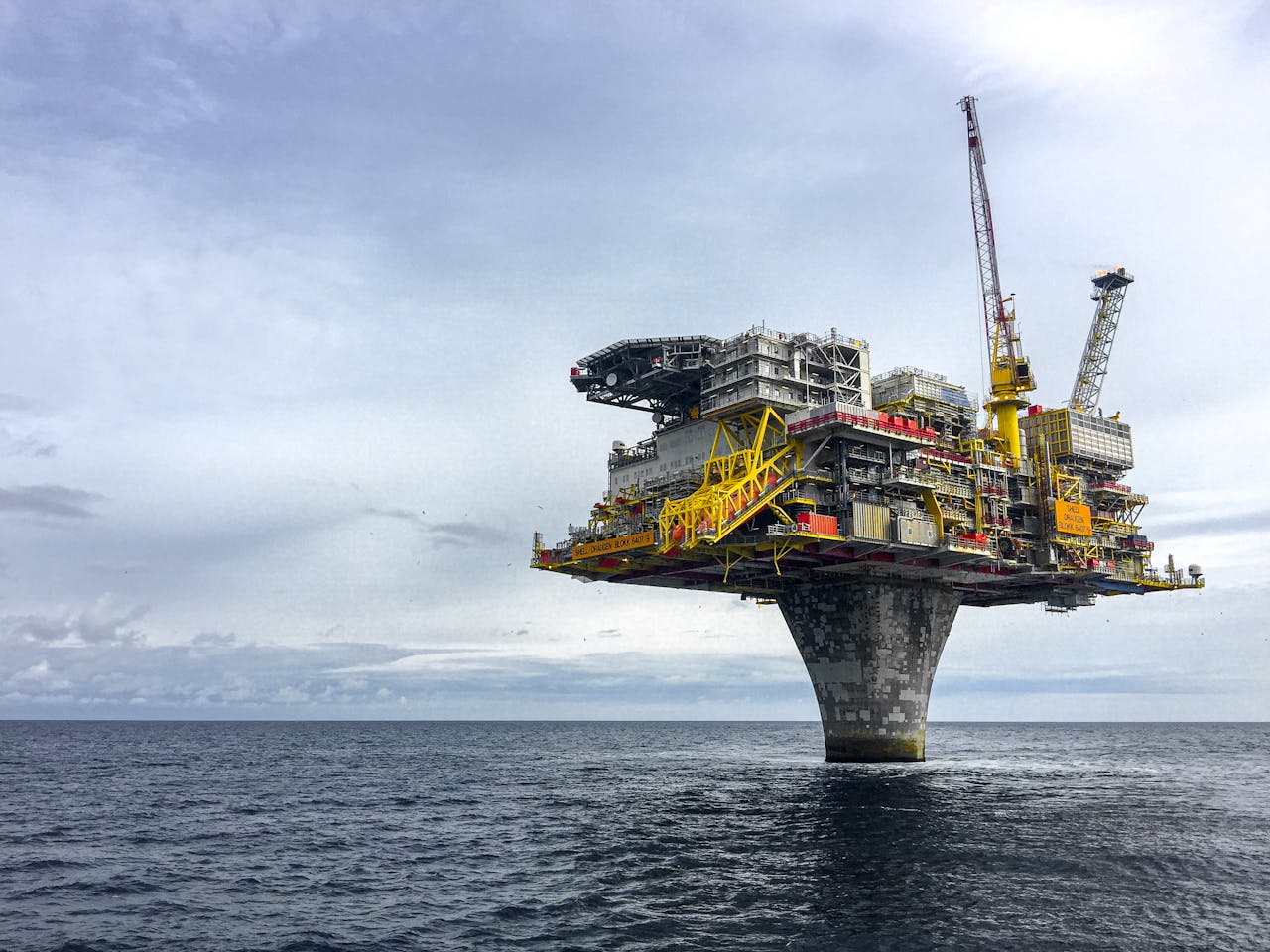
    A coalition of Florida residents, environmental groups, and business leaders has achieved a significant victory against Big Oil, successfully preventing exploratory oil drilling in the ecologically vital Apalachicola River basin. This win, spearheaded by the Apalachicola Riverkeepers and supported by state representatives, highlights the power of community action in protecting natural resources.

    From Threat to Legislative Protection

    The threat emerged in April 2024 when the Florida Department of Environmental Protection (DEP) granted a permit to Clearwater Land and Minerals for exploratory oil drilling in the Apalachicola River basin. This decision reignited fears stemming from the 2010 Deepwater Horizon oil spill, which, although it didn’t directly impact Apalachicola Bay, devastated the region’s economy through the mere threat of oil contamination. State Congressman Jason Shoaf recalled the economic hardship, stating, “The threat of oil kept tourists away for months… Businesses were forced to close, jobs were lost, and the disaster reshaped our region forever.”

    In response, a coalition formed the “Kill the Drill” movement to oppose the permit. Their efforts, combined with an administrative challenge filed by Apalachicola Riverkeepers, led to a crucial recommendation from Judge Lawrence P. Stevenson for the DEP to deny the permit. In May, the DEP complied, reversing its earlier decision. However, the coalition recognized that a permit denial was not a permanent solution.

    House Bill 1143: A Permanent Ban

    To prevent future threats and ensure a permanent ban on oil exploration and drilling near north Florida’s inland waterways, Shoaf, along with State Representative Allison Tant, co-authored House Bill 1143. This legislation prohibits drilling, exploration, and production of oil, gas, and other petroleum products within a 10-mile radius of a national estuarine research reserve in counties designated as rural areas of opportunity. It also mandates that the DEP ensure adequate protection of natural resources in the event of an accident.

    The bill passed overwhelmingly in the legislature, with only one dissenting vote in the Senate, and was signed into law by Florida Governor Ron DeSantis last week, marking a significant victory for the coalition. Shoaf stated, “While the permit to Clearwater Land and Minerals was denied, we can’t assume the next one will be. HB 1143 protects our precious water resources and the ecosystems that depend on them.”

    Protecting Vital Ecosystems and Economies

    The protected area is invaluable to both nature and the local communities. The Apalachicola River system, flowing into the Apalachicola Bay and the Gulf, is crucial for the region’s tourism and seafood industries. Adrianne Johnson, executive director of the Florida Shellfish Aquaculture Association, emphasized the deep collective memory of the Gulf oil spill’s devastation, particularly to the oyster industry in Apalachicola Bay. She noted that oil drilling upriver would have catastrophic environmental and economic impacts, especially given the region’s vulnerability to hurricanes. “Our shellfish farmers are still recovering from the multiple hurricanes of 2024,” Johnson explained, adding that permitting oil drilling in sensitive areas is an unnecessary threat.

    Craig Diamond, a board member and past president of Apalachicola Riverkeeper, added that the river system itself is already under stress, making the long-term risks of fossil fuel exploitation far outweigh any short-term benefits. The success of HB 1143, inspired by grassroots community efforts, ensures the protection of these invaluable natural resources for generations to come.

    What environmental protection measures do you believe are most crucial for safeguarding natural resources? Share your thoughts in the comments below!