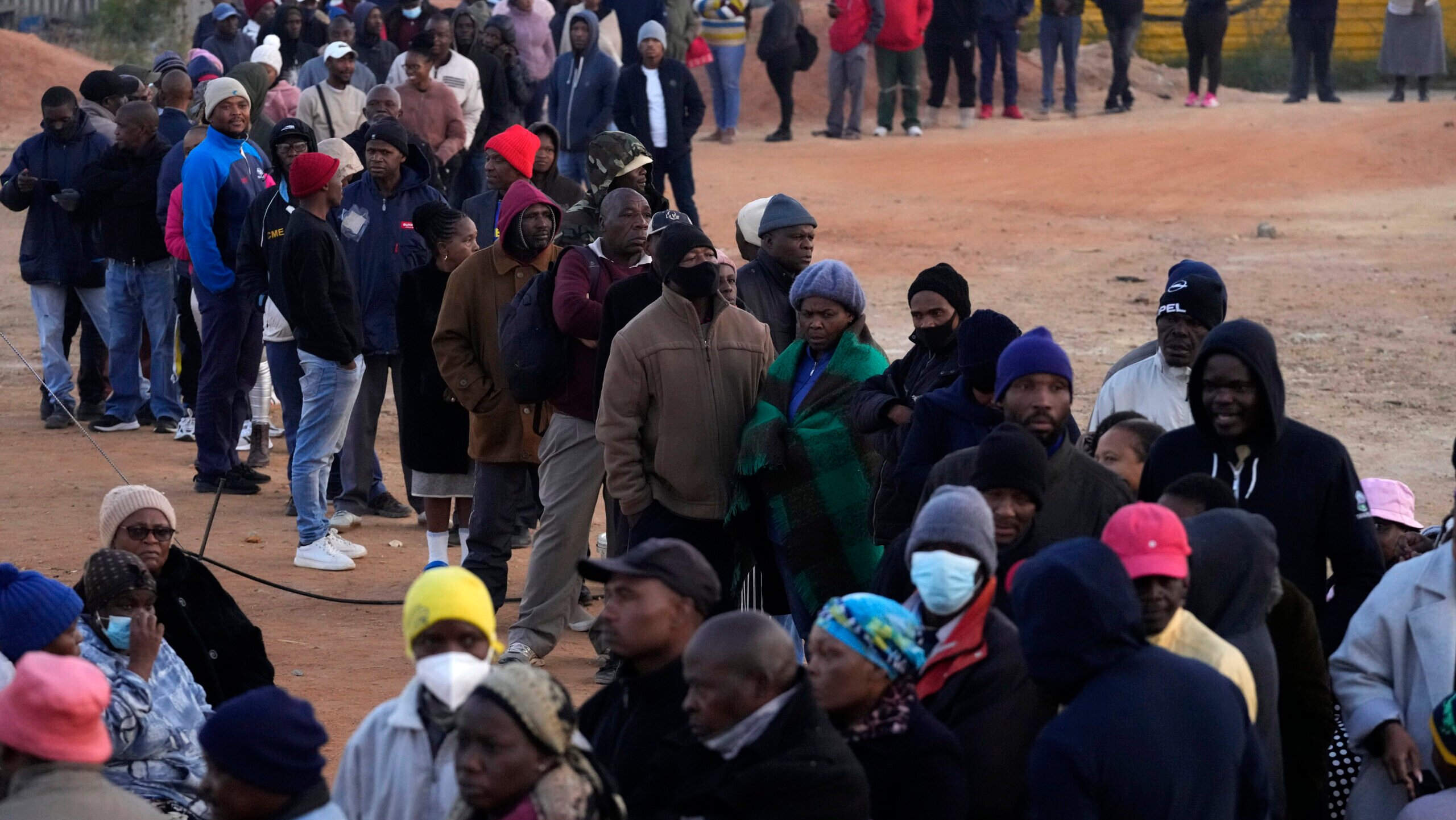
South Africa has embarked on a significant “national dialogue,” a highly anticipated initiative aimed at tackling the nation’s most pressing challenges. This soul-searching process seeks to bring together all sectors of society to discuss and find solutions for issues like poverty, inequality, crime, corruption, and unemployment.
Addressing Decades of Post-Apartheid Challenges
Initiated by President Cyril Ramaphosa following calls from civil society, the dialogue is expected to involve a broad spectrum of participants, including most political parties, civic groups, and the general public. The talks begin with a two-day convention in the capital, Pretoria. South Africa, over 30 years after the end of apartheid, still grapples with high levels of poverty, inequality, crime, and an unemployment rate exceeding 30%, one of the world’s highest.
The urgency for such talks has grown, particularly after the long-ruling African National Congress (ANC) lost its parliamentary majority in the 2024 elections, leading to the formation of a coalition government. Ramaphosa announced the dialogue in June, emphasizing its people-led nature: “The national dialogue must be a place where everyone has a voice. The dialogue will be a people-led, society-wide process to reflect on the state of our country in order for us to reimagine our future.”
Key Participants and Notable Criticisms
To ensure representation, Ramaphosa has appointed an Eminent Persons Group comprising religious, sports, labor, and civic figures who reflect South Africa’s diversity. Notable appointees include rugby captain Siya Kolisi, actor John Kani, and former Constitutional Court Judge Edwin Cameron. However, not all political parties are participating. The Democratic Alliance (DA), the second-largest party in the coalition, withdrew due to a dispute with the ANC, calling the talks a waste of public money. The MK Party, the official opposition, has also stated it will not participate.
Concerns have also been raised about the potential cost, estimated at $40 million, and skepticism about whether the dialogue will lead to tangible changes. Some foundations have pulled out of the initial convention due to rushed timelines and logistical issues, though they plan to engage later in the program. Political analysts note that the ANC might be using the dialogue as a platform for campaigning ahead of local elections, prompting calls for them to allow the process to unfold without undue control.
The Phased Approach to National Discussion
The national dialogue is structured in phases, with public discussions planned across all nine of South Africa’s provinces. The exact duration of the dialogue remains unclear, but a second convention is anticipated early next year. This multi-stage approach aims to foster widespread participation and thorough deliberation on the nation’s future.
What are your thoughts on South Africa’s national dialogue? Do you believe it will lead to meaningful change? Share your opinions in the comments below!