Category: Social Issues and Advocacy

  • America’s Femicide Crisis: A Call to Action for Black Women

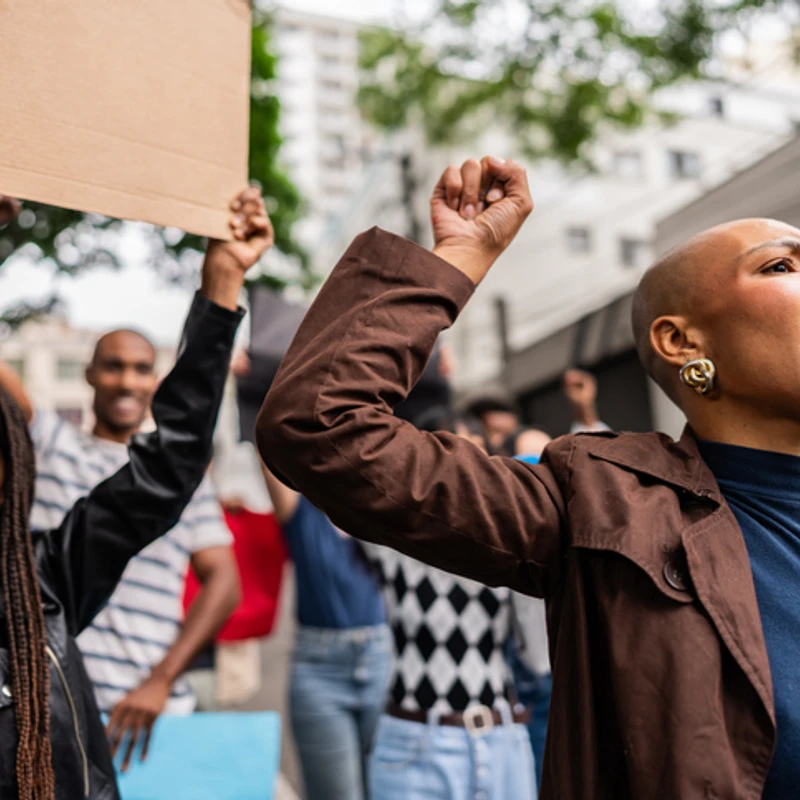
    Black women deserve safety, protection, and the fundamental right to live without fear. Yet, for too long, the national conversation about violence within the Black community has sidestepped a critical issue: femicide. While we mobilize around the systemic dangers facing Black men and mourn the loss of our sons, we often fail to directly address and name the violence that impacts Black women so profoundly, both within and outside our communities.

    The Pervasive Threat of Misogynoir

    This isn’t a new problem. From the response to the Tory Lanez shooting of Megan Thee Stallion to the blatant disregard for Dr. Cerlina Wanzer Fairfax’s life while her killer was lauded by his fraternity, the pattern is clear: Black women’s lives are often devalued. This disregard is deeply rooted in misogynoir—a specific form of prejudice that combines anti-Black racism with misogyny. This toxic blend leaves Black women killed at rates four times higher than non-Black women, despite making up only 10% of the U.S. female population. A staggering 59% of murdered women are Black, with intimate partner violence being a primary driver of these Black femicides.

    The data is stark: Black women are more likely to be murdered by an intimate partner than to die from the top three pregnancy-related complications. Black pregnant women face a particularly high risk. Furthermore, the homicide rate for Black trans women has surged by 93% in just four years, yet this crisis remains largely invisible in mainstream discourse. Why? Harmful stereotypes paint Black women as inherently strong and unbreakable, diminishing their perceived need for protection and empathy. Even when Black women exhibit strength, success, or joy, narratives often emerge suggesting they somehow deserved mistreatment.

    Systemic Issues Fueling the Crisis

    The violence is often intimate and targeted, committed by partners, husbands, boyfriends, and even fathers. This reality forces us to confront the uncomfortable truth that the danger isn’t solely external; it exists within our communities. The homicide rate for Black women has been steadily rising since 2017, yet attention, resources, and urgency remain critically low. When tragedies occur, the focus often shifts to the perpetrator’s issues rather than the lives lost. Mental health struggles, while real, cannot continue to be used as a shield to deflect accountability or humanize abusers more than their victims.

    Cultural forces like patriarchy also play a significant role, even within marginalized communities. The normalization of male dominance, control, and entitlement can easily escalate to violence, especially when combined with economic disparities and limited institutional support. The digital world further exacerbates this, with misogynoir-driven content in online spaces radicalizing individuals and contributing to the devaluation of Black women, creating an environment where harm feels justified or ignored.

    From Awareness to Action

    Despite these immense challenges, Black women continue to be the backbone of families, communities, and culture. It’s time for reciprocity—for the protection and support they consistently provide to be returned. Framing this as a “public health crisis,” as ESSENCE has done, is crucial because it highlights the systemic patterns costing Black women their lives. Awareness alone is insufficient; action is imperative.

    1. **Demand Policy Change:** We need structural solutions, like Minnesota’s precedent-setting Office for Missing and Murdered Black Women and Girls, to become a national standard. This includes better data collection, targeted interventions, and dedicated funding.
    2. **Challenge the Culture:** Confront misogynoir in everyday conversations, group chats, and homes. Silence enables complicity; calling out harmful rhetoric in real-time is vital.
    3. **Support Women’s Autonomy:** Leaving an abusive situation is dangerous. Providing tangible resources like emergency funds, safe housing, childcare, and legal aid is crucial for survival, not just freedom.

    Black women deserve safety, respect, and the right to live fully. This is not a radical idea, but a fundamental human right. The data and lived experiences confirm that safety is not guaranteed. We must move beyond treating these incidents as isolated tragedies and connect the dots to address the systemic pattern of femicide. It’s time for the protection Black women have always extended to others to be returned to them.

    What steps do you believe are most crucial to combatting femicide against Black women? Share your thoughts and potential solutions in the comments below. If you or someone you know is experiencing domestic violence, please reach out to the National Domestic Violence Hotline at 1-800-799-SAFE (7233).
  • Chris Smalls Arrested at Met Gala Protest

    The glitz and glamour of the Met Gala often attract attention, but this year, a protest outside the event brought a different kind of spotlight. Chris Smalls, the well-known founder of the Amazon Labor Union, was reportedly arrested on Monday night. This incident occurred during a demonstration targeting the event’s sponsorship by Amazon founder Jeff Bezos.

    Protest Against Amazon’s Practices

    The arrest happened as activists organized a broader demonstration outside the star-studded affair. Their concerns were aimed squarely at Jeff Bezos and his wife Lauren Sánchez, who sponsored the event. Protesters voiced strong objections to Amazon’s alleged labor practices, worker exploitation, tax avoidance, and even its perceived complicity in Israeli military actions in Gaza.

    This wasn’t the only form of activism leading up to the gala. In the days prior, activists projected messages onto New York City buildings, left bottles of urine inside the Metropolitan Museum of Art, and displayed signs critical of billionaires and Amazon’s business dealings. Even actress Taraji P. Henson questioned the optics of attending the event given these concerns.

    Smalls’ Activism and the Incident

    Video footage circulating from outside the museum showed police officers wrestling a man to the ground. A Reuters photographer also captured an image of a man resembling Smalls holding a protest sign, similar to one he had posted on his social media beforehand. The NYPD confirmed a 37-year-old male was taken into custody with charges pending but did not officially confirm the individual’s identity as Smalls.

    This reported incident marks a new chapter in Smalls’ ongoing activism. He rose to national prominence in 2022 after leading the successful first union election at an Amazon warehouse in Staten Island, New York. Since then, he has become a prominent figure in labor organizing, extending his advocacy far beyond Amazon’s facilities.

    Accountability and Ongoing Efforts

    Smalls has a history of pushing for accountability from powerful corporate entities. This reported Met Gala incident is the latest in his years-long efforts. As of the time of this report, no formal charges had been publicly confirmed. His dedication to labor rights and corporate accountability continues to be a driving force in his public life.

    What are your thoughts on the protest and Chris Smalls’ involvement? Let us know in the comments below!

  • Confederate School Name Change: A Constitutional Win

    Imagine walking into school every day and feeling like you’re being forced to honor a history that doesn’t align with your values. That’s the reality for some students in Virginia, and a recent court ruling is shining a spotlight on this complex issue. A federal judge has declared that restoring a school’s name tied to Confederate history was, in fact, a violation of the Constitution.

    The Ruling: A Win for Students’ Rights

    On September 9th, U.S. District Judge Michael F. Urbanski made a significant decision regarding Stonewall Jackson High School. The school had changed its name in 2020, but the Shenandoah County School Board later voted to bring back the Confederate general’s name. This move sparked a lawsuit from the Virginia NAACP, along with parents and students who felt the name forced them to represent a legacy they didn’t support, impacting their educational experience.

    The judge agreed, stating that when students are associated with the ‘Generals’ mascot or the school’s name, they are essentially being compelled to honor that name and its associated message. This taps into the core of First Amendment protections against compelled speech – the idea that you can’t be forced to endorse a message you disagree with.

    Why This Matters: Beyond Just a Name

    This ruling is more than just a legal victory; it’s a step towards ensuring that public symbols reflect constitutional values. For many families and civil rights advocates, it means public spaces should align with protections for all, not just uphold tradition. The court recognized that forcing students to embody a Confederate legacy infringes upon their rights.

    While the judge ruled that restoring the name violated the Constitution, the actual name change hasn’t been ordered yet. The court is deferring final judgment and relief until other claims, like violations of Title VI and equal protection, are fully explored. A trial is scheduled to begin on December 8th, which will further examine these critical issues.

    Key Takeaways from the Ruling

    • A federal judge found the restoration of Stonewall Jackson High School’s name to be a constitutional violation.
    • The ruling cited the First Amendment’s protection against compelled speech.
    • Students argued the name forced them to represent a Confederate legacy they did not support.
    • Final enforcement of relief is pending further examination of related claims.

    This case highlights the ongoing conversation about how historical symbols are represented in public institutions and the impact these choices have on students. It’s a powerful reminder that our schools should be inclusive environments where all students feel respected and valued.

    What are your thoughts on school names and their historical context? Share your perspective in the comments below!