Category: Social Impact and Education

  • Florida Bans DEI in Local Governments

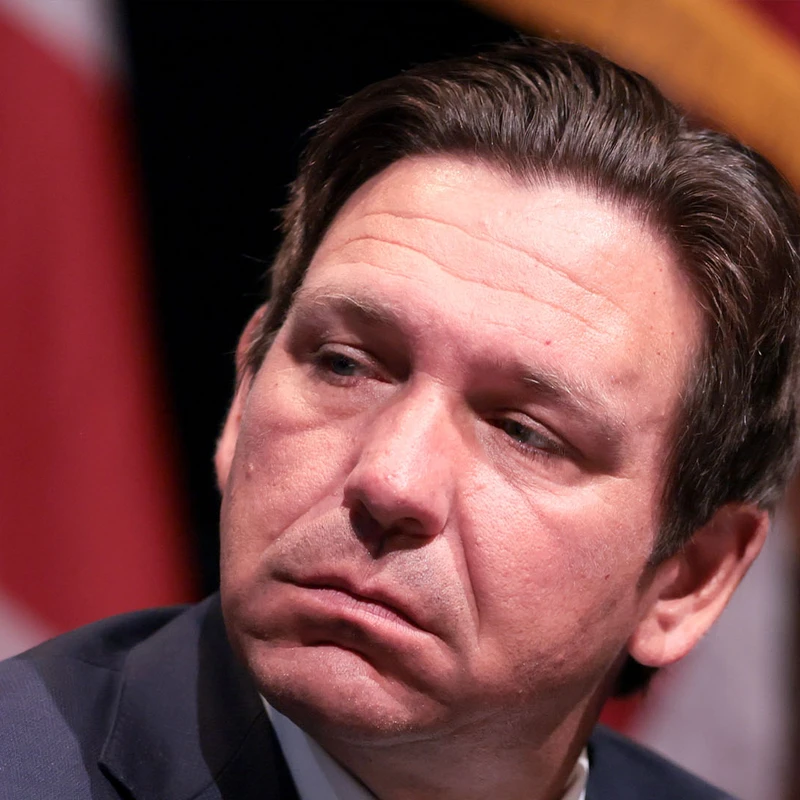
    Florida is making a significant shift in its approach to diversity, equity, and inclusion (DEI) efforts. Governor Ron DeSantis recently signed two key pieces of legislation, with one bill directly targeting DEI programs within local governments across the state. This move signals a new direction for how public funds and initiatives are managed at the county and municipal levels.

    SB 1134: Eliminating DEI Initiatives

    The bill, identified as SB 1134, explicitly prohibits counties and municipalities from funding, promoting, or establishing DEI initiatives. This means local governments can no longer create or maintain DEI offices, employ DEI officers, or run DEI programs. Furthermore, taxpayer money is barred from being used for any DEI-related efforts, including those involving third-party contractors.

    The legislation also extends to grant recipients, preventing them from using public funds for DEI purposes. Governor DeSantis stated that Floridians shouldn’t be forced to fund “radical climate agendas or identity politics” with their tax dollars. Violations of SB 1134 will result in penalties, though the specifics of these penalties were not detailed in the initial announcement.

    Focus on Merit and Fiscal Responsibility

    Senator Clay Yarborough, a proponent of SB 1134, argued that the bill is necessary because “cities and counties have been funding and promoting divisive activities under the guise of DEI.” He emphasized that decisions should be based on merit, suggesting that those who aren’t making merit-based decisions need to be replaced. Yarborough also pointed out the financial strain on Floridians, stating that millions in taxpayer money shouldn’t be wasted on initiatives that are perceived as failing.

    Representative Dean Black echoed these sentiments, stating the law aligns with “everyman principles that make America great.” He added that Florida’s message is clear: “No matter where you come from, no matter what you look like, the message should be clear: Florida recognizes your work ethic and the content of your character, and that’s what matters.” This legislation frames the move as a step towards equal and fair opportunity based on individual merit.

    Floridians should not be forced to pay for radical climate agendas or identity politics with their hard-earned tax dollars. — Governor Ron DeSantis

    The second bill signed, HB 1217, addresses environmental policies by preventing state and local governments from enacting net-zero greenhouse gas emissions policies, such as carbon taxes. Both bills, according to the press release, aim to advance “individual freedom, fiscal responsibility, and economic opportunity.”

    What are your thoughts on Florida’s new law eliminating DEI programs in local governments? Share your perspective in the comments below!


  • Missouri Bill Proposes Gambling Funds for HBCUs

    There’s a new legislative effort in Missouri aimed at bolstering support for the state’s Historically Black Colleges and Universities (HBCUs). House Bill 3416, recently discussed by the Missouri House Higher Education and Workforce Development Committee, proposes a unique funding mechanism that could significantly benefit Lincoln University and Harris-Stowe State University.

    A New Funding Stream: Gambling Proceeds

    The core of HB 3416 involves allocating a portion of the state’s gambling revenue to support these vital institutions. Specifically, the bill suggests dedicating 1% of Missouri’s excursion gambling proceeds, which is estimated to be around $3.3 million. In addition to this, it proposes allocating another 1% from the Classroom Trust Fund, along with any gifts and donations received.

    This proposed funding would establish the “Strengthening HBCUs Fund.” Democratic Rep. LaKeySha Bosley, representing St. Louis, highlighted during the hearing that this legislation aims to address long-standing inequities and invest in the future of higher education in Missouri. She emphasized that the bill is “fair, straightforward and necessary.”

    Addressing Infrastructure and Growth Needs

    The potential funding boost is seen as critical for institutions like Lincoln University, which has experienced significant enrollment growth. Lincoln University President John Moseley noted that the university is likely to reach its on-campus housing capacity by the fall of 2026. Access to funds over the next few years would be crucial for developing projects that can accommodate more students and expand educational opportunities.

    This initiative comes at a time when the historical underfunding of HBCUs is widely recognized. Research indicates a significant financial gap compared to predominantly white institutions, despite the substantial economic impact HBCUs generate nationwide. Efforts like HB 3416, alongside federal initiatives such as the HBCU Research Capacity Act, aim to bridge these gaps and provide essential resources for these important educational centers.

    This is a fair, straightforward and necessary piece of legislation that seeks to correct longstanding inequities while investing in the future of higher education in Missouri. — Rep. LaKeySha Bosley

    What are your thoughts on using gambling proceeds to fund Missouri’s HBCUs? Share your opinions in the comments below!

  • Taylor Rooks Foundation Erases $2.1M Medical Debt

    Taylor Rooks, the Emmy Award-nominated journalist and producer, is making a profound difference in her hometown of Gwinnett County, Georgia. Through her Taylor Rooks Foundation, launched in 2025, she’s dedicated to empowering Black families by focusing on education, health, and opportunity. Now, in a powerful partnership, her foundation has teamed up with the nonprofit Undue Medical Debt to tackle a pervasive issue: medical debt.

    A Mission to Relieve and Empower

    The Taylor Rooks Foundation operates on three core pillars: reach (providing educational resources, community wellness, small business support, and direct aid), relieve (offering support for health, recovery, crisis assistance, and essential needs), and represent (mentoring journalists and supporting storytelling). Rooks firmly believes that “equity starts with access” – access to care, confidence, and opportunity. Her work is deeply rooted in community and the belief that a single act of support can fundamentally change someone’s life story.

    This commitment was recently demonstrated when the foundation provided $20,000 in utility assistance to families. Now, Rooks has announced a major initiative to erase medical debt for residents in Gwinnett County. She shared her personal connection to the issue, noting her sister’s Type 1 diabetes and the overwhelming burden medical bills can create. “Medical debt is not something that people even plan for,” Rooks stated, highlighting how it often strikes during life’s most challenging moments.

    Tackling Medical Debt Disparities

    The partnership with Undue Medical Debt is a direct response to the significant impact medical debt has, particularly within the Black community. Statistics reveal that medical debt contributes to a staggering 66.6% of bankruptcies. Furthermore, Black households are disproportionately affected, with 27.9% carrying medical debt compared to 17.2% of white households. Individuals with mental health conditions also face double the odds of accumulating medical debt.

    Through this collaboration, the Taylor Rooks Foundation and Undue Medical Debt have successfully erased $2.1 million in medical debt, providing relief to 1,805 residents. Rooks emphasized the foundation’s ongoing commitment: “Everyone deserves the chance to move forward without being held back by circumstances beyond their control, and we promise to keep showing up to help people make that possible.”

    What are your thoughts on the impact of medical debt and initiatives like the one led by the Taylor Rooks Foundation? Share your perspective in the comments below!
  • J.R. Smith Earning Bachelor’s Degree at 40

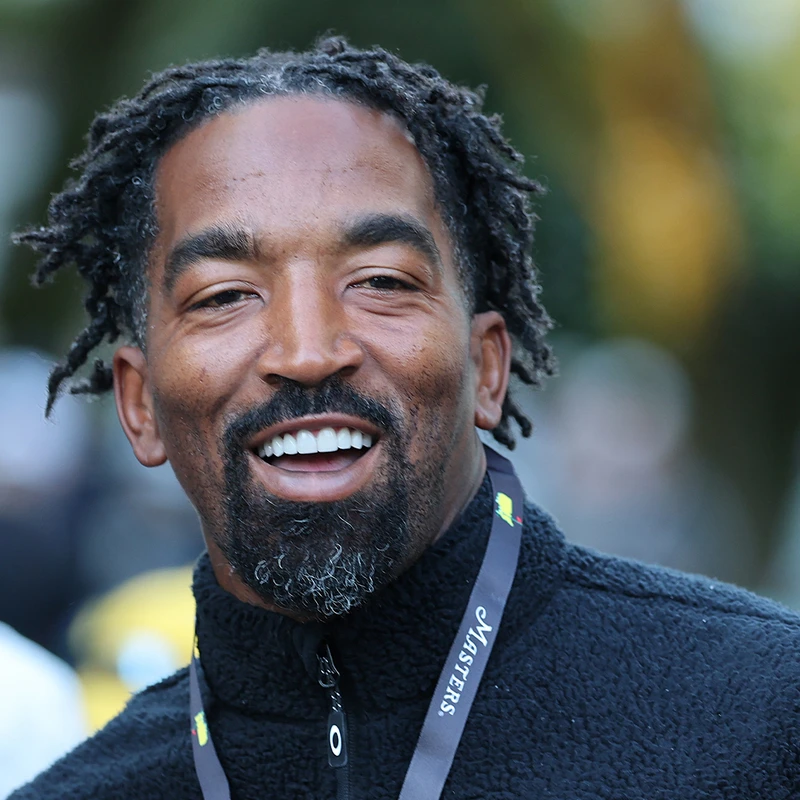
    Talk about a slam dunk off the court! Former NBA star J.R. Smith is about to achieve a major milestone: earning his bachelor’s degree. After retiring from the league in 2020, the two-time NBA champion enrolled at North Carolina Agricultural and Technical State University (North Carolina A&T) in 2021, embarking on a journey that’s deeply personal.

    Overcoming Educational Hurdles

    Smith’s path to higher education wasn’t straightforward. He openly shared that he developed a fear of education during his elementary and middle school years due to being bullied after being diagnosed with learning disabilities. He explained that struggling with reading and comprehension compared to his peers was a significant challenge for him.

    Despite these past struggles, Smith has found incredible support at North Carolina A&T, a proud Historically Black College and University (HBCU). With the help of professors and tutors, he’s navigated his academic journey. While he acknowledges the appeal of a comeback story, Smith emphasizes that his motivation comes from within, not external validation.

    Academic Achievement and Future Plans

    Smith is pursuing a Bachelor of Arts in liberal studies–applied cultural thought from the College of Arts, Humanities, and Social Sciences. He made a strong academic start, reportedly earning a perfect 4.0 GPA in his first semester. Now, he’s set to officially receive his degree in Spring 2026.

    Adding to his accomplishments, Smith is also a member of the university’s men’s golf team. The undergraduate commencement ceremonies are scheduled for Saturday, May 9, with the renowned Queen Latifah set to deliver the commencement address. Smith plans to use this platform to discuss the importance of education and encourage others to pursue their academic goals.

    It’s really gratifying just knowing that I’m able to continuously accomplish different feats that have overwhelmed me at times in my life. — J.R. Smith

    What inspires you most about J.R. Smith’s journey to earning his degree? Share your thoughts in the comments below!

  • Dr. Rogers Tackles Colorectal Cancer Disparities

    Colorectal cancer (CRC) is a serious health concern, and unfortunately, the Black community faces disproportionately higher rates of late diagnoses. Dr. Charles R. Rogers, armed with a Ph.D. in health education and a deep personal connection to the disease, is on a mission to change this alarming trend. His work highlights the urgent need for awareness, early detection, and culturally responsive care.

    A Personal Mission Fueled by Loss

    Dr. Rogers’s dedication stems from a deeply personal experience. During a family reunion in 2009, he witnessed his Aunt Joann’s struggle with what turned out to be Stage 4 CRC. Despite multiple misdiagnoses, she was eventually diagnosed at an advanced stage and passed away in 2016. This tragedy, occurring when Rogers was pursuing his master’s in statistics, ignited a passion to understand and combat the disease.

    His academic journey, including a Ph.D. in health education and participation in health disparities research programs, further solidified his understanding of the unique challenges faced by Black communities regarding CRC. He learned that Black individuals, particularly men, have the highest rates of CRC and the greatest risk of death from the disease. Yet, they are often diagnosed at later stages or at ages older than the recommended screening guidelines.

    Understanding Early-Onset CRC and Risk Factors

    Dr. Rogers is also shedding light on the concerning rise of early-onset CRC, defined as diagnoses before age 50. This form of cancer is increasingly prevalent among younger populations, debunking the myth that it’s solely an “old people’s disease.” Research indicates a steady annual increase in incidence, with a projected significant rise in younger demographics by 2030. Dr. Rogers stresses the urgency, comparing the need for early-onset CRC conversations with children to discussions about law enforcement.

    While the exact causes of early-onset CRC are complex, leading theories point to factors like dietary changes (including high-fructose corn syrup and ultra-processed foods), altered gut microbiomes, metabolic health issues, and environmental exposures to chemicals and microplastics. Lifestyle factors such as obesity, smoking, alcohol consumption, stress, and lack of physical activity also play significant roles.

    Addressing Barriers and Promoting Prevention

    Dr. Rogers identifies several barriers that prevent Black and Native American communities from seeking timely CRC screenings. These include cost, medical mistrust, structural racism, a lack of culturally responsive care, fear of screening procedures, limited awareness of preparation options, and incomplete family health histories. He emphasizes that CRC is particularly concerning because it is “preventable, treatable… with screening.”

    The power of a colonoscopy, he notes, is its ability to remove polyps before they can develop into cancer – a capability not shared by all cancer screenings. Dr. Rogers advocates for self-advocacy, reminding patients that they know their bodies best and are not limited to a single provider. Through the Colorectal Cancer Equity Foundation, which he founded, individuals aged 18 to 75 can access free stool-based testing, and the foundation actively travels the country with an immersive inflatable colon to educate the public.

    Colorectal cancer is actually one of the cancers we like to say that’s preventable, treatable … with screening. — Dr. Charles R. Rogers

    What steps can we take to improve colorectal cancer screening rates in underserved communities? Share your ideas and experiences in the comments below!

  • Pro-DEI Organizers Vow to Continue Target Boycott

    Organizers of the Target boycott, which began in January, are standing firm, viewing the company’s recent announcement of CEO Brian Cornell’s departure in February 2026 as a positive step. However, they stress that the boycott will persist until Target fulfills its previous diversity, equity, and inclusion (DEI) promises.

    Boycott Tactics and Declining Foot Traffic

    Jaylani Hussein, an organizer with the National Target Boycott movement, stated at a press conference that statistics show a significant decline in foot traffic at nearly 2,000 Target stores weekly since the boycott’s inception. “It’s been now nearly 200 days and what all the statistics and economics are showing that since that boycott was announced… Target foot traffic in nearly 2,000 stores has declined sharply and continues to decline,” Hussein said.

    The movement gained early momentum in Minnesota, with high-profile civil rights activists like the Rev. Al Sharpton and the Rev. Jamal Bryant joining the calls against Target’s decision to scale back DEI initiatives, which organizers deemed a betrayal of prior commitments. Social justice advocates highlight boycotting as a crucial tactic that should not be underestimated.

    Debating the Boycott’s Impact

    Retail analysts note that it’s challenging to precisely measure the boycott’s impact, as Target has experienced a sales slump in recent years, and a leadership change was already anticipated. However, groups like the Washington-based DC Boycott Target Coalition maintain that the declining foot traffic is substantially due to the nationwide boycott.

    The coalition emphasized that a leadership change alone is insufficient without a cultural shift within the corporation. They vow to continue pressuring Target until diversity goals are prioritized over succumbing to political pressures perceived as rooted in racism and hatred.

    Target’s DEI Commitments and the Boycott’s History

    The boycott, which began in February during Black History Month, initially created challenges for some Black-owned brands featured in Target stores. While Rev. Al Sharpton met with CEO Brian Cornell in April, no concrete outcomes were reported. Cornell’s departure was reportedly planned for several years, with his contract extended in September 2022.

    Data from GWI indicates a 19% decrease in regular Target shoppers since 2021, with a 17% rise in those who do not shop at Target. The analysis also noted a 13% decline in regular Target shoppers identifying as Democrat and a 13% increase among Republicans, though the reasons remain unclear.

    The strategy of racial justice boycotts has a long history, dating back to the Reconstruction era’s “Buy Black” campaigns and the Montgomery Bus Boycott. More recent examples include the NAACP’s boycott of South Carolina over the Confederate flag. Organizers point to Target’s 2020 commitments following the George Floyd protests, including increasing Black staff representation and investing in social justice organizations, as reasons for their focus. They demand Target honor these pledges, with civil rights attorney Nekima Levy Armstrong stating, “We’re expecting that Target is making good on the promises that it made. Otherwise there’s no point of discussion regarding calling off this boycott.”

    Do you believe the boycott is effectively impacting Target? What are your thoughts on the company’s DEI commitments? Share your views in the comments below!

  • Ex-NFL Player Robert Golden Launches Nature-Based Urban Charter School

    Former NFL player Robert Golden is channeling his passion for service into education, establishing the Golden Charter Academy in his hometown of Fresno, California. This innovative K-8 school is reportedly the nation’s first nature-based urban charter school, aiming to provide under-resourced students with unique learning experiences and a pathway to success beyond athletics.

    From NFL Fields to Educational Fields

    Golden, who played for the Pittsburgh Steelers and Kansas City Chiefs, realized during his NFL career that he could make a lasting impact off the field. Growing up in an impoverished and under-resourced area of Fresno, he witnessed firsthand the obstacles many face in achieving success. Having overcome significant odds himself to reach the NFL, he felt inspired to give back and provide similar opportunities to children in similar circumstances.

    Founded in 2021, the Golden Charter Academy operates on principles of stewardship, equity, and access. The school partners with the Fresno Chaffee Zoo, allowing students regular visits to foster a connection with nature and become “stewards of our planet.” Golden emphasized the importance of exposure to various career paths, noting that statistics show higher accessibility to professions like doctors, scientists, and zoologists compared to professional sports.

    Integrating Nature, Sustainability, and Tech

    The academy’s curriculum integrates traditional subjects like language arts, math, and science with hands-on, nature-based learning. In 2024, students participated in activities such as planting milkweed for Monarch butterflies at the zoo and creating “robo-grazers” to clean up the San Joaquin River. These projects teach biomimicry, problem-solving, and environmental stewardship.

    Golden highlighted that these experiences equip students with a sustainability mindset, preparing them for future careers in fields like technology. He also shared his personal commitment to expanding his knowledge, having participated in field research training in the Amazon Rainforest to better guide his students’ community-focused projects.

    Future Growth and Expansion

    Looking ahead, the Golden Charter Academy is set to move into a new $26.8 million facility adjacent to the Fresno Chaffee Zoo, with construction breaking ground in March 2025 and expected completion in June 2026. Golden aims to raise an additional $1 million annually to support the school’s operational costs and continue its mission of providing impactful education.

    What do you think of Robert Golden’s innovative approach to education? Share your thoughts on nature-based learning in the comments below!