Category: Social Commentary and Current Events

  • Da’Quain Johnson’s Death Ruled Homicide

    The tragic killing of Da’Quain Johnson in Grand Rapids has taken a significant turn. The Grand Rapids Medical Examiner has officially ruled his death a homicide, a classification that aligns with the concerns raised by his family and community from the outset.

    Questions Surrounding the Incident

    Johnson, a 32-year-old father of three, died in February 2026 after being shot by a Grand Rapids police officer. The official police narrative claimed Johnson was armed and dangerous. However, video evidence and witness accounts have cast serious doubt on whether he posed an immediate threat at the time of the fatal shooting.

    Reports indicate Johnson was chased on his bicycle, subdued by a K-9 unit, and was already on the ground during the confrontation when the officer fired the fatal shots. The fact that a man already restrained was still shot raises disturbing questions about the use of lethal force.

    A Familiar and Frustrating Pattern

    A Michigan State Police report obtained by FOX 17 confirmed that officers believed Johnson had a gun and that a loaded firearm was recovered at the scene. However, the report also highlights a chaotic encounter where officer perception seems to have taken precedence over indisputable evidence of imminent danger, especially given Johnson was already pinned down.

    This situation echoes a deeply concerning pattern: a Black individual is killed, police cite fear for their lives, evidence emerges slowly, and contradictions arise, often leaving accountability elusive. Even with the homicide ruling, the prosecutor has stated more information is needed before making a decision, prolonging a painful process for the family.

    Demanding Justice and Systemic Change

    Da’Quain Johnson’s family is not only grieving his death but also the manner in which it occurred—reportedly multiple shots fired while he was restrained. This case transcends a single incident; it highlights a systemic issue where Black lives are often treated as disposable, and restraint should be prioritized over lethal force. The repeated contradiction between official narratives and available evidence is exhausting.

    The ruling of homicide is a crucial step, but justice remains uncertain. The recurring question is no longer just “what happened?” but “why does this keep happening?” It underscores the urgent need for systemic change in how law enforcement interacts with Black communities.

    What are your thoughts on the ruling in Da’Quain Johnson’s case? How can we work towards greater accountability in police-involved shootings? Share your views in the comments below.
  • Tim Cook: Step Away From Your Phone!

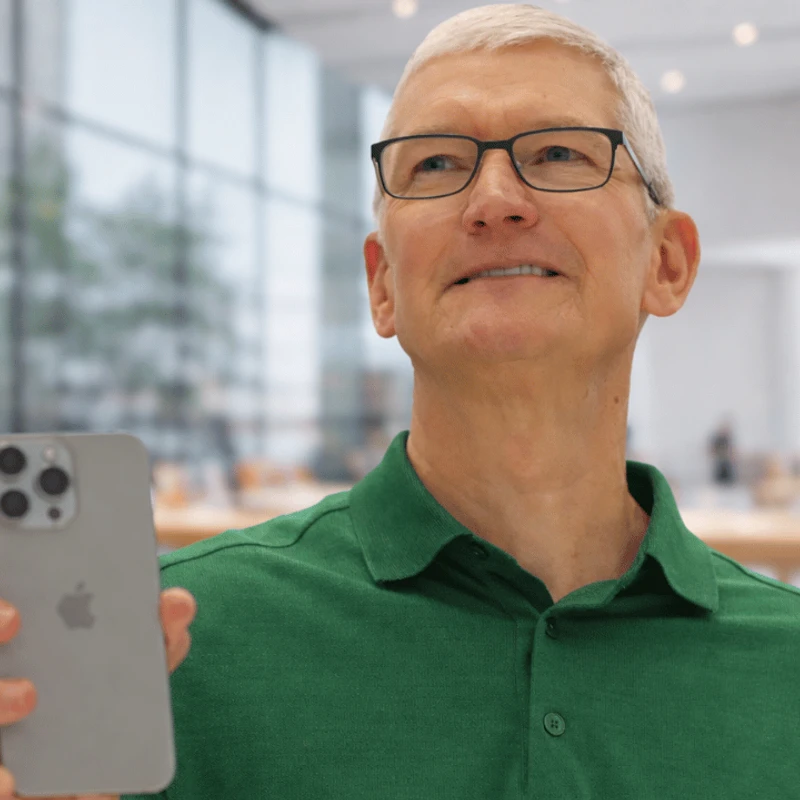
    In a surprising turn from the head of a company built on groundbreaking technology, Apple CEO Tim Cook is urging people to put down their phones. Yes, you read that right! As Apple approaches its 50th anniversary, Cook is focusing less on the devices themselves and more on how they’re impacting our lives.

    The Scroll Trap

    During a recent chat on “Good Morning America” with Michael Strahan, the 65-year-old tech leader admitted, “I don’t want people using them too much.” Even with Apple’s incredible influence, from music education to life-saving wearables, Cook is concerned about how easily smartphones can capture our attention.

    Cook’s core message? Digital engagement shouldn’t replace genuine human connection. He stated, “I don’t want people looking at the smartphone more than they’re looking in someone’s eyes; as if they’re scrolling endlessly.” He believes this isn’t the best way to spend our precious time and encourages us to “Go out and spend it in nature.”

    The Downsides of Constant Connection

    This isn’t just a CEO’s opinion; it’s backed by research. A study highlighted in Frontiers in Psychiatry points out that while smartphones are essential today, over-reliance comes with significant drawbacks. Excessive use can lead to physical discomfort, but also feelings of loneliness, anxiety, and even depression.

    AI: A Powerful Tool, But With Responsibility

    The conversation also touched on the rapidly evolving world of Artificial Intelligence. Cook expressed excitement about AI’s potential, calling it “so profound and can be so positive.” However, he stressed that the ethical use of any technology lies with its creators and users. “Technology doesn’t want to be good, and it doesn’t want to be bad,” he explained. “It’s in the hands of the user and the hands of the inventor.”

    Tim Cook’s message is a timely reminder to find a balance. While technology connects us in amazing ways, it’s crucial to remember to look up, connect with the people around us, and experience the world beyond our screens.

    What are your thoughts on Tim Cook’s advice? How do you manage your screen time? Share your tips in the comments below!

  • Trump Delays Iran Strikes Amid Diplomatic Push

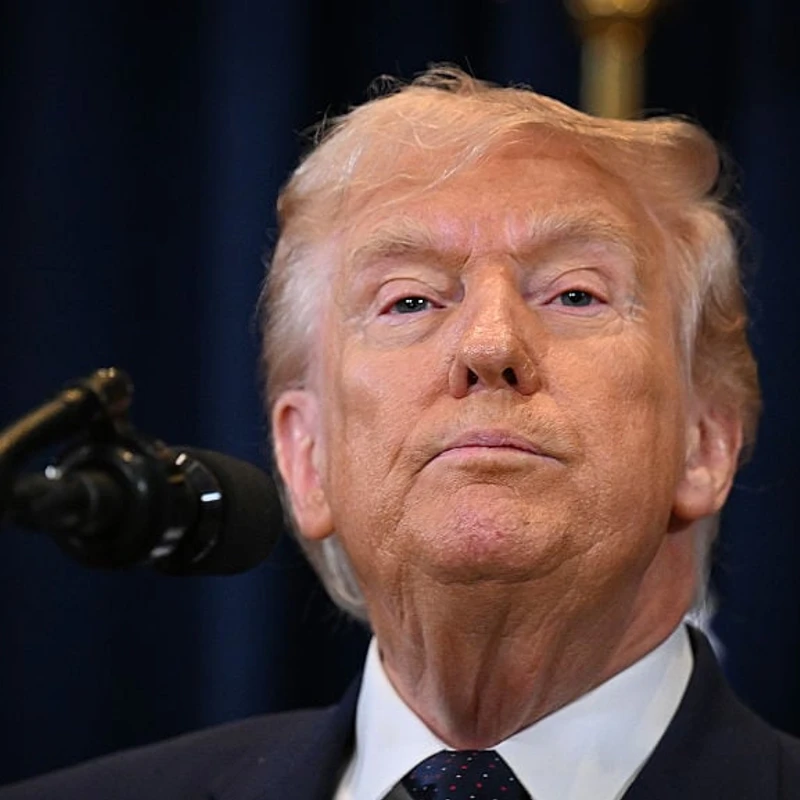
    In a significant development amid the ongoing conflict, President Donald Trump announced a postponement of threatened U.S. strikes on Iranian power plants. This decision, set for at least five days, comes as the administration claims “productive” talks are underway to end the war, now in its fourth week.

    A Diplomatic Pause

    The announcement followed a deadline Trump had set for Iran to reopen the Strait of Hormuz, a vital global shipping route. Trump shared on Truth Social that discussions were progressing towards a “complete and total” resolution. He also stated that Iran had initiated contact to “make a deal,” with 15 points, including preventing Iran from obtaining nuclear weapons, reportedly under discussion.

    Special envoy Steve Witkoff and son-in-law Jared Kushner are reportedly leading these negotiations. Trump expressed confidence that Israel would be pleased with any potential agreement.

    Iran Denies Direct Talks

    However, Iran has swiftly refuted claims of direct negotiations. The Foreign Affairs Ministry, via the semiofficial Mehr News agency, stated clearly: “there was no dialogue between Tehran and Washington.” Iranian state media suggested Trump’s decision was a tactic to ease energy prices and gain time for military preparations, framing it as a “backing down” after Tehran warned of retaliation against attacks on its energy infrastructure.

    Global Impact and Energy Concerns

    The conflict, which began on February 28 with joint U.S.-Israeli strikes on Iran, has significantly destabilized the Middle East and rattled global markets. Iran’s actions have effectively closed the Strait of Hormuz, impacting roughly 20% of the world’s oil supply. The International Energy Agency’s executive director, Fatih Birol, has warned of an energy crisis potentially worse than those seen in the 1970s or during the Ukraine war.

    Oil prices have surged over 70% this year, with U.S. gasoline prices climbing significantly. This tension follows Trump’s ultimatum, giving Iran 48 hours to reopen the strait or face bombing of its power plants, a threat met with counter-threats from Iranian officials.

    Uncertainty Looms

    Despite the pause in U.S. strikes, Israeli military actions in Tehran have reportedly continued. Analysts remain divided on whether these developments signal a genuine diplomatic breakthrough or merely a temporary de-escalation before potential further escalation. The situation remains fluid and closely watched by the international community.

    What are your thoughts on the latest developments between the U.S. and Iran? Do you believe this is a step towards peace or a prelude to further conflict? Share your views in the comments below!

  • US Visa Bonds Expand to 12 More Countries

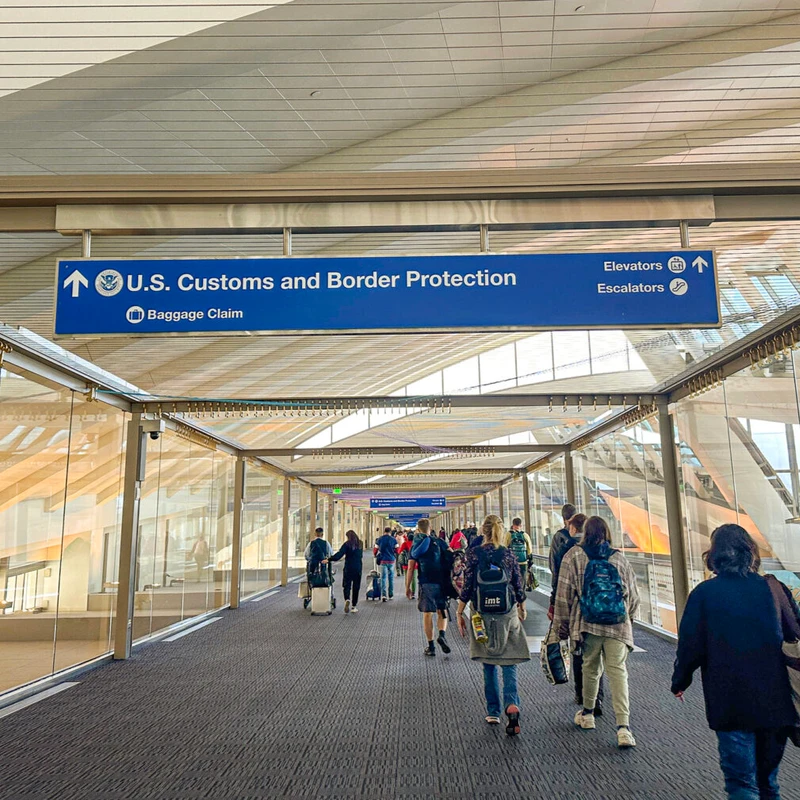
    Planning a trip to the United States for business or tourism? If you’re traveling from certain countries, you might face a new financial requirement. The U.S. is expanding a pilot program that mandates some visitors to post a refundable bond of up to $15,000 before being granted a visa.

    New Countries Added to Visa Bond Program

    Effective April 2, 2026, twelve additional countries are being added to this program, which applies to B-1 (business) and B-2 (tourism) visas. The newly included nations are Cambodia, Ethiopia, Georgia, Grenada, Lesotho, Mauritius, Mongolia, Mozambique, Nicaragua, Papua New Guinea, Seychelles, and Tunisia.

    This expansion brings the total number of countries subject to the visa bond requirement to 50. Bond amounts can range from $5,000 to $10,000, or the maximum of $15,000. It’s important to note that applicants should only pay the bond if specifically instructed by a consular officer, and posting the bond does not guarantee visa approval.

    Why the Increased Oversight?

    The U.S. State Department identifies countries for this program based on factors such as high visa overstay rates, deficiencies in screening and vetting processes, and the presence of citizenship-by-investment programs that don’t require residency. The department views this pilot program as a measure to discourage visa overstays.

    How the Visa Bond Works

    The bond is generally refundable, provided the traveler adheres to the visa’s terms. This includes departing the U.S. by the authorized date, deciding not to travel before the visa expires, or if admission is denied at a port of entry. Visas issued under this program are typically valid for a single entry within three months of issuance, and admission may be limited to designated commercial airports.

    U.S. officials report that the policy has already shown success in reducing overstay rates. This expansion signifies a continued effort to manage short-term travel and ensure compliance with visa regulations.

    Are you planning a trip to the US from one of these countries? How do you feel about the new visa bond requirements? Share your thoughts in the comments below!