Category: Social and Political Issues

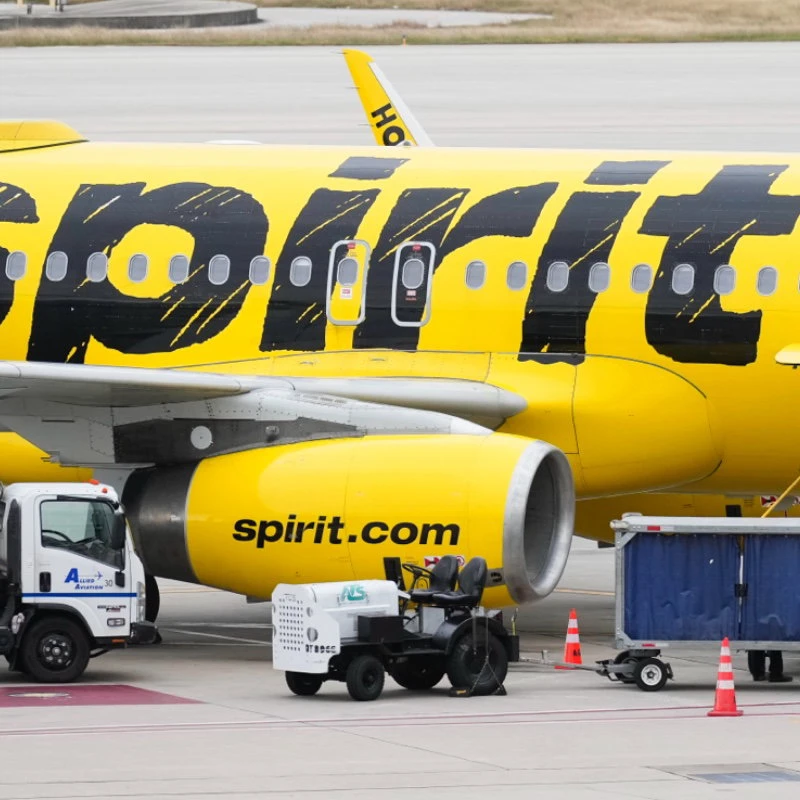
  • Spirit Airlines Faces Collapse Amid Rising Fuel Costs

    The skies are looking increasingly turbulent for Spirit Airlines. Skyrocketing fuel costs are creating a financial storm that threatens to push the budget carrier toward collapse, with some experts warning of possible liquidation within days. This dire situation puts the airline’s plans to exit bankruptcy by early summer in serious jeopardy.

    Bankruptcy Woes and Creditor Objections

    Spirit Airlines filed for Chapter 11 bankruptcy protection back in 2024, aiming to restructure its finances and stabilize operations. However, a recent agreement with some creditors was overshadowed by an objection filed last week by lenders behind the airline’s revolving credit line. According to Bloomberg, these lenders argue that the current reorganization plan fails to adequately account for the airline’s significantly higher fuel expenses.

    Fuel is a massive expense for any airline, but Spirit’s low-cost model leaves it particularly vulnerable. Unlike major carriers that can more easily absorb costs by raising fares, Spirit risks losing customers if ticket prices increase too much. JPMorgan analysts estimate that higher fuel prices could add approximately $360 million to Spirit’s expenses this year, a figure that surpasses the $337 million in cash the airline reported at the close of last year.

    Feasibility of the Reorganization Plan

    Attorneys representing the lenders expressed serious doubts about the plan’s feasibility in a court filing obtained by The Wall Street Journal. “If the debtors cannot demonstrate their viability at current (or possibly higher) fuel prices, they have no basis to represent that the plan is feasible,” the filing stated. Adding to the complexity, Citibank, representing the lenders, argues that Spirit’s proposed February reorganization plan violates the original contract by splitting a $275 million loan into two parts. This, they claim, puts Spirit in default and gives lenders the right to seize company assets.

    Spirit Airlines’ Response and Market Impact

    When asked about the speculation surrounding potential liquidation, Spirit Airlines declined to comment, referring to the situation as “rumors and speculation.” The airline has already implemented cost-saving measures, including layoffs and route cuts. However, competitors like Frontier Airlines and JetBlue Airways have stepped in to fill the service gaps on routes where Spirit once held a strong presence, such as Ft. Lauderdale and Miami International airports.

    What do you think will happen to Spirit Airlines? Share your predictions in the comments below!

  • ICE Limits Reports Amid Rising Immigrant Deaths

    A concerning trend is emerging within the Immigration and Customs Enforcement (ICE) system: as the number of immigrant deaths in custody rises, the agency is releasing significantly fewer details about these tragic incidents. What were once comprehensive, multi-page reports have dwindled to brief synopses, raising alarms among lawmakers and international leaders.

    Decreased Transparency Amidst Rising Fatalities

    Previously, ICE was required to release detailed reports within 90 days of a detainee’s death, including timelines, medical observations, and causes of death. However, since mid-December 2025, these reports have become sparse. This lack of transparency comes as ICE recently reported the 16th immigrant detainee death of the year. While the number of people in ICE detention centers has dropped by 11% since February, and arrests are down by 21%, there are still over 60,000 individuals in custody—nearly double the number from before President Trump’s second term.

    The Department of Homeland Security (DHS) has attributed the delay in updating its website, which posts investigation details, to the ongoing department shutdown. “Under these conditions, certain administrative and public-facing updates are not fully operational. In a shutdown driven by Democrats’ failure to fund the government, non-essential reporting functions can be slowed even as ICE continues its core mission,” a DHS statement explained.

    Lawmaker and International Concerns

    Lawmakers are increasingly worried about the situation, particularly concerning facilities like Camp E. Montana in El Paso, Texas, which holds a high number of immigrants. Democratic Rep. Veronica Escobar of Texas has publicly called for the camp’s closure due to its conditions. International leaders, including Mexico’s President Claudia Sheinbaum, have also voiced criticism over immigrant deaths in U.S. custody, with Sheinbaum stating, “There are many Mexicans whose only crime is not having papers.”

    A poll by AP-NORC revealed that six in 10 U.S. adults believe the Trump administration has “gone too far” with immigration enforcement, indicating growing disapproval of ICE activities. Carin Zissis, vice president of content strategy for the Council of the Americas, noted that this dissatisfaction provides a more comfortable platform for the Mexican government to raise concerns about the welfare of Mexican citizens in U.S. custody.

    DHS Defends Detention Standards

    Despite the rising death toll and criticism, DHS defends the reported increase in death rates, emphasizing that they represent a small fraction of the overall detainee population. The agency asserts that all detainees receive adequate meals, water, medical treatment, and opportunities to communicate with family and legal counsel. DHS further claims that ICE detention standards exceed those found in most U.S. prisons holding U.S. citizens.

    What are your thoughts on ICE’s reduced reporting and the rising number of detainee deaths? Share your views in the comments below.