Category: Social and Political Commentary

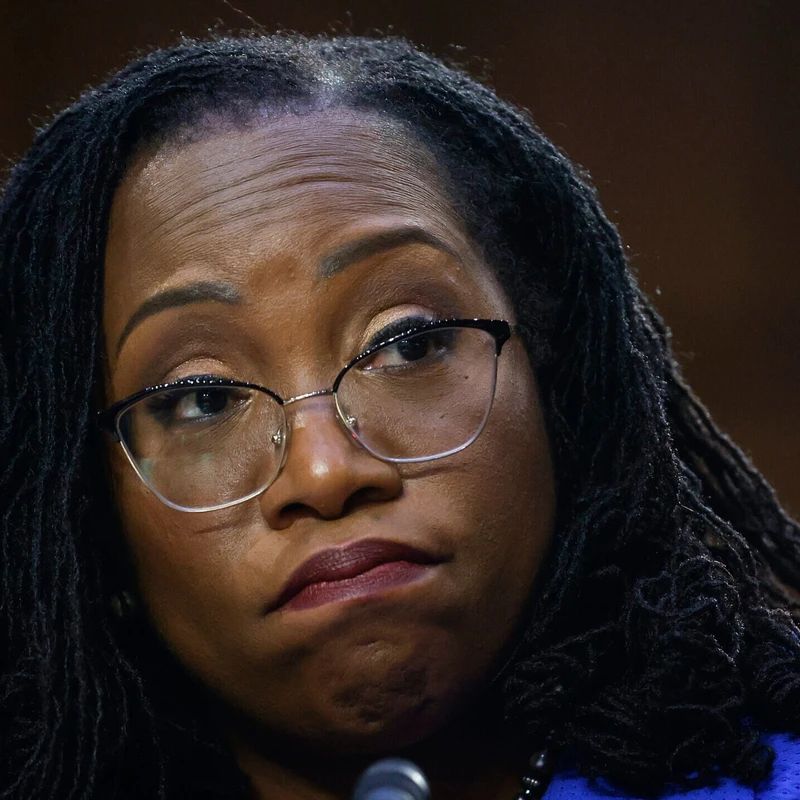
  • Ketanji Brown Jackson: Supreme Court Trust at Risk

    In today’s often politically charged environment, maintaining public trust in institutions is more critical than ever. Justice Ketanji Brown Jackson recently highlighted a significant concern: the potential erosion of public confidence in the Supreme Court, particularly following a key decision impacting voting rights.

    Concerns Over a Landmark Decision

    Justice Jackson’s remarks came after the Supreme Court’s conservative majority issued a ruling that weakened parts of the Voting Rights Act. This decision allowed Louisiana to proceed with new congressional maps, a move that has drawn significant attention and criticism. Speaking at an event hosted by the American Law Institute, Jackson stressed the vital role of public confidence in the judiciary.

    “Public confidence is really all the judiciary has,” Jackson stated, emphasizing that courts must actively demonstrate their independence from political influence to maintain trust. Her comments underscore the delicate balance courts must strike to uphold the law while ensuring the public believes in their impartiality.

    A Dissenting Voice on Redistricting

    The specific case that prompted Jackson’s concerns involved Louisiana’s redistricting. The court’s decision effectively overturned a district previously established to comply with the Voting Rights Act, allowing for revised maps. Jackson, who was the sole dissenter in this instance, criticized the court’s timing, arguing that altering district maps after early voting had already commenced created unnecessary confusion and instability.

    This ruling is part of a broader trend where public trust in the Supreme Court has seen a decline. High-profile decisions on issues like abortion, affirmative action, and voting rights have contributed to a perception among some that the court is becoming increasingly politicized. Even Chief Justice John Roberts has acknowledged and pushed back against this perception.

    A Voice for Democracy and Civil Rights

    Since joining the Supreme Court in 2022 as its first Black female justice, Ketanji Brown Jackson has become a prominent liberal voice. She has increasingly spoken out on critical cases involving race, democracy, and civil rights, advocating for principles that resonate deeply with many Americans.

    What are your thoughts on Justice Ketanji Brown Jackson’s concerns about public trust in the Supreme Court? Share your views in the comments below!
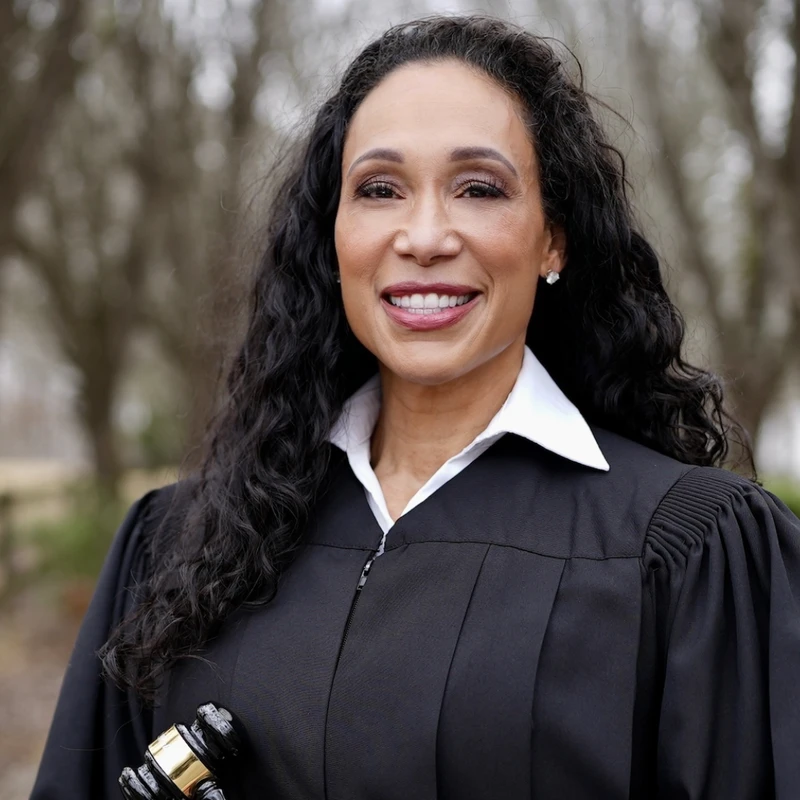

  • Judge Sunny Mullins: A New Voice for Rockdale County

    Ever wondered how local court decisions shape your daily life? In Rockdale County, Georgia, voters have a unique opportunity to elect a judge who believes in bringing a new, compassionate perspective to the bench. Judge Sunny Mullins is making her case, and it’s a compelling one, built on nearly two decades of legal practice and a deep commitment to fairness.

    A Judge with Real-World Experience

    Currently serving as an associate magistrate judge, Mullins was appointed in 2024. In this role, she’s been the first point of contact for many civil disputes, handling everything from landlord-tenant issues to county ordinance violations and issuing warrants. This hands-on experience gives her a unique understanding of the cases that directly affect residents.

    Now, Mullins is running for the Rockdale County State Court Associate position, aiming to join the ranks of Georgia’s 133 state court judges. Her approach is simple yet profound: ask the questions that matter, the ones that might otherwise be overlooked. She emphasizes that behind every case is a person – someone’s child, parent, or sibling.

    Compassion and Justice on the Bench

    Mullins’s core belief is that everyone appearing in court deserves to be truly heard. She states, “These are somebody else’s children, parents or siblings, and I have taken it personally to be authentically myself, show compassion and listen – all without worrying about compromising the law, but just apply the law fairly and justly.” This commitment to listening and applying the law justly is central to her judicial philosophy.

    A position on the state court would allow her to expand her reach, hearing cases involving misdemeanors, traffic violations, and more. For Rockdale County voters, this election presents a historic opportunity: Mullins could become the first African American woman elected to this State Court bench, and only the second woman ever to hold the seat.

    A Message for Women and Mothers

    Beyond her legal career, Mullins is a wife and mother of four who has called Conyers, Georgia home for over 15 years. Originally from Minnesota, her journey to law was unconventional, spanning criminal defense, sports and entertainment law, and civil litigation. This diverse background, combined with her community advocacy, brings a rich tapestry of experience to her candidacy.

    You still define your career no matter the stage you are on — no matter if you are a mother, housewife or whether you’re coming back into your career – it’s your choice. — Judge Sunny Mullins

    Mullins also has a powerful message for women: don’t let your career define you. She encourages women to remember that they are in control of their professional paths, regardless of life stages. Her own experience as a mother informs her perspective on the bench, as she hopes it makes a difference in how she serves the community.

    Your Vote Matters

    While national political events often grab headlines, it’s crucial to remember the immediate impact of local and state court judges. In Rockdale County, with over 69,000 registered voters, the upcoming primary election on May 19th is a chance to elect leaders who will directly influence daily life. Judge Mullins offers a vision of fairness, compassion, and justice for all.

    What are your thoughts on Judge Sunny Mullins’s vision for the Rockdale County State Court? Share your perspective in the comments below!

  • Lawsuit Targets CBC Scholarship Program

    In a move that highlights the ongoing backlash against diversity initiatives, a lawsuit has been filed against the Congressional Black Caucus Foundation (CBCF). The suit, brought by the American Alliance for Equal Rights led by anti-affirmative action activist Edward Blum, claims that a CBCF scholarship program illegally discriminates by being exclusively for Black students.

    Targeting Diversity Programs

    The lawsuit specifically targets the CBC Spouses Education Scholarship, arguing that it violates the Civil Rights Act of 1866 by excluding students of other races, such as Asian and Hispanic individuals affiliated with Blum’s organization. This legal challenge is part of a broader, strategic campaign aimed at dismantling diversity, equity, and inclusion (DEI) programs across various sectors.

    Critics argue that this lawsuit twists civil rights laws, originally intended to protect marginalized groups, into a tool to preserve existing power imbalances. The CBCF, a long-standing institution dedicated to addressing systemic inequities for Black Americans in education and leadership, emphasizes that its scholarship program aims to counteract historic barriers faced by Black students.

    A Calculated Campaign Against Equity

    This legal action is not an isolated incident. Edward Blum and his allies have been actively targeting DEI initiatives since the Supreme Court’s 2023 decision that limited affirmative action. Their efforts are seen by many as a strategic rollback of even modest attempts to create a more equitable playing field, rather than a genuine defense of fairness.

    The scholarship program was established precisely because Black students have historically encountered significant systemic barriers, including underfunded schools and entrenched inequality. CBCF leaders stress that these scholarships are more than just financial aid; they represent recognition and validation for students who have been historically denied opportunities.

    Reframing Systemic Issues as Discrimination

    In the current political climate, even targeted remedies designed to address racial inequality are being reframed as discriminatory. This lawsuit mirrors a wider trend that seeks to downplay or erase the concept of systemic racism while simultaneously perpetuating its effects. By using civil rights law against programs designed to support Black students, these efforts fundamentally alter the meaning of equality.

    Ultimately, this case appears to be less about fairness and more about power—specifically, who controls access to opportunities. It raises critical questions about who gets a chance and who is being asked to wait their turn, echoing broader political agendas that challenge efforts toward greater equity.

    What are your thoughts on the lawsuit against the CBCF scholarship program? Do you believe it’s a genuine pursuit of fairness or a tactic to dismantle DEI efforts? Share your perspective in the comments below!

  • Trump’s $1.5T Defense Budget Request

    Hold up, #Socialites! The White House has just unveiled its budget request for fiscal year 2027, and it’s a big one. They’re asking Congress to approve a massive $1.5 trillion for defense spending. Yes, you read that right – trillion, not million or billion!

    A Record-Breaking Defense Budget

    This proposal represents a significant jump, marking over a 40% increase compared to last year’s defense budget. It’s entering record-breaking territory for military spending. This push comes at a time when the Trump administration is deeply involved in the ongoing conflict with Iran and keeping a close watch on global tensions.

    So, where is all this money earmarked to go? The plan includes funding for more advanced weapons and ammunition, expanding the U.S. naval fleet, and initiating construction for the much-discussed “Golden Dome” missile defense system. It seems the administration is serious about bolstering national security infrastructure.

    Strategic Funding and Cuts

    Interestingly, a significant portion of the requested increase – about $350 billion – is slated to be pushed through using a Senate strategy that requires only a simple majority vote. This suggests an effort to expedite the process and potentially face less opposition.

    However, this massive boost in defense spending is happening concurrently with proposed cuts to nondefense programs. The budget seeks to reduce nondefense spending by 10%, which amounts to approximately $73 billion. This reduction could impact crucial areas like housing, healthcare, and social services – programs that many everyday citizens rely on.

    The “Woke” Programs Under Scrutiny

    The administration has labeled some of these nondefense programs as “woke,” and this budget proposal appears to translate that stance into concrete financial decisions. It highlights a clear prioritization of military strength over social and domestic programs in this fiscal plan.

    It’s important to remember that this budget request is essentially a wish list. Congress holds the ultimate power to approve or deny these proposals, and historically, they don’t always grant presidential requests without significant debate and modification. The final budget will be a result of negotiations between the White House and Capitol Hill.

    What are your thoughts on the proposed $1.5 trillion defense budget and the cuts to other programs? Share your perspective in the comments below!

  • US Votes ‘No’ on UN Slavery Resolution

    In a move that has sent shockwaves through the Black community and beyond, the Trump administration cast a dissenting ‘no’ vote on a United Nations resolution declaring the Transatlantic Slave Trade a grave crime against humanity and calling for reparations. While the resolution passed with overwhelming support from 123 countries, the U.S. stance, alongside Israel and Argentina, has been met with outrage and disbelief.

    A ‘Slap in the Face’ to Black Americans

    Reparations advocates and Black leaders in the U.S. are calling the vote a significant betrayal. Dreisen Heath, a reparations researcher and founder of the Why We Can’t Wait Reparations Coalition, stated that this vote reflects a continuous U.S. position rooted in the exploitation of Black people. “Only a country that doesn’t want enslavement to end and doesn’t want to let go of the capital benefits of exploiting Black people will vote against this resolution,” Heath explained.

    Desirée Cormier Smith, the first Special Representative for Racial Equity and Justice under the Biden administration, echoed this sentiment, calling the vote a “slap in the face to Black Americans.” She highlighted the immense suffering and loss of life during the Transatlantic Slave Trade and the subsequent enslavement of millions, emphasizing that this history cannot be dismissed or downplayed.

    Consistency with Anti-Blackness?

    Bishop Joseph Tolton, a Pan-African activist, views the Trump administration’s rejection of the resolution as consistent with Trump’s broader “anti-Blackness” and his alleged intent to undermine Black political power globally. “Ultimately, this is a strong statement that Trump has no tolerance for the idea of reparatory justice,” Tolton asserted.

    The U.S. Ambassador, Dan Negrea, issued a statement defending the vote and controversially labeling Trump as “the greatest president for Black Americans.” This claim, which contradicts voting data and the lived experiences of many Black citizens, was widely criticized as factually baseless and reminiscent of campaign rhetoric rather than diplomatic discourse.

    Debunking the Administration’s Arguments

    The Trump administration also argued that the resolution created a “hierarchy” of crimes against humanity, suggesting that singling out the Transatlantic Slave Trade diminishes other atrocities. This argument was met with sharp criticism, with Cormier Smith noting the inconsistency, as similar arguments weren’t made regarding definitions of antisemitism. She questioned why centuries of human trafficking and enslavement of a specific race couldn’t be considered the gravest crime, given its duration and the sheer number of people impacted.

    Another justification cited was the perceived difficulty in determining recipients for reparatory justice. Ambassador Negrea claimed the U.S. objects to the “cynical usage of historical wrongs as a leverage point in an attempt to reallocate modern resources.” However, advocates like Cormier Smith and Heath dismissed this as disingenuous and lazy, pointing to precedents like tracing victims for 9/11 compensation or aid for Afghans and Ukrainians. They argue that establishing reparations for Black Americans must also account for harms during the post-Reconstruction and Jim Crow eras.

    Despite the U.S. vote, advocates stress that the movement for reparations is gaining momentum. Bishop Tolton called for Black Americans to strategize on influencing U.S.-Africa relations, noting the presence of figures like Rev. Al Sharpton and Ben Crump at the UN in support of the resolution. The vote, while disappointing, underscores the ongoing fight for accountability and justice.

    What are your thoughts on the U.S. vote against the UN slavery resolution? How should the fight for reparations move forward? Share your views in the comments below.

  • Meta & YouTube Found Liable in Addiction Lawsuit

    In a decision that could reshape the digital landscape, Meta and YouTube have been found liable in a lawsuit concerning social media addiction. This landmark ruling, which one advocate has dubbed “Big Tech’s Big Tobacco moment,” holds the tech giants accountable for intentionally designing addictive features that negatively impact young users’ well-being.

    A Verdict for Accountability

    The lawsuit, filed by a young woman identified as Kaley (KGM), alleged that compulsive use of Meta’s platforms (Instagram, Facebook, WhatsApp) and Google’s YouTube led to severe anxiety, body dysmorphia, and even suicidal thoughts. The jury’s verdict on March 25 found both companies liable for intentionally designing addictive platforms that harmed the 20-year-old plaintiff’s mental health.

    Sarah Gardner, CEO of the Heat Initiative, celebrated the verdict, stating, “For the parents whose children died as a result of social media harms, today’s verdict is a huge step toward truth, justice, and accountability.” She emphasized that the harm caused by these companies has now been proven in a court of law.

    Damages and Defense Strategies

    The plaintiff was awarded $6 million in damages: $3 million in compensatory damages and another $3 million in punitive damages. This award reflects the jury’s finding that Meta and Google acted with “malice, oppression, or fraud” in their platform designs. Meta is expected to cover 70% of the award, with Google covering the remaining 30%.

    Both companies have stated their commitment to youth safety and plan to appeal the decision. Meta argues that “teen mental health is profoundly complex and cannot be tied to a single app,” while Google contends that YouTube is a streaming platform, not social media, and was responsibly built. However, advocates believe this verdict could pave the way for hundreds of similar lawsuits.

    Broader Implications for Big Tech

    This Los Angeles verdict follows another recent New Mexico jury finding Meta liable for exposing children to harmful content, including explicit material and predators. With another major case against Meta and other social media companies set to begin in federal court in June, the pressure on Big Tech to address the mental health impacts of their platforms is mounting.

    The decision serves as a critical moment, potentially signaling a shift in how social media companies are held accountable for the design choices that influence user behavior and mental well-being. It raises important questions about responsibility, regulation, and the future of digital engagement for young people.

    What are your thoughts on this lawsuit verdict? Do you believe social media platforms are intentionally designed to be addictive? Share your opinions in the comments below!

  • Pastor Winans & Member Clarify Viral Video

    A video clip from a fundraising event at Detroit’s Perfecting Church recently went viral, sparking widespread speculation and criticism online. The short clip appeared to show Bishop Marvin Winans stopping church member Roberta McCoy during a “Day of Giving” event, leading many to accuse the pastor of public humiliation.

    The Viral Moment Explained

    The “Day of Giving” event was organized to raise funds for the church’s new sanctuary and ongoing community programs. Pastor Winans had outlined a system where donors of $2,000 or more were asked to come forward first, followed by others based on their pledged amounts, aiming for an organized and celebratory atmosphere for all contributions, even as small as $1.62.

    The viral video captured a moment where McCoy was walking towards the front, and Winans called her back. This brief interaction was quickly interpreted by many online as a public rebuke. However, both Winans and McCoy have since clarified that the situation was entirely misunderstood.

    Roberta McCoy Speaks Out

    Roberta McCoy, who has been a member of Perfecting Church since 2013, found herself at the center of the online storm. She firmly stated that Pastor Winans “absolutely did not rebuke” her. “There was a correction because let me clearly state that pastor gave instruction on the lines to get into,” McCoy explained, emphasizing the difference between a correction and a rebuke.

    She expressed dismay at how quickly the internet can twist a misunderstanding into a sensational headline, particularly within the context of the Black church community. Despite the online noise, McCoy remains loyal to her spiritual home and affirmed that Pastor Winans’ tone was about structure, not disrespect. She also revealed that Bishop Winans personally apologized to her afterward, a gesture she found reassuring.

    Pastor Winans Clarifies His Intentions

    Bishop Marvin Winans, also known for his music legacy, stepped in to clarify his actions. He explained that the “Day of Giving” was designed to celebrate all contributions while ensuring a smooth flow, especially for the elders present. “I was calling because the whole church was giving, and it was our day of giving, and the whole church was coming, and we didn’t want people standing, the mothers and all that, so I was calling them by increments,” Winans stated.

    He further explained that he corrected someone who had given out of turn, instructing everyone to listen and come forward when called. This clarification reframed the incident not as a reprimand, but as a necessary measure for crowd control during a busy church event.

    Lessons on Social Media and Misunderstanding

    This situation serves as a potent reminder of how quickly narratives can be distorted on social media. A brief clip, taken out of context, can ignite widespread debate. Both Pastor Winans and Roberta McCoy handled the backlash with grace, using the moment to highlight the importance of respect, clear communication, and faith, rather than fueling negativity.

    What are your thoughts on how quickly online misunderstandings can spread? How important is it to get the full story before reacting? Share your views in the comments below!

  • Jasmine Crockett Eyes Texas Senate Run

    Could Texas make history in the 2026 Senate race? U.S. Rep. Jasmine Crockett is seriously considering a run for the Texas U.S. Senate seat, a move that would mark a significant milestone as a Black woman has never been elected to the Senate from the Lone Star State.

    A Potential Primary Challenge

    The popular Democratic congresswoman recently shared that she is “strongly” contemplating entering the 2026 primary. She’d be up against current candidates like former Rep. Colin Allred and State Rep. James Talarico, among others. Crockett noted that polls suggest she has a viable path to victory in the primary.

    Speaking on Sirius XM’s “The Lurie Daniel Favors Show,” Crockett stated, “Every other day, there’s a poll that comes out that makes it clear that I can win the primary for the US Senate race in Texas.” This potential candidacy has generated considerable buzz within political circles.

    Navigating Redistricting and Strategy

    However, Crockett isn’t ruling out a run for re-election to the U.S. House of Representatives just yet. Her decision hinges on an upcoming federal court ruling regarding a new partisan map drawn by state Republicans, a map influenced by former President Donald Trump’s push for more GOP seats.

    Under the proposed map, Crockett might have to choose between her current, Democratic-leaning district (District 30), which she doesn’t reside in, or a more competitive district where she currently lives. This strategic decision is crucial for her political future.

    Expanding the Electorate: The Obama Strategy

    Crockett’s potential Senate run is tied to a specific strategy: expanding the electorate. She believes that winning Texas isn’t just about mobilizing the current voters but inspiring new ones, much like former President Barack Obama did in 2008 by flipping urban counties.

    “The key to winning Texas isn’t about looking at the current electorate. It’s about expanding the electorate,” she explained. “If we can expand the electorate, then I will strongly be considering hopping in the Senate race.” This approach focuses on broad appeal and voter engagement.

    A Touch of Karma?

    There’s also a touch of irony that Crockett finds appealing. She noted that if she were to win the Senate seat currently held by Republican incumbent John Cornyn, it would be a poetic turn of events. “I am looking, because if you want to take my seat of 766,000 away, I feel like there has to be some karma in that to where I take your seat, that is for 30 million, away,” she remarked.

    What are your thoughts on Jasmine Crockett potentially running for the Texas Senate seat? Do you think she can expand the electorate and win? Share your opinions in the comments below!

  • Trump Reveals Plans for ‘Arc de Trump’ Monument

    Donald Trump has unveiled one of his most ambitious projects yet: a colossal triumphal arch planned for Washington, D.C. This massive monument is intended to commemorate America’s 250th anniversary in 2026, drawing inspiration from iconic structures like France’s Arc de Triomphe.

    A Monumental Vision for D.C.

    During a press event, Trump proudly displayed a model of the proposed arch, which he envisions situated near the Lincoln Memorial on the Virginia side of the Potomac River. The design features intricate carvings, stone details, and statues reminiscent of classical European architecture, intended to symbolize a gateway between America’s past and its future.

    When questioned by a CBS News reporter about who the arch would be dedicated to, Trump’s response was characteristically direct: “Me.” This comment quickly sparked discussion online, with supporters viewing it as a bold statement of American pride and critics seeing it as a reflection of his penchant for self-promotion and monument-building.

    The ‘Arc de Trump’ and Future Plans

    The structure, already being nicknamed the “Arc de Trump,” is part of a larger vision to revamp Washington, D.C.’s landmarks ahead of the nation’s significant anniversary. While Trump presented the model with enthusiasm, details regarding the final cost and construction timeline remain unannounced. Any groundbreaking would likely require extensive federal reviews and approvals.

    This ambitious plan adds another layer to Trump’s legacy of proposing large-scale projects. Whether the “Arc de Trump” will move from model to reality remains to be seen, but the announcement has certainly captured attention and sparked debate about national symbolism and historical commemoration.

    A Symbol of Patriotism or Self-Promotion?

    The proposed monument raises questions about the nature of national celebration and the role of individual figures in such tributes. As the nation approaches its 250th anniversary, discussions about how to best honor its history and future are sure to continue, with Trump’s arch proposal adding a unique, and perhaps controversial, element to the conversation.

    What do you think about Donald Trump’s “Arc de Trump” proposal? Is it a fitting tribute for America’s 250th anniversary, or something else entirely? Share your thoughts in the comments below!

  • Mitch McConnell Falls During Press Conference

    A recent press event involving Senator Mitch McConnell took an unexpected turn when the 83-year-old Republican leader stumbled and fell while responding to a question about Immigration and Customs Enforcement (ICE). The incident, witnessed by aides and colleagues, has once again brought discussions about his health and ability to serve to the forefront.

    Concerns Reignited After Latest Fall

    According to witnesses, McConnell appeared to lose his balance as he turned to leave the press interaction. Aides and nearby colleagues quickly rushed to his aid. This latest fall has reignited concerns about his health, particularly given his history of previous incidents, including other falls and freezing episodes during public appearances.

    Sources close to Senator McConnell have stated that he was not seriously injured and was able to resume his schedule shortly after the incident. They attribute his mobility challenges to a childhood battle with polio, which occasionally affects his left leg. Despite these assurances, the timing of the fall, amidst ongoing national debates on immigration enforcement and border policy, has drawn significant attention.

    Broader Implications for Politics

    Political analysts suggest that this episode serves as a personal reminder of McConnell’s age and also reflects a broader generational shift occurring within American politics. As a powerful figure in Republican leadership since joining the Senate in 1985, McConnell remains a key player in critical negotiations, including those surrounding immigration reform.

    While his aides maintain that he is doing well, the incident inevitably raises questions about longevity in public office, the importance of health transparency, and the sheer physical demands required for high-profile political roles. The focus remains on whether McConnell can continue to effectively lead amidst these ongoing health discussions.

    Looking Ahead

    The recurring nature of these incidents prompts ongoing public and political discussion about the physical capabilities required for demanding leadership positions. As Senator McConnell continues his work, the public and his colleagues will undoubtedly be watching closely.

    What are your thoughts on Senator McConnell’s fall and the ongoing discussions about health in politics? Share your perspective in the comments below.