
Category: Social and Economic News

  • SC Abortion Bill: Murder Charges for Women?

    In a move that has sent shockwaves through the reproductive rights community, South Carolina lawmakers are considering a bill that could potentially charge women with murder for undergoing abortions. This proposed legislation, known as the “Unborn Child Protection Act” (S.323), represents one of the most extreme stances on abortion seen in the United States to date.

    The Extreme Implications of S.323

    If passed, S.323 would classify abortion as a felony, equating it to homicide and carrying a potential penalty of up to 30 years in prison. What makes this bill particularly alarming is its complete removal of all existing exceptions, meaning it would apply even in cases of rape or incest. This drastic measure leaves no room for the difficult circumstances many individuals face.

    Beyond the direct act of abortion, the bill also criminalizes related actions. Possessing abortion pills, seeking information about abortion procedures, or even assisting someone in traveling out of state to obtain an abortion could result in felony charges. Transporting a minor across state lines for the procedure is also targeted.

    Voices of Concern and Opposition

    Amalia Luxardo, CEO of the Women’s Rights and Empowerment Network (WREN), emphasized the unprecedented nature of this legislation. She stated, “If people think that there are exceptions here, I want to reiterate that there are none. It really is, quite literally, the most extreme piece of legislation that we’ve seen in the reproductive health care space ever in this country.”

    Nimra Chowdhry from the Center for Reproductive Rights echoed these concerns, warning that the passage of such a bill in South Carolina could set a dangerous precedent, potentially inspiring similar legislation in other conservative states. The bill recently underwent a lengthy debate in a State Senate Medical Affairs subcommittee, where four Republican members abstained from voting, temporarily blocking its advancement thanks to three Democratic votes.

    What Happens Next?

    The debate over S.323 highlights the ongoing, intense national conversation surrounding reproductive rights. While the bill was temporarily stalled, the fight for or against such stringent measures is far from over. The outcome in South Carolina could have significant ripple effects across the country.

    What are your thoughts on the proposed South Carolina abortion bill? Share your views in the comments below!
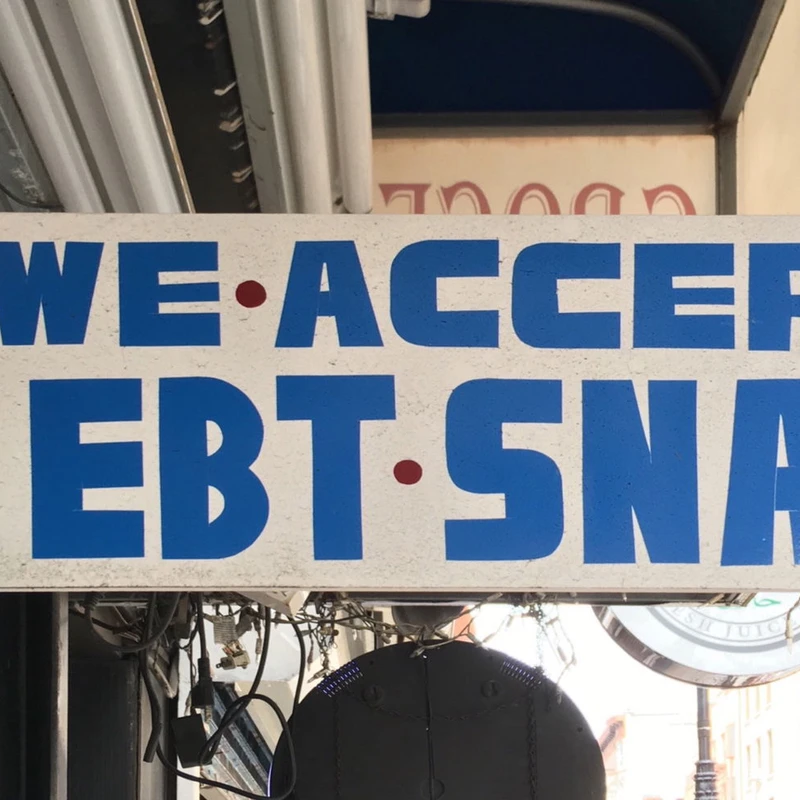

  • New SNAP Rules Could Cut Millions of Recipients

    For millions of low-income households relying on the Supplemental Nutrition Assistance Program (SNAP), a significant change is on the horizon. As federal benefits resume following the recent government shutdown, new work requirements are set to take effect in December, potentially shrinking the number of SNAP recipients nationwide.

    Understanding the New SNAP Work Requirements

    The Trump administration’s “One Big Beautiful Bill,” signed into law in July, expanded work rules for many adult SNAP recipients. These new requirements mandate that individuals work, volunteer, or participate in job training for at least 80 hours per month. Failure to meet this threshold means benefits can be received for only three months within a three-year period.

    Previously, these rules primarily affected able-bodied adults aged 18 to 54 without dependents. However, the updated legislation extends these requirements to individuals aged 55 to 64 and parents who do not have children under 14. Furthermore, exemptions for homeless individuals, veterans, and young adults transitioning out of foster care have been removed. States seeking waivers for areas with limited job opportunities will also face tighter restrictions.

    Impact on Recipient Numbers and Fraud Concerns

    The Congressional Budget Office estimates that these new rules could lead to a reduction of approximately 2.4 million people from the average monthly SNAP rolls over the next decade. This significant decrease highlights the potential impact on vulnerable populations who rely on SNAP for essential food assistance.

    In addition to the work requirements, the Trump administration has also considered requiring all SNAP recipients to reapply, citing concerns about alleged fraud and waste. Agriculture Secretary Brooke Rollins has pointed to instances of deceased individuals and those receiving multiple benefits as justification. While the USDA confirmed it will continue using current verification systems, they stated that ongoing analysis and improved collaboration with states are part of their efforts to address these concerns.

    What This Means for SNAP Users

    The three-month limit on receiving SNAP benefits without meeting the new requirements officially begins in December. This change comes after the federal government temporarily paused these work requirements in November. For many, this transition signifies a critical juncture, potentially affecting their ability to access consistent food support.

    The SNAP program currently supports over 40 million Americans, providing an average of $190 per person. As these new rules are implemented, it’s crucial for recipients to understand the changes and ensure they are meeting the updated requirements to maintain their benefits.

    Are you or someone you know affected by these new SNAP rules? Share your experiences and concerns in the comments below!

  • IRS Rental Income Reporting: What You Need to Know

    As a real estate investor, understanding your tax obligations is paramount. The IRS is keenly aware of the significant “tax gap”—the difference between what Americans owe and what they actually pay—and is implementing measures to ensure everyone reports their income accurately. So, if you’re earning rental income, rest assured: the IRS will likely know. Failing to report it can lead to serious financial and even criminal penalties.

    What the IRS Considers Rental Income

    The IRS defines rental income broadly. It’s not just about the standard monthly rent payments. Here’s what else counts:

    • **Normal Rent Payments:** This includes regular rent, late fees, and prorated rent for partial months.
    • **Advanced Rent Payments:** Any rent collected upfront, such as the first and last month’s rent, is taxable in the year it’s received.
    • **Lease Cancellation Payments:** If a tenant pays you to break their lease, this payment is considered rental income.
    • **Noncash Compensation:** When a tenant provides services (like lawn care or painting) in exchange for reduced or waived rent, the fair value of those services must be reported as income.
    • **Security Deposits:** While typically returned to tenants, any portion of a security deposit used to cover unpaid rent or expenses becomes taxable rental income.

    How the IRS Discovers Unreported Income

    Even if you choose not to report your rental income, the IRS has several ways to find out:

    • **Automated Underreporter (AUR) Program:** This IRS system compares taxpayer-reported income with information from banks and financial institutions.
    • **Routine Tax Audits:** While the overall audit rate is low (around 0.3%), higher earners are more likely to be audited. Red flags include failing to report income, claiming excessive deductions, or reporting significant losses.
    • **IRS Whistleblower Office:** Individuals who report tax evasion can receive rewards of 15% to 30% of the recovered amount, provided the disputed income exceeds $200,000 and the amount owed is over $2 million.
    • **Paperwork and Public Records:** Property ownership involves numerous public records, such as mortgage interest statements (Form 1098), rental licenses, and property tax records, which the IRS can access and cross-reference.

    Taxing Your Rental Income

    Rental income is taxed similarly to other forms of earned income, with the tax rate determined by your overall income bracket. For example, if you have $4,000 in net rental income (after deducting expenses, interest, and depreciation) and fall into the 24% tax bracket, you would owe $960 in income taxes on that amount.

    Reporting Your Rental Income: A Step-by-Step Guide

    Accurate bookkeeping is key to reporting your rental income correctly. Here’s a basic process:

    1. **Gather Documents & Update Bookkeeping:** Ensure all financial records for the past year are accurate. Calculate total rental income and expenses, and understand your property’s cost basis for depreciation.
    2. **Fill Out Schedule E:** This IRS form is used to report rental property details, including address, type, total rental days, rents received, and all related expenses. It helps calculate your net profit or loss, which is then transferred to Form 1040.
    3. **Complete Form 4562:** If you claim depreciation deductions, you must file this form to deduct a portion of the property’s cost over its useful life (typically 27.5 years for residential rental property).
    4. **File All Forms:** Submit Form 1040, Schedule E, and Form 4562 to the IRS. Don’t forget to file a state tax return if your state collects income tax.

    Consequences of Not Reporting

    Failing to report rental income, even unintentionally, can lead to severe consequences. The IRS may impose penalties, require back taxes, and in some cases, pursue criminal charges. Penalties can include:

    • **Civil Fraud Penalties:** Up to 75% of the unpaid tax if you knowingly fail to report.
    • **Accuracy Penalties:** Ranging from 20% to 40% for errors discovered during an audit.
    • **Criminal Charges:** For tax evasion, filing false returns, or intentionally avoiding taxes, which can result in jail time.

    The IRS has a six-year window to audit if you significantly underreport your gross income (by 25% or more). While direct access to your bank account isn’t automatic, the IRS can request it during an audit.

    Are you a landlord or real estate investor? How do you manage your rental income reporting? Share your tips and experiences in the comments below!