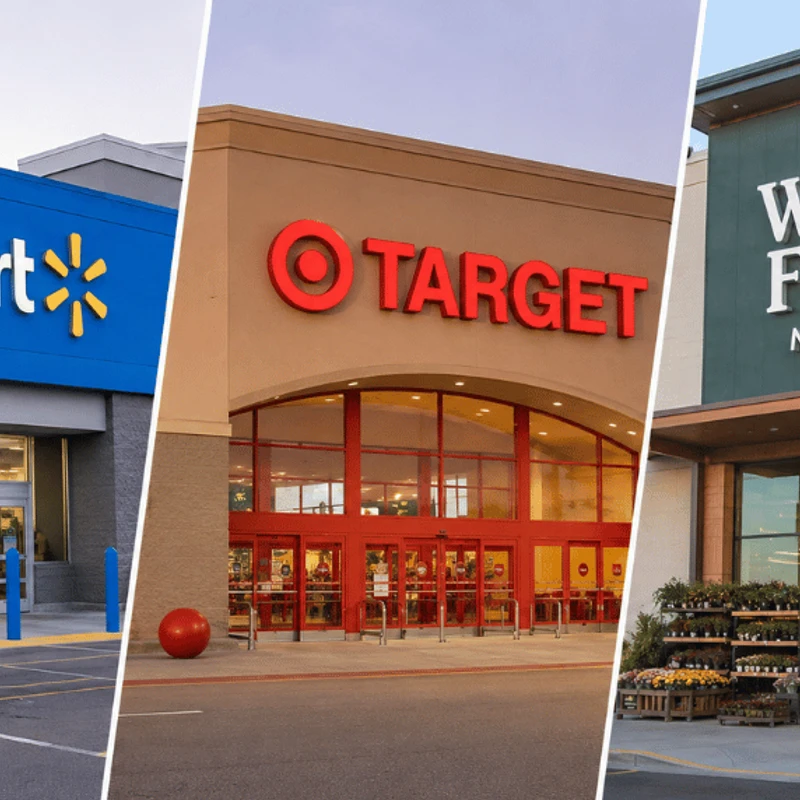
Imagine this: you’re at your favorite store, ready to quickly scan your items and be on your way. But what if that convenience comes with a hefty price tag for the store? Well, in Rhode Island, lawmakers are proposing a new bill that could mean big trouble for major retailers like Walmart, Target, and Whole Foods, potentially slapping them with fines of up to $1,000 every single day.
What’s the Big Deal with Self-Checkout?
This isn’t just about a few extra machines; it’s a significant move that could reshape how we shop. Rhode Island’s Senate Bill 2342 aims to regulate the use of self-checkout lanes, pushing for more human cashiers and stricter rules on automated checkouts. The core idea is to protect retail jobs and ensure customers still have access to traditional, staffed checkouts.
The proposed legislation sets a specific ratio: for every three self-checkout kiosks a store operates, there must be at least one staffed checkout lane. Plus, stores would need to ensure at least one ADA-compliant self-checkout station is available for customers with disabilities. This means retailers can’t just go all-in on automation without maintaining a human touch.
Why the Pushback on Automation?
Lawmakers supporting the bill argue that the rise of self-checkout has led to job losses and increased retail theft. They believe that by enforcing staffing requirements, they can safeguard employment opportunities for cashiers and reduce losses due to shoplifting, which some studies suggest is more prevalent with self-checkout systems.
Interestingly, the bill also specifies that employees monitoring self-checkout lanes must focus solely on theft prevention. This means they can’t be asked to stock shelves or help customers elsewhere simultaneously. For stores like Aldi, where employees are often cross-trained for multiple tasks, this could create significant operational challenges.
Who Exactly is Affected?
While the bill primarily targets grocery stores, its definition of ‘groceries’ is quite broad. It includes items like raw or processed food, drinks, prescription medications, hygiene products, and certain household goods. This wide net could potentially ensnare retailers like CVS and Walgreens, forcing them to re-evaluate their self-checkout strategies and staffing levels.
The Rhode Island Food Dealers Association has voiced concerns, arguing that the bill unfairly singles out grocery stores. They point out that many other types of retailers, from big-box stores to pharmacies and fast-food chains, also use self-checkout technology to optimize staffing. The worry is that these regulations could increase labor costs and potentially lead to higher prices for consumers.
A National Trend in Retail?
This Rhode Island proposal isn’t happening in a vacuum. It’s part of a larger, nationwide conversation about the role of automation in retail. We’ve seen other states and cities exploring similar restrictions, and some major retailers are already adjusting their approaches. For instance, Costco has experimented with assisted checkout, and Walmart has scaled back self-checkout in some locations due to theft concerns.
The debate highlights a fundamental tension: the drive for efficiency and cost savings through technology versus the need for human interaction, job security, and consumer satisfaction. As this legislation moves forward, it will be fascinating to see how retailers adapt and what impact it has on the shopping experience.
What are your thoughts on the rise of self-checkout? Do you prefer using the machines or interacting with a cashier? Share your opinions in the comments below!