Category: Politics and Government

  • Gov’t Shutdown Stunts VA Services on Veterans Day

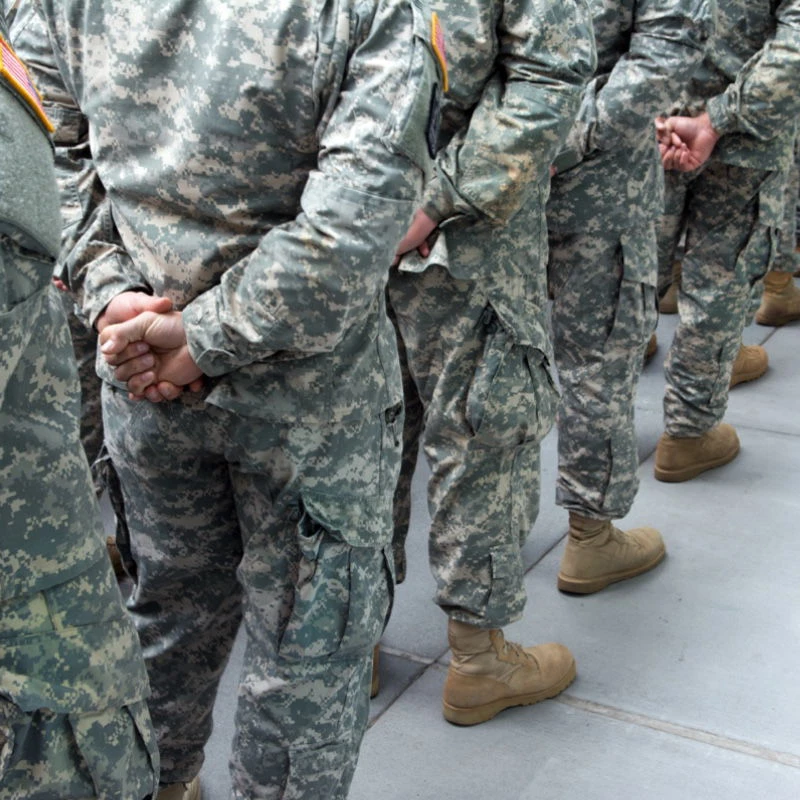
    This Veterans Day, November 11, the traditional celebrations and acknowledgments are overshadowed by the ongoing government shutdown, which is significantly impacting the Department of Veterans Affairs (VA). While honoring the service of retired U.S. Armed Forces members, many veterans and VA employees are facing disruptions to essential services and benefits.

    Shutdown’s Toll on VA Operations

    The federal shutdown has brought many government operations to a standstill, and the VA is no exception. While initial estimates suggested only 15,000 of the VA’s 460,000 employees might face furloughs, actual figures indicate that around 37,000 employees have been suspended or are working without full pay. This staff shortage has put numerous operations on hold.

    Crucial services like transition briefings for departing service members and career counseling for veterans in the Readiness and Employment program have been paused. Furthermore, over 50 regional benefit offices have closed, GI Bill hotlines are inactive, and the placement of permanent headstones at nearly a hundred VA cemeteries is stalled. Those needing pre-need burial support are also awaiting congressional action.

    Impact on Black Veterans

    This situation is particularly concerning for the nation’s prominent Black veteran population. According to the Black Veterans Empowerment Council, there are over 2 million Black veterans in the U.S., making up about 12% of the total veteran population. While core benefits continue to be processed, the discontinuation of essential VA services creates unique struggles for this demographic, especially on their day of recognition.

    Despite the widespread disruptions, critical VA medical centers and services remain operational. This includes healthcare, burials, housing benefits, compensation processing, and case reviews. Suicide prevention programs and the Veteran Primary Call Center, along with crisis and benefit hotlines, are also still functioning. However, the overall celebration and accessibility of Veterans Day services have been undeniably affected by the federal crisis.

    Recovery and Future Outlook

    As lawmakers work towards ending the shutdown, departments like the VA will require time to recover from the halted operations. The lingering effects of furloughs and service disruptions mean that even after the government reopens, it could take months to fully restore all functions and address the backlog created during this period.

    How do you think the government shutdown impacts our veterans? Share your thoughts and concerns in the comments below.

  • Gov. Moore Challenges Trump on Redistricting

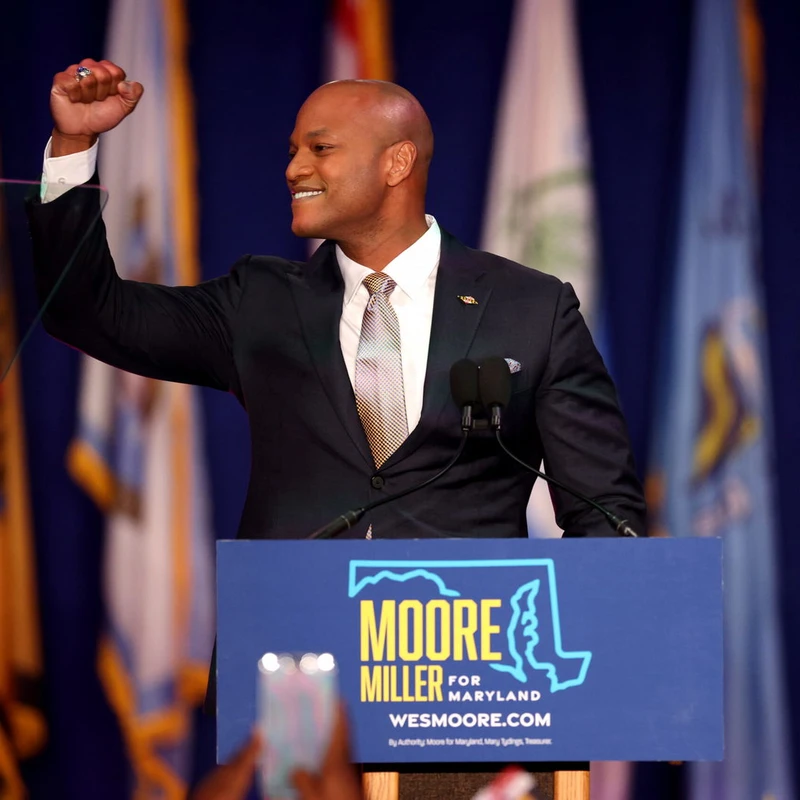
    Maryland Governor Wes Moore is making a bold move to counter what he describes as a ‘redistricting scheme’ influenced by former President Donald Trump and Republican leaders. By establishing a bipartisan commission, Moore aims to draw ‘fair maps’ in Maryland, potentially challenging the state’s sole Republican congressional seat and pushing back against partisan gerrymandering efforts seen in other states.

    Challenging the Status Quo

    During an appearance on “Face the Nation with Margaret Brennan,” Governor Moore questioned the fairness of playing by different rules than states like Texas, Florida, and Ohio, which have been accused of partisan redistricting. He emphasized Maryland’s commitment to fighting back, stating, “I want this bipartisan commission to be able to actually speak with the people and to be able to go through their process and just simply say that if other states are going to go through this process, that we’re not just going to sit on our hands because Donald Trump tells us to.”

    Moore announced the formation of the commission in early November 2025, with the explicit goal of creating ‘fair maps.’ This initiative stands in contrast to actions taken by Republican-led states, such as Texas in July 2025, which redrew districts to favor the GOP, prompting Democratic leaders to protest by leaving the state to avoid a vote.

    Navigating Legal and Political Hurdles

    Maryland law typically assigns the drawing of congressional maps to the state Assembly, which is dominated by Democrats. For Moore’s plan to move forward, he would need to convene a special session of the Assembly. The commission itself is chaired by Maryland Senator Angela Alsobrooks and includes key figures like Senate President Bill Ferguson, Maryland House Speaker Adrienne A. Jones, former Attorney General Brian Frosh, and Cumberland Mayor Raymond Morriss.

    However, the redistricting effort faces internal opposition. Senate President Bill Ferguson has expressed concerns about the legal risks and potential negative consequences for Democrats, citing these in a letter. He argued that mid-cycle redistricting presents “catastrophic” downside risks and could undermine the certainty of the existing map. Despite these concerns, Moore maintains that preserving democracy requires bold action.

    A Call for Democratic Preservation

    Moore views the current political climate as one demanding urgency and a willingness to fight. He stated, “Where we differ is the urgency that this moment requires, the fight that this moment requires. And I personally am someone who is not going to allow Donald Trump to determine whether or not Maryland follows this idea of saying, are we going to do everything we can to make sure we’re preserving our democracy.” This stance echoes a broader trend, seen in California’s Proposition 50, where voters approved giving the state Legislature control over congressional maps until an independent commission takes over in 2030.

    What are your thoughts on Governor Moore’s decision to form a redistricting commission? Do you believe it’s a necessary step to protect democracy? Share your views in the comments below!

  • Trump’s ‘No Tax on Tips’ Policy Impacts Restaurants

    A new tax policy introduced by President Trump, dubbed the ‘no tax on tips’ law, is poised to create significant shifts within the restaurant industry. This regulation, part of the ‘One Big Beautiful Bill Act’ (OBBBA), could compel restaurants to rethink their long-standing practices regarding mandatory service fees, especially for larger parties, to ensure employees can benefit from the new tax deductions.

    The ‘Qualified Tips’ Deduction Challenge

    Starting in 2025, certain workers will be able to deduct up to $25,000 in ‘qualified tips’ annually through 2028. However, a key challenge arises because mandatory gratuities, typically applied to parties of six or more and often ranging from 15% to 20%, do not qualify for this deduction, according to CNBC. This distinction puts pressure on restaurants to process tips correctly through payroll so employees can fully leverage the new tax law.

    Jean Hagan of Eisner Advisory Group, a firm specializing in the restaurant sector, highlighted during a recent webinar that many owners were surprised to learn that mandatory service fees should not be classified as tips. “They’ve just always been doing it a certain way — passing on the service fees to employees as a tip,” Hagan noted. The OBBBA now requires a change in this practice.

    Navigating New Regulations

    The IRS issued proposed rules in September regarding the ‘no tax on tips’ deduction, and the language in the OBBBA appears quite clear: only voluntary tips qualify. Andrew Lautz, director of tax policy for the Bipartisan Policy Center, commented, “Congressional intent is pretty clear. What’s unclear is how restaurants respond to that.” This leaves restaurant owners and employees in a complex situation as they consider their options before the 2025 tax year.

    While restaurant advocates have lobbied for a change in how service fees are treated, it seems unlikely that the distinction between service fees and voluntary tips will shift. To provide some relief, the IRS issued guidance in early November offering a safe harbor for the 2025 tax year. This means employers won’t face penalties for failing to separately account for amounts reasonably designated as cash tips or for the employee receiving them, offering a temporary buffer as businesses adjust.

    How do you think this new tax policy will affect your dining experiences or restaurant operations? Share your thoughts in the comments below!

  • Supreme Court Upholds Same-Sex Marriage Rights

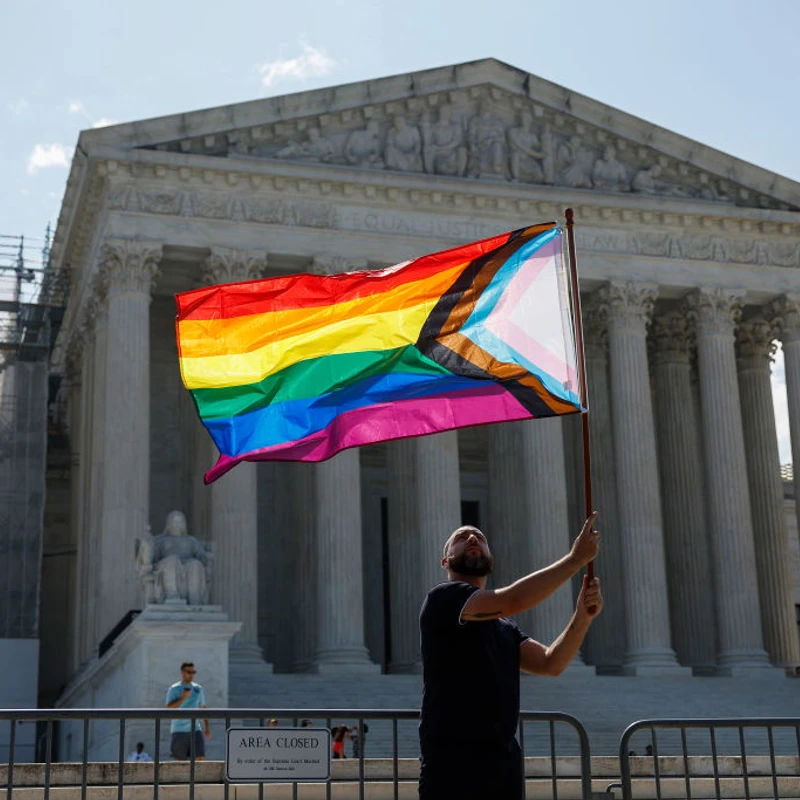
    In a significant decision for LGBTQ+ rights, the Supreme Court has rejected an appeal aimed at overturning the historic 2015 ruling that legalized same-sex marriage nationwide. This rejection means the landmark decision in Obergefell v. Hodges remains intact, affirming marriage equality across the United States.

    Rejecting the Appeal to Overturn

    The appeal originated from Kim Davis, a former Rowan County, Kentucky, court clerk who gained national attention for refusing to issue marriage licenses to same-sex couples, even after the Obergefell ruling. Her appeal, brought forward 10 years later, gained potential consideration following the Supreme Court’s 2022 decision to overturn Roe v. Wade. Conservative Justice Clarence Thomas had previously suggested revisiting cases like Obergefell, citing concerns.

    Davis’s legal team, the conservative group Liberty Counsel, cited Thomas’s words in their appeal. However, their primary argument focused on Davis’s religious freedom, asserting her right as a conservative Christian not to be compelled to put her name on marriage licenses for same-sex couples. The original lawsuit was filed by David Moore and David Ermold, the couple Davis initially turned away.

    Legal Battles and Lasting Impact

    Despite a judge ordering her to issue the licenses, Davis refused, leading to her being held in contempt and serving six days in jail. The controversy eventually led to a change in Kentucky law, allowing licenses to be issued without the clerk’s name. Nevertheless, Moore and Ermold continued their legal pursuit, ultimately winning $100,000 in damages and requiring Davis to pay $260,000 in attorney’s fees. Davis’s continued appeal reached the Supreme Court after losing at the 6th U.S. Circuit Court of Appeals.

    LGBTQ+ advocates, including Human Rights Campaign president Kelley Robinson, celebrated the court’s decision. Robinson stated that the ruling reinforces the principle that individuals must respect the constitutional rights of others. While religious freedom has been a defense in various cases seeking exemptions from laws, the Supreme Court’s decision on this appeal maintains the established rights for same-sex couples.

    Dissenting Voices and Evolving Perspectives

    While Chief Justice John Roberts and Justice Samuel Alito remain among the dissenters of Obergefell v. Hodges, Alito has voiced continued critique without advocating for overturning the ruling. Justice Amy Coney Barrett, one of the court’s newer members, acknowledged the need to correct past wrongs, citing abortion rights, but suggested that same-sex marriage might be different due to people having relied on the decision for marriage and family formation.

    What are your thoughts on the Supreme Court’s decision to uphold same-sex marriage rights? Share your perspective in the comments below!

  • Shutdown Sparks Air Traffic Controller Resignations

    The longest government shutdown in U.S. history is taking a critical toll on the nation’s air traffic control system. Facing missed paychecks since October 1, many air traffic controllers are resigning from their crucial posts out of sheer necessity, creating significant staff shortages and raising safety concerns.

    The Human Cost of the Shutdown

    With approximately 730,000 federal employees affected by the shutdown, air traffic controllers are among those bearing the brunt. The lack of consistent paychecks is forcing many to make difficult choices, prioritizing their families’ immediate needs over their essential jobs. This situation is not new; the industry lost 400 controllers during the last shutdown, and the current extended closure is exacerbating the problem.

    For those still on duty, the pressure is immense. Many are running out of emergency funds needed to commute to work or cover childcare expenses. The Federal Aviation Administration (FAA) has implemented a 10% reduction in air traffic to alleviate some of the strain on the remaining controllers. However, this measure has inadvertently led to thousands of flight cancellations and delays, particularly at major U.S. airports.

    A Path to Resolution, But Lingering Effects

    While a potential resolution is on the horizon with the Senate passing a funding bill, it still requires House approval and the President’s signature. Furthermore, this bill only provides funding through January 31, leaving the possibility of another shutdown early next year. Although the bill includes provisions for back pay, the damage may already be done.

    Nick Daniels, president of the National Air Traffic Controllers Association, warns that the impact of this shutdown on the industry will take months to fully recover from. The resignations and burnout among controllers create a ripple effect that compromises the efficiency and safety of air travel, a situation that demands urgent attention beyond just a temporary funding fix.

    What are your thoughts on the impact of the government shutdown on essential services like air traffic control? Share your views in the comments below!