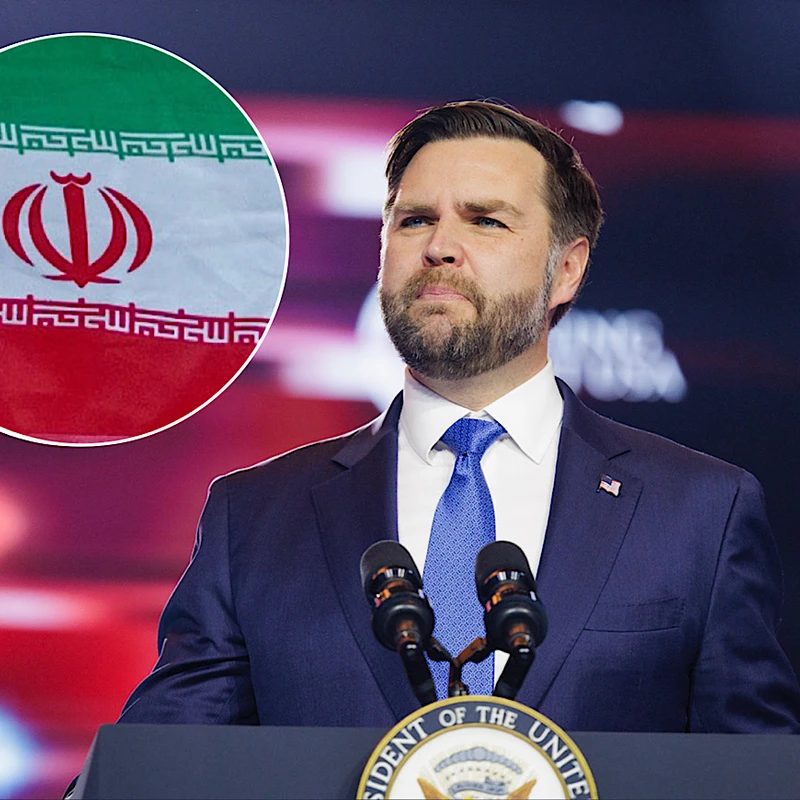
Well, it seems the path to peace between the United States and Iran just hit a major roadblock. Vice President JD Vance announced that after a marathon 21-hour negotiation session in Pakistan, no agreement was reached. This news comes after a period of intense diplomatic activity and a temporary ceasefire.
A Ceasefire and High Hopes
Just days prior, on April 7th, former President Donald Trump’s administration had brokered a ceasefire with Iran. The key condition for this pause in hostilities was Iran’s agreement to reopen the vital Strait of Hormuz, a critical global shipping route. Trump announced this on Truth Social, framing it as a step towards long-term peace in the Middle East.
Trump’s statement detailed a 10-point proposal from Iran that was seen as a workable basis for negotiation. Many points of contention had reportedly been agreed upon, with a two-week window set aside to finalize a definitive agreement. This created a sense of optimism that a significant diplomatic breakthrough was imminent.
The Islamabad Talks
The recent trilateral meeting in Islamabad, Pakistan, saw a senior U.S. delegation, including Vice President Vance, U.S. Special Envoy Steve Witkoff, and Jared Kushner, engaging directly with Iranian officials. Among the Iranian representatives were Foreign Minister Abbas Araghchi and Speaker of Parliament Mohammad Bagher Ghalibaf.
These talks were crucial for solidifying the ceasefire and addressing the core issues that have long strained relations between the two nations, particularly Iran’s nuclear program and regional security. The Pakistani officials were praised for their role as hosts and facilitators in bridging the gap.
Vance’s somber update
Despite the extensive discussions, Vice President Vance delivered the disappointing news: no agreement was reached. He emphasized that this outcome is more detrimental to Iran than to the United States, stating that the U.S. had clearly communicated its non-negotiable ‘red lines’.
A central concern for the U.S. remains Iran’s commitment to not developing nuclear weapons, both in the short and long term. Vance indicated that this fundamental commitment has not yet been demonstrated by Iran. The U.S. delegation left Pakistan with a final, best offer, awaiting Iran’s decision.
We have been at it for 21 hours and we’ve had a number of substantive discussions with the Iranians. That’s the good news. The bad news is that we have not reached an agreement. And I think that’s bad news for Iran, much more than that, it’s bad news for the United States of America. — Vice President JD Vance
The failure to reach a deal means the situation remains tense, and the U.S. is prepared to revert to its previous stance if Iran does not accept the proposed terms. The world will be watching closely to see if diplomacy can find a way forward.
What do you think about the stalled peace talks between the US and Iran? Share your thoughts in the comments below!