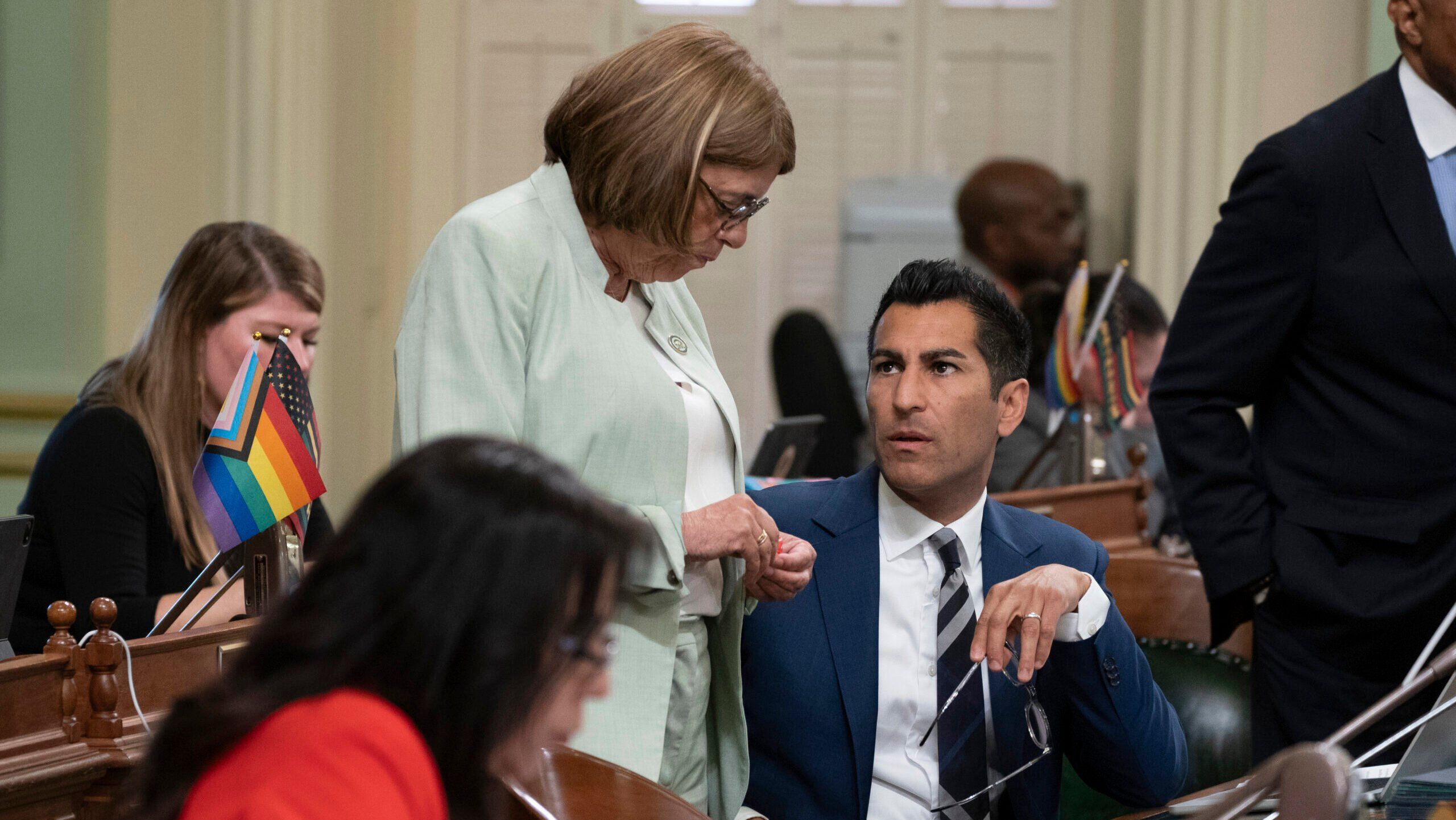
California Democrats are in a race against time! As lawmakers return to the Capitol this week, they’re facing a critical deadline to advance a new congressional map. The goal? To redraw the state’s U.S. House districts and potentially gain an advantage in the 2026 midterms.
A Partisan Redistricting Push
Governor Gavin Newsom is urging lawmakers to move forward with this new map, which aims to secure five more U.S. House seats for Democrats. This move is seen as a direct counter to President Donald Trump’s efforts to redraw Texas’ map in favor of Republicans. California is currently the only state, besides Texas, officially engaging in this mid-decade redistricting fight.
The proposed map, unveiled on Friday, will undergo hearings and a vote in both legislative houses. If approved by voters in a special November election, it would replace the map drawn by an independent commission that took effect in 2022. Democrats argue this is a necessary step to “save democracy” and counter the Republican agenda.
Key Issues on the Legislative Agenda
Beyond redistricting, the California Legislature has a packed agenda for its final month. Lawmakers will tackle proposals related to climate change, balancing environmental goals with the need to lower utility prices. The planned closure of two major oil refineries adds complexity to debates about reauthorizing the state’s cap-and-trade program.
This program, set to expire in 2030, allows greenhouse gas emitters to buy allowances. Newsom wants to extend it through 2045, dedicating funds to high-speed rail and state fire response. Environmental groups, however, are pushing for updates like ending free allowances for industrial emitters and ensuring lower-income households receive greater utility bill credits.
Addressing Immigration and Racial Justice
The Legislature will also vote on measures responding to increased federal immigration raids. One bill proposes making it a misdemeanor for law enforcement officers to cover their faces during official duties, aiming to boost transparency and public trust. Another would require officers to identify themselves during official business.
Furthermore, Democrats are backing proposals to limit immigration agents’ access to school campuses, hospitals, and shelters without warrants. On the racial justice front, a task force’s report from 2023 offered over 100 recommendations for repairing historical wrongs against Black Californians. This year, the California Legislative Black Caucus introduced a new package of bills, including measures for university admissions priority and loan programs for descendants of enslaved people.
While some reparations advocates feel these proposals don’t go far enough, particularly regarding direct compensation, they represent a significant step in addressing historical injustices. The tight legislative deadline means these crucial issues will be debated and voted on rapidly in the coming weeks.
What are your thoughts on California’s redistricting plans and the other legislative priorities? Let us know in the comments!