Category: Political and Legal News

  • Rep. Crockett’s ‘STOP TRUMP Act’ Targets IRS Settlement

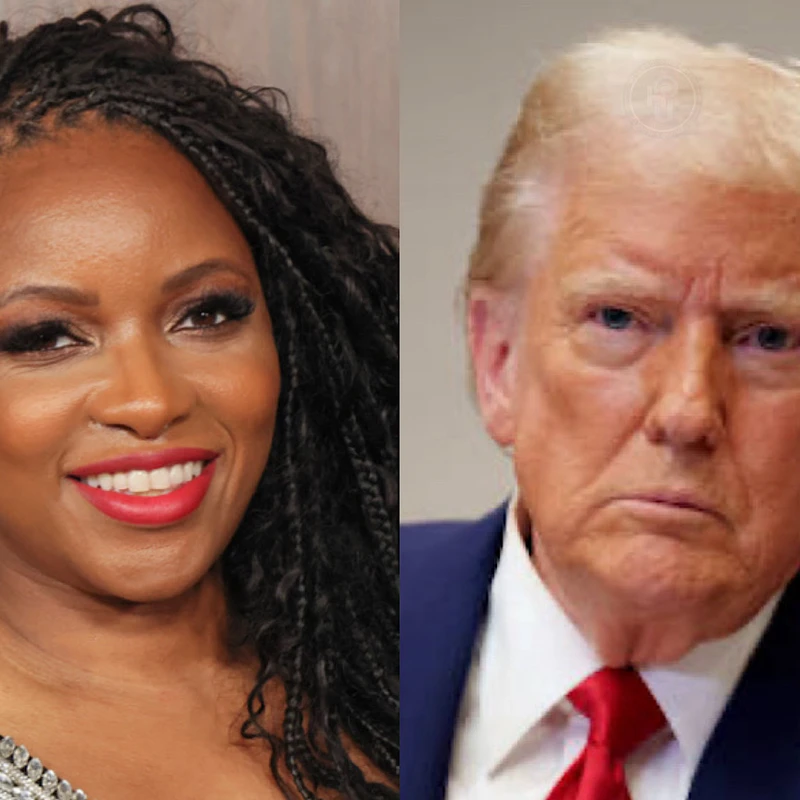
    Congresswoman Jasmine Crockett (D-TX) is pushing back hard against a recent IRS settlement involving former President Donald Trump. The deal, which includes a $1.776 billion compensation fund reportedly for January 6 Capitol rioters and Trump allies, has drawn sharp criticism. In response, Crockett has introduced new legislation aimed at blocking taxpayer dollars from funding this controversial payout.

    The Controversial IRS Settlement

    The settlement stems from a $10 billion lawsuit Trump filed against the IRS in January, claiming a former contractor leaked his tax returns. The Justice Department agreed to drop the lawsuit and establish a nearly $1.8 billion ‘anti-weaponization’ fund. This fund is intended to compensate Trump’s allies and January 6 participants, while also shielding Trump, his family, and businesses from future audits and tax prosecutions.

    Trump has defended the fund, stating that the January 6 rioters were ‘treated brutally by a corrupt system’ and that their lives were ‘destroyed.’ However, the use of taxpayer money for such a settlement has sparked significant backlash.

    Introducing the ‘STOP TRUMP Act’

    On May 20, during a House Judiciary Committee hearing, Rep. Crockett unveiled the “STOP TRUMP Act.” This bill seeks to ban federal funds, including the Federal Judgment Fund, from being used to settle claims brought by a president, their family, political appointees, or January 6 participants related to alleged ‘government weaponization.’ It also prohibits taxpayer-funded compensation commissions designed to reward political allies.

    Crockett stated, ‘Working families are struggling to afford groceries, gas, rent, and healthcare – the last thing taxpayers should be forced to do is bankroll political revenge tours and payouts for Donald Trump and his cronies.’ She emphasized that taxpayer dollars should not serve as a ‘personal slush fund.’

    Key Provisions of the Act

    • Ban federal funds for claims by presidents, family, appointees, or January 6 participants.
    • Prohibit taxpayer-funded compensation commissions for political allies.
    • Prevent the DOJ from representing cases where the President could financially benefit.
    • Require repayment of unlawfully distributed federal funds.

    The ‘STOP TRUMP Act’ represents a significant legislative effort to curb the use of public funds for what critics deem politically motivated settlements and rewards. It aims to ensure accountability and prevent the misuse of taxpayer money.

    What are your thoughts on the ‘STOP TRUMP Act’ and the IRS settlement? Share your views in the comments below!
  • Byron Allen on Black Ownership & STARZ

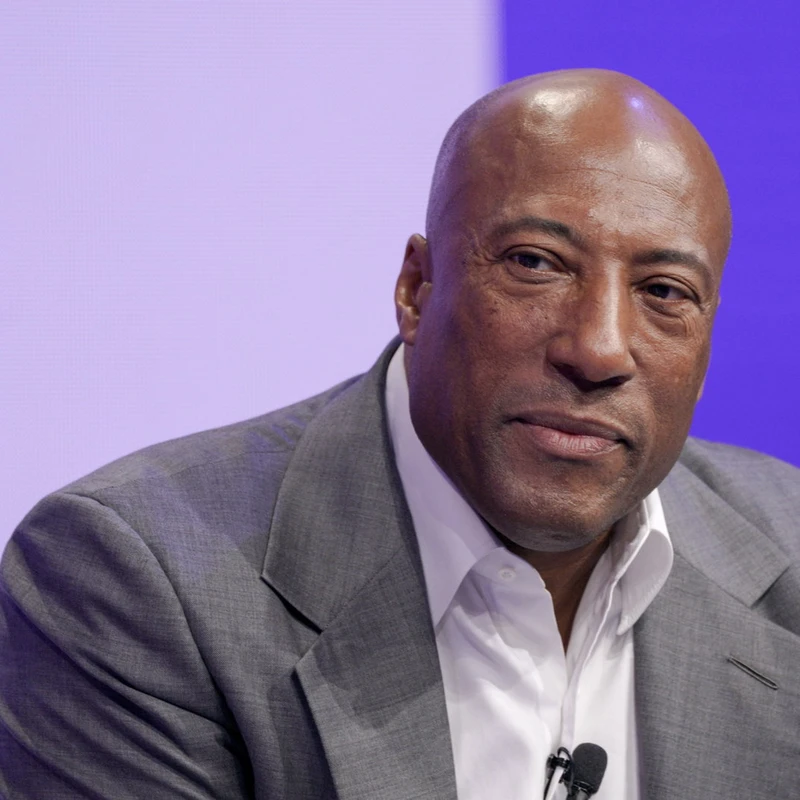
    Ever wondered what it takes to build an empire and champion Black economic power? Media mogul Byron Allen recently sat down with The Breakfast Club to share his insights, focusing on his ambitious plans for STARZ and the broader fight for ownership in the media landscape. It’s a conversation that highlights the critical importance of Black voices controlling their narratives.

    Acquisitions and the Pursuit of STARZ

    Allen, the founder and chairman of Allen Media Group, is making bold moves. He recently acquired BuzzFeed and HuffPost, strategic acquisitions aimed at ensuring Black-owned companies maintain influence in an industry that’s constantly consolidating. But his sights are set even higher: STARZ.

    He revealed that he’s acquired nearly 11% of STARZ’s stock for $25 million, making him the second-largest shareholder. Allen expressed his admiration for STARZ’s stated goal of serving underserved audiences, which he interprets as a code for Black consumers. “If you’re chasing us, we should own it,” he stated passionately.

    Navigating Corporate Resistance

    Despite Allen’s clear intentions, STARZ has implemented a “poison pill” shareholder rights plan. This move is designed to prevent him from acquiring more than 17.5% of the stock without board approval, effectively blocking his path to full control. Allen acknowledged this resistance, stating, “They said, ‘Hold up! We do not want you to own this company or control this company.’”

    However, Allen remains undeterred. “That won’t stop me. You’ll just delay us, but we will eventually get what we want,” he proclaimed. His preference is to keep STARZ public while maintaining majority control (51% or greater). But if necessary, he’s prepared to buy the entire company, restructure the board, and potentially take it public again.

    The Fight for Economic Power

    Beyond the STARZ pursuit, Allen emphasized his belief that the most crucial fight for Black America today is for economic power. He drew a powerful parallel to a conversation with the late Coretta Scott King, who described economic inclusion as the “fourth and final chapter” in the pursuit of Black liberation, following the end of slavery, Jim Crow, and the civil rights movement.

    This perspective underscores the deep significance of his media acquisitions. It’s not just about business expansion; it’s about reclaiming agency and ensuring that Black communities have a tangible stake in the industries that shape culture and information.

    What are your thoughts on Byron Allen’s strategy for Black ownership in media? Do you think he’ll succeed in taking over STARZ? Share your opinions in the comments below!

  • Letitia James Cleared Again: DOJ Indictment Effort Fails

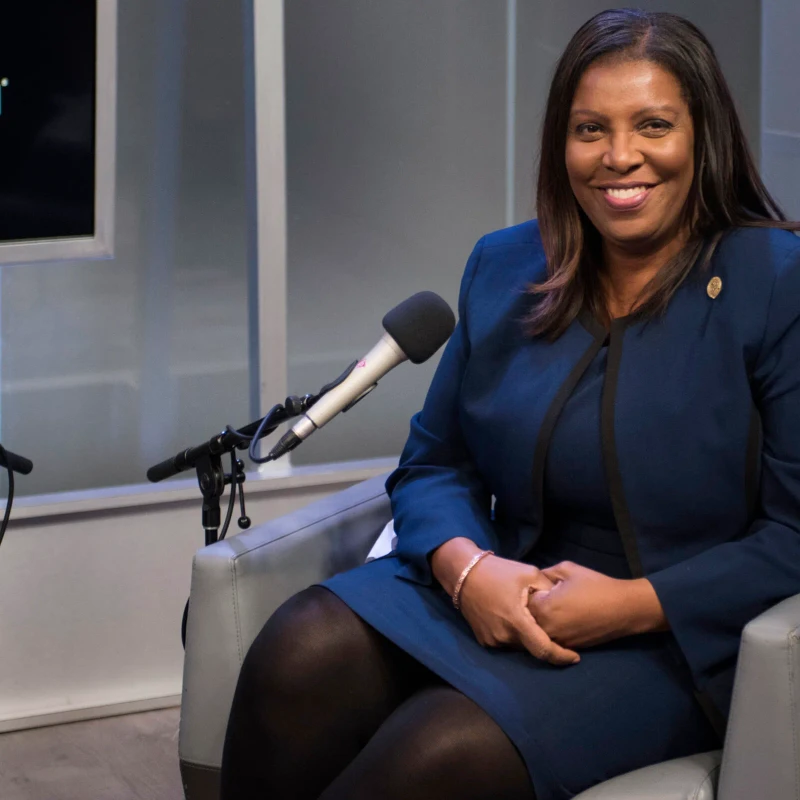
    Big news out of the legal world! New York Attorney General Letitia James has once again dodged a potential indictment. The Department of Justice’s second attempt to bring fraud charges against her has been shut down by a grand jury. This is a significant development, especially considering the case was just recently dismissed by a federal judge.

    The Road to This Decision

    The initial case was spearheaded by Lindsey Halligan, a figure known for her ties to Trump and her lack of formal prosecutorial experience. Her appointment to lead the charge was ultimately deemed invalid, which legally voided the original charges of bank fraud and lying to a financial institution. James has consistently denied these allegations.

    Following the dismissal, the DOJ didn’t just give up. They brought in new prosecutors to present the case again to a grand jury, this time in Norfolk, Virginia. However, the outcome remained the same – no indictment. It seems the legal path for these charges is becoming increasingly complex.

    Broader Political Context

    It’s worth noting that this isn’t happening in a vacuum. Both James’s case and that of former FBI Director James Comey, whose charges were dismissed on the same day, have faced criticism for potentially being politically motivated. There are whispers that Trump had previously urged Attorney General Pam Bondi to pursue legal action against James, Comey, and Senator Adam Schiff.

    While a source close to the case cautioned against premature celebrations, suggesting the DOJ could still try again, the repeated rejections signal a challenging road ahead for any further legal action. The DOJ has yet to officially comment on this latest grand jury outcome.

    What are your thoughts on these legal developments surrounding Letitia James? Share your opinions in the comments below!

  • Trump-Brokered Peace Deal: Boon for Leaders, Not Citizens?

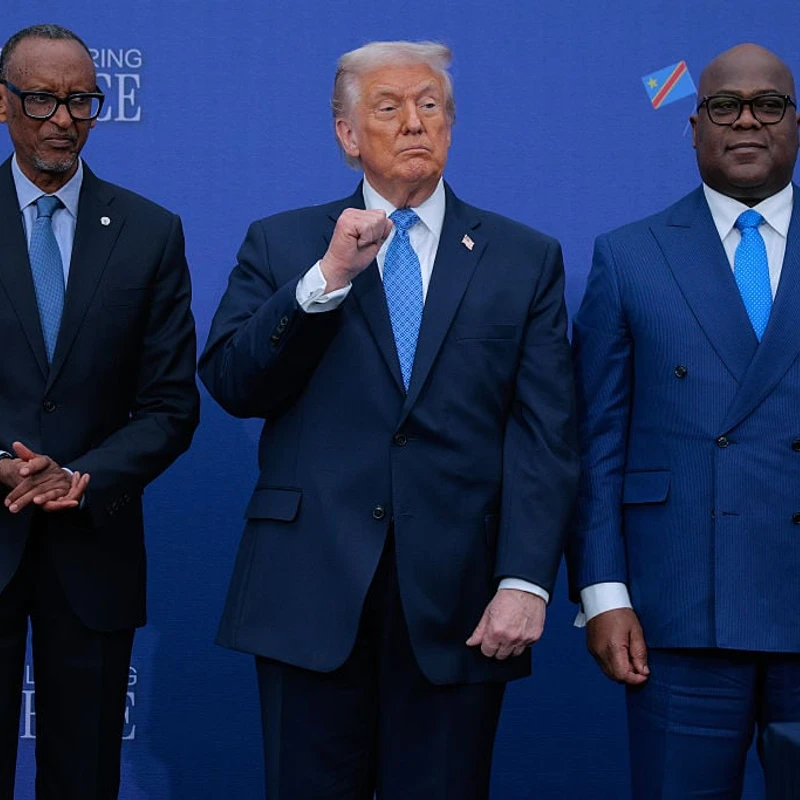
    A significant peace deal has been signed between the Democratic Republic of Congo (DRC) and Rwanda, brokered by President Donald Trump. Hailed as a “momentous occasion” and “a great day for Africa,” the Washington Accords aim to end decades of conflict in eastern DRC. However, beneath the surface of this landmark agreement lie concerns that the benefits might not reach the people most affected.

    The Washington Accords: What’s Included?

    The deal, officially named the Washington Accords, includes several key provisions. These aim to foster stability and cooperation, such as the disengagement and disarmament of armed groups, joint security coordination, facilitating the return of refugees, and enabling humanitarian aid. A crucial component is the implementation of a regional economic integration framework.

    This economic framework is designed to attract investment, create jobs, and connect the region to international trade routes like the Lobito Corridor. The Trump administration believes this will help businesses and people thrive, while also linking the region’s mineral sector to U.S. industry. Trump himself expressed optimism, noting the “very valuable things” in the African nations that could lead to “a lot of money and a lot of success.”

    Enriching Governments and Allies, Not Citizens?

    Despite the optimistic outlook, policy and intelligence experts are raising red flags. They suggest that while the deal could significantly enrich the governments of Rwanda and the DRC, as well as U.S. companies and businessmen close to Trump, the average citizens may not see the benefits. Many in the region live under authoritarian rule and face economic instability.

    Companies like KoBold Metals, backed by billionaires such as Bill Gates and Jeff Bezos, are already planning substantial investments in the Congo’s vast natural resources, utilizing AI to pinpoint untapped mineral deposits. Texas hedge fund manager Gentry Beach, who has ties to Trump’s past campaigns, is reportedly interested in accessing Congo’s Rubaya mine. Even Erik Prince, founder of Blackwater, is said to be providing security for mineral mines in the region.

    We’re talking about the country that people say is the Saudi Arabia of the electric vehicle industry, but 70 million people still live on less than $2.15 a day. — Maurice Carney, Executive Director of Friends of the Congo

    Maurice Carney, executive director of Friends of the Congo, echoed these concerns, stating that while the framework benefits governments and businessmen, the Congolese and Rwandan people likely won’t see the advantages. He highlighted the stark contrast between the nation’s mineral wealth and the extreme poverty faced by its citizens, attributing this disparity to governance issues where governments may not be negotiating in the people’s best interest.

    Concerns Over Authoritarian Rule and Racism

    Joseph Tolton, executive director of Interconnected Justice, pointed out that leaders in both Rwanda and the DRC, like Presidents Tshisekedi and Kagame, are often seen as dictators who prioritize self-interest. He noted that other African leaders supporting the deal, such as Uganda’s President Yoweri Museveni and Kenya’s President William Ruto, also face accusations of authoritarian tendencies. Tolton suggested these leaders align with those they perceive as powerful, including Trump, who has a history of supporting dictators.

    Furthermore, critics point to Trump’s past remarks about African nations, including calling them “shithole” countries, as evidence of a racist outlook. Tolton finds it “unconscionable” that African leaders would overlook such overt racism. He argues that the deal’s focus on enriching leaders and foreign investors comes at the expense of addressing the profound economic needs of their people, who lack avenues for their voices to be heard or to protest.

    What are your thoughts on this peace deal? Do you believe it will truly benefit the people of Rwanda and the DRC, or primarily enrich leaders and foreign investors? Share your perspective in the comments below!

  • Trump Pardons Binance Founder Changpeng Zhao

    In a move that’s sending shockwaves through the cryptocurrency world and political circles, former President Donald Trump has officially pardoned Binance founder Changpeng Zhao, widely known as CZ. Zhao, who had pleaded guilty to charges related to failing to prevent money laundering on his platform, was serving a four-month prison sentence but is now free thanks to this high-profile pardon.

    A Controversial Pardon and Political Statement

    White House press secretary Karoline Leavitt announced the pardon, framing it as President Trump exercising his constitutional authority against what she called the “Biden Administration’s war on cryptocurrency.” Leavitt stated that the Biden administration pursued Zhao despite no allegations of fraud or identifiable victims, suggesting the pardon corrects an injustice and supports innovation.

    CZ, who boasts an estimated net worth of $55 billion, expressed his gratitude on Twitter, thanking President Trump for upholding “America’s commitment to fairness, innovation, and justice.” He pledged to help make America the “Capital of Crypto” and advance web3 globally. This pardon comes after Binance agreed to pay over $4 billion in penalties and CZ personally paid a $50 million fine as part of a plea deal with the Justice Department.

    Trump’s Pivot Towards Crypto

    Leavitt further criticized the Biden administration’s actions, claiming they damaged the U.S.’s reputation as a leader in technology and innovation. This pardon is not an isolated incident; Trump has a history of issuing high-profile clemencies. His embrace of the crypto world, including hosting a dinner for investors in his meme coin that raised nearly $150 million this year, signals a strategic pivot as he seeks support for his 2024 presidential run.

    With CZ now free and seemingly aligned with Trump’s pro-crypto stance, this development could have significant implications for the future of digital assets and their regulation in the United States. It positions Trump’s campaign as a potential champion for the burgeoning crypto industry.

    What are your thoughts on Donald Trump’s pardon of Changpeng Zhao? Do you agree with the White House’s reasoning? Share your views in the comments below!
  • Trump Slams Time Magazine Cover Photo

    Well, it seems even global political figures can get caught up in the vanity of a bad photo! Donald Trump recently took to Truth Social, not to discuss policy or lawsuits, but to express his deep dissatisfaction with a picture used on a recent Time Magazine cover story.

    A ‘Worst of All Time’ Photo Complaint

    In a post that could be described as rather self-absorbed, Trump detailed his grievances with the photograph. He claimed the magazine “disappeared” his hair and that there was a strange “floating crown” on his head, which he described as “extremely small” and “really weird!” He also lamented the “underneath angles” used, calling it a “super bad picture” that deserved to be called out.

    While the world grapples with significant global crises and political turmoil, Trump’s primary concern appears to be the camera angle and lighting of his latest magazine feature. It seems that bad lighting has joined “fake news” on his personal list of grievances.

    Diplomatic Win Overshadowed by Photo Frustration

    Ironically, Trump’s focus on the unflattering photo came at a time when he could have been basking in the glow of a major diplomatic achievement. He had reportedly played a key role in brokering a ceasefire between Israel and Hamas militants. However, instead of celebrating this significant peace agreement, his attention was diverted by the perceived injustices of the “floating crown” and missing hair.

    During a speech to Israel’s parliament, Trump did acknowledge the historic peace deal, calling it “the end of an age of terror and death and the beginning of the age of faith and hope.” Yet, critics couldn’t help but notice the stark contrast between his public acknowledgment of a monumental moment and his private social media complaints, which remained centered on himself.

    Public Reactions to the Outburst

    As expected, Trump’s Truth Social rant quickly went viral. Supporters often find these moments “relatable,” while critics frequently accuse him of being self-absorbed, especially during times of significant global events. The New York Times has yet to comment on his specific complaint about the “floating crown.”

    What do you think about Donald Trump’s reaction to the Time Magazine cover photo? Does his focus on personal appearance distract from more important issues? Share your thoughts in the comments below!