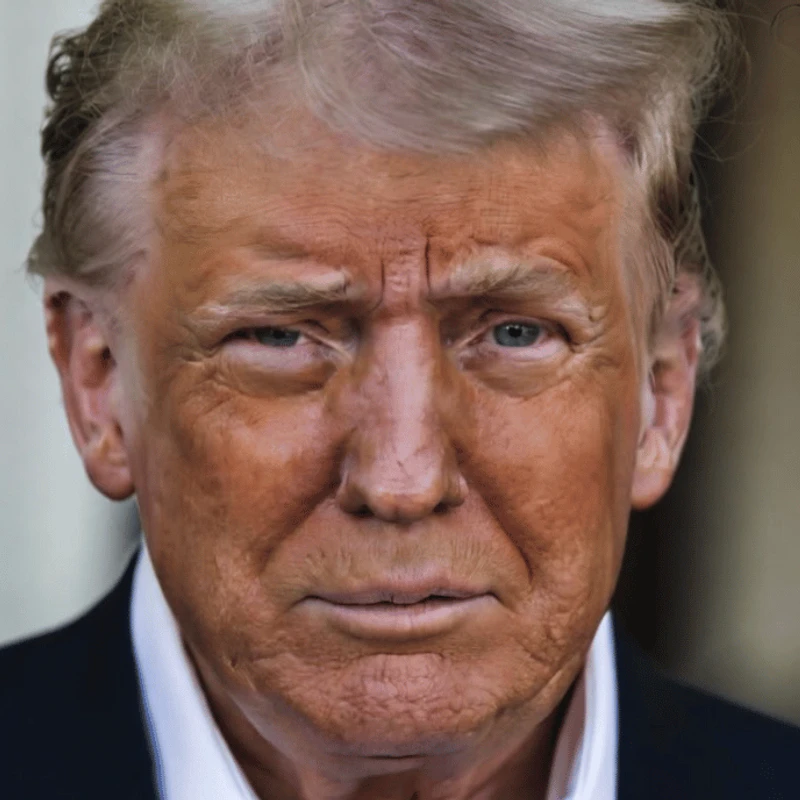
The very definition of who gets to be an American is on the line. The U.S. Supreme Court is gearing up to hear arguments in a pivotal case, Trump v. Barbara, which directly challenges the long-standing principle of birthright citizenship. This case centers on an executive order from former President Donald Trump that sought to redefine who qualifies for citizenship based on their parents’ legal status.
The Core of the Debate: The 14th Amendment
At the heart of this legal battle is the 14th Amendment to the Constitution, specifically the clause stating that all persons born or naturalized in the United States “are citizens of the United States and of the State wherein they reside.” For over a century, this has been understood to mean that being born on American soil grants automatic citizenship. However, Trump’s administration argued for a narrower interpretation.
The executive order targeted children born in the U.S. to parents who were not legal residents or had temporary status, especially if the father was not a citizen or permanent resident. The administration’s argument hinged on the phrase “subject to the jurisdiction thereof,” contending it implies full political allegiance, not just physical presence. This interpretation suggests that birth on U.S. soil alone might not be sufficient for citizenship.
Arguments For and Against
Opponents, including the ACLU, are strongly pushing back, citing the landmark 1898 Supreme Court case United States v. Wong Kim Ark. This case affirmed that birth on U.S. soil grants citizenship, with very few exceptions like children of foreign diplomats. They argue that “all persons” truly means all persons and that a president cannot unilaterally rewrite constitutional law through an executive order, especially when birthright citizenship is already codified in federal law.
The Trump administration pointed to historical debates and older cases to support their narrower reading, also raising concerns about “birth tourism.” However, even some conservative legal experts have voiced skepticism, viewing the executive order as an overreach of presidential power. The potential real-world consequences are vast, affecting how citizenship is verified for everything from passports to Social Security, potentially creating widespread confusion and legal gray areas for families.
What’s Next for Birthright Citizenship?
This case has already faced significant hurdles in lower courts, with the order being blocked almost immediately. The Supreme Court previously addressed the validity of nationwide injunctions but did not delve into the core issue of jurisdiction. Now, the justices will grapple with the meaning of “jurisdiction” and decide whether to uphold over a century of precedent or fundamentally alter the framework of American citizenship.
A decision is anticipated by early summer. The outcome of Trump v. Barbara could either solidify the broad interpretation of birthright citizenship or narrow it for the first time in modern history, impacting millions and redefining who gets to call themselves American from day one.
What are your thoughts on the upcoming Supreme Court decision regarding birthright citizenship? Do you believe the 14th Amendment’s language should be interpreted broadly or narrowly? Share your perspective in the comments below!