Category: Political and Economic News Affecting Black Commun

  • IRS Free File Ending: What Taxpayers Need to Know

    If you were one of the many who found relief in the IRS’s free Direct File program, it’s time to brace for a change. The Internal Revenue Service has officially announced that this convenient, no-cost tax filing tool will not be available for the upcoming 2026 tax season. This decision impacts hundreds of thousands of taxpayers who relied on it.

    Why is Direct File Ending?

    Launched as a pilot program in 2024 and expanded to over 20 states in 2025, Direct File aimed to simplify tax filing and reduce costs for eligible taxpayers. It allowed individuals to file their federal returns directly with the IRS, bypassing third-party software companies. While it successfully helped many, IRS officials cited usage numbers as a key factor in the decision, noting that around 300,000 users represent a small fraction of the total U.S. taxpayer population.

    The program also faced significant hurdles, including political opposition and criticism from private tax preparation companies. Concerns were raised about the cost of the government-run system, its overlap with existing free services, and whether taxpayer funds should support a tool with limited reach. Private industry giants like TurboTax and H&R Block also actively lobbied against the program, arguing it created unfair competition.

    What Are Your Alternatives Now?

    So, what does this mean for you if you planned to use Direct File? The IRS will still offer its Free File program. This initiative partners with private tax software providers to offer free filing services, but it comes with income limitations and typically fewer features compared to Direct File. You’ll need to check your eligibility based on your income.

    For those with more complex tax situations – think business owners, gig workers, or individuals who itemize deductions – the end of Direct File could mean facing new costs. You might need to purchase tax software or hire a professional, potentially spending anywhere from $50 to several hundred dollars. Direct File was a rare, truly free, and straightforward option for many, especially low- and middle-income filers.

    • Check eligibility for the IRS Free File program.
    • Research private tax software options and compare costs.
    • Consider consulting a tax professional for complex returns.
    • Explore state-specific free filing resources if available.

    While the IRS hasn’t confirmed any plans for a replacement, advocates are hopeful that a similar, truly free direct filing option might emerge in the future. For now, taxpayers will need to adapt to the available alternatives.

    How will the end of the IRS Direct File program affect your tax filing plans? Share your thoughts and any alternative strategies you’re considering in the comments below!
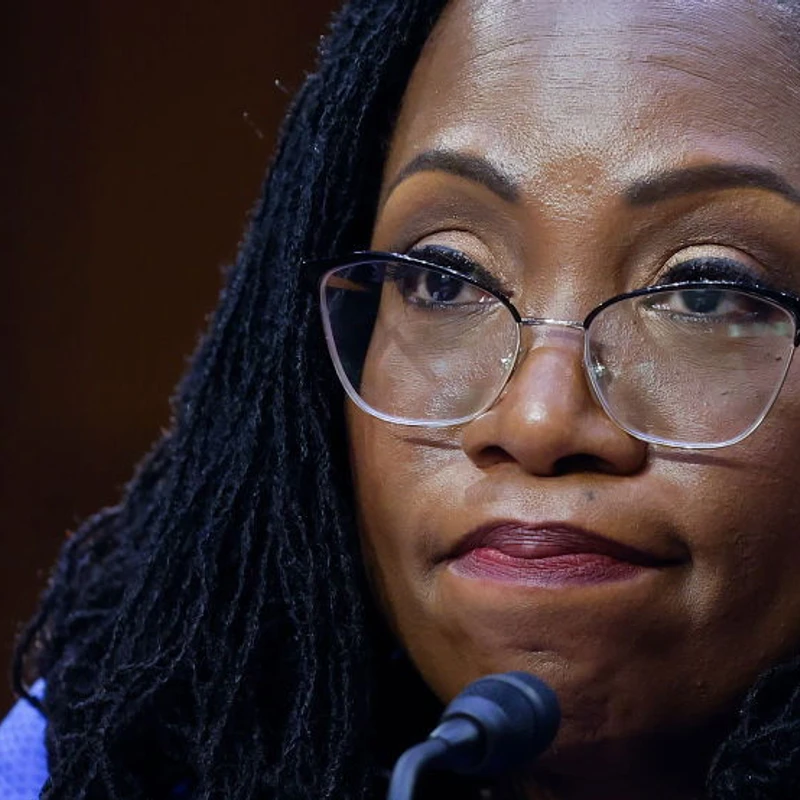
  • Justice Jackson Pauses SNAP Cuts Amid Appeal

    In a significant development for millions of Americans relying on food assistance, Supreme Court Justice Ketanji Brown Jackson has stepped in to pause a lower court ruling that would have restored full Supplemental Nutrition Assistance Program (SNAP) benefits. This temporary halt comes as the Trump administration appeals a decision that mandated the resumption of these crucial disbursements.

    A Temporary Reprieve for SNAP Recipients

    Justice Jackson’s order directs the 1st U.S. Circuit Court of Appeals to expedite its review of the administration’s request to block a previous court order. As the liberal justice overseeing emergency appeals for this circuit, her involvement ensures the case moves forward swiftly. Experts suggest this move could lead to a faster resolution than if the matter proceeded directly to the Supreme Court.

    The controversy centers around a federal judge’s October 31st order, which required the administration to tap into reserve funds to cover the estimated $8-9 billion cost of full SNAP benefits. While $3 billion in emergency funding was already earmarked for such necessities, the Trump administration argued this amount was insufficient to meet the full financial obligation.

    The Financial Tightrope Walk

    Instead of finding additional funds, the federal government proposed redirecting money from U.S. Child Nutrition Programs, which fund school lunches nationwide. This proposal sparked strong opposition from plaintiffs in the case, including various coalitions of municipalities and nonprofits. They argued that delaying or partially paying SNAP benefits would cause ‘irreparable harm,’ particularly to vulnerable populations like children and the elderly.

    Before this pause, USDA contingency funding had only covered about 65 percent of typical monthly SNAP benefits. The program currently serves approximately 42 million Americans, many of whom are no longer receiving their full supplement due to the ongoing federal shutdown and funding disputes. The Justice Department contends that diverting funds from child nutrition programs to cover SNAP would be a violation of congressional spending laws, essentially ‘starv[ing] Peter to feed Paul.’

    The federal government is directing states to lower benefit amounts as opposed to finding additional funding. — Original Article Context

    Justice Jackson’s stay order effectively halts any immediate disbursement of funds until the appeals court can thoroughly consider the administration’s arguments. This decision provides a crucial, albeit temporary, period of stability for millions who depend on these benefits.

    What are your thoughts on Justice Jackson’s decision to pause SNAP benefit cuts? How do you think this situation will be resolved? Share your views in the comments below!