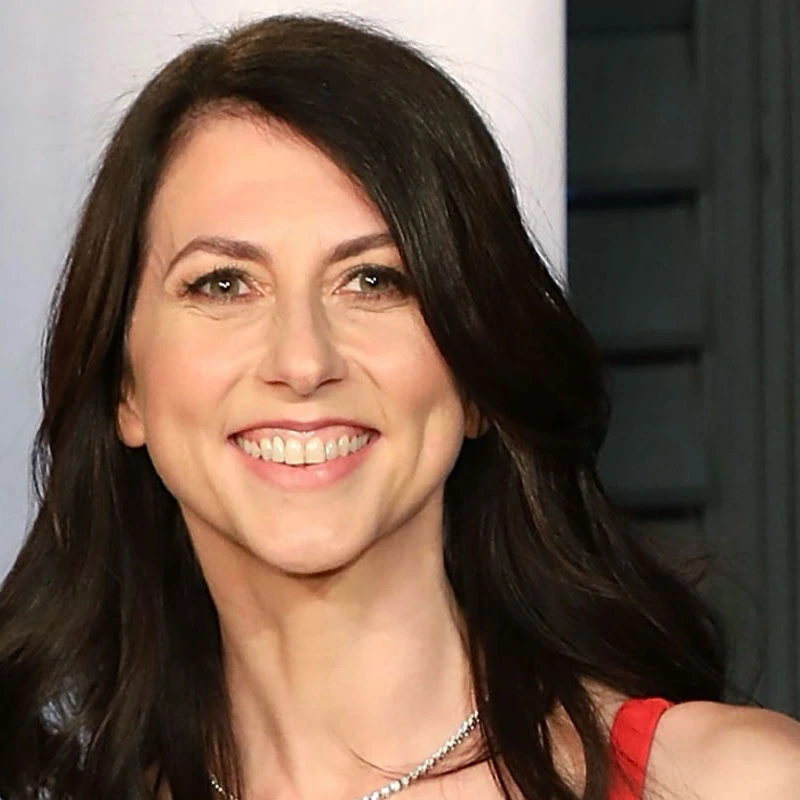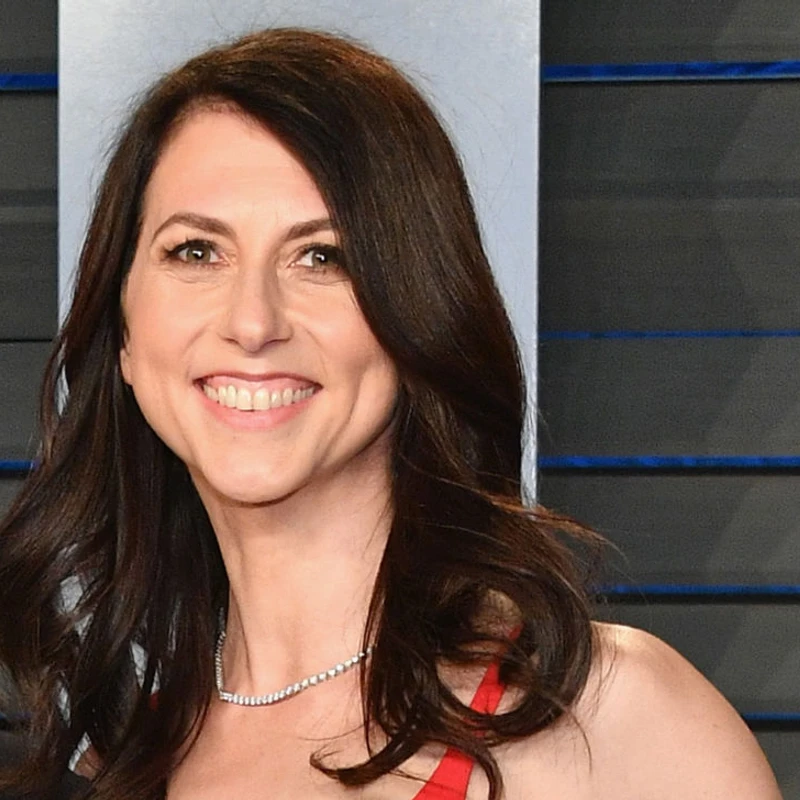
MacKenzie Scott has become a titan of philanthropy, known for her massive donations and commitment to social causes. In 2025 alone, she reportedly gave away an astonishing $7.2 billion, with a substantial portion, over $1 billion, directed towards Historically Black Colleges and Universities (HBCUs). Yet, despite these monumental contributions, her name was conspicuously absent from the Chronicle of Philanthropy’s recent ranking of top donors.
Why the Omission?
The reason behind Scott’s exclusion, according to the International Business Times (IBM), lies in the limited public disclosure surrounding her giving. Scott, her representatives, and her organization Yield Giving reportedly did not provide enough information about donor-advised funds to meet the publication’s criteria for inclusion. The Chronicle of Philanthropy itself noted, “While it is possible she made gifts to her donor-advised funds that would have earned her a spot on the Philanthropy 50, she and her representatives declined to provide such information to the Chronicle.”
This lack of transparency, while perhaps intentional to maintain privacy, meant that her vast contributions couldn’t be officially tallied for the list. It’s a curious situation for someone who has redefined large-scale philanthropy.
Scott’s Impact on HBCUs and Beyond
Scott’s philanthropic approach is characterized by substantial, often unrestricted, gifts to organizations working on the front lines of social change. Her contributions to HBCUs have been transformative, with institutions like Howard University receiving $80 million, Morgan State University and North Carolina Agricultural and Technical State University each getting $63 million, and Prairie View A&M University also receiving $63 million. Spelman College and Dillard University also benefited significantly.
These donations are part of a broader commitment to initiatives focused on Black healthcare, education, housing, food insecurity, and community development. Scott’s influence extends beyond mere financial contributions; she has inspired a new wave of giving that prioritizes impact and equity.
Redefining Generosity
In a December 2025 essay published via Yield Giving, Scott herself reflected on the nature of generosity, questioning whether impact can solely be measured by monetary value. She wrote, “This dollar total will likely be reported in the news, but any dollar amount is a vanishingly tiny fraction of the personal expressions of care being shared into communities this year.” Scott champions the idea that meaningful contributions often go unrecognized and that vulnerability can be a powerful asset in fostering generosity.
Her philosophy challenges conventional metrics of success in philanthropy, suggesting that true impact lies in fostering community strengths and empowering diverse forms of contribution, not just financial transactions. Despite the Chronicle’s omission, Scott’s influence on the philanthropic landscape remains undeniable.
What do you think about MacKenzie Scott’s approach to philanthropy and her absence from the top donor list? Share your thoughts in the comments!