Category: Music Industry and Technology

  • Major Labels Push for Higher Streaming Prices

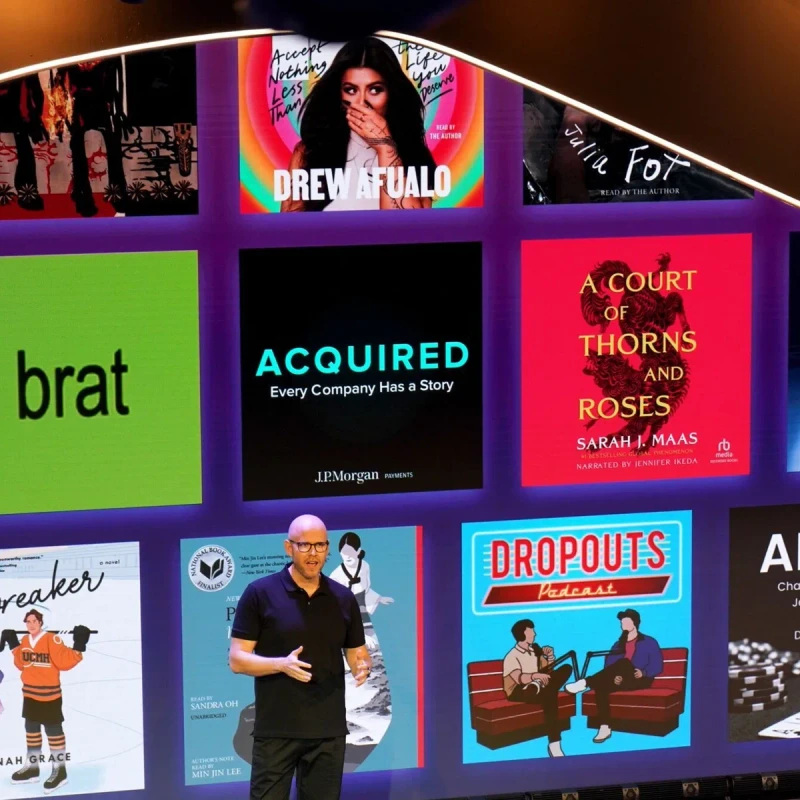
    Are you ready to pay more for your music streaming? Reports suggest that major record labels are actively pushing platforms like Spotify and Apple Music to hike up subscription prices. This move comes as the industry grapples with slowing growth and seeks to maintain profitability in the digital age.

    Spotify Leads the Price Hike

    Spotify has already announced plans to increase its subscription prices in the United States during the first quarter of 2026. This isn’t the first time; their last U.S. price adjustment saw the monthly cost rise to $11.99, up from the original $9.99 when it launched 14 years ago. Similar price increases have also been implemented in other countries like the UK, Switzerland, and Australia.

    This proactive step by Spotify seems to align with the demands of major labels, who are reportedly arguing that current subscription fees haven’t kept pace with inflation. They believe that compared to video streaming services like Netflix, music streaming prices are simply too low.

    Why the Pressure for Higher Prices?

    The music industry has experienced a decade-long growth spurt, but recent data from the IFPI trade group indicates this expansion is slowing down. Global revenue growth was reportedly halved last year compared to the previous one. Major labels are keen to protect their profits and are leveraging their influence to ensure streaming platforms maintain healthy revenue streams.

    JPMorgan analysts have suggested that even a modest $1 monthly increase per subscriber could boost Spotify’s annual revenue by an estimated $500 million. This financial incentive is likely a key driver behind the labels’ push for higher prices across all major streaming services.

    Leadership Changes and Future Implications

    Spotify’s executive team is also undergoing a transition, with Alex Norström and Gustav Söderström set to take over as co-CEOs following Daniel Ek’s departure. Norström has indicated that price adjustments will be made strategically based on market dynamics. ‘We will act when the time is right for each specific market, and we’ll do it at the appropriate price based on those market dynamics,’ he stated.

    These potential price increases come at a time of significant change in the digital music landscape, including Spotify’s recent acquisition of WhoSampled, which has raised questions about the future of sampling regulations. It’s clear that both consumers and artists will be watching closely as these developments unfold.

    What’s your take on the potential rise in music streaming prices? Do you think it’s justified? Share your thoughts in the comments below!
  • Suno & Warner Music Group: AI Music’s New Era

    The music industry is buzzing with a groundbreaking development that could redefine how music is made and how artists are compensated. AI-powered music generation platform Suno has officially partnered with Warner Music Group, marking a significant shift after a period of legal tension. This move is being hailed by industry insiders as a major step forward, especially for artists navigating the evolving landscape of artificial intelligence in music.

    Timbaland’s Vision for AI in Music

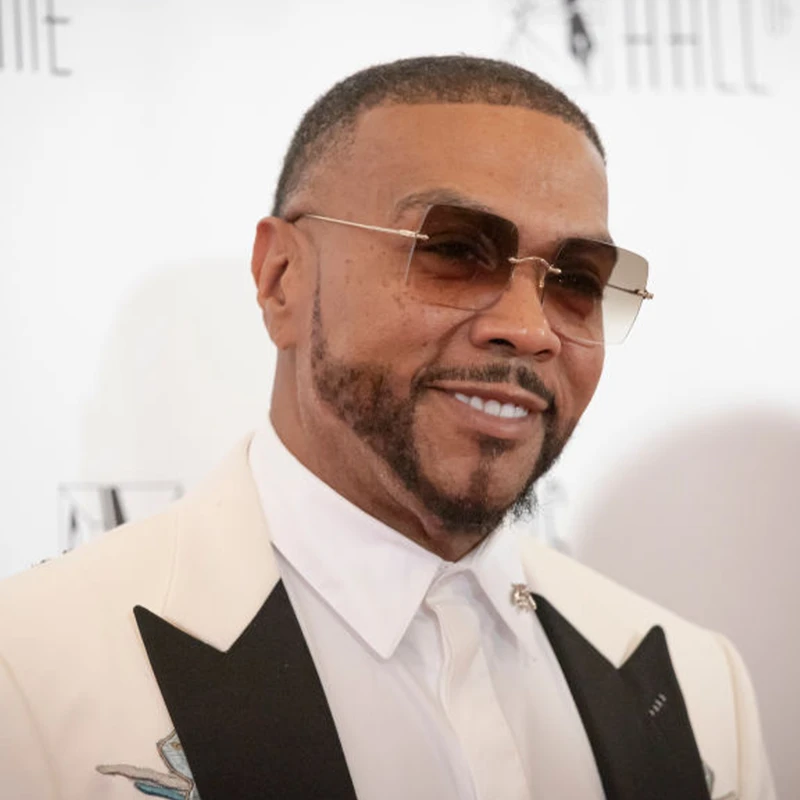
    You might remember the buzz around Xania Monet, an AI-powered artist who sparked debate among musicians like Kehlani and K. Michelle. Despite some controversy, AI in music is gaining traction, and influential figures like producer Timbaland are championing its potential. Timbaland, who became a strategic advisor for Suno in October 2024, sees AI as a tool to empower artists, not replace them.

    He expressed his excitement, stating, ‘By combining forces, we have a unique opportunity to make AI work for the artist community and not the other way around.’ This sentiment highlights a crucial aspect of the new partnership: ensuring AI benefits creators.

    From Legal Battles to Collaborative Frontiers

    It wasn’t long ago that major labels like Warner Music Group, Universal Music Group, and Sony Music Entertainment took Suno to court over copyright infringement concerns. However, the recent settlement with Warner Music Group signals a new chapter. This agreement is designed to ‘open new frontiers in music creation, interaction, and discovery,’ while crucially ensuring that artists, songwriters, and the broader creative community are both compensated and protected.

    Looking ahead to 2026, Suno plans to launch with newer, licensed models, retiring the ones currently in use. For users, this means that downloading audio will require a paid account, and songs on the free tier will become non-downloadable, though still playable and shareable. This strategic shift aims to create sustainable revenue streams and respect intellectual property.

    Empowering Artists in the AI Era

    A key component of this deal is the emphasis on artist autonomy. Artists and songwriters will have complete control over how their ‘names, images, likenesses, voices, and compositions are used in new AI-generated music.’ This ensures that creators can benefit financially and maintain control over their personal brand and work. Timbaland himself took to Instagram to call the agreement ‘DISRUPTIVE,’ underscoring its potential impact.

    Robert Kyncl, CEO of Warner Music Group, echoed this sentiment, calling the pact ‘a victory for the creative community that benefits everyone.’ He highlighted the importance of principles like licensed models, reflecting the true value of music, and providing artists with an opt-in for the use of their likeness and work in AI-generated songs. This collaborative approach is setting a new standard for how AI and the music industry can coexist and thrive.

    What are your thoughts on this landmark AI music partnership? Do you think it’s a win for artists? Let us know in the comments!