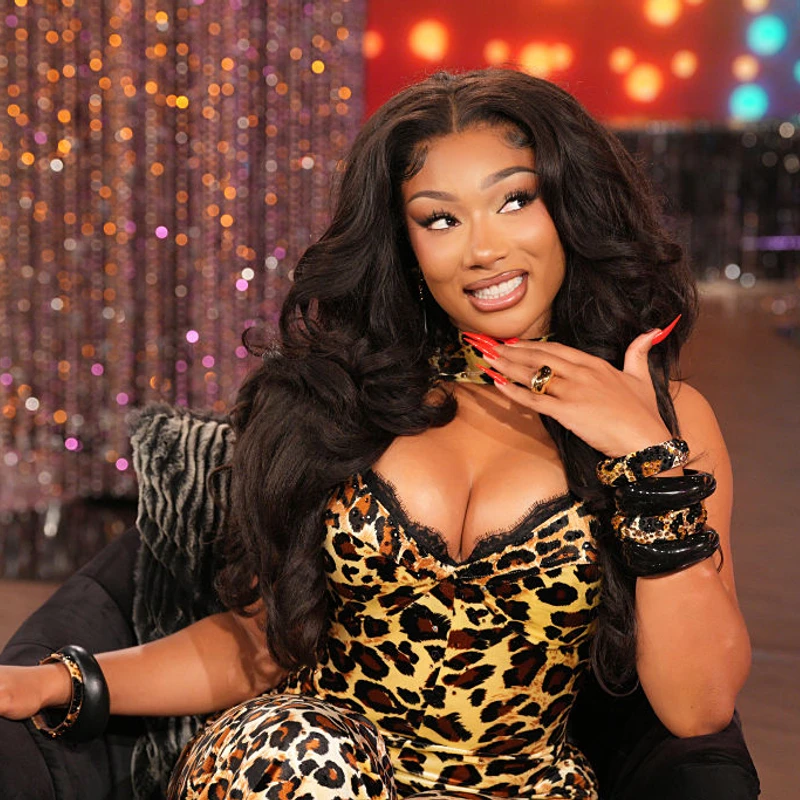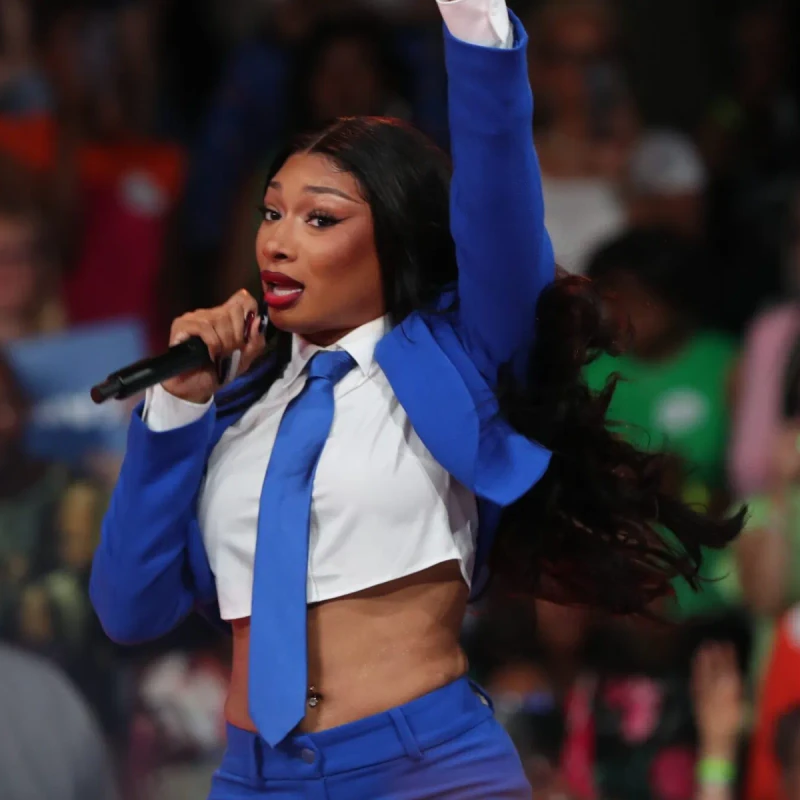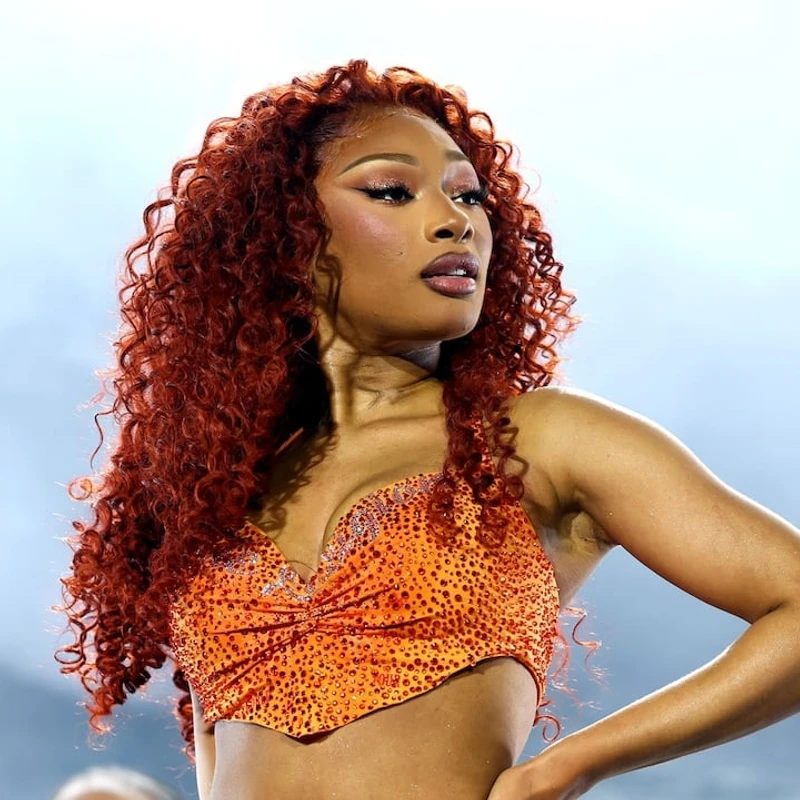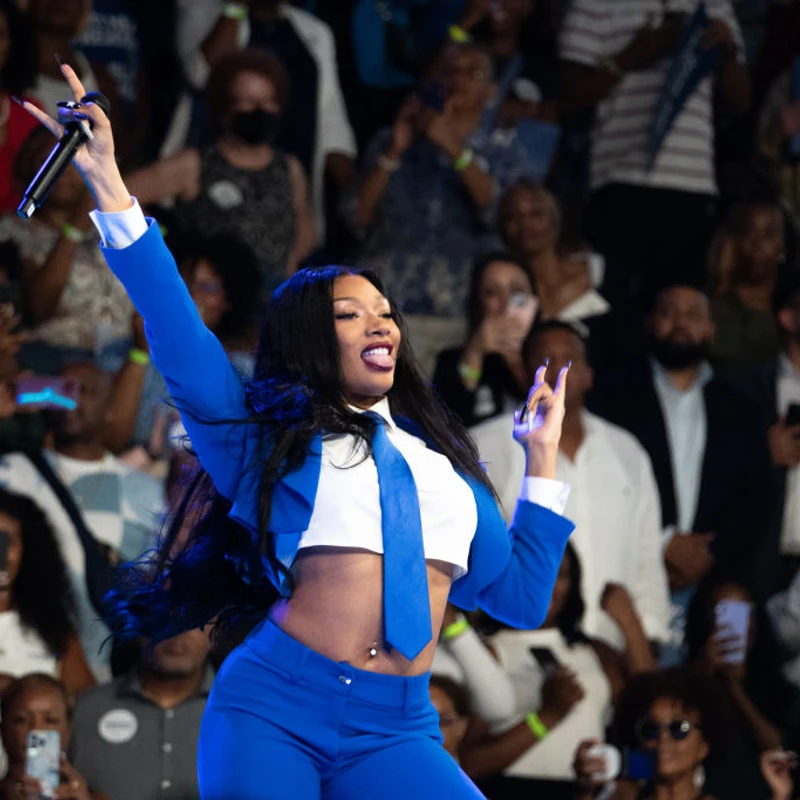
It’s a legal win for Megan Thee Stallion! The Houston rapper has secured a significant victory in Florida after a federal jury found blogger Milagro Gramz liable for defamation. This ruling comes after Megan’s legal team argued that Gramz had spread damaging and outright false claims about the artist.
The Jury’s Verdict and Damages
The nine-person jury delivered their decision on Monday, siding with Megan Thee Stallion. Central to the case were allegations made by Gramz, including the claim that Megan was acting as a paid surrogate for rapper Tory Lanez. The panel initially awarded Megan $75,000 in damages.
However, a federal judge later adjusted the total amount to $59,000. This adjustment was made after the judge determined that Milagro Gramz should be considered a member of the media. This classification could also mean Gramz is responsible for covering Megan’s legal expenses.
Gramz’s Reaction and Legal Team’s Concerns
Following the verdict, Milagro Gramz spoke with Armon Wiggins, claiming she wasn’t found liable for defamation because she identifies as media. This stance highlights a key point of contention in the case: the line between opinion, media commentary, and defamation.
Gramz’s attorney, Nathacha Bien Aime, released a statement criticizing the verdict. She expressed concern that the ruling could hinder independent creators from discussing public figures openly, potentially discouraging online dialogue due to fear of legal repercussions. The statement emphasized the importance of clearly defining defamation versus protected opinion.
Background of the Lawsuit
Megan Thee Stallion initially filed the lawsuit back in October 2024. She accused Gramz of engaging in a pattern of harmful commentary and spreading false narratives. These claims were particularly connected to the highly publicized shooting incident involving Tory Lanez, who has since been convicted in that case.
Leaving the courthouse, Megan expressed her happiness with the outcome, stating she was simply pleased with the jury’s decision. This legal battle underscores the challenges public figures face with online commentary and the importance of holding individuals accountable for spreading misinformation.
What do you think about this defamation case outcome? Do you believe the ruling sets a precedent for online speech? Share your thoughts in the comments below!