Category: Media and News Landscape

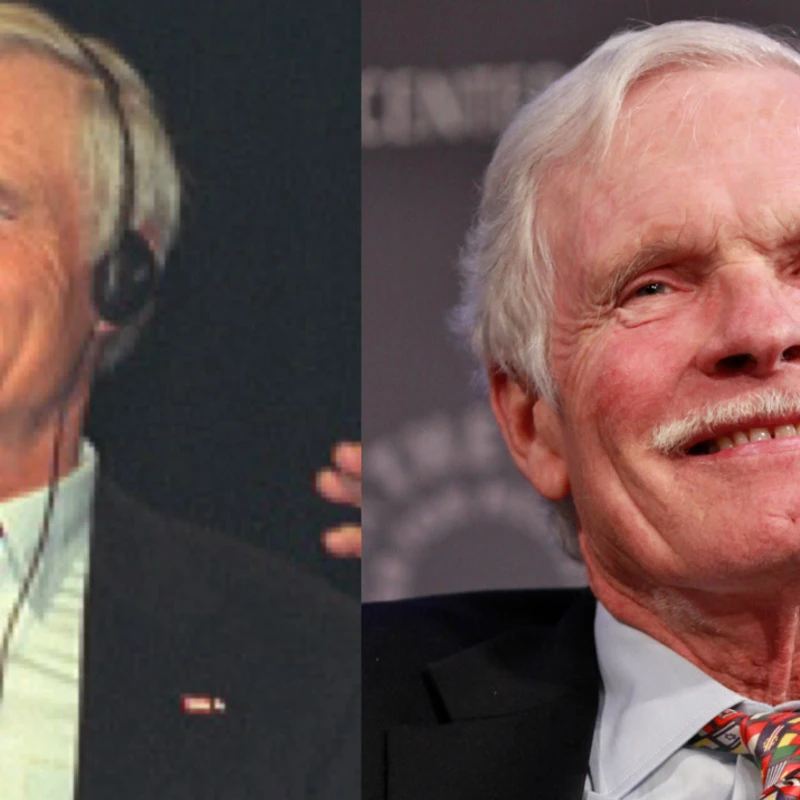
  • Ted Turner, CNN Founder, Dies at 87

    The media landscape has lost a true pioneer. Ted Turner, the visionary founder of CNN and the architect of the 24-hour news cycle, has died at the age of 87. His passing marks the end of an era, leaving behind a profound legacy that reshaped how the world receives information.

    Revolutionizing the News

    Before Ted Turner burst onto the scene, the television news landscape was dominated by just a few major networks. If they didn’t cover a story, it often went unnoticed by the broader public. Turner, however, didn’t just seek a seat at the table; he built an entirely new one.

    In 1980, he launched CNN, a venture initially met with skepticism and even derision, with some critics dubbing it the “Chicken Noodle Network.” They underestimated the public’s appetite for continuous news coverage. Turner proved them wrong, creating a revolutionary platform that brought round-the-clock information into homes across the nation.

    Impact on Black History and Beyond

    Turner’s impact extended significantly to the Black community. CNN provided unprecedented sustained national attention to major moments in Black history, such as the Atlanta Child Murders and the Rodney King beating. These stories received a depth of coverage that the traditional 30-minute evening news slots simply couldn’t accommodate.

    Beyond news, Turner transformed his small Atlanta UHF station, WTBS, into a national powerhouse via satellite. This move brought sports and movies to countless homes, expanding entertainment options long before streaming services existed.

    A Philanthropic Force

    While celebrated for his media innovations, Ted Turner was also a significant philanthropist. In 1997, he made headlines with a groundbreaking $1 billion pledge to the United Nations, a move that inspired other prominent billionaires, including Bill Gates and Warren Buffett, to increase their own charitable giving.

    He was and always will be the presiding spirit of CNN. — Mark Thompson, CNN Chairman and CEO

    Ted Turner’s passing signifies the end of a remarkable era in broadcasting. He demonstrated that innovation could challenge established norms and proved that access to information should be a universal right, available to everyone, at any time.

    What is your most memorable moment from Ted Turner’s media empire? Share your thoughts in the comments below!
  • Retailers Rethink Self-Checkout Lanes

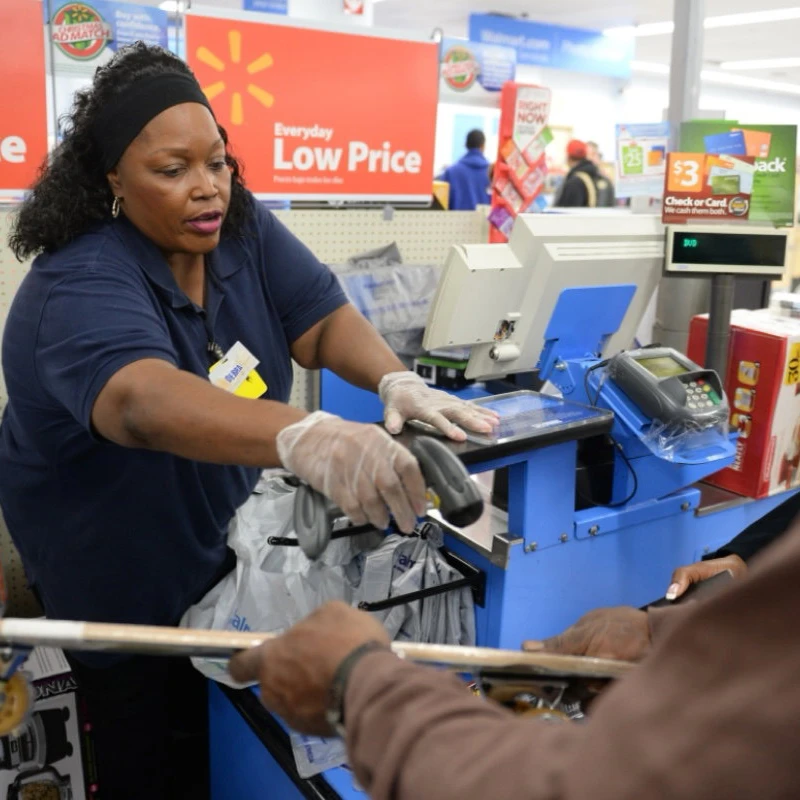
    Remember when self-checkout kiosks seemed like the future of shopping? Well, it appears that future might be rolling back. Major retailers like Walmart, Target, and Costco are reportedly scaling back their self-checkout options, signaling a significant shift in the retail landscape.

    The Experiment Falters

    After a decade of aggressive expansion, the retail industry is turning back towards traditional, staffed checkout lanes. This move suggests that the promised efficiency of self-service hasn’t fully materialized, and in some cases, it’s created more problems than it solved.

    Executives at these retail giants have cited three primary factors influencing this change of heart. The most significant is the alarming increase in inventory loss, often referred to as ‘shrinkage.’ Without constant human oversight, self-checkout lanes have become a breeding ground for both accidental mis-scans and intentional theft, costing retailers billions annually.

    Customer Frustration and Loopholes

    Beyond financial losses, the self-checkout experience itself has become a point of contention. The constant ‘unexpected item in the bagging area’ alerts and technical glitches often lead to longer lines and increased customer stress, ironically defeating the purpose of speed and convenience. A 2026 consumer survey even revealed that shoppers increasingly feel like they’re being asked to do the store’s work without compensation.

    For membership-based retailers like Costco, self-checkout also presented security challenges, allowing non-members to bypass verification protocols. Returning to manned lanes helps ensure that only paying members are accessing the store’s benefits.

    A Shift Towards Human-Centric Service

    The rollback isn’t uniform across all retailers. Target, for instance, has implemented a ’10 items or fewer’ limit on its remaining self-checkout kiosks to maintain speed for small purchases, while encouraging larger shopping trips to be handled by staffed registers. Walmart is testing the complete removal of kiosks in select markets, replacing them with full-service lanes.

    This trend toward prioritizing human interaction and reliability over automation reflects a broader global reassessment of automated systems in favor of community and trust. It seems the era of the ‘unpaid cashier’ might indeed be winding down.

    What’s your experience with self-checkout? Do you prefer staffed lanes or self-service? Let us know in the comments!

  • Teens Get News From Influencers, Not TV

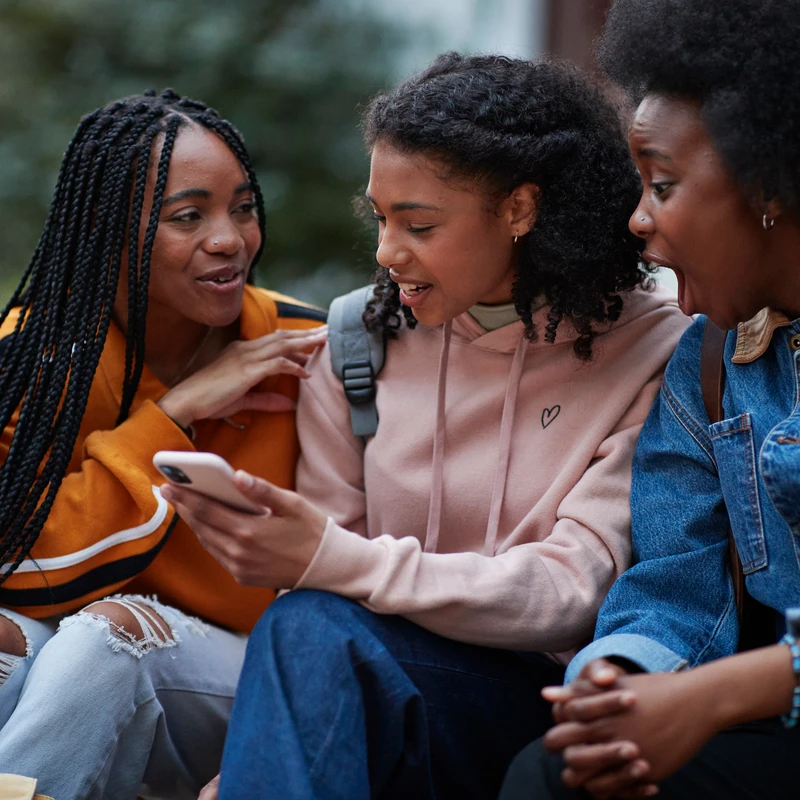
    Remember when getting your news meant flipping on the evening broadcast or grabbing the morning paper? Well, for today’s teens, that picture looks a whole lot different. A fascinating new study is shedding light on where younger generations are actually getting their information, and it turns out, it’s not where you might expect!

    Who’s Leading the News Charge for Teens?

    A comprehensive study, aptly titled “The Evolving News Landscape: Comparing Media Habits and Trust Between Teens and Adults,” dove deep into how different age groups consume news. Conducted by the Media Insight Project, a collaboration of top research institutions, the survey polled over 2,100 individuals. The results are pretty eye-opening: influencers and independent creators are now major players in the news game for all ages, but especially for teens.

    Specifically, a whopping 81% of respondents aged 13 to 17 reported getting their news and information from influencers. That’s a huge number! For comparison, 57% of all respondents across all age groups said they turn to these creators for news at least sometimes. It seems the days of relying solely on traditional media might be numbered.

    Social Media vs. The Evening News

    The study also highlighted a significant difference in daily news habits. While 57% of teens reported getting news from social media daily, a comparable 74% of older adults (65+) still rely on television. This stark contrast underscores a generational divide in how information is accessed and consumed.

    Interestingly, the preference for ‘hard news’ also shifts with age. Only about 12% of teens identify as avid hard news consumers, a figure that jumps to 35% for those aged 65 and older. This suggests that as people get older, their appetite for in-depth, traditional news reporting might increase.

    Trust in the Creator Economy

    What’s particularly intriguing is the level of trust teens and adults place in these independent creators. The study found that trust in influencers and creators to verify facts, be transparent, and share diverse viewpoints was surprisingly consistent across different political stances, unlike the often polarized views on traditional media. This suggests a growing confidence in sources outside of established institutions.

    Respondents also expressed a desire for transparency, with about half wanting clear labeling for sponsored content. This indicates that while audiences embrace these new sources, they still value honesty and clarity in the information they receive.

    AI’s Role in the News Landscape

    The study also touched upon the emerging role of Artificial Intelligence in news consumption. When it came to public trust, AI chatbots ranked at the bottom of all sources surveyed. Only about 1 in 10 people found them more trustworthy, suggesting that for now, human creators still hold the edge in building audience confidence.

    Journalism’s influence is no longer defined solely by legacy institutions, but by a comparative, choice-driven environment in which audiences weigh multiple sources against one another. — Report Authors, Media Insight Project

    This shift in news consumption is a powerful reminder that the media landscape is constantly evolving. It’s a dynamic space where new voices and platforms are gaining significant traction, influencing how we all stay informed.

    What do you think about teens getting their news from influencers? Share your thoughts in the comments below!