Category: Legal Controversies and Political Decisions

  • Trump Admin Challenges Hispanic College Grants

    In a significant shift, the Trump administration has declared federal grant programs specifically designed to support Hispanic-serving colleges and universities as unconstitutional. This decision means the Department of Justice will no longer defend these programs, sparking concerns about educational equity for countless Latino students.

    Legal Challenge and DOJ’s Stance

    The move follows a lawsuit filed by Tennessee and the conservative group Students for Fair Admissions. The Department of Justice, under the Trump administration, has now aligned itself with this challenge. Solicitor General D. John Sauer explained in a letter to Congress that the department believes the program’s “racial and ethnic preferences violate the Constitution.”

    Tennessee’s lawsuit argues that while state schools serve Hispanic students, they are being unfairly excluded from funding because they don’t meet what the suit calls an “arbitrary” quota. This legal battle puts a substantial amount of funding at risk.

    Impact on Hispanic-Serving Institutions

    The Hispanic Association of Colleges and Universities (HACU) has voiced strong opposition to the DOJ’s decision, labeling it a direct threat to educational equity. These programs are vital for over 500 schools across the nation that rely on this funding to support their predominantly Hispanic student populations.

    With approximately $350 million in funding potentially impacted, the future of crucial support systems for Latino students is now hanging in the balance. This decision raises questions about the administration’s commitment to addressing educational disparities.

    What are your thoughts on the government’s role in supporting diverse educational institutions? Share your perspective in the comments below!
  • Supreme Court Allows Trump Admin NIH Funding Cuts

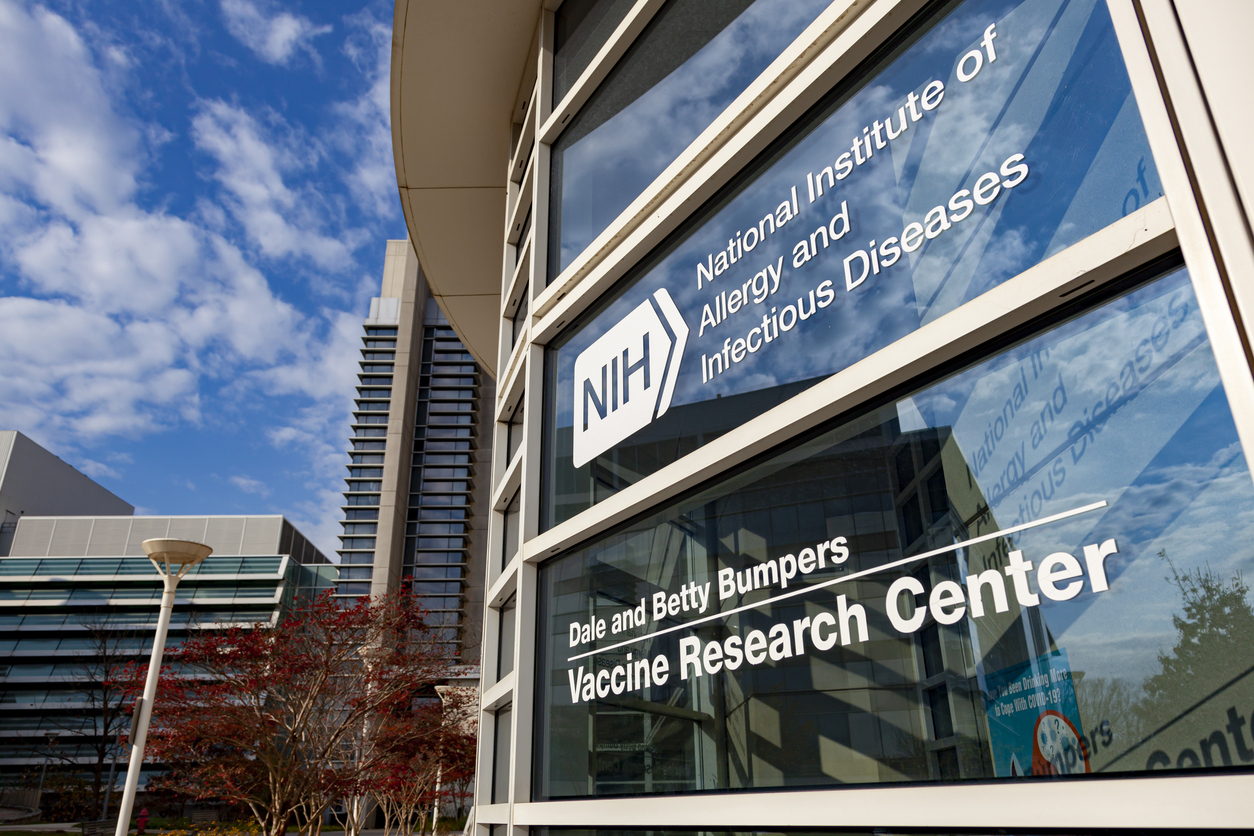
    In a significant legal victory for the Trump administration, the Supreme Court has cleared the path to slash nearly $800 million in scientific research funding. The ruling specifically impacts grants tied to diversity, equity, and inclusion (DEI) programs within the National Institutes of Health (NIH).

    A Narrow 5-4 Decision

    The Court’s decision, a close 5-4 split, lifts a lower court’s order that had previously blocked these substantial cuts. This means the administration can now proceed with canceling grants that officials argue promote DEI agendas. Chief Justice John Roberts joined the three liberal justices in opposing the cuts, but their efforts were ultimately outvoted.

    Justice Amy Coney Barrett played a crucial role, casting the deciding vote to keep the broader anti-DEI directive frozen for future projects. However, the administration’s ability to expand these cuts beyond existing grants remains uncertain for now.

    Legal Arguments and Dissenting Opinions

    The case involves a larger pool of $12 billion in NIH research projects targeted by the administration. Sixteen Democratic attorneys general and several public health groups filed a lawsuit, arguing that defunding projects mid-stream wastes collected data, disrupts careers, and hinders medical breakthroughs. Justice Ketanji Brown Jackson penned a strong dissent, likening the Court’s handling of Trump’s appeals to “Calvinball” and accusing colleagues of favoring Trump by altering rules.

    Conversely, Trump’s legal team maintains that these funding cuts are within his executive authority, asserting that DEI initiatives mask racial discrimination. Solicitor General D. John Sauer has also sought to dismiss other cases blocking Trump’s funding rollbacks, with Justice Neil Gorsuch criticizing lower courts for obstructing these actions.

    The immediate consequence of this ruling is that hundreds of research programs nationwide, many focused on critical public health and medical science issues, are now facing potential termination.

    What are your thoughts on the Supreme Court’s decision regarding NIH funding and DEI initiatives? Share your perspective in the comments below!